vip@mingyuforklift.com
+86-0535-2090977

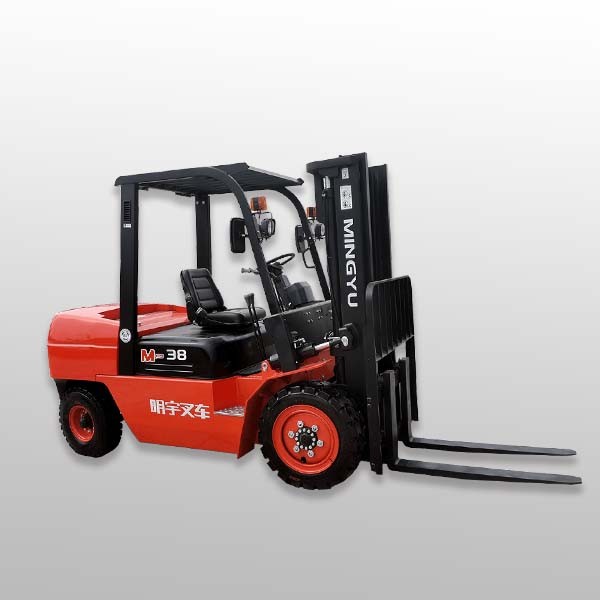
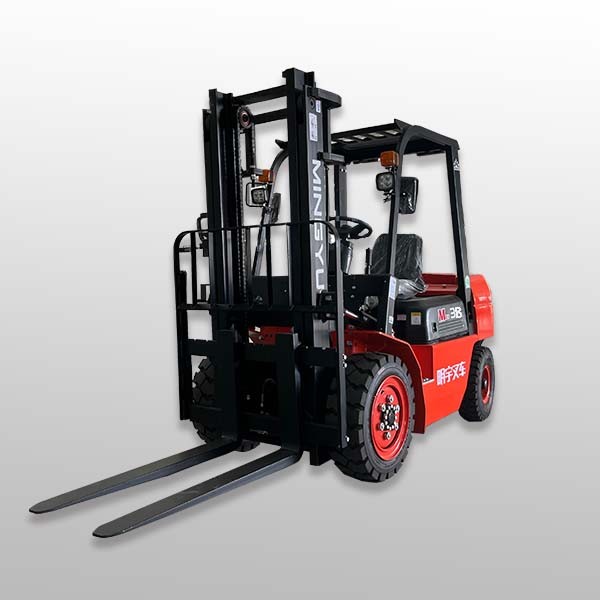
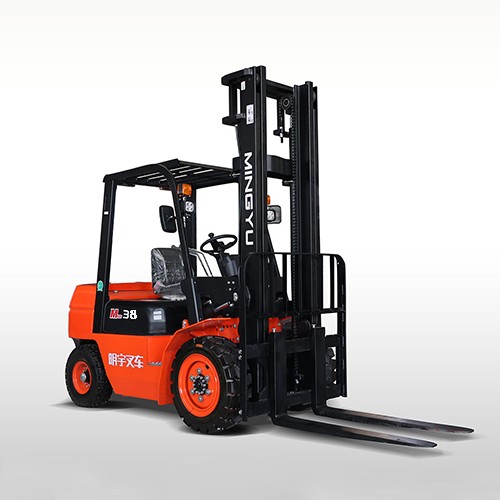
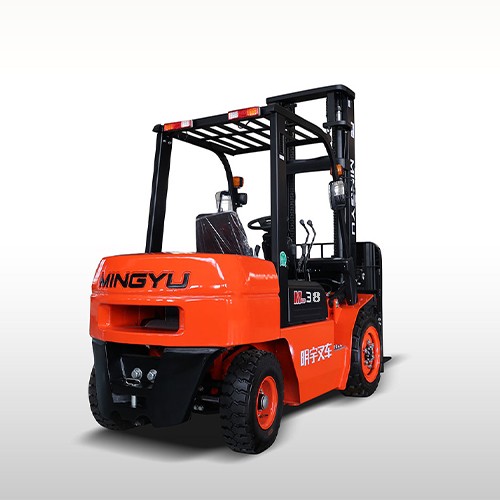
The CPC38 diesel forklift is presented here for palletized stone, ceramic tile and building-finish distribution yards. Buyers of a 3.8 ton forklift often need to move dense loads between receiving, covered storage, order staging and outbound trucks while keeping breakage, congestion and downtime under control. ZGFORKLIFT / MYZG recommends a site-based selection process: define the actual pallet, load center, lift height, route, surface, shift pattern and service arrangement before choosing a configuration. This application guide does not replace the quotation, capacity plate, mast chart, operator manual or a local risk assessment.
Ceramic cartons, stone slabs in approved frames, packaged paving products and adhesives vary widely in geometry and stability. A nominal load figure alone does not tell a buyer whether a truck can place a particular unit at a particular height. A heavy load on a long pallet, a displaced center of gravity, a raised mast or an attachment may reduce the usable capacity. Provide the heaviest real unit, its dimensions, weight distribution, packaging and pallet entry direction to the supplier. Keep unstable or unsupported materials outside the planned handling method until a competent person approves a suitable carrier and restraint.
Map the route from inbound unloading to inspection, storage, picking and dispatch. Note trailer and dock interfaces, gradients, joints, potholes, drainage, turning bays, pedestrian crossings and overhead doors. A forklift that fits an open yard may still be unsuitable for a narrow covered aisle or an uneven dock plate. The most demanding turn, highest rack position and least stable load should drive the equipment review, rather than an average run with an empty pallet.
The website's CPC38 source product identifies a sit-down diesel forklift family with a published 3,800 kg rated load reference at a 500 mm load center and a 3,000 mm standard lifting-height reference. These figures describe the source listing, not a promise for every mast, attachment, fork length, tire, engine or operating height. Ask for the exact data plate and residual-capacity information for the unit quoted to your yard. Optional engines, mast types, side shift, tires and operator protection must be specified on the order rather than assumed from a general product-family page.
Browse the wider diesel forklift category to compare load ranges and arrangements. A diesel truck may suit open-air handling and longer yard routes where exhaust, noise and refueling can be managed; enclosed or poorly ventilated spaces need a separate emissions and powertrain assessment. When indoor air quality is the dominant constraint, compare suitable electric options in the All Products catalog instead of assuming one power source covers every work area.
Load and carrier: record actual gross weights, the load center, overhang, pallet width, underside clearance, board condition and any approved stone or slab frame. Check fork engagement, separation, length and support. A longer fork or side-shifting attachment may change the load center and effective capacity. The supplier should calculate and document the safe combination for the actual carrier.
Height and aisle: measure highest fork level, top of load, rack-beam clearance, lowered and raised mast height, roof and door openings, and the tightest loaded turn. Review the actual pallet orientation in the aisle. Ask for a turning and stacking calculation based on the selected configuration; an empty-truck demonstration is insufficient for a dense pallet route.
Surface and tire: identify asphalt, concrete, compacted yard sections, ramps, steel plates, wet crossings and debris-prone areas. Choose tires only after reviewing surface condition, travel speed, traction, ride quality and local maintenance. Forklift tires do not make an unsafe surface acceptable. Repair potholes, control drainage and mark edges before introducing a heavier load flow.
Duty and fuel: give pallets per hour, travel distance, loaded gradients, shifts, idle periods, refueling arrangement and peak season. Compare fuel consumption and maintenance on the actual duty cycle, not an unsupported generic figure. Plan ventilation and emissions control for every covered loading area. Request the precise engine model and destination documentation before an export order.
At receiving, assign a stable staging zone for tile cartons, packaged pavers and palletized accessories. Inspect wrapping, pallet condition and load identity before lifting. Position the truck so forks enter squarely and the operator can see the receiving lane. Where a slab frame or custom carrier is required, obtain written confirmation for its weight, geometry, restraint and approved handling method. Never treat a loose slab as an ordinary pallet load.
In storage, separate heavy stock from pedestrian order picking and protect rack ends, columns and finished-goods displays. Keep load height low during travel and follow the site-approved direction when visibility is restricted. For outdoor transfer, stop work when standing water, slippery dust, unstable ground or weather makes control uncertain. At outbound dispatch, confirm trailer capacity, dock-plate rating, restraint, edge protection and driver communication before entry. The selected CPC38 configuration should be demonstrated on the most difficult approved route with a representative load.
For a broader purchasing comparison, review the product range and the site's equipment questions. Compare a CPC38 proposal with a lighter or heavier truck only after checking residual capacity, footprint, fuel system, service access and the real load mix. An oversized truck can worsen aisle congestion, while an undersized truck can encourage unsafe handling.
Before each shift, inspect forks and locking devices, mast rails and chains, hydraulic hoses, tires, brakes, steering, lights, horn, seat belt, overhead guard, fluid levels and visible leaks according to the delivered manual. Check that the capacity plate is legible and matches the fitted mast and attachment. Report damage immediately and remove a defective unit from service. Train operators on the approved route, load stability, parking, refueling, pedestrian separation and the rule against lifting people on forks.
Stone dust, broken packaging and abrasive yard grit can accelerate wear around tires, brakes, mast rollers and cooling paths. Establish cleaning and inspection intervals for the actual environment; do not pressure-wash sensitive components without an approved method. Record hours, faults, fluid and filter service, chain condition, tire wear and repairs by machine serial number. The local service plan should cover seasonal peaks and the lead time for common wear parts.
Dealers can coordinate consumables and configuration-specific items through the parts and dealer support information. Every request should include the serial number, engine, mast, attachment, tire specification, fault symptoms and photographs. A generic CPC38 part name may not identify the correct component for a particular build. Agree a commissioning checklist, operator handover and after-sales contact path before delivery.
A dealer serving regional building-material depots should qualify each inquiry with one structured form: real load and center, pallet and frame data, storage height, aisle, surface, gradients, travel, shift, fuel, climate, destination and service coverage. Demonstrate the quoted arrangement on a controlled representative route. Document the scope of accessories, operator protection, spare parts and exclusions so buyers can compare proposals on the same basis. Track the customer-reported causes of delay and damage, then refine training and stocking rather than promising an unverified productivity gain.
For export, confirm the exact engine and emissions documentation required at the destination. A source listing that mentions an EPA engine option does not establish EPA approval for every supplied CPC38; request the applicable engine certificate or label for the specific order. Where CE documentation is required, request the declaration and technical materials applicable to the exact truck and destination. Confirm manuals, labels, packing, shipping dimensions, fuel preparation, service parts and importer responsibilities in the contract. No unverified certification, export volume or named customer case is asserted on this page.
Shandong Zhuogong Machinery Equipment Co., Ltd. can review the buyer's application data and discuss available CPC38 configurations, documentation, packing, commissioning and parts coordination. Read the company overview for background, then confirm all technical and commercial commitments in the quotation and signed agreement. Any cooperation example should be supported by the customer's permission and verifiable project details before publication.
Send the heaviest pallet or approved carrier details, load center, required lift height, rack and door dimensions, yard surface, trailer interface, daily cycles, operating hours, destination and service expectations. Contact Shandong Zhuogong Machinery Equipment Co., Ltd. at vip@mingyuforklift.com or +86-0535-2090977, or use the contact and inquiry page. Mention "CPC38 diesel forklift for stone and ceramic distribution" so the team can review the complete job rather than quote from capacity alone.
Name: selena
Mobile:+86-13176910558
Tel:+86-0535-2090977
Whatsapp:8613181602336
Email:vip@mingyuforklift.com
Add:Xiaqiu Town, Laizhou, Yantai City, Shandong Province, China