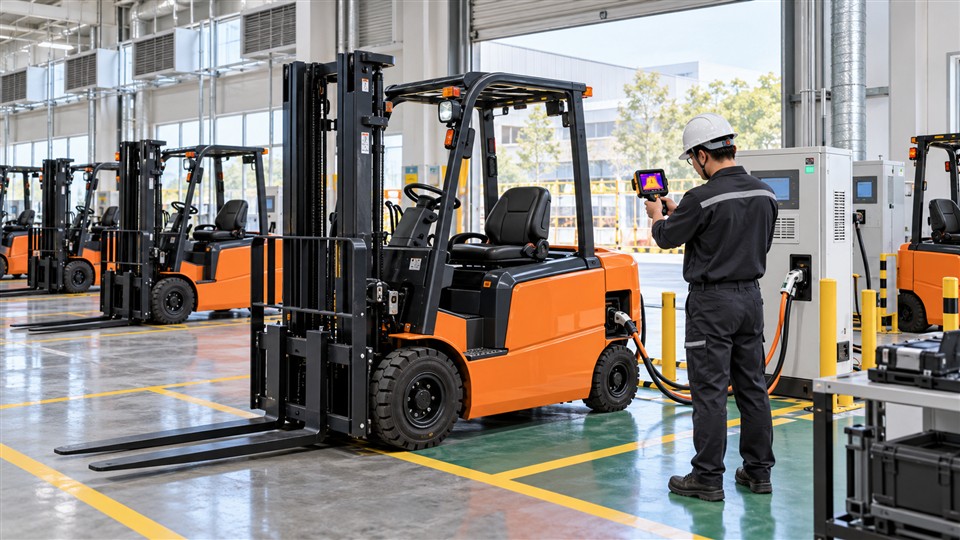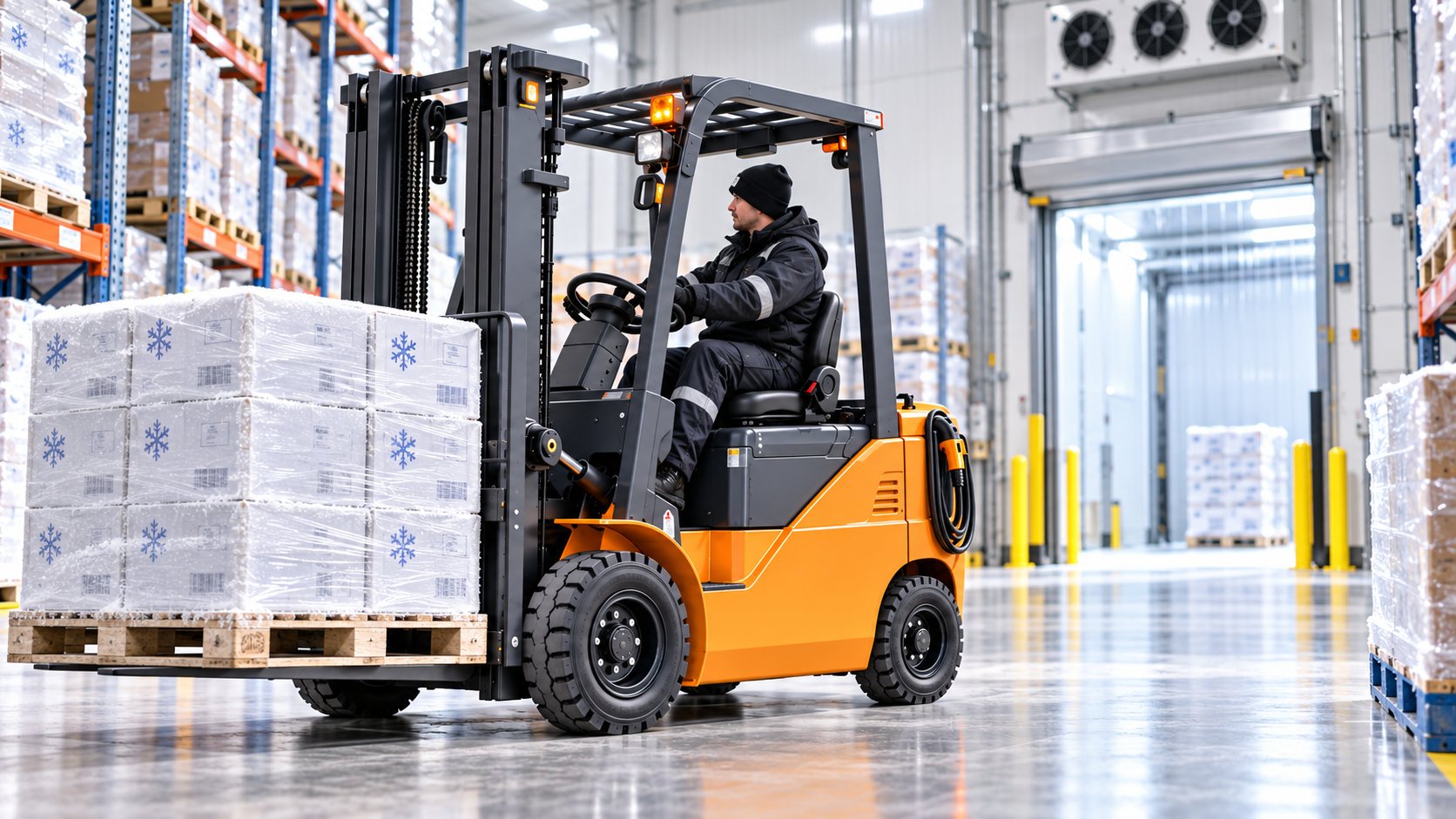
Discover how long electric forklift batteries last with our comprehensive technical analysis comparing lead-acid (5-6 years, 1,500 cycles) vs lithium-ion (8-12 years, 3,000-5,000 cycles) technologies, operational factors, maintenance requirements, and total cost of ownership considerations.
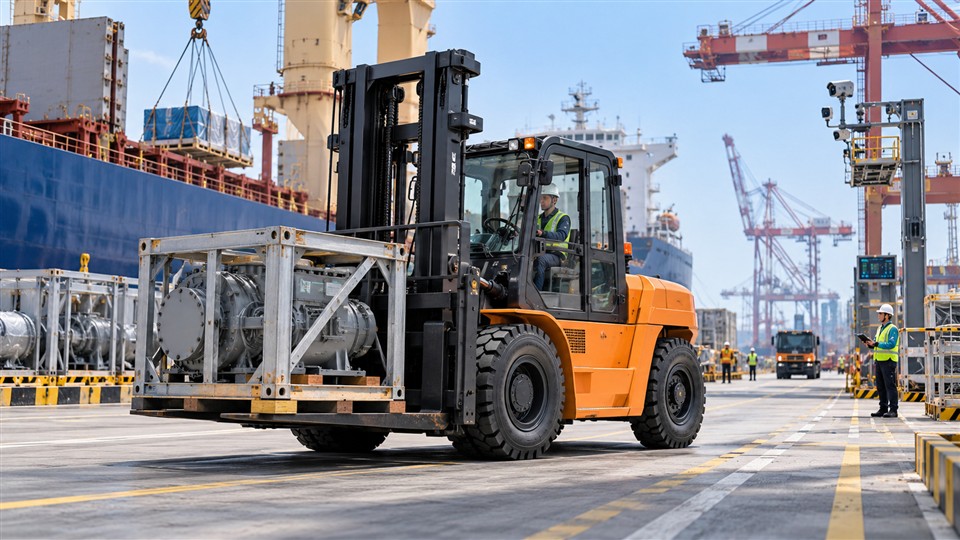
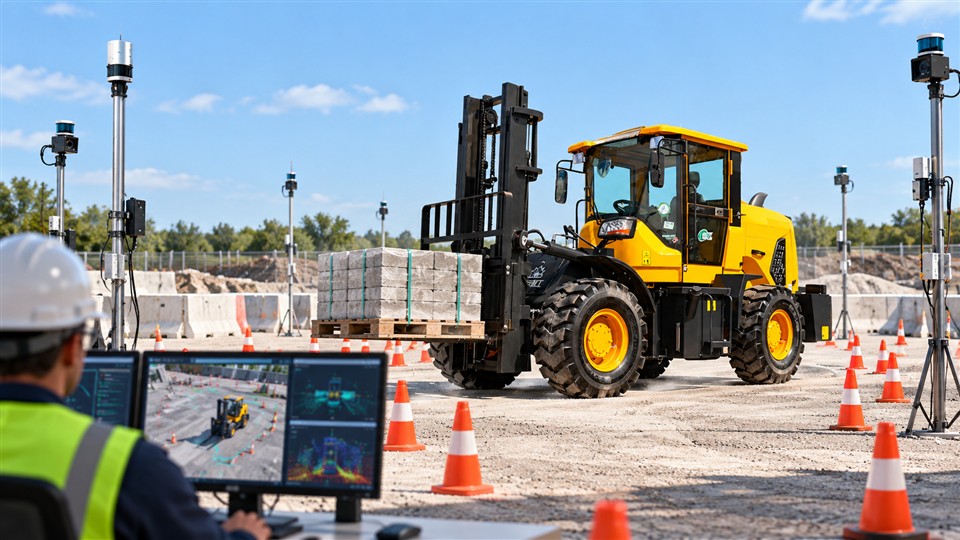
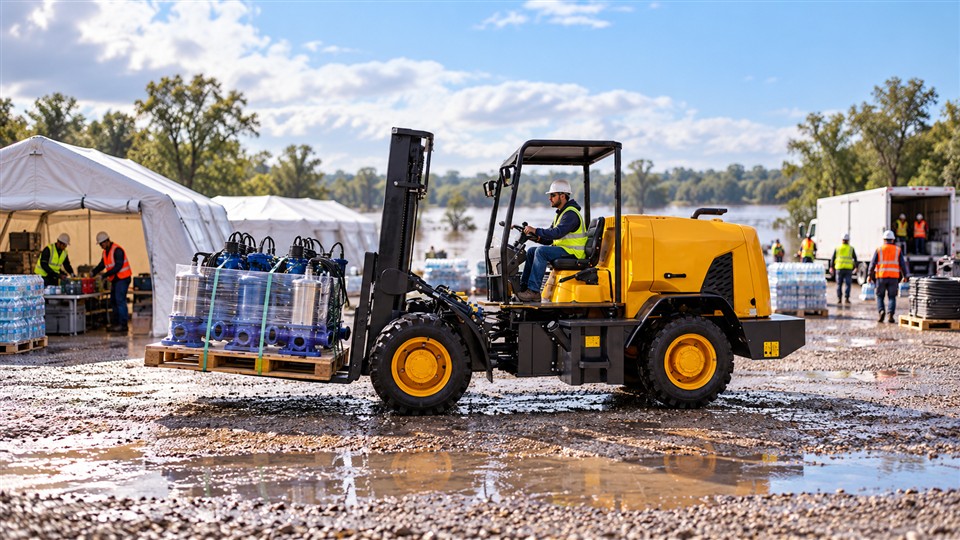
Comprehensive technical analysis of diesel forklift fuel consumption rates by equipment classification, operational factors affecting usage, cost calculations, and optimization strategies for fleet management and material handling operations.
Learn the complete technical procedure for safely shutting down a diesel forklift engine, including critical cool-down periods, turbocharger protection, OSHA compliance requirements, and step-by-step operational guidelines for equipment longevity and workplace safety.
Explore electric forklift weights across capacity classes, from 3,000-lb compact models to 35,000-lb heavy-duty machines. Learn how battery technology, counterbalance physics, and weight distribution impact stability, safety, and operational performance in material handling.
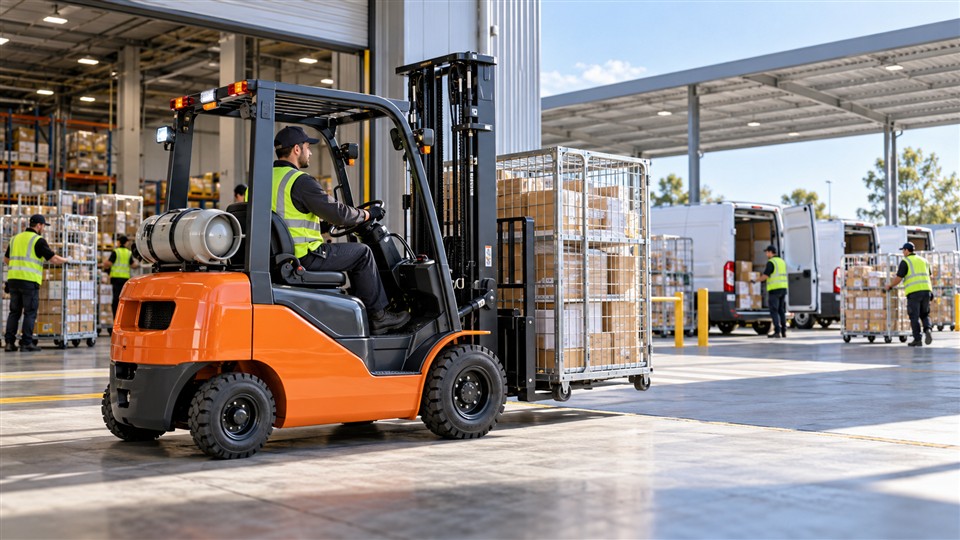
Discover why propane-powered forklifts dominate material handling operations. This technical analysis explores LPG engine advantages, indoor-outdoor versatility, operational economics, emissions compliance, and performance characteristics that make propane the preferred fuel for industrial forklifts.
Complete 2026 guide to electric forklift pricing covering new equipment costs ($20,000-$100,000+), battery technology options, total cost of ownership analysis, financing options, and ROI calculations for warehouse and industrial fleet procurement decisions.
Comprehensive guide to diesel forklift fuel tank capacities covering standard gallon/liter ranges by forklift classification (1.5-10+ tons), manufacturer specifications, fuel consumption rates, and operational planning for efficient material handling fleet management.