vip@mingyuforklift.com
+86-0535-2090977

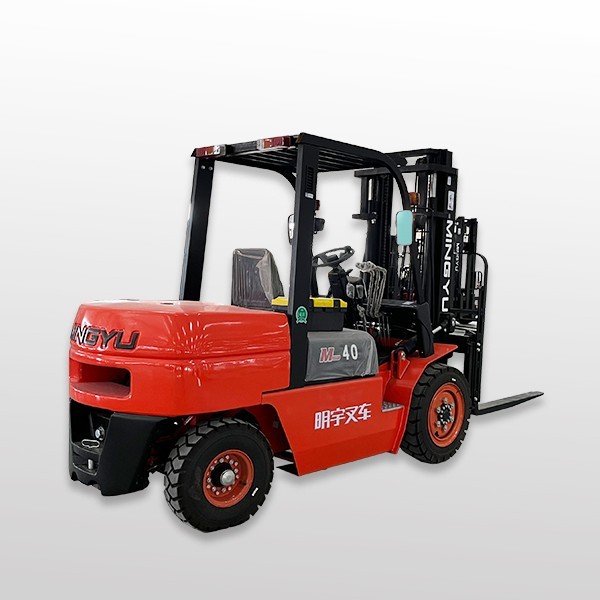
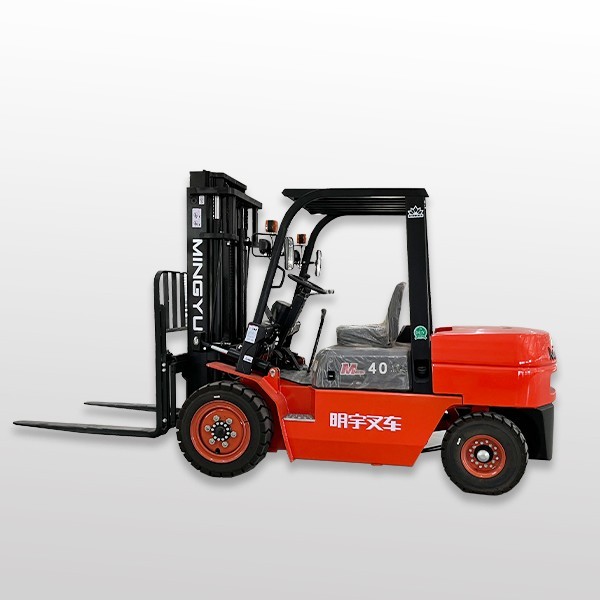
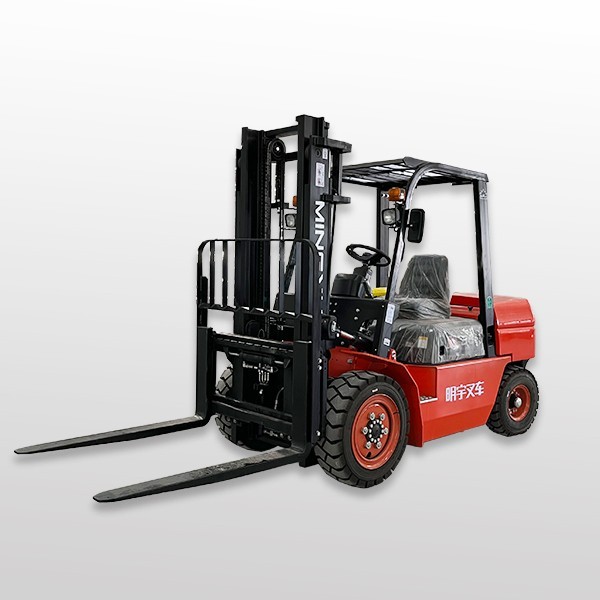
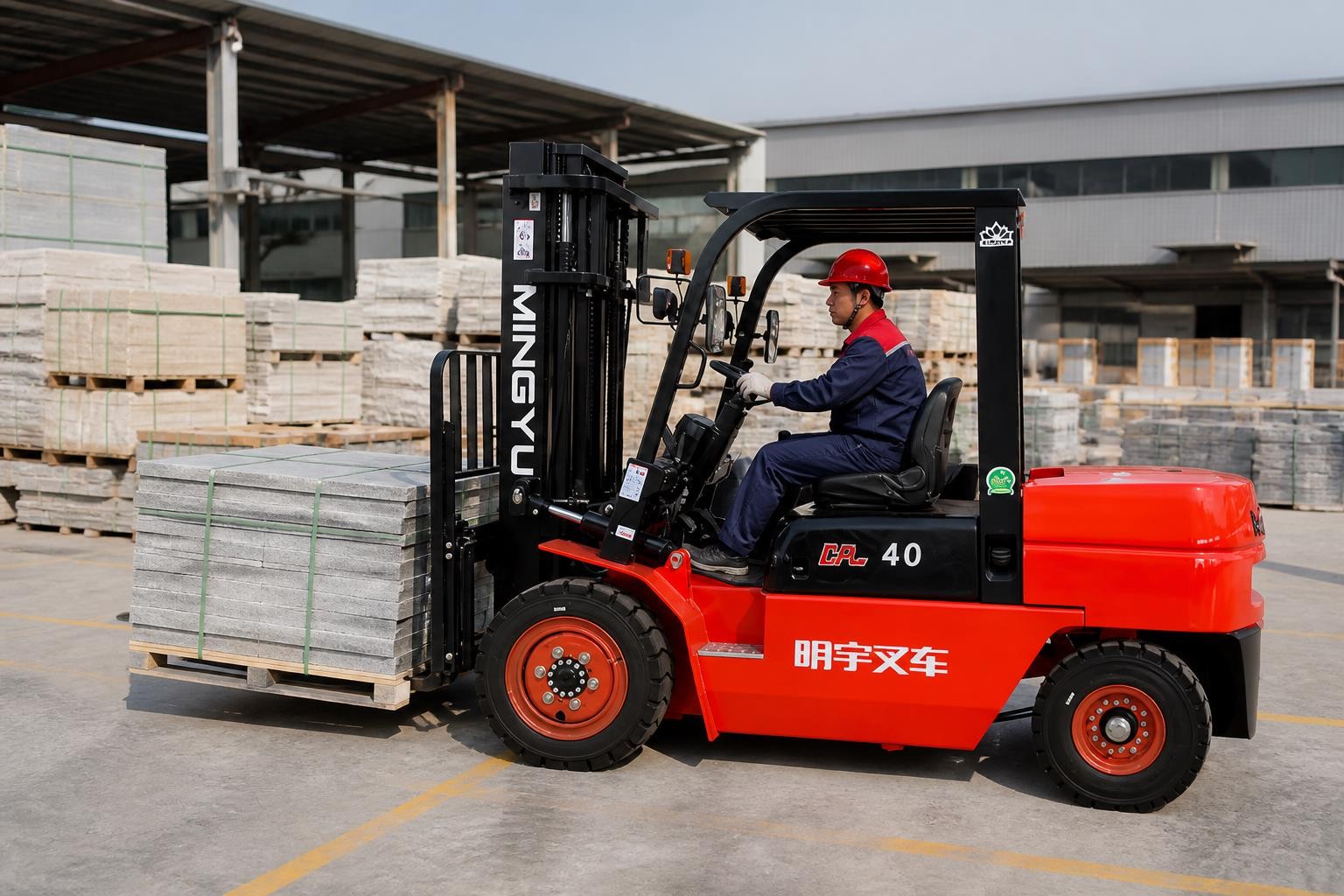
CPCD40K 4.0 Ton Diesel Forklift for Timber, Steel and Outdoor Logistics
The CPCD40K is a nominal 4,000 kg diesel counterbalance forklift configured for buyers who need dependable material handling across timber yards, steel stock areas, building-material depots, production sites and outdoor logistics operations. Rather than presenting a fixed specification as suitable for every job, ZGFORKLIFT / MYZG starts with the load, route, lift height, attachment and working environment. This application-led approach helps a purchaser select a truck that fits the real task while avoiding unnecessary options, undersized residual capacity or expensive changes after delivery.
Shandong Zhuogong Machinery Equipment Co., Ltd. supports equipment selection, export coordination, parts planning and after-sales communication. The CPCD40K page is intended as a practical buying guide for end users, fleet managers, rental companies and forklift dealers. Final engine, mast, tire, fork, attachment and compliance configurations are confirmed against the quotation and destination-market requirements before an order is placed.
Where a 4 ton diesel forklift creates value
In a timber yard, the challenge is not only load weight. Lumber packs can be long, flexible and difficult to center, especially when storage lanes are uneven or exposed to rain. A suitable 4 ton diesel forklift solution considers fork length, carriage width, bundle stability, turning room and the operator's forward view. For frequent long-load handling, the buyer should provide package dimensions and actual center of gravity so the mast and fork arrangement can be reviewed before production.
Steel processors and fabrication workshops often move dies, plate bundles, cast components and finished assemblies whose weight distribution is less predictable than a standard pallet. Here, a strong purchasing process includes verified load drawings, lifting points, aisle width and the intended attachment. Operators should never estimate an off-center load by appearance alone. A capacity check based on the actual load center and lift height is essential for safe, productive handling.
For outdoor logistics, construction supply and container-side staging, rough surfaces, dust, gradients and changing weather influence the choice of tires, cooling package and operator protection. Diesel power is often selected for long outdoor shifts and ready refueling, but the working area must have appropriate ventilation and site controls. Customers comparing power types can review the broader forklift product range and the dedicated diesel forklift category before deciding.
Customer needs translated into a workable configuration
A useful quotation begins with an application profile, not a model name alone. Buyers should identify the heaviest normal load, occasional peak load, load dimensions, horizontal load center, maximum storage height, required free lift, doorway height, aisle width, floor condition, ramp gradient and daily operating hours. These details allow the sales and technical teams to discuss an appropriate mast, forks, tires and optional equipment. The nominal 4,000 kg rating is configuration-dependent; residual capacity normally changes when the lift height increases, the load center moves forward or an attachment adds weight and offset.
Mast choice should balance lift height with lowered height, visibility and stability. A duplex mast may fit many open-yard applications, while a triplex full-free-lift arrangement may be preferred where containers, mezzanines or low doorways are involved. Fork length must support the load correctly without creating avoidable projection. Side shifters and fork positioners can reduce manual adjustment, but their weight and forward offset must be included in the capacity review. Every attachment proposal should be matched to a revised capacity plate and approved operating instructions where required.
Pneumatic-style tires may suit uneven yards, while solid tires may be selected where puncture risk and uptime are priorities. The correct choice depends on surface quality, travel speed, duty cycle and local service capability. Options for lighting, alarms, mirrors, enclosed protection and weather covers should also reflect site risk assessment rather than being added only for appearance. Buyers may compare the CPCD40K with other capacities in All Products and use the forklift FAQ and selection articles to prepare questions for the quotation.
Procurement checklist for fleet managers
First, document the load spectrum instead of reporting only an average pallet weight. Second, measure the narrowest aisle, lowest doorway and steepest ramp on the actual route. Third, state whether the truck will work mainly indoors, outdoors or between both areas. Fourth, list required attachments and any existing fork standards. Fifth, estimate annual operating hours, shift pattern and planned service intervals. Sixth, identify the destination country and the documentation expected by the importer, customs broker or local authority.
A responsible comparison should examine total operating cost as well as purchase price. Consider fuel use under the intended duty cycle, routine filters and fluids, tire life, wear parts, planned downtime, operator training and the availability of service support. Ask suppliers to state what is included in the quoted configuration and which items are optional. Comparing clearly defined configurations protects the buyer from a low headline price that does not include the mast, forks, tires or documentation needed for the real application.
Before dispatch, request confirmation of the ordered model, rated capacity, mast type, lift height, forks, tires, attachment interface, engine configuration and packing method. Documentation should correspond to the specific serial-numbered truck. Photos or inspection records may be agreed as part of the order process when commercially available. Buyers should also confirm the local requirements for unloading, commissioning, operator authorization and periodic inspection.
Safe operation in demanding industries
A 4 ton forklift must be operated by trained and authorized personnel under the rules of the worksite. Daily checks should cover tires, forks, fork locking devices, mast chains and rollers, hydraulic hoses, brakes, steering, horn, lights, seat restraint and warning devices. Any defect affecting safe use should be reported and corrected before the truck returns to service. The operator should keep the load stable and low during travel, slow down before turns, maintain a clear view and use a spotter when the route or load blocks visibility.
Timber and steel loads require particular attention to center of gravity and load restraint. Long bundles should be evenly supported, correctly centered and transported on a route that provides adequate clearance. The operator must not exceed the capacity shown on the truck's data plate and should not rely on the nominal model rating when using a high mast or attachment. Ramps, dock edges, wet surfaces and loose ground require site-specific traffic controls and conservative speed.
Diesel forklifts must be used with appropriate ventilation and emissions controls for the location. Indoor use should be evaluated through the site's occupational-health and ventilation requirements. Never assume that a diesel configuration suitable for one market or worksite is automatically suitable for another. The customer's local risk assessment and applicable regulations remain decisive.
Maintenance planning that protects uptime
Preventive maintenance should follow the manual supplied with the confirmed truck and engine configuration. A practical plan includes daily inspection, scheduled engine-oil and filter service, fuel-system care, cooling-system checks, air-filter cleaning or replacement, battery and electrical inspection, lubrication of mast and steering points, brake checks and hydraulic-leak inspection. Dusty timber yards or abrasive building-material sites may require more frequent attention than clean, light-duty operations.
Forks should be inspected for wear, cracks, bending and locking condition; mast chains should be checked for tension, lubrication and damage. Tire condition and pressure, where applicable, directly affect stability and travel quality. Maintenance records help fleet managers identify recurring problems, schedule parts before failure and calculate real cost per operating hour. Common service items and replacement planning can be discussed through the forklift parts and service business page.
For storage or seasonal fleets, include fuel condition, battery isolation, corrosion prevention and periodic functional checks in the plan. After long transport, commissioning should verify fluid levels, fasteners, tires, mast operation, brakes and safety devices before productive work begins. Only qualified personnel should perform repairs or adjustments affecting lifting, steering, braking or safety systems.
Dealer, rental and export cooperation
Dealers and rental operators often need a repeatable core configuration that covers common applications while keeping parts inventory manageable. A sensible CPCD40K program defines standard mast and tire packages, separates market-specific options and creates a recommended starter list of filters, seals and wear parts. Sales teams benefit from application questionnaires that capture capacity, load center, height and route before promising a model. This reduces avoidable configuration changes and gives end users a clearer handover.
Shandong Zhuogong Machinery Equipment Co., Ltd. can discuss export packing, shipping coordination, documentation and spare-parts preparation for the agreed order. Company information and service scope are available on the About ZGFORKLIFT / MYZG page. References or cooperation examples should be supplied only when they are commercially available and permitted for disclosure; no unnamed project should be treated as proof of a guaranteed result.
CE, EPA or other regulatory requirements depend on the exact engine, complete truck configuration, destination and date of supply. Buyers should state the target market at the enquiry stage and request the applicable documents for the specific quoted unit. ZGFORKLIFT / MYZG does not recommend relying on a generic model-page statement as a substitute for reviewing the order-specific declaration, labels, engine information and import requirements. Local registration, workplace and emissions obligations should be verified by the buyer or importer.
Why choose an application-led 4 ton forklift
The CPCD40K is positioned for operations that have outgrown a lighter truck but still need maneuverability, straightforward diesel refueling and a configuration matched to outdoor work. Its value comes from correct selection: enough residual capacity for the real load, a mast that fits the building, forks that properly support the material, tires suited to the yard and a maintenance plan supported by available parts. This approach is more useful than choosing by rated tonnage alone.
To receive a focused proposal, send the load weight and dimensions, required lift height, load center, aisle and doorway measurements, ground condition, daily hours, attachment requirement and destination country. The team can then review the application and identify the points that must be confirmed before an order. Visit the contact page or email vip@mingyuforklift.com.
Contact ZGFORKLIFT / MYZG
Shandong Zhuogong Machinery Equipment Co., Ltd.
Sales email: vip@mingyuforklift.com
Telephone: +86-0535-2090977
WhatsApp: +86 131 8160 2336
Address: Xiaqiu Town, Laizhou, Yantai City, Shandong Province, China.
Send your application profile for a configuration review and quotation. Please include your destination country so the team can discuss shipping, documentation and service planning without making assumptions about local requirements.
Name: selena
Mobile:+86-13176910558
Tel:+86-0535-2090977
Whatsapp:8613181602336
Email:vip@mingyuforklift.com
Add:Xiaqiu Town, Laizhou, Yantai City, Shandong Province, China