vip@mingyuforklift.com
+86-0535-2090977

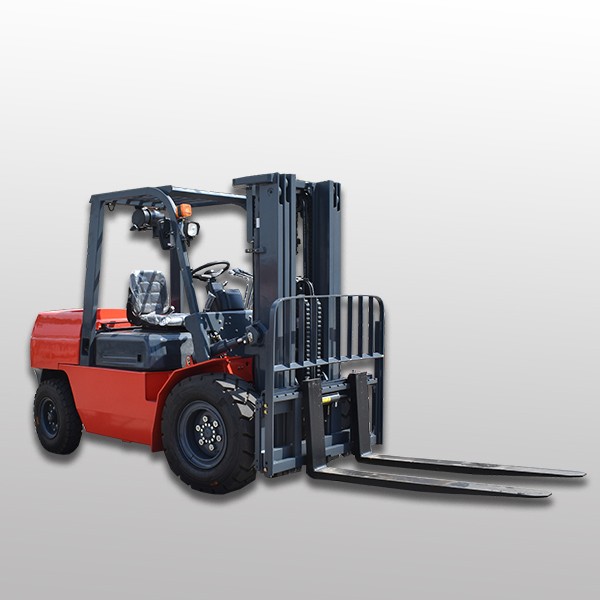
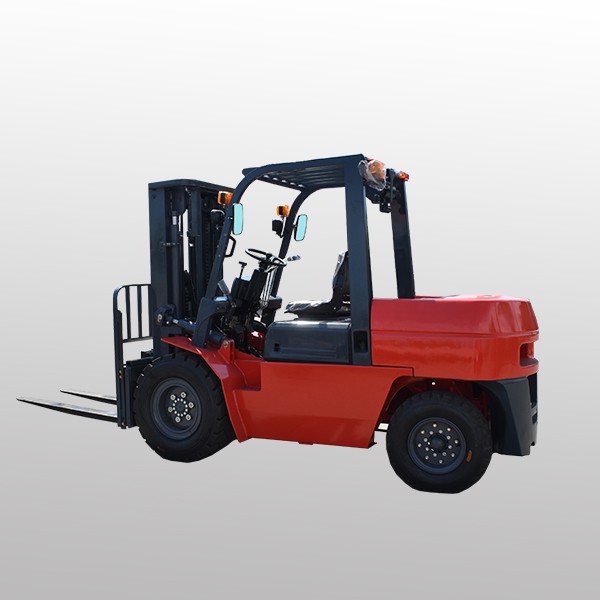
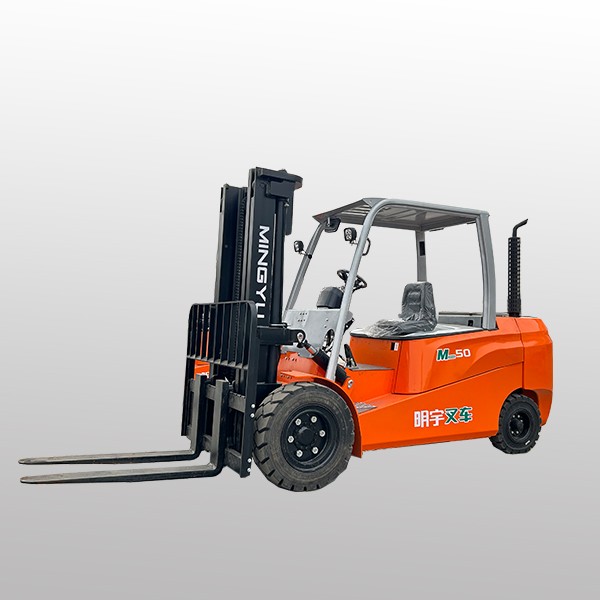
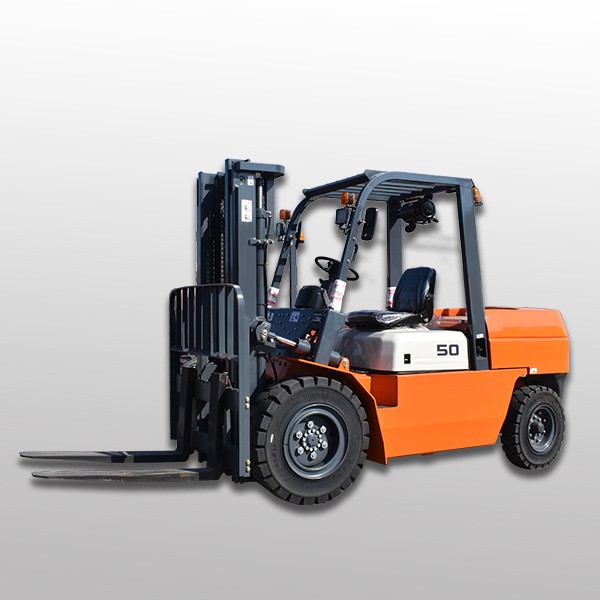
CPCD50K 5.0 Ton Diesel Forklift for Precast Concrete, Steel and Port Logistics
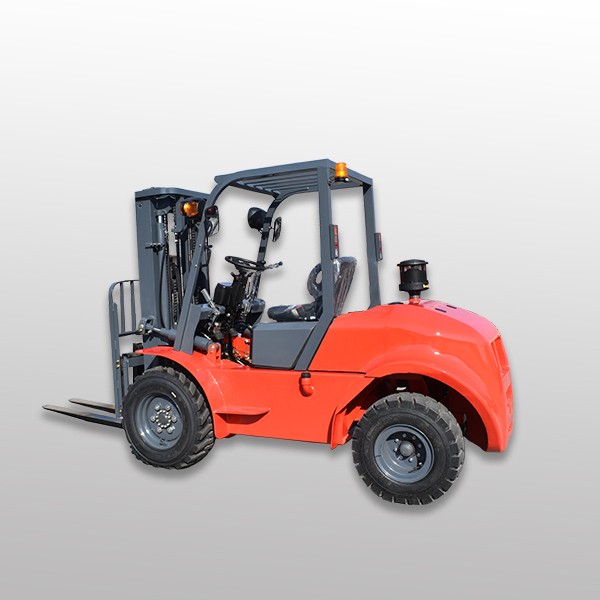
The CPCD50K is a nominal 5,000 kg diesel counterbalance forklift developed for buyers who move dense, heavy or bulky materials in precast concrete yards, steel fabrication plants, building-material depots, port-side logistics zones and industrial production facilities. A 5 ton forklift should not be selected by capacity label alone. ZGFORKLIFT / MYZG begins with the actual load, load center, lift height, route, surface, attachment and duty cycle so that the proposed configuration addresses the customer's working conditions instead of relying on a generic specification.
Shandong Zhuogong Machinery Equipment Co., Ltd. supports application review, configuration communication, export coordination, parts planning and after-sales contact. This page provides a practical procurement framework for end users, fleet managers, rental businesses and forklift distributors. Engine, transmission, mast, forks, tires, attachments and compliance documentation remain configuration-dependent and must be confirmed in the quotation for the destination market.
Applications where a 5 ton diesel forklift fits
Precast concrete and stone operations handle concentrated loads whose dimensions, lifting points and pallet quality vary widely. The buyer should provide the weight and dimensions of slabs, blocks, molds or bundled products, together with the intended lifting method. Fork length, carriage width and load support must match the material. If a clamp, fork extension or special carrier is required, its own weight and forward offset must be included in the residual-capacity calculation before the truck is approved for the task.
Steel service centers and fabrication shops may move plate packs, coils on approved carriers, dies, castings and welded assemblies. These loads are often uneven or have a center of gravity beyond a standard pallet center. A CPCD50K proposal therefore considers load drawings, pick-up points, travel clearance, floor capacity and turning room. Operators must use approved handling methods and must never assume that a nominal 5,000 kg rating applies unchanged to an off-center load or a high lift.
Port, freight and outdoor logistics users may prioritize continuous shift capability, ready refueling and traction on paved yard surfaces. Dust, gradients, weather, drainage channels and travel distance matter significantly in tire and cooling decisions. Diesel power is mainly suited to outdoor or properly ventilated areas and should be evaluated under local workplace and emissions rules. Buyers comparing several power types can review the complete forklift range and the diesel forklift category.
Translate the customer's load into the right configuration
A reliable enquiry includes the heaviest routine load, occasional maximum load, width and length, horizontal center of gravity, required lift height, lowered mast limit, doorway height, aisle width, ramp gradient, floor or yard condition, daily operating hours and shift pattern. These details allow a technical review of the mast, fork dimensions, tires and attachment interface. The nominal 5,000 kg capacity is configuration-dependent. Residual capacity normally decreases as lift height or load center increases, and attachments can further reduce available capacity.
Mast selection should balance height, visibility, free lift and the building envelope. Open yards may use a straightforward mast configuration, while loading inside containers or under canopies may require a low collapsed height or full free lift. Long forks can support deep loads but increase load moment when the center of gravity moves forward. A side shifter or fork positioner can improve productivity, yet its weight and thickness must be considered in the capacity review and reflected on the truck's data plate where required.
Tire selection depends on surface quality, puncture risk, travel distance and desired ride comfort. Pneumatic-style tires can help on imperfect outdoor surfaces, while solid tires may reduce puncture downtime on debris-prone sites. Lighting, mirrors, alarms, operator enclosure and weather protection should follow the site's risk assessment. Buyers can compare other capacity classes through All Products and prepare technical questions using the selection and application FAQ.
5 ton diesel forklift purchasing guide
Begin with measured application data rather than an estimated tonnage. Record the load spectrum, not only the average. Measure the narrowest gate, lowest doorway, tightest turn and steepest ramp along the complete route. Identify the longest load and whether the operator's view will be obstructed. State whether the truck will work outdoors, indoors with an approved ventilation plan, or across both environments. List any clamp, positioner, extension or special fork that must be supplied.
Compare total cost of ownership as well as purchase price. Relevant factors include fuel use under the real duty cycle, engine and hydraulic service intervals, filter and fluid costs, tire life, wear parts, planned downtime, local technician capability and operator training. Ask each supplier to identify the included engine, mast, fork, tire and safety configuration. A low base price is not a meaningful comparison if essential equipment or destination documentation has been excluded.
Before order confirmation, review the product code, nominal and residual capacity information, mast type, lift height, fork dimensions, tire type, attachment, engine configuration, packing method and requested documents. Before dispatch, the serial-numbered machine and order documents should correspond to the agreed configuration. Inspection photos or records can be requested when commercially available and included in the order terms, without implying a guarantee beyond the signed specification.
Operating priorities for heavy and bulky loads
Only trained and authorized operators should use a 5 ton forklift. Daily checks should cover forks and fork locks, mast chains and rollers, hydraulic hoses, tires, wheel condition, brakes, steering, horn, lights, warning devices, seat restraint and visible leaks. A defect affecting safe operation should be reported and corrected before the truck is returned to service. Operators should travel with a stable load at an appropriate height, reduce speed before turns and use a spotter when the load or route obstructs the view.
Dense materials create high load moments even when their dimensions appear compact. The actual center of gravity must be known, and the operator must follow the capacity plate for the installed mast and attachment. Long steel or concrete products should be evenly supported and carried on a controlled route with sufficient clearance. Dock edges, ramps, wet surfaces and loose material demand site-specific traffic controls, conservative speed and separation from pedestrians.
Diesel exhaust must be managed according to the operating location. Outdoor work does not remove the need for safe traffic and emissions practices, while indoor work requires a specific assessment of ventilation and applicable occupational limits. The customer or importer should confirm local operator licensing, inspection, registration and environmental responsibilities rather than assuming that requirements are identical across markets.
Preventive maintenance and uptime planning
Maintenance should follow the manuals supplied for the confirmed truck and engine. A preventive program generally includes daily inspection, scheduled engine-oil and filter service, fuel-system care, cooling-system checks, air-filter attention, battery and electrical inspection, mast and steering lubrication, brake checks and hydraulic-leak inspection. Concrete dust, steel scale and dirty yard conditions may justify shorter inspection or cleaning intervals than light-duty work.
Forks should be inspected for heel wear, cracks, bending, height difference and locking condition. Mast chains, rollers and hoses require regular inspection by qualified personnel. Tire condition affects stability, braking and operator comfort. Service records help managers identify recurring faults, plan downtime and compare cost per productive hour. Buyers can review common attachments and parts planning on the forklift attachment and parts page.
After long-distance shipping, commissioning should include fluid-level, fastener, tire, mast, brake, steering and safety-device checks before productive work begins. Seasonal or standby machines need a storage plan covering fuel condition, battery care, corrosion protection and periodic functional checks. Repairs that affect lifting, braking, steering, stability or safety systems should be performed only by appropriately qualified personnel.
Dealer, rental and export support
Forklift dealers and rental fleets benefit from a repeatable base specification supported by a focused parts list. A practical CPCD50K program can define standard mast and tire packages for common customers while separating attachments and destination-specific options. Application questionnaires should capture load center, height, route and duty cycle before a salesperson commits to a model. This improves quotation quality, supports more consistent handover and reduces avoidable changes after delivery.
Shandong Zhuogong Machinery Equipment Co., Ltd. can discuss export packing, shipment coordination, spare-parts preparation and after-sales communication for the agreed order. Company background and service scope are available on the ZGFORKLIFT / MYZG company page. Cooperation examples or references should be shared only when they are commercially available and permitted for disclosure; no unnamed project, customer result or performance figure is invented on this page.
CE, EPA and other regulatory requirements depend on the exact engine, completed truck, destination and date of supply. Buyers should identify the target country at the enquiry stage and request the applicable documents for the specific quoted configuration. A general website statement is not a substitute for checking the order-specific declaration, labels, engine information and import rules. Availability of certification or emissions documentation must be confirmed before the order is finalized.
Build a proposal around the real job
The CPCD50K is intended for customers who need a meaningful step up in load capacity for heavy industrial handling while retaining the familiar operation and quick refueling of a diesel counterbalance truck. Its value depends on selection discipline: sufficient residual capacity, a mast that fits the facility, forks or attachments that support the load, tires suited to the surface and a service plan supported by available parts.
For a focused proposal, send the load weight and dimensions, center of gravity, required height, aisle and doorway measurements, surface condition, gradients, daily hours, attachment needs and destination country. The ZGFORKLIFT / MYZG team can then identify configuration points that require confirmation. Visit the contact page or email vip@mingyuforklift.com.
Contact ZGFORKLIFT / MYZG
Shandong Zhuogong Machinery Equipment Co., Ltd.
Sales email: vip@mingyuforklift.com
Telephone: +86-0535-2090977
WhatsApp: +86 131 8160 2336
Address: Xiaqiu Town, Laizhou, Yantai City, Shandong Province, China.
Send the application profile and destination market for configuration review, quotation, shipping coordination and documentation discussion. Final specifications and commercial terms are confirmed in the signed order.
Name: selena
Mobile:+86-13176910558
Tel:+86-0535-2090977
Whatsapp:8613181602336
Email:vip@mingyuforklift.com
Add:Xiaqiu Town, Laizhou, Yantai City, Shandong Province, China