vip@mingyuforklift.com
+86-0535-2090977

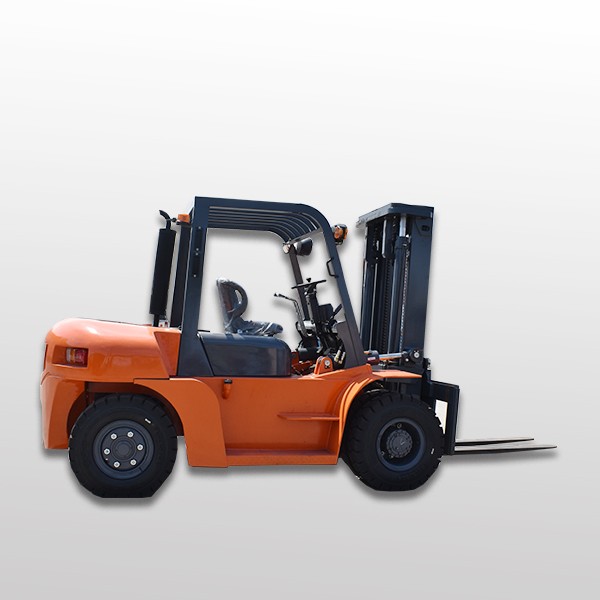
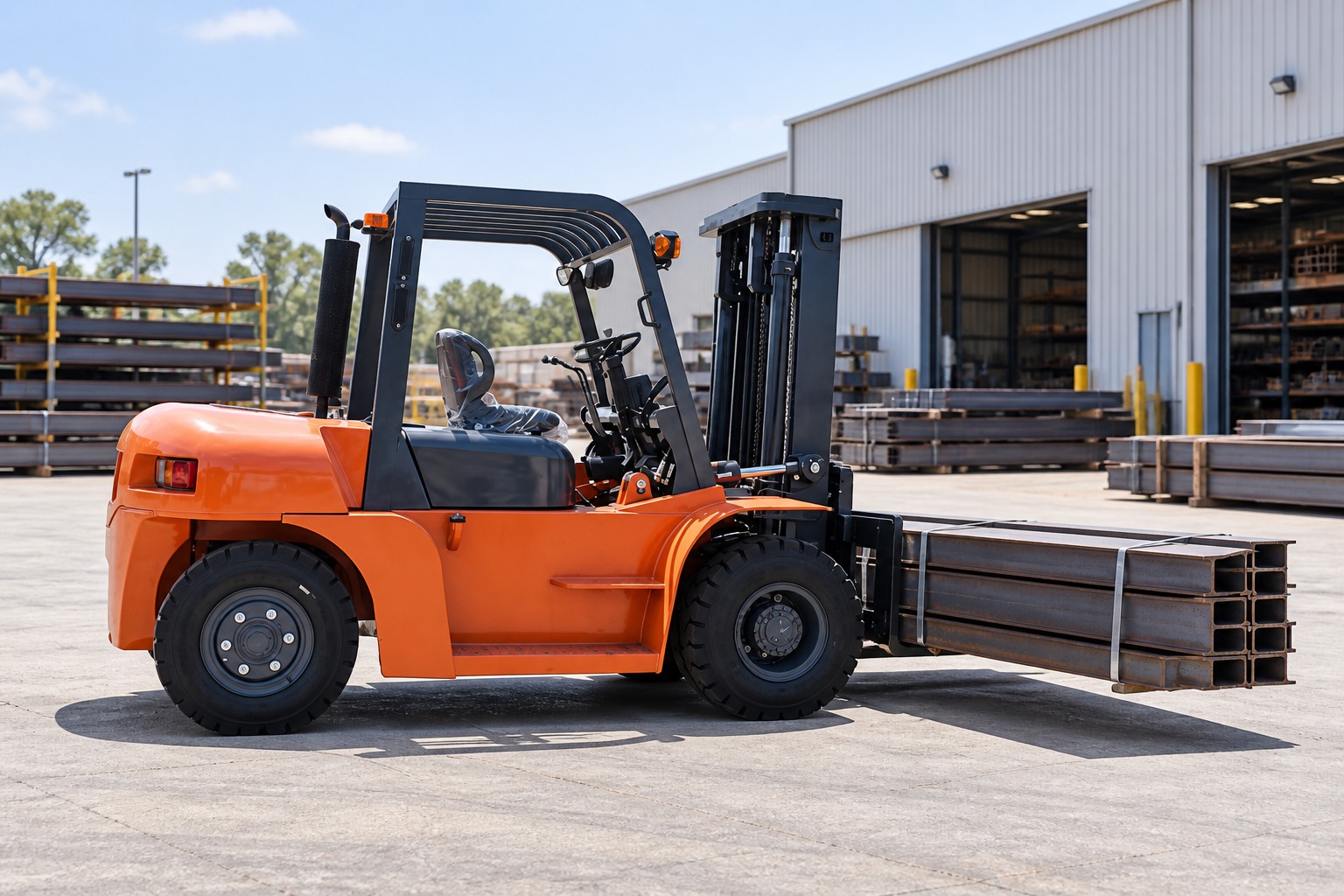
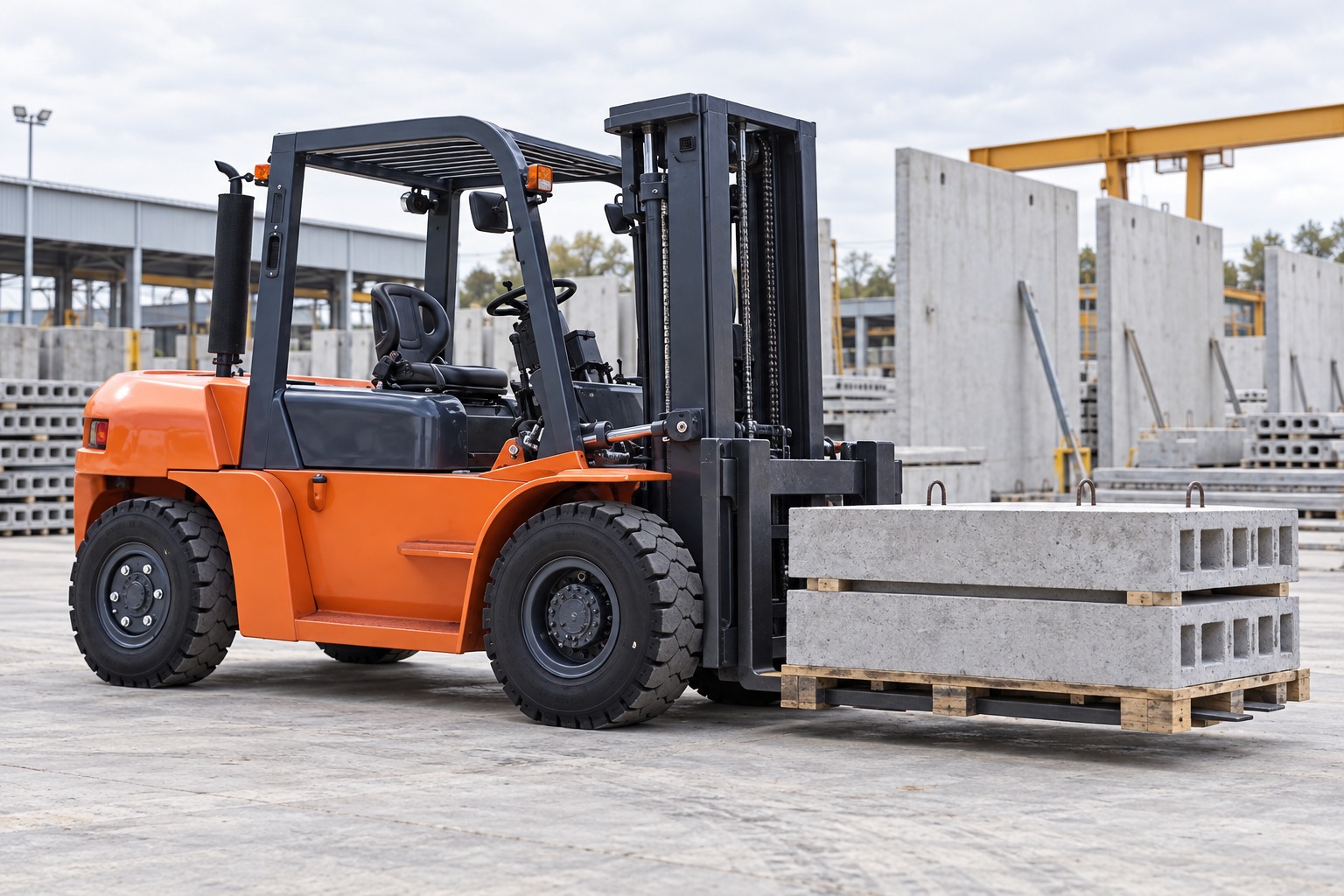
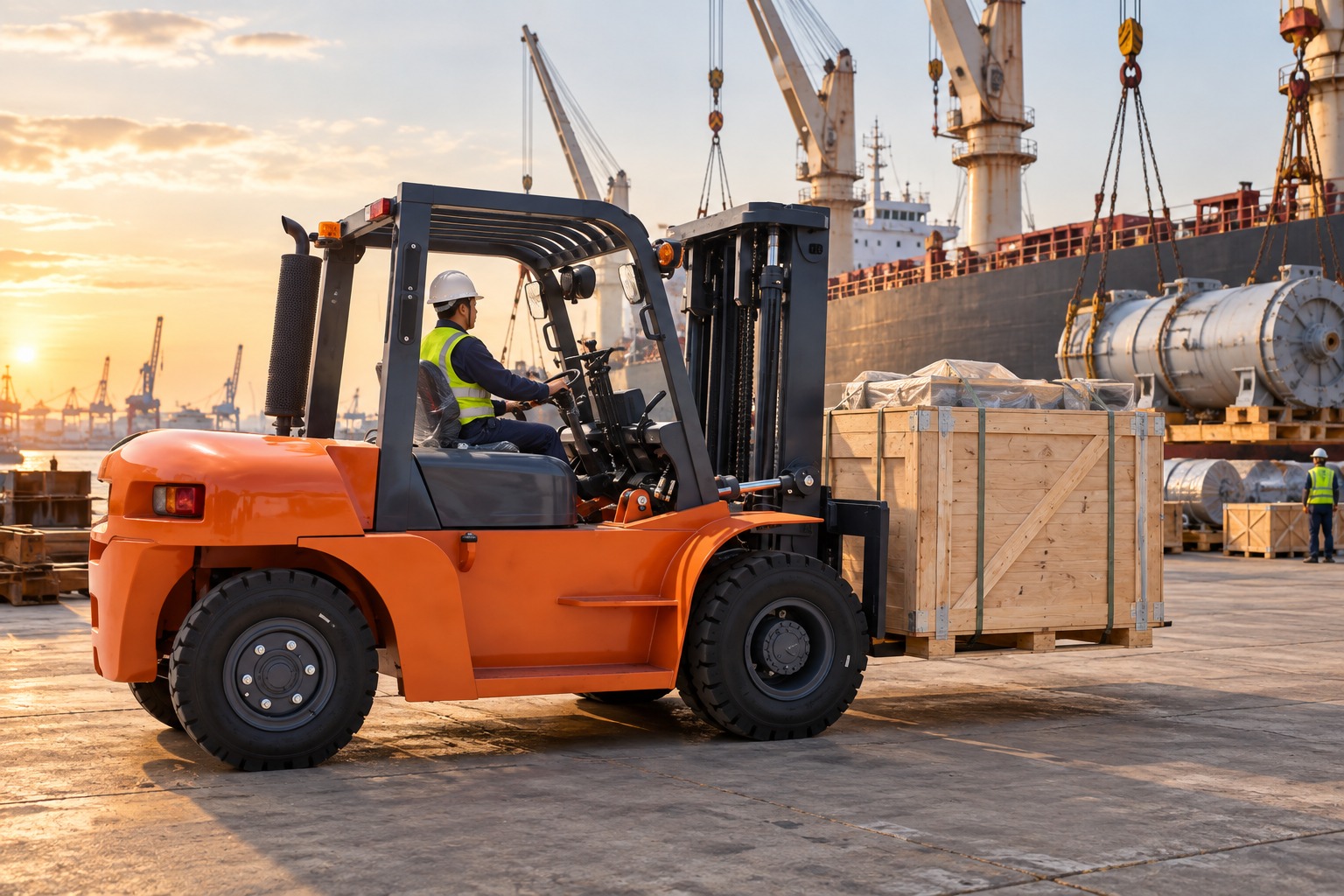
CPCD70K 7 Ton Diesel Forklift for Foundries and Metal Casting Logistics
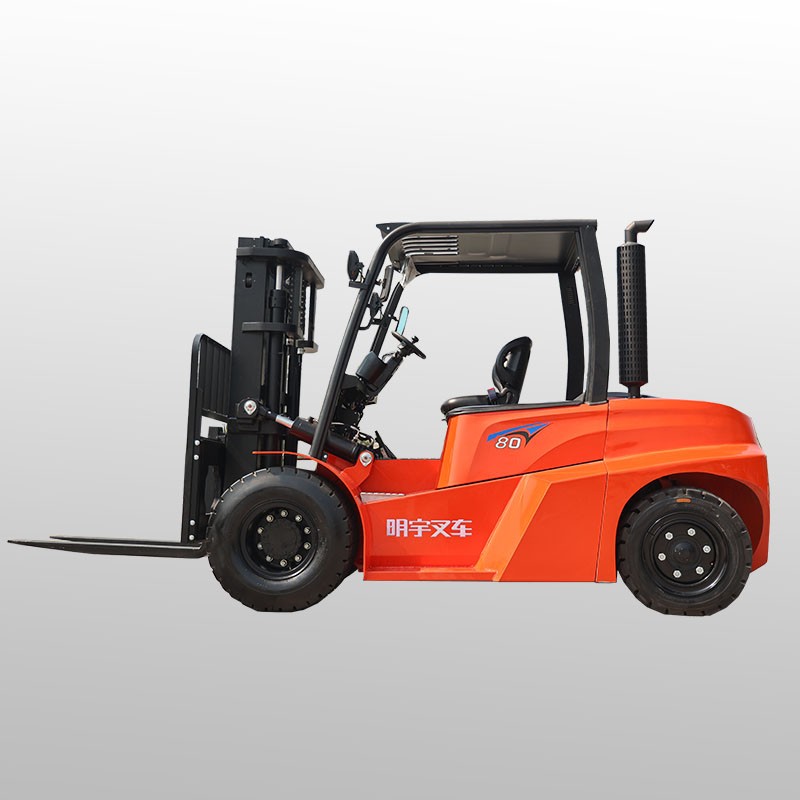
The ZGFORKLIFT / MYZG CPCD70K is planned around one practical purchasing question: how can a foundry move dense castings, molds, core boxes and alloy inputs reliably when a standard warehouse truck no longer provides enough capacity margin? This 7 ton diesel forklift is intended for outdoor and semi-outdoor material handling in foundries, metal-casting plants, pattern shops, heat-treatment facilities and finished-casting dispatch yards. Its nominal 7,000 kg capacity identifies the truck class, but every buyer should confirm the real residual capacity at the required lift height, load center and attachment configuration before placing an order.
Instead of treating capacity as a single number, the CPC70 should evaluate the complete duty move profile. Long steel bundles, molds, machinery parts, concrete products and crated equipment place different forces on the mast and forks. Load length changes the effective load center, while side shifters, fork positioners, clamps or extended forks can reduce available capacity. Shandong Zhuogong Machinery Equipment Co., Ltd. therefore recommends an application review based on actual load drawings, weight distribution, aisle width, ground condition, duty cycle and local regulatory requirements.
In a steel yard, the customer usually needs controlled travel with long or concentrated loads, good visibility through the mast and dependable traction on paved outdoor surfaces. The solution is not simply a larger counterweight. Fork length, fork section, load backrest, tire choice and the way bundles are secured must be matched to the material. Review the wider diesel forklift range when comparing capacity classes, and select the smallest truck that still provides a safe operating margin for the heaviest regular load.
Foundry operations face dense, abrasive and sometimes irregular products, while routes can include joints, dust, sand and changing surface conditions. The CPCD70K can be configured for this environment after the buyer verifies pallet or lifting-point geometry, casting temperature limits, load center, travel route and handling frequency. A site survey should document slopes, drainage channels, overhead clearance, pedestrian segregation and turning space. The goal is repeatable handling with stable load support, not occasional lifting at the edge of the capacity chart. Hot-metal or high-temperature work requires a separate engineering review and cannot be assumed from the standard truck description.
Metal-casting logistics often requires movement between molding, cleaning, inspection, machining and dispatch zones. Diesel power can suit intensive outdoor duty where refueling availability and long shifts are priorities. Buyers should separate ordinary forklift movements from ladle, molten-metal or engineered lifting work: the CPCD70K is a counterbalance forklift, not a specialized hot-metal carrier. Castings, molds, dies and palletized alloy inputs should be assessed individually, with approved forks or attachments and operating procedures for each load family.
A useful quotation begins with evidence. Provide the maximum and typical load weight, load dimensions, center of gravity, required lift height, daily operating hours, maximum slope, aisle width, door height, ambient temperature and surface description. Photos or drawings of the load help the supplier identify whether standard forks are suitable. Buyers can compare other available equipment through the complete product catalog, while the All Products directory supports cross-checking related capacity and power options.
Engine, transmission, mast, tire and attachment availability can vary by destination and production configuration. The final technical agreement should list the selected engine package, rated and residual capacity, load center, mast type, lift height, lowered mast height, overall dimensions, fork specification, tire type, braking arrangement, lighting, operator protection and documentation package. Do not assume that a specification shown for one configuration automatically applies to another.
For CE- or EPA-regulated destinations, ask the sales team to confirm in writing whether the selected machine and engine configuration can be supplied with the documentation required for that market. Compliance availability is destination- and configuration-dependent. ZGFORKLIFT / MYZG does not advise customers to rely on a general marketing statement as proof of certification. Importers should verify the applicable rules, label format, engine emissions requirements and document language before shipment.
1. Start with the load center. A 7,000 kg rating applies only under the conditions stated on the capacity plate. If the load is longer, taller, offset or handled with an attachment, request a revised capacity calculation. For unusually shaped loads, provide a drawing and center-of-gravity information.
2. Match the mast to the building. Required lift height, free lift and closed mast height affect both productivity and access. A mast that reaches the rack but cannot pass through the door is not a workable selection. Confirm overhead guards, lighting, pipes and mezzanine clearance.
3. Choose tires for the route. Pneumatic, solid or application-specific tires have different ride, puncture and traction characteristics. The correct choice depends on surface quality, debris risk, travel distance and maintenance capability rather than price alone.
4. Specify attachments carefully. Fork positioners can improve changeover efficiency, while longer forks may be useful for large loads, but every attachment adds weight and changes the load center. Review compatible options and service parts through the parts and attachment support page.
5. Calculate total cost of ownership. Include fuel, planned maintenance, tires, filters, fluids, wear parts, operator training, downtime risk and local technician access. A lower purchase price does not compensate for the wrong capacity, unsuitable engine support or unavailable parts.
For steel distribution, map the travel path and create load-specific fork spacing rules. For precast plants, protect tires and undercarriage components from sharp debris and control dust around cooling systems. For heavy manufacturing, coordinate forklift capacity with machine delivery weights and dock ratings. For ports and freight terminals, distinguish routine pallet handling from unusual project cargo and require a lift plan for nonstandard loads. For timber operations, consider load stability, surface condition and any purpose-designed attachment needed for the material.
Indoor use of a diesel forklift requires particular attention to ventilation, emissions exposure and local rules. A diesel machine should not be selected for an enclosed area merely because it can lift the load. Compare electric or LPG alternatives where indoor air quality, noise or operating restrictions make them more appropriate. The forklift FAQ and service guidance can help purchasing teams structure their questions before requesting a formal configuration review.
Heavy-duty forklifts reward disciplined maintenance. Before each shift, inspect forks, fork locking pins, carriage, mast channels, chains, hoses, tires, wheel fasteners, lights, alarms, seat restraint and visible leaks. Record hour-meter readings and defects so that small issues are corrected before they become downtime. The operator should never attempt to straighten damaged forks or bypass a safety device.
Preventive maintenance intervals must follow the supplied manual and the selected engine maker’s instructions. Dusty steel, concrete and timber environments may require more frequent attention to the air intake and cooling system. Keep radiator surfaces clean, monitor fluid quality, check chain wear and lubrication, and examine mast rollers under the actual duty cycle. Use correct replacement parts and document service history for fleet resale, warranty communication and safety management.
Fuel efficiency depends on far more than rated engine power. Excessive idling, aggressive acceleration, low tire pressure, blocked cooling systems, unsuitable routes and chronic use of an oversized truck can all increase operating cost. Measure fuel consumption against productive operating hours and tons moved, then use the result for operator coaching and route improvement. Avoid publishing a promised fuel figure unless it has been tested under the customer’s own load and duty conditions.
Export buyers need more than a machine specification. Confirm packaging method, shipping dimensions, destination-port requirements, spare-parts package, manuals, maintenance schedule and the process for remote technical support. Before shipment, request photos or records of the agreed inspection points. The supplier should also identify consumables and critical wear parts that the customer can stock locally.
Shandong Zhuogong Machinery Equipment Co., Ltd. supports international purchasing discussions through application review, configuration confirmation, shipment coordination and after-sales communication. Specific warranty terms, response scope, technician availability and parts lead times should be written into the commercial agreement. Buyers seeking company background can review the company information page. Relevant cooperation references may be requested where disclosure is permitted, but no unnamed case should be treated as a guarantee of identical performance.
For dealers, a 7 ton diesel forklift expands the offer beyond common warehouse capacities and can serve steel, construction-material, equipment-rental and port-logistics customers. A responsible distributor should build a local process for site surveys, capacity-chart explanations, operator handover and planned maintenance. Stock filters, seals, hoses, wear parts and commonly requested fork options according to the installed fleet rather than relying only on machine sales.
Dealer quotations should avoid one-size-fits-all claims. Separate the base truck from engine, mast, tire, cab and attachment options, and record the assumptions behind residual-capacity calculations. This makes comparisons clearer and protects the end user from receiving an unsuitable configuration. Service training, parts forecasting and lead management are as important as initial pricing for sustainable distributor growth.
Send your load weight and dimensions, lift height, load center, working width, ground conditions, daily hours, preferred engine support and destination country. The team can then discuss whether CPCD70K is the right capacity class and which options require confirmation. Use the contact page or email vip@mingyuforklift.com.
Contact: Shandong Zhuogong Machinery Equipment Co., Ltd.
Phone: +86-0535-2090977
Mobile: +86-13176910558
WhatsApp: +86-13181602336
Email: vip@mingyuforklift.com
Address: Xiaqiu Town, Laizhou, Yantai City, Shandong Province, China
Search terms naturally associated with this application include 7 ton diesel forklift, CPCD70K heavy duty forklift, steel handling forklift, precast concrete forklift, port logistics forklift, outdoor industrial forklift, export diesel forklift, large-capacity counterbalance forklift, forklift buying guide and heavy equipment material handling.
Name: selena
Mobile:+86-13176910558
Tel:+86-0535-2090977
Whatsapp:8613181602336
Email:vip@mingyuforklift.com
Add:Xiaqiu Town, Laizhou, Yantai City, Shandong Province, China