
vip@mingyuforklift.com
+86-0535-2090977

HTML Meta Description: Learn how electric stackers support traceable cold-chain fulfillment in 2026, from temperature transitions and battery planning to aisle design, sanitation and uptime.
Keywords: cold chain warehouse,electric pallet stacker,temperature controlled fulfillment,cold storage equipment,traceable logistics,narrow aisle handling,battery performance,ZGFORKLIFT,MYZG,cold chain automation
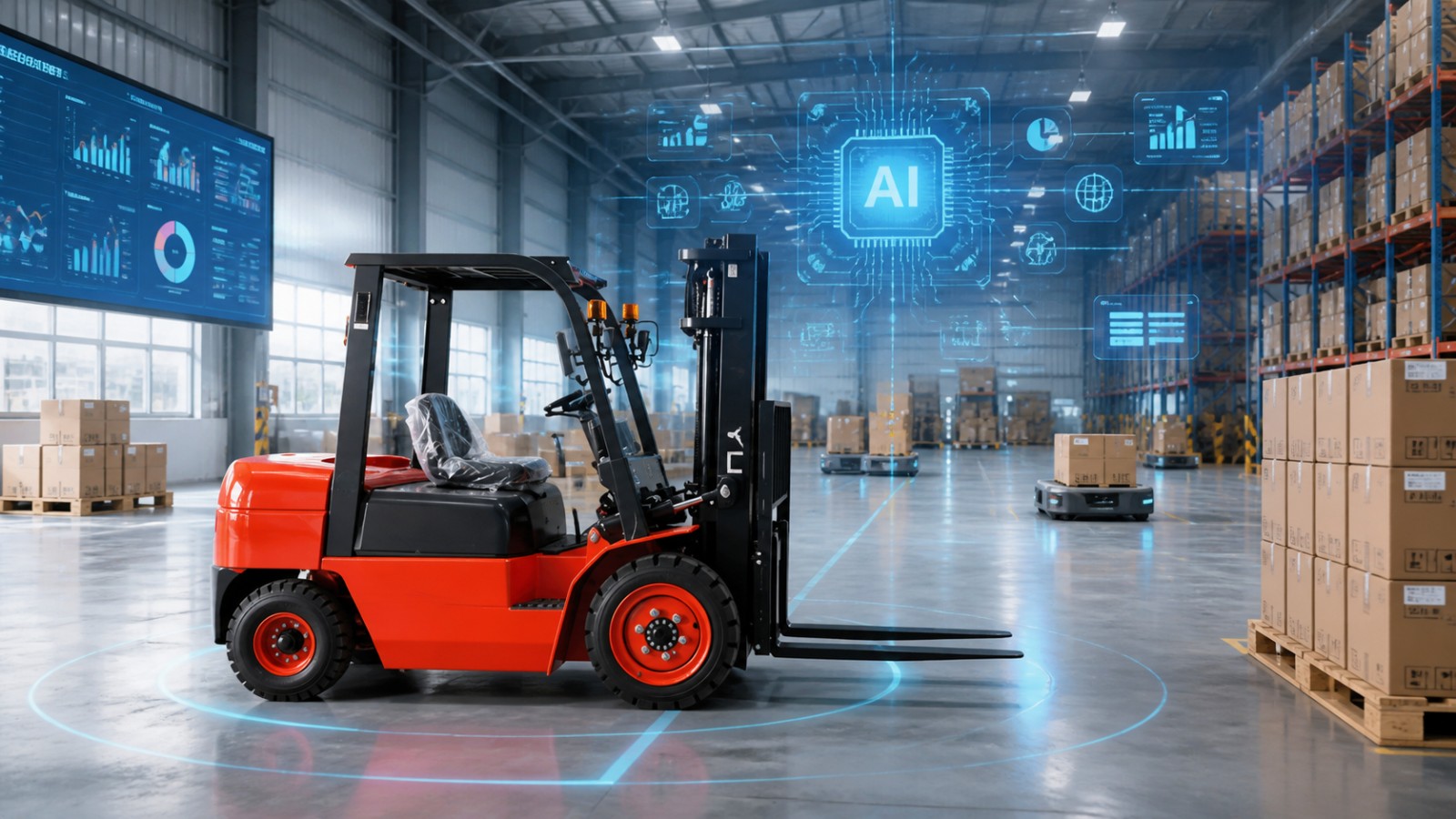
Cold-chain operators in 2026 are under pressure to improve data visibility while protecting product quality through every handoff. Grocery, pharmaceutical and food-service networks want faster fulfillment, but a faster move has little value if doors remain open too long, pallets wait in transition zones or handling damage compromises packaging. Compact electric stackers are increasingly relevant because they can support precise vertical movement in constrained rooms without the local exhaust of an internal-combustion truck.
The operational design should start with temperature zones rather than equipment labels. Receiving, inspection, quarantine, chilled storage, frozen storage and dispatch each create different travel distances and dwell risks. A ZGFORKLIFT or MYZG stacker should be matched to the coldest operating point, the required lift height, the pallet type and the gradient between zones. Battery capacity must be assessed at the real temperature because cold conditions can reduce available energy and change charging behavior.
For a practical starting point, review the CDDG electric pallet stacker. Product data should be checked against the real pallet, attachment, route and local safety requirements rather than used as a substitute for a site assessment.
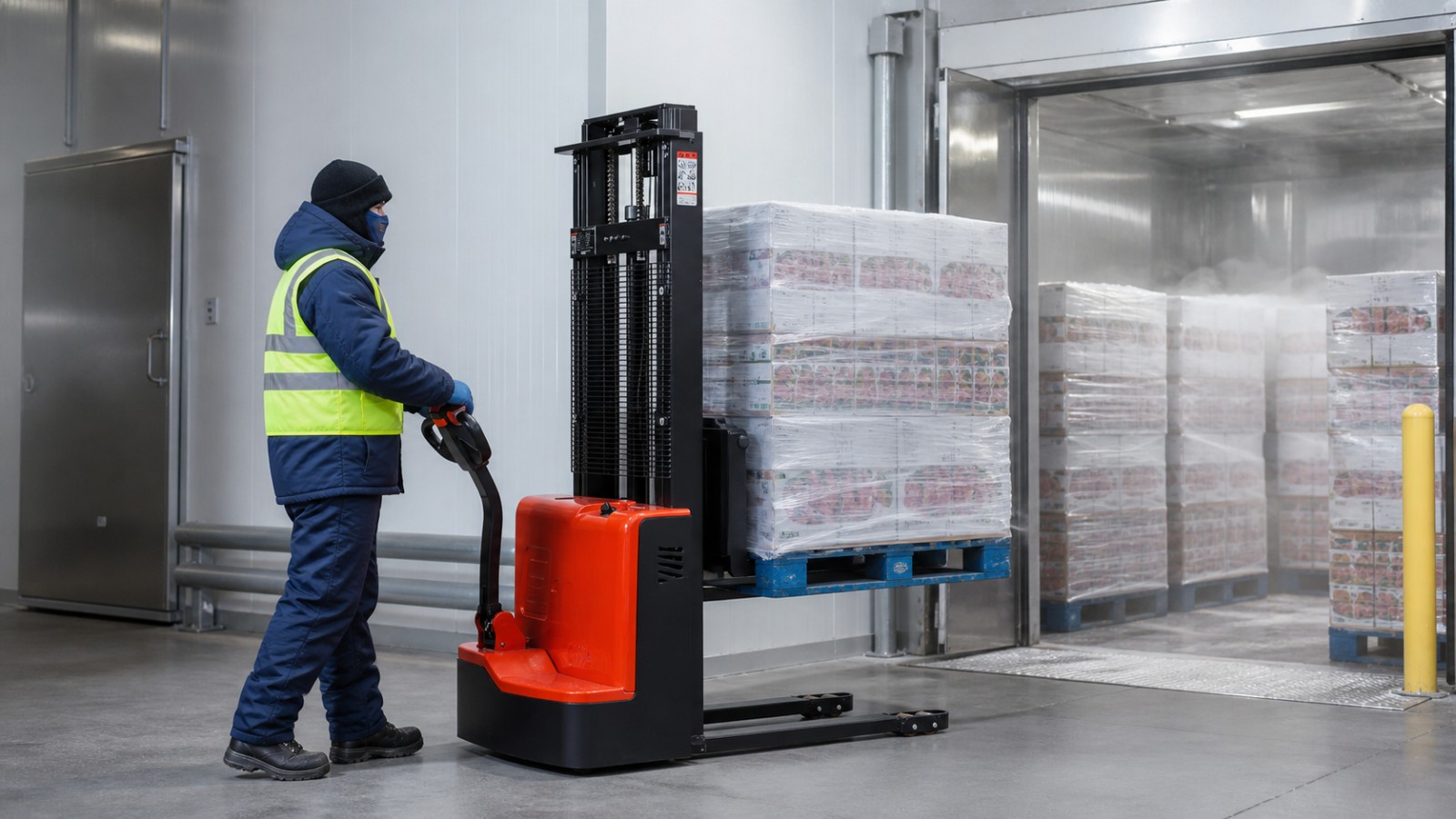
Traceability also depends on disciplined human steps. Operators should scan or confirm the pallet identity before movement, use defined staging locations, and report packaging or frost conditions that affect stability. Digital records can connect the movement to a batch and temperature history, but they do not replace visual inspection. Wheels, brakes, connectors, mast channels and hydraulic components need cleaning and inspection routines suited to condensation and repeated temperature transitions.
A practical pilot measures door-open time, moves per hour, damage, battery state at shift end and time lost to congestion. It should run across a representative peak period, not only a quiet demonstration. Managers can then adjust slotting, travel lanes and charging windows before scaling. The resulting specification is based on evidence: capacity, residual capacity at height, turning radius, battery reserve, sanitation compatibility and service access.
A second configuration worth comparing is the SBD semi-electric pallet stacker. Comparing alternatives against one written duty profile makes differences in maneuverability, capacity, energy, access and serviceability easier to evaluate.
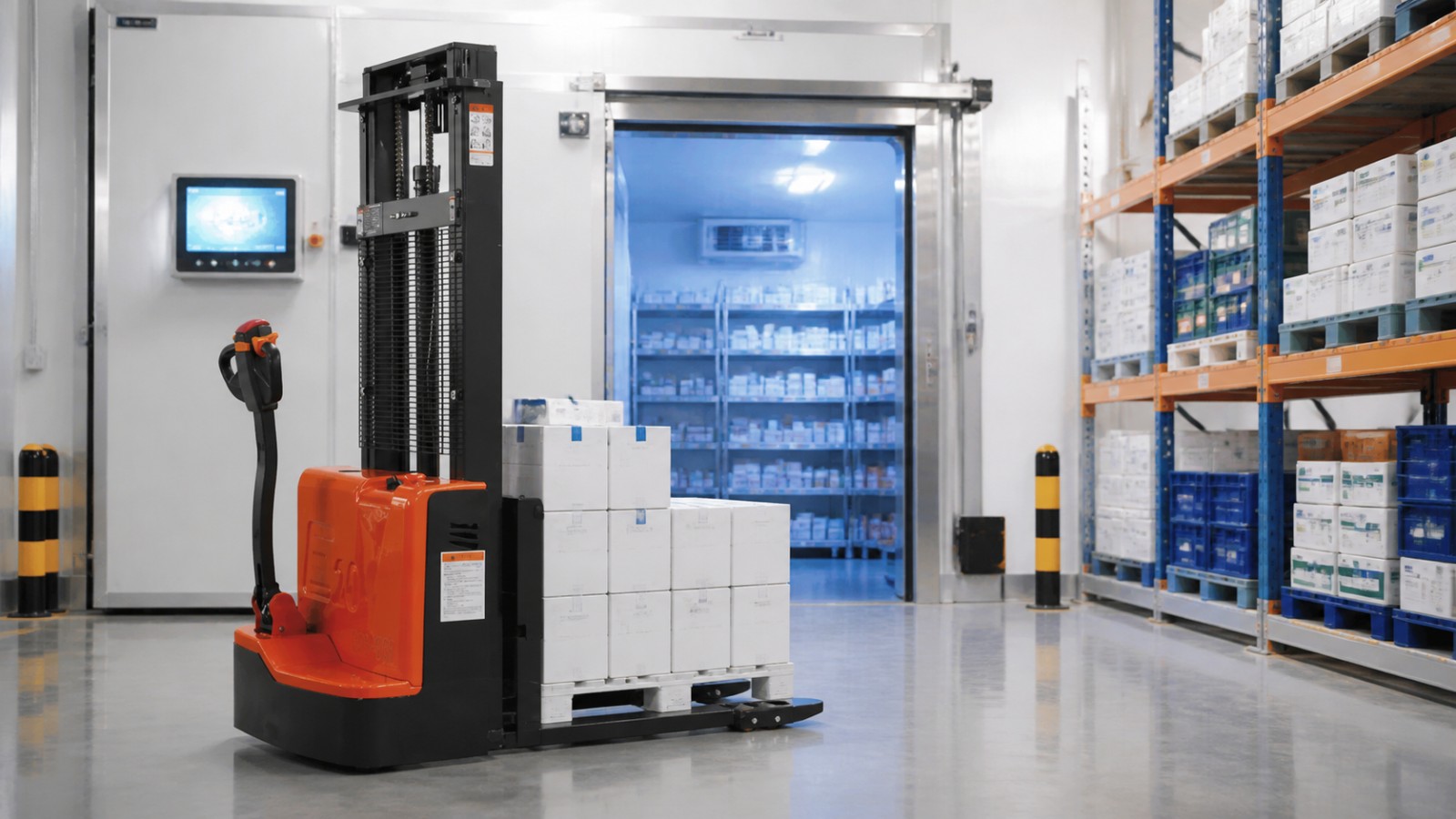
A useful specification separates mandatory requirements from optional features. Mandatory items include rated and residual capacity, lift height, dimensions, turning space, tires, brakes, stability, environmental suitability, operator protection and local compliance. Optional items can include lighting, cameras, telematics and customized attachments. This order prevents an attractive technology package from hiding a mismatch in the basic machine. Shandong Zhuogong Machinery equipment Co.,Ltd recommends confirming the actual load and site information before final configuration.
Total cost should be reviewed across acquisition, energy or fuel, scheduled service, wear parts, tires, batteries where applicable, operator time and downtime risk. Ask how quickly routine components can be inspected and replaced, what documentation is supplied and how warranty support works in the destination market. A lower initial price can become expensive if the truck spends critical shifts waiting for a small component. ZGFORKLIFT and MYZG buyers should build a preventive-maintenance calendar before commissioning.
For another validated product-page reference, see the MYCQDA electric reach stacker. This third option helps the project team compare operating envelopes instead of assuming one machine format fits every task.
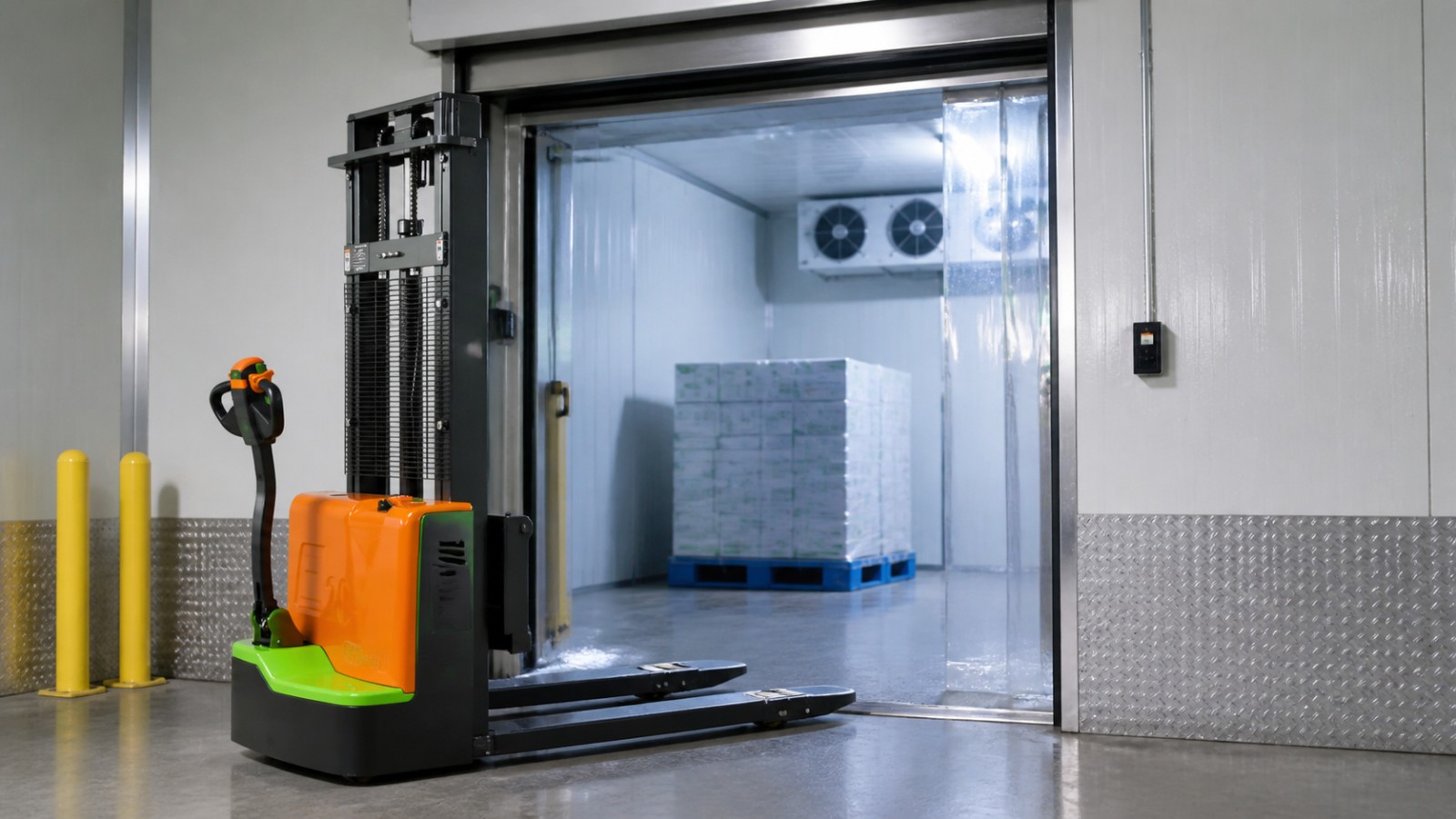
Commissioning should include an acceptance test with representative loads and routes. Verify fork entry, mast clearance, turning, grade performance, braking, visibility and stability at the required height. Record baseline condition, serial information and maintenance intervals. Operators need model-specific familiarization as well as site authorization. Supervisors should explain traffic rules, parking, key control, charging or refueling, defect reporting and the exact conditions that require the truck to be removed from service.
The improvement cycle continues after launch. Review utilization, delays, impacts, defects, energy use and maintenance findings at a consistent interval. Investigate the process around an event instead of blaming only the operator: congestion, poor slotting, damaged pallets, unrealistic schedules and unclear right-of-way rules often contribute. Small layout changes and better standard work can deliver more value than adding capacity. Data should support a conversation with operators, technicians and planners, not replace it.
For a duty-matched ZGFORKLIFT / MYZG recommendation, send the load weight and dimensions, lift height, aisle width, floor or terrain condition, daily operating hours and destination market. Website: www.vavforklift.com
Email: vip@mingyuforklift.com
Tel: +86-0535-2090977 WhatsApp: +86 131 8160 2336
Address: Xiaqiu Town, Laizhou, Yantai City, Shandong Province, China.
Published: September 1, 2026. Always follow the manufacturer instructions and applicable local regulations. Specifications and site conditions should be verified before purchase or operation.
Name: selena
Mobile:+86-13176910558
Tel:+86-0535-2090977
Whatsapp:8613181602336
Email:vip@mingyuforklift.com
Add:Xiaqiu Town, Laizhou, Yantai City, Shandong Province, China
