
vip@mingyuforklift.com
+86-0535-2090977

1. Introduction: Why Acquisition Cost Is More Than a Price Tag
The enterprise shift from IC to electric: regulatory pressure, ESG mandates, and operational efficiency
Defining electric forklift acquisition cost beyond the invoice: CapEx, infrastructure, and lifecycle economics
What readers will learn: a complete financial framework for budgeting and procurement decisions
2. Forklift Capital Expenditure: The Upfront Investment
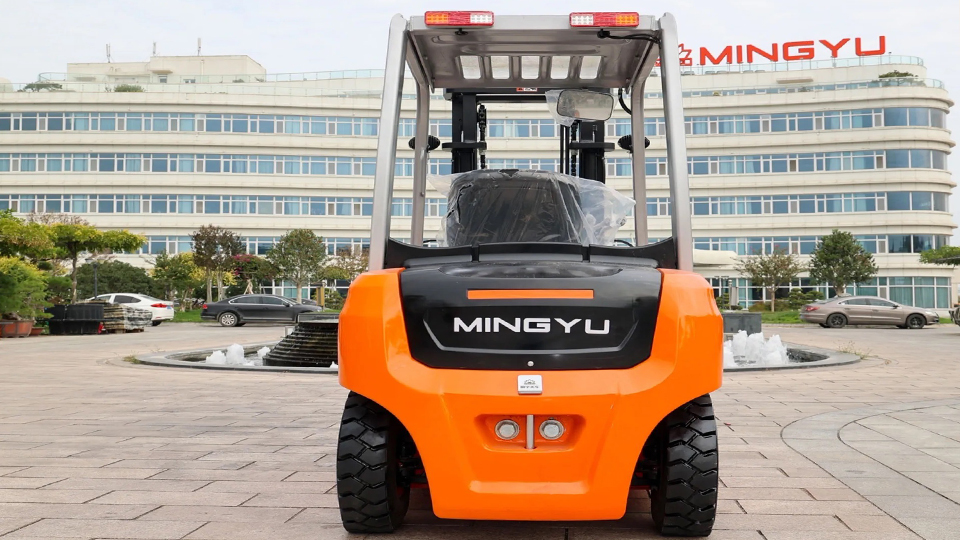
New equipment pricing by class
Light-duty electric counterbalance (3,000–4,000 lb): $18,000–$32,000
Standard warehouse models (4,000–6,000 lb): $28,000–$55,000
Heavy-duty electric (6,000–12,000 lb+): $50,000–$100,000+
Narrow-aisle specialty units (reach trucks, order pickers): $30,000–$70,000
Used and refurbished acquisitions: 35–60% savings through certified pre-owned programs
Volume purchasing: how forklift fleet acquisition strategies unlock enterprise-level discounts
Brand tier analysis: premium OEMs (Toyota, Crown, Jungheinrich) vs. value-tier manufacturers
3. Electric Forklift Hidden Costs: Beyond the Sticker Price
Battery and charging infrastructure: lead-acid systems vs. lithium ion forklift investment; charger and installation costs ($2,000–$25,000)
Site preparation: electrical panel upgrades, charging bay design, ventilation requirements
Delivery, rigging, and commissioning: freight logistics, unloading, calibration, and initial testing
Operator training and OSHA compliance: certification programs and safety onboarding
Insurance and risk management: commercial coverage adjustments for electric fleets
Technology integration: telematics hardware, fleet management software licensing, and data onboarding
4. Forklift Financing Options: Structuring the Acquisition
Cash purchase: depreciation benefits, Section 179 deductions, and bonus depreciation rules
Equipment financing loans: typical 3–7 year terms, interest rate ranges (5–10%), and down payment structures
Operating leases: $450–$1,300/month; full-service leases vs. net lease arrangements
Capital leases: ownership transfer at term end and balance sheet implications
Rent-to-own and short-term rental: low-risk trial strategies before full commitment
How warehouse equipment procurement teams evaluate NPV and IRR across financing models
5. Electric Forklift TCO: The Real Cost of Ownership
Energy economics: cost per operating hour comparing electricity to propane/diesel equivalents
Maintenance differential: 30–40% lower service costs than IC units (no engine oil, filters, or exhaust systems)
Battery lifecycle math: lead-acid replacement every 3–5 years vs. lithium-ion lifespan of 8–12 years
Downtime and productivity: charging schedules, opportunity charging, and battery swapping logistics
Residual value and secondary markets: trade-in credits and disposal pathways
5-year TCO case study: enterprise electric material handling equipment cost analysis for a mid-range 5,000 lb unit
6. Strategic Procurement Considerations for 2026
Lithium-ion market maturation and its impact on acquisition timing
Supply chain lead times: pre-ordering strategies and inventory availability
Clean energy tax incentives, green procurement grants, and emissions compliance rebates
OEM support networks: parts availability, warranty terms, and service territory coverage
Matching specifications to actual duty cycles: avoiding over-specification in industrial forklift purchase guide planning
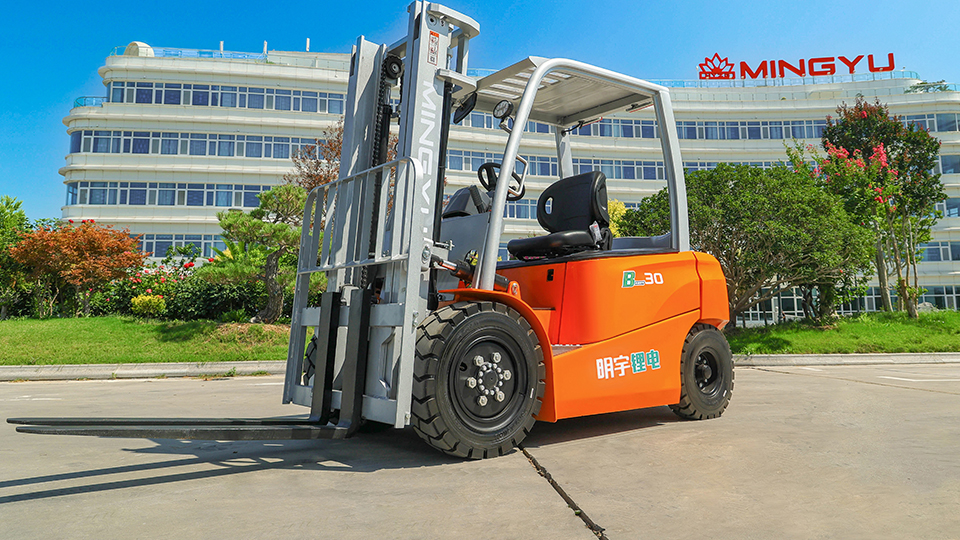
7. Conclusion: Building a Defensible Acquisition Budget
Electric forklift acquisition cost ranges from $18,000 to $100,000+ per unit before infrastructure
Smart procurement teams budget for TCO, not just CapEx
Final checklist for finance and operations stakeholders
Name: selena
Mobile:+86-13176910558
Tel:+86-0535-2090977
Whatsapp:8613181602336
Email:vip@mingyuforklift.com
Add:Xiaqiu Town, Laizhou, Yantai City, Shandong Province, China
