
vip@mingyuforklift.com
+86-0535-2090977

1. Introduction: Reading the Market in 2026
Why electric forklift pricing is more volatile than other industrial equipment
Post-pandemic stabilization vs. new pressures: raw materials, battery demand, and tariff shifts
Methodology: how market prices are sourced (OEM MSRP, dealer quotes, auction data, fleet transactions)
What this article delivers: current price benchmarks, not historical averages
2. 2026 Market Price Benchmarks by Equipment Class
Class I: Electric Counterbalance Trucks
3,000 lb capacity: $19,000–$32,000 (new); $9,000–$18,000 (used)
5,000 lb capacity: $32,000–$52,000 (new); $16,000–$30,000 (used)
8,000–10,000 lb capacity: $65,000–$105,000 (new)
Class II: Narrow Aisle & Specialty
Reach trucks: $38,000–$68,000
Order pickers: $28,000–$48,000
Turret trucks: $85,000–$140,000+
Class III: Pallet Movers & Stackers
Walkie pallet jacks: $5,500–$13,000
Rider pallet trucks: $12,000–$22,000
Walkie stackers: $10,000–$25,000
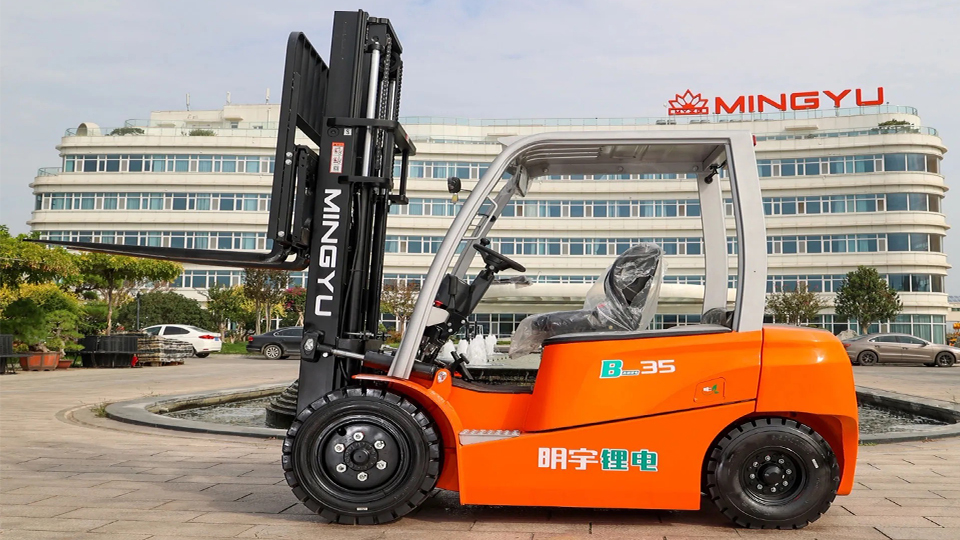
Price deltas: lithium-ion equipped models command 20–40% premiums over lead-acid equivalents
3. Brand Tier Analysis: What the Market Is Charging
Premium tier (Toyota, Crown, Jungheinrich, Linde): 15–25% above market median; justification through warranty and residual value
Mid-market tier (Hyster-Yale, Mitsubishi, Clark): competitive pricing at median benchmarks
Value tier (Hangcha, EP Equipment, Noblelift): 20–35% below premium; growing market share in North America and Europe
Emerging players: Chinese and Indian OEMs disrupting pricing; quality perception vs. cost advantage
Dealer network impact: authorized dealer premiums vs. gray-market imports
4. Market Forces Shaping Prices in 2026
Battery commodity cycles: lithium carbonate and cobalt price fluctuations affecting OEM costs
Steel and aluminum input costs: chassis and mast material pricing
Semiconductor and controller availability: lead times normalizing but premium electronics still constrained
Regional price variations: North American vs. European vs. Asian market pricing (tariffs, shipping, local assembly)
Rental fleet saturation: off-lease units flooding the used market and compressing resale values
Government incentives: clean energy rebates effectively lowering net market prices in eligible regions
5. Transaction Types and Price Realities
Retail/dealer transactions: sticker prices vs. negotiated out-the-door costs
Fleet and enterprise contracts: volume discounts, 10–20% below retail for 5+ unit orders
Auction and liquidation pricing: 40–70% below retail for used equipment; condition risk factors
Online marketplaces and brokers: price transparency trends; buyer beware on gray-market units
Lease buyout pricing: residual value calculations and fair market value options
6. Forecast: Where Prices Are Heading
Lithium-ion cost curve: approaching price parity with lead-acid by 2027–2028
Automation premium: autonomous and semi-autonomous electric forklifts entering the market at 50–100% markups
Consolidation among OEMs: potential pricing power concentration
Used market outlook: oversupply of 3–5 year old units as early electrification fleets turn over
7. Conclusion: Navigating the Current Market
Summary table of 2026 price benchmarks by class
Key takeaway: current market prices span $5,500 to $140,000+ depending on specification and brand
Actionable advice: timing purchases, negotiating leverage points, and verifying total delivered cost
Name: selena
Mobile:+86-13176910558
Tel:+86-0535-2090977
Whatsapp:8613181602336
Email:vip@mingyuforklift.com
Add:Xiaqiu Town, Laizhou, Yantai City, Shandong Province, China
