
vip@mingyuforklift.com
+86-0535-2090977

Introduction
Lithium-ion battery technology has fundamentally transformed the electric forklift landscape, delivering longer runtimes, faster opportunity charging, and reduced maintenance compared to legacy lead-acid systems. However, the shift to lithium power has introduced new maintenance paradigms that differ significantly from traditional electric forklift care protocols. While lithium batteries eliminate watering schedules, acid spills, and equalization charges, they introduce dependencies on thermal management systems, battery management electronics, and precise charging protocols that demand disciplined daily attention.
Industry data indicates that over 60% of lithium electric forklift breakdowns stem from preventable maintenance oversights rather than component failures. Thermal management system blockages, connector corrosion, firmware anomalies, and improper charging habits collectively account for more downtime than battery cell degradation or motor failures. The daily maintenance routine for a lithium electric forklift represents the single most cost-effective intervention available to fleet operators seeking to maximize equipment availability and extend asset life.
This article presents a comprehensive daily maintenance checklist structured around the critical subsystems of lithium electric forklifts. Each checklist item includes the technical rationale, observable warning signs, and corrective actions necessary to prevent the minor anomalies that cascade into major failures. The framework is designed for integration into standard pre-shift and post-shift inspection protocols, requiring minimal additional time while delivering substantial reliability improvements.
Pre-Shift Visual and Structural Inspection
Exterior Condition Assessment
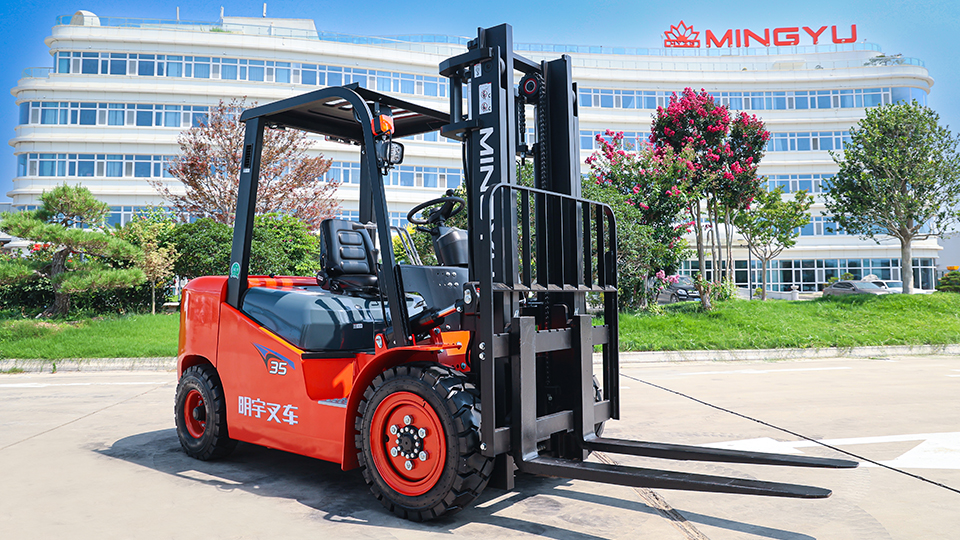
Begin each shift with a systematic walk-around inspection of the forklift exterior. Examine the counterweight, overhead guard, and chassis for cracks, deformation, or impact damage sustained during previous operations. Lithium electric forklifts distribute battery mass differently than lead-acid equivalents, often concentrating weight in compact battery packs mounted low in the chassis. This concentration improves stability but means that structural damage to the battery enclosure or mounting points can create immediate safety hazards.
Inspect the battery compartment enclosure specifically. Check for cracks in the housing, loose fasteners, or signs of moisture ingress. Lithium battery enclosures must maintain IP ratings to protect management electronics from dust and water. Even minor enclosure breaches can allow condensation to reach circuit boards, triggering corrosion or short circuits that manifest as intermittent fault codes or sudden power loss. Verify that ventilation grilles—critical for thermal management airflow—remain unobstructed by debris, product packaging, or ice accumulation in cold storage applications.
Examine tires for cuts, chunking, or embedded foreign objects. While tire condition affects all forklifts equally, lithium electric forklifts often operate at higher duty cycles due to opportunity charging capabilities, accelerating tire wear. Underinflated pneumatic tires increase rolling resistance, forcing drive motors to draw higher current and generating additional battery thermal load that strains cooling systems.
Mast and Fork Inspection
Raise the mast to full height and inspect lift chains for damaged links, excessive wear, or inadequate lubrication. Lithium electric forklifts frequently employ high-lift masts in narrow-aisle applications where battery weight distribution affects mast stability. Worn chains create uneven loading that amplifies stress on hydraulic cylinders and carriage bearings. Check chain anchor points for looseness or elongation, and verify that chain tension remains uniform across all chains.
Inspect fork heels and tips for cracks or deformation. Bent forks alter load centers, causing uneven weight distribution that triggers stability control interventions and increases motor current draw. Verify that fork positioning mechanisms operate smoothly without binding, as hydraulic sluggishness may indicate fluid contamination or cold-temperature thickening that requires fluid specification review.
Examine hydraulic cylinders and hoses for leaks, abrasion, or ballooning. Hydraulic fluid leaks on lithium battery enclosures create fire risks if fluid contacts high-voltage terminals. Any hydraulic leak detected during inspection warrants immediate equipment quarantine until corrective action is completed.
Battery System Daily Verification
State of Charge and Charge Cycle Review
Verify the battery state of charge (SOC) indicator before commencing operations. Lithium batteries tolerate deep discharge better than lead-acid alternatives, but consistent operation below 20% SOC accelerates cell degradation and increases internal resistance. More critically, deep discharge followed by high-current opportunity charging generates thermal stress that compounds over time. Record the starting SOC in the daily log to identify operators who routinely begin shifts with depleted batteries, indicating either insufficient overnight charging or excessive previous-shift utilization.
Review the previous charge cycle data if accessible through the forklift display or fleet management system. Lithium battery management systems (BMS) log charge duration, peak temperature, and any anomalies such as cell balancing events or thermal throttling. A charge cycle that terminated prematurely due to high temperature suggests cooling system degradation requiring investigation before the next charge event.
Connector and Cable Inspection
Inspect all high-voltage connectors for discoloration, melting, or corrosion. Lithium forklift charging connectors carry substantial current during opportunity charging, and any increase in contact resistance generates localized heating that propagates connector degradation. Check that connector housings lock securely and that retaining clips or levers engage fully. Loose connectors arc under load, creating progressive damage that culminates in complete connector failure or thermal events.
Examine charging cable insulation for cuts, abrasions, or kinking. Damaged insulation exposes conductors to moisture and mechanical stress, creating short-circuit risks. Cable routing must avoid pinch points where mast movement or door closure could compress conductors. In cold storage applications, verify that cable jackets remain flexible without cracking, as rigid cables transmit stress to connector terminations.
Thermal Management System Check
For lithium forklifts equipped with active thermal management—liquid cooling, refrigerant-based systems, or forced-air cooling—verify coolant levels, fan operation, and airflow paths. Liquid-cooled systems require daily coolant level verification against marked reservoirs. Low coolant levels indicate leaks in the cooling loop or evaporation through faulty reservoir caps. Check coolant color; contamination with oil or debris suggests heat exchanger breaches or internal corrosion.
Forced-air cooling systems depend on intake and exhaust pathways that accumulate dust, product debris, and grease in warehouse environments. Clean air intake filters daily using compressed air or replacement filters. Blocked airflow reduces cooling efficiency, causing the BMS to throttle discharge current during peak demand periods—manifesting as unexpected power reduction during heavy lifting or acceleration.
In cold storage applications, verify that battery heating systems activate appropriately when battery temperatures fall below operational thresholds. A failed pre-heating system may allow operators to commence operations with cold batteries, triggering lithium plating during regenerative braking or opportunity charging that permanently reduces capacity.
Electrical System Daily Protocols
Controller and Inverter Housing Inspection
Open electrical enclosures daily to inspect for moisture accumulation, rodent intrusion, or foreign object debris. While this step requires only minutes, it prevents the condensation-related failures that dominate electrical system breakdown statistics. Look for water droplets, corrosion on terminal blocks, or discoloration of printed circuit boards. Any moisture presence indicates enclosure seal degradation or improper closure after previous maintenance.
Verify that inverter cooling fans operate freely without obstruction or abnormal noise. Inverter thermal management directly impacts available motor power; an overheating inverter reduces output current to protect semiconductor junctions, effectively derating forklift performance. Check that heat sink fins remain clean and undamaged, as bent fins restrict convective heat transfer.
Lighting and Indicator Function
Test all operational lights—headlights, taillights, brake lights, and warning strobes—for proper function. LED lighting systems in lithium forklifts often integrate with the CAN bus network, and lighting failures may indicate broader network communication issues. Verify that dashboard displays show correct information without error codes, flickering, or garbled characters. Display anomalies suggest voltage regulation problems or BMS communication faults that require diagnostic attention.
Test the horn and backup alarm. While seemingly minor, audible warning devices are safety-critical components, and their failure during regulatory inspections can remove equipment from service regardless of operational readiness.
Hydraulic and Mechanical Systems
Fluid Level Verification
Check hydraulic oil levels in the reservoir against the marked indicators. Low hydraulic fluid indicates external leaks or internal leakage past cylinder seals. In lithium electric forklifts, hydraulic pump motors draw electrical power; systems with leaks force pumps to run longer, increasing energy consumption and battery discharge rates. Verify fluid color and clarity; cloudy or darkened fluid indicates oxidation or contamination requiring filter replacement and fluid analysis.
For lithium forklifts equipped with wet disc brakes, check brake fluid levels if applicable. Brake systems with integrated regenerative braking still require friction brake backup, and fluid leaks compromise emergency stopping capability.
Steering and Brake Function Test
Perform a low-speed steering test, checking for binding, excessive play, or unusual resistance. Electronic power steering systems in lithium forklifts depend on steering angle sensors and torque motors that require calibration integrity. Erratic steering response may indicate sensor drift or motor controller faults rather than mechanical wear.
Test service brakes at low speed before entering normal operations. Verify that braking feels progressive without grabbing, fading, or pulling to one side. Regenerative braking systems should engage smoothly before friction brakes supplement deceleration. Any asymmetry in braking suggests uneven brake pad wear or regenerative braking distribution faults that the BMS or motor controller must address.
Test the parking brake on a slight incline if available, confirming that it holds the rated capacity without creep. Parking brake failures in lithium forklifts often trace to actuator malfunctions rather than cable stretch, as electronic parking brakes replace mechanical linkages in many modern designs.
Operator Interface and Safety Systems
Seat and Restraint Systems
Inspect the operator seat for damage to cushions, suspension elements, and adjustment mechanisms. A damaged seat compromises operator posture, reducing control precision and increasing fatigue-related incidents. Verify that seat-mounted safety switches function correctly—these switches disable traction and hydraulic functions when the operator leaves the seat, and their failure creates both safety hazards and potential liability exposure.
Check seatbelts for fraying, buckle function, and retractor operation. While seatbelt inspection seems universal across all forklifts, lithium electric forklifts with higher acceleration capabilities due to electric motor torque characteristics increase the importance of restraint system integrity during sudden stops or tip-over events.
Overhead Guard and Load Backrest
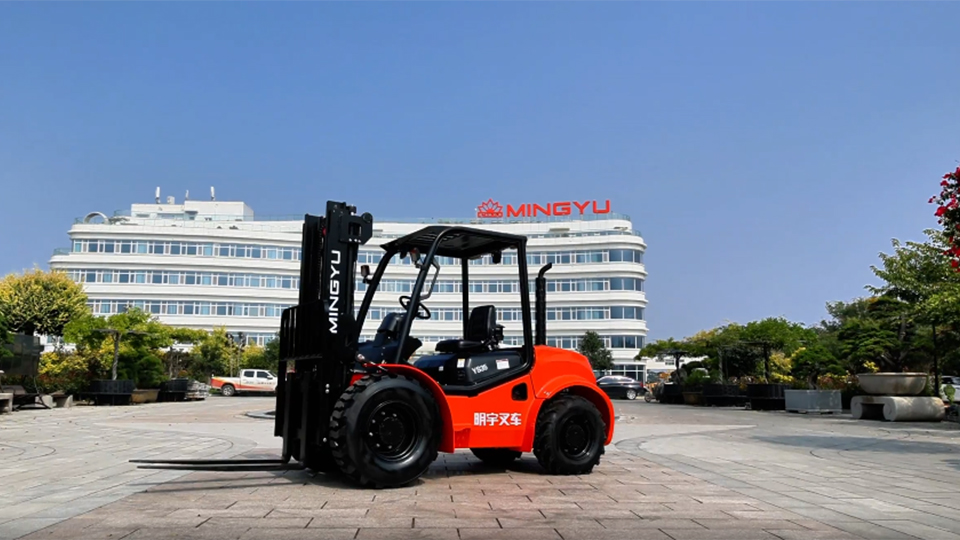
Inspect the overhead guard for structural integrity, checking for cracks at weld points, bends in uprights, or damage from overhead impacts. The overhead guard protects operators from falling objects—a risk that increases in high-density storage environments where lithium forklifts often operate due to their compact turning radii.
Verify that the load backrest remains securely mounted without deformation. A compromised backrest allows loads to shift backward toward the operator during mast retraction, creating crush hazards that override other safety systems.
Charging Infrastructure Daily Checks
Charger Condition Assessment
Inspect the charger unit housing, display, and cables for physical damage. Chargers for lithium batteries operate at higher voltages and currents than legacy lead-acid chargers, and their failure modes carry greater energy release potential. Check that charger cooling vents remain unobstructed and that internal fans operate during charging cycles. Overheated chargers reduce output current, extending charge times beyond shift change windows and creating operational bottlenecks.
Verify that charger output connectors mate cleanly with forklift charging inlets without forcing or misalignment. Forced connections damage connector pins, creating high-resistance junctions that generate heat during subsequent charges. Check charger display indicators for error codes, abnormal charge curves, or communication faults with the forklift BMS.
Charging Area Safety
Confirm that charging areas maintain adequate ventilation, even though lithium batteries do not gas during charging like lead-acid alternatives. Thermal runaway events, while rare, release toxic gases that require ventilation for operator safety. Ensure that charging areas remain free of combustible materials, flammable liquids, and obstruction to emergency egress paths.
Verify that fire suppression equipment—extinguishers rated for Class B and Class C fires—remains accessible and within inspection dates. Lithium battery fires require specialized suppression agents; standard water extinguishers may react with lithium compounds. Confirm that charging area personnel understand emergency procedures specific to lithium battery thermal events.
Post-Shift Procedures
Battery SOC and Temperature Recording
Record the ending SOC and maximum battery temperature observed during the shift. Trending this data identifies batteries approaching end-of-life, operators with aggressive driving habits that accelerate degradation, or thermal management systems losing effectiveness. A battery that consistently reaches higher temperatures than fleet mates warrants diagnostic evaluation of its cooling system.
Cleaning and Debris Removal
Remove accumulated debris from the forklift body, mast channels, and undercarriage. Product packaging, pallet fragments, and dust accumulation create fire hazards near electrical components and obstruct cooling airflow. In food handling or pharmaceutical applications, sanitization protocols may apply to forklift surfaces, requiring approved cleaning agents that do not degrade seals or coatings.
Pay particular attention to battery compartment cleanliness. Conductive debris across battery terminals creates short-circuit paths, while organic matter decomposition generates heat and corrosive gases. Compressed air or vacuum systems should remove debris without introducing moisture.
Parking and Storage Protocol
Park the forklift in designated areas with charging infrastructure accessible. For lithium forklifts, avoid parking in temperature extremes—direct summer sunlight or unheated winter zones—that stress thermal management systems during standby. Engage the parking brake, lower forks to the ground, and switch off all electrical systems before connecting the charger.
If the forklift will remain unused for multiple days, verify that the BMS maintains appropriate cell balancing and that parasitic loads do not drain the battery below safe storage levels. Most lithium BMS units enter sleep modes after extended inactivity, but verification prevents deep discharge scenarios that require specialized recovery procedures.
Documentation and Trend Analysis
Maintenance Log Integrity
Accurate daily maintenance logs transform individual observations into fleet-wide reliability intelligence. Record every inspection item, noting not only failures but also borderline conditions—tire wear approaching limits, hydraulic fluid darkening, connector discoloration beginning. These marginal observations predict failures weeks before breakdown occurs, enabling scheduled maintenance rather than emergency repairs.
Implement a standardized scoring system that quantifies daily inspection results. Color-coded tags—green for fully compliant, yellow for attention required, red for equipment quarantine—streamline communication between shifts and maintenance departments. Digital logging systems integrated with telematics platforms automate much of this documentation while providing real-time fleet health dashboards.
Escalation Thresholds
Define clear criteria for when daily observations trigger maintenance escalation. A single loose fastener may warrant torque verification, while three consecutive days of elevated battery temperatures demands immediate cooling system inspection. Establish response time commitments—four hours for yellow conditions, immediate for red—ensuring that daily inspections drive action rather than checkbox compliance.
Conclusion
The daily maintenance checklist for lithium electric forklifts represents a disciplined investment in operational reliability. While lithium technology reduces certain maintenance burdens—eliminating watering, acid neutralization, and frequent equalization charges—it introduces new dependencies on thermal management, electronic controls, and high-voltage connector integrity that demand vigilant attention.
Fleet operators who implement rigorous daily inspection protocols consistently achieve 40-50% reductions in unplanned downtime compared to operations relying on periodic maintenance alone. The fifteen to twenty minutes required for comprehensive daily checks yields returns measured in extended battery life, preserved warranty coverage, and uninterrupted shift productivity.
As lithium electric forklift adoption accelerates across material handling applications, the organizations that master daily maintenance discipline will capture the full economic and operational benefits of this technology while competitors struggle with preventable failures. The checklist is not merely a procedural formality—it is the operational foundation upon which lithium forklift reliability is built.
Name: selena
Mobile:+86-13176910558
Tel:+86-0535-2090977
Whatsapp:8613181602336
Email:vip@mingyuforklift.com
Add:Xiaqiu Town, Laizhou, Yantai City, Shandong Province, China
