
vip@mingyuforklift.com
+86-0535-2090977

Executive Summary
Southeast Asia is emerging as one of the most dynamic growth corridors for the global electric forklift industry in 2026. Fueled by explosive e-commerce expansion, aggressive warehouse automation investments, and stringent environmental regulations, the region is undergoing a structural shift from internal combustion engine (ICE) material handling equipment to electric-powered alternatives. The Asia-Pacific forklift market, valued at approximately $33.2 billion in 2025, is projected to nearly double to $59.1 billion by 2030, growing at a compound annual growth rate (CAGR) of 8.6%—significantly outpacing the global average of 6.5% . Within this landscape, Southeast Asian nations—including Indonesia, Vietnam, Thailand, the Philippines, Malaysia, and Singapore—represent the fastest-growing sub-region, driven by manufacturing relocation, logistics infrastructure modernization, and the rise of local digital commerce ecosystems.
The global electric forklift market itself is expected to reach $80.42 billion in 2026, expanding from $72.12 billion in 2025 at a robust CAGR of 11.5% . As lithium-ion battery costs decline and fast-charging infrastructure proliferates, Southeast Asian enterprises are increasingly recognizing that electric forklifts offer not merely environmental compliance but superior total cost of ownership (TCO) and operational uptime. This article examines the demand trends, technological drivers, country-specific dynamics, and strategic implications shaping the Southeast Asian electric forklift market in 2026.
1. Market Overview and Quantitative Landscape
1.1 Regional Market Sizing
The Southeast Asian electric forklift market cannot be analyzed in isolation from the broader Asia-Pacific context. The Asia-Pacific region captured 39–42% of the global electric forklift market share in 2025 and is expected to maintain the fastest growth trajectory through 2034, with a projected CAGR of 14.1–14.8% . Southeast Asia contributes disproportionately to this growth, supported by its position as a global manufacturing alternative to China and its rapidly maturing logistics networks.
The Southeast Asia forklift after-services market—an important proxy for installed base and utilization intensity—was valued at approximately $2.9 billion in 2025 and is projected to expand to $3.0 billion in 2026, ultimately reaching $4.8 billion by 2034 at a CAGR of 5.8% . This sustained aftermarket growth signals a rapidly expanding installed base of electric forklifts requiring battery maintenance, charging infrastructure, and predictive fleet management services.
1.2 Product Category Dynamics
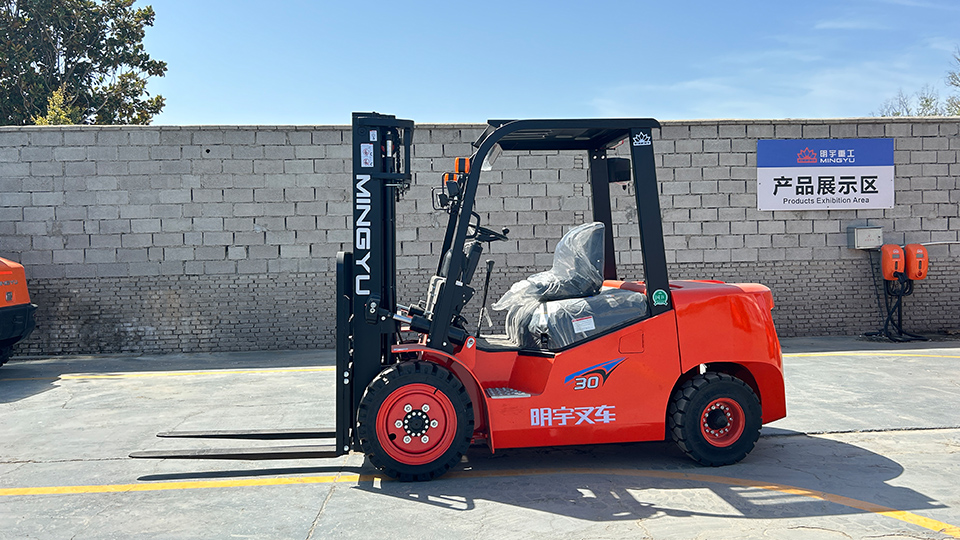
Within the electric forklift taxonomy, Class 3.1 walkie pallet trucks are projected to become the market mainstay from 2030 onward, underpinned by a robust ten-year CAGR . This segment's dominance reflects the region's e-commerce fulfillment center boom, where low-lift electric pallet trucks replace manual pallet jacks to address labor shortages and ergonomic mandates. Class 1 (electric counterbalance) and Class 2 (narrow aisle) forklifts also maintain robust growth, reflecting the spread of electrification into heavier-duty indoor applications and high-density warehousing.
Conversely, Class 4 and 5 ICE counterbalance forklifts represent the only category exhibiting negative growth, with a projected ten-year CAGR of -0.5% . This structural decline is accelerating in Southeast Asia as corporate ESG goals, stricter emissions regulations, and TCO disadvantages collectively render diesel and LPG forklifts economically obsolete for most indoor and light-duty outdoor operations.
2. Macroeconomic and Industry-Specific Demand Drivers
2.1 E-Commerce and Warehouse Expansion
The primary demand catalyst for electric forklifts in Southeast Asia is the unprecedented expansion of e-commerce and third-party logistics (3PL) infrastructure. Indonesia, Vietnam, Thailand, and the Philippines are experiencing rapid warehouse construction to support domestic digital commerce platforms and cross-border fulfillment networks. The warehousing sector globally is expected to grow 8.6% from 2022 to 2032, significantly exceeding the national average economic growth rate of 2.8% . In Southeast Asia, this growth is even more pronounced, with major e-commerce players and international logistics operators investing in automated distribution centers that mandate zero-emission, low-noise material handling equipment.
Electric forklifts are indispensable in these modern warehouse environments due to their zero on-site emissions, minimal noise profiles, and compatibility with narrow-aisle racking systems. As fulfillment centers operate extended hours and prioritize worker safety, the absence of exhaust fumes and reduced heat signatures from electric drivetrains become critical operational requirements rather than optional benefits.
2.2 Manufacturing Relocation and Industrialization
Southeast Asia is benefiting from sustained manufacturing relocation trends as multinational corporations diversify supply chains beyond China. Vietnam, Thailand, and Indonesia are attracting significant foreign direct investment (FDI) in electronics, automotive components, textiles, and food processing—all sectors with intensive material handling requirements. The region's reliance on industrial growth in logistics has increased demand for material handling equipment by approximately 15% year-on-year .
New manufacturing facilities in the region are increasingly designed with electrification as a default specification. Unlike legacy industrial zones in mature economies, Southeast Asia's greenfield factories incorporate charging infrastructure, battery swapping stations, and fleet telematics from inception, enabling seamless electric forklift deployment without the retrofitting challenges that constrain adoption in older facilities elsewhere.
2.3 Sustainability Mandates and Government Incentives
Government policy across Southeast Asia is decisively tilting toward industrial electrification. While specific incentive structures vary by country, the regional trajectory mirrors broader Asia-Pacific patterns where governments provide tax benefits, subsidies, and regulatory exemptions to accelerate electric vehicle adoption in industrial applications . Singapore's carbon pricing mechanism, Thailand's BOI incentives for green technology investments, and Indonesia's commitments under its Nationally Determined Contributions (NDCs) all create regulatory pressure favoring electric over ICE material handling equipment.
Furthermore, multinational corporations operating in Southeast Asia are increasingly subject to Scope 3 emissions reporting requirements from their headquarters in the European Union, United States, and Japan. These supply chain sustainability mandates compel local subsidiaries and contract manufacturers to electrify their logistics operations, including forklift fleets, to maintain supplier relationships with environmentally conscious global buyers.
3. Technology Evolution Reshaping Demand Patterns
3.1 The Lithium-Ion Inflection Point
The most significant technological shift influencing Southeast Asian electric forklift demand in 2026 is the rapid transition from lead-acid to lithium-ion (Li-ion) battery systems. Li-ion technology is accelerating the replacement of both older ICE forklifts and first-generation lead-acid electric models by offering lower total cost of ownership, greater energy efficiency, reduced maintenance requirements, and faster charging capabilities .
In Southeast Asia, where operational uptime is critical for high-velocity logistics operations, the opportunity charging capabilities of Li-ion batteries—allowing brief intermediate charges during operator breaks rather than full shift-down battery swaps—translate directly into productivity gains. Additionally, the tropical climate of Southeast Asia, with consistently high ambient temperatures, degrades lead-acid battery performance more severely than Li-ion alternatives, making the latter's thermal stability particularly valuable.
The forklift battery market globally is projected to grow from $28.81 billion in 2026 to $38.5 billion by 2030 at a 7.5% CAGR, with Li-ion adoption as the primary growth vector . Chinese manufacturers, leveraging mature domestic Li-ion supply chains, are increasingly exporting cost-competitive electric forklifts to Southeast Asia, further accelerating technology diffusion.
3.2 Warehouse Automation and Autonomous Forklifts
The convergence of electrification and automation represents the next frontier for Southeast Asian material handling. The global autonomous forklift market is projected to grow from $8.76 billion in 2026 to $13.79 billion by 2030 at a 12.0% CAGR . In Southeast Asia, rising labor costs in Singapore, Malaysia, and Thailand—coupled with chronic skilled operator shortages in Indonesia and Vietnam—are driving interest in autonomous electric forklifts that can operate continuously without fatigue-related safety risks.
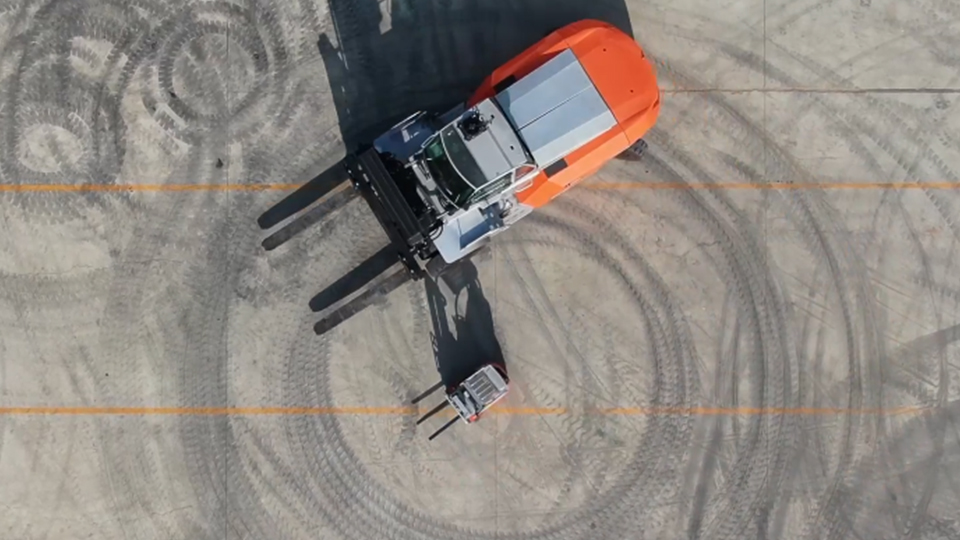
AI-enabled autonomous forklifts equipped with LiDAR, computer vision, and telematics integration are being deployed in high-value applications such as cold storage, pharmaceutical distribution, and precision electronics manufacturing . These deployments typically require electric propulsion due to the precise speed control, regenerative braking, and seamless integration with warehouse management systems (WMS) that autonomous operation demands.
3.3 Telematics and Fleet Digitization
Electric forklifts in 2026 are increasingly sold as connected assets rather than isolated mechanical equipment. Internet-of-Things (IoT) telematics systems enable real-time performance monitoring, predictive maintenance, and energy optimization . For Southeast Asian fleet operators managing distributed logistics networks across archipelagic geographies like Indonesia and the Philippines, remote diagnostics and usage analytics reduce reliance on localized technical expertise while maximizing equipment utilization rates.
4. Country-Level Demand Analysis
4.1 Indonesia: The Archipelagic Logistics Challenge
Indonesia represents the largest addressable market in Southeast Asia by population and geographic scope. The country's e-commerce sector has driven a 25% year-on-year increase in warehouse construction, creating substantial demand for electric material handling equipment . While infrastructure disparities between Java and outer islands create uneven adoption patterns, major logistics hubs in Jakarta, Surabaya, and Batam are witnessing rapid fleet electrification. The Indonesian government's push for domestic electric vehicle manufacturing, including industrial applications, is expected to localize supply chains and reduce equipment costs over the forecast period.
4.2 Vietnam: The Manufacturing Powerhouse
Vietnam's electric forklift demand is driven by its emergence as a preferred alternative manufacturing destination to China. The country's electronics, textile, and furniture export sectors require high-throughput material handling in both factory floor and port logistics contexts. Vietnamese enterprises are demonstrating strong preference for Class 1 electric counterbalance forklifts and Class 3 pallet trucks as they modernize facilities to meet international buyer standards. The government's industrial zone development plans increasingly incorporate environmental standards that favor electric equipment.
4.3 Thailand: The Automotive and Logistics Hub
Thailand's established automotive manufacturing ecosystem and sophisticated logistics infrastructure position it as the most mature electric forklift market in mainland Southeast Asia. The country's transition is characterized by replacement demand—upgrading from legacy ICE and lead-acid electric fleets to Li-ion-powered models. Thailand's autonomous forklift market is also developing rapidly, supported by the country's advanced manufacturing base and integration with Japanese supply chains that emphasize automation and lean logistics principles.
4.4 Singapore: The High-Value Automation Frontier
Singapore represents the premium segment of the Southeast Asian market, where labor costs and land scarcity make automation economically compelling. The city-state's logistics operations are early adopters of autonomous electric forklifts, narrow-aisle reach trucks, and integrated smart warehouse systems. Singapore's strict emissions standards and carbon tax regime effectively mandate electrification for indoor material handling, making it a bellwether for regulatory trends likely to diffuse across the region.
4.5 Malaysia and the Philippines: Emerging Growth Corridors
Malaysia's electric forklift demand is concentrated in its electronics manufacturing zones and port logistics operations, particularly around Penang and the Klang Valley. The Philippines, meanwhile, is experiencing demand growth driven by BPO-related logistics, retail distribution, and food processing. Both markets are characterized by a mix of new fleet acquisitions and replacement cycles, with Chinese and regional manufacturers gaining market share through competitive pricing on Li-ion-equipped models.
5. Competitive Landscape and Supply Chain Dynamics
The Southeast Asian electric forklift market in 2026 features intense competition between established Japanese and European multinationals, aggressive Chinese manufacturers, and emerging local distributors. Toyota Industries Corporation, KION Group AG, Jungheinrich AG, and Mitsubishi Logisnext Co., Ltd. maintain strong brand recognition and service networks across the region .
However, Chinese manufacturers including Anhui Heli, Hangcha Group, BYD, and EP Equipment are reshaping the competitive landscape by leveraging domestic Li-ion battery cost advantages and supply chain efficiencies, particularly in the high-volume Class 3.1 segment . These manufacturers are increasingly establishing regional assembly or distribution hubs in Southeast Asia to circumvent tariffs and reduce logistics costs.
Strategic partnerships are also defining market evolution. KION Group's collaboration with Eurofork S.p.A. for automated pallet shuttle systems , and KION's partnership with Li-Cycle Holdings Corp. for lithium-ion battery recycling , illustrate how equipment manufacturers are positioning themselves as full-solution providers rather than mere hardware vendors.
6. Challenges and Adoption Barriers
Despite favorable demand trends, several constraints moderate electric forklift adoption across Southeast Asia. High initial acquisition costs remain significant, particularly for small and medium-sized enterprises (SMEs) that dominate the region's industrial landscape . While TCO advantages favor electric forklifts over multi-year ownership periods, the upfront capital requirement and need for charging infrastructure present cash-flow challenges for smaller operators.
Technical workforce limitations also constrain adoption. The increasing complexity of smart forklifts and automated fleet systems requires skilled technicians for maintenance and operation—expertise that remains scarce outside major metropolitan centers . Furthermore, inconsistent electrical grid reliability in parts of Indonesia, the Philippines, and Vietnam raises operational concerns for fleets dependent on consistent charging availability.
Tariff and trade dynamics add another layer of complexity. Increased tariffs on imported battery cells and components affect Li-ion forklift pricing, though these challenges are simultaneously prompting domestic production investments and local supply chain development .
7. Future Outlook and Strategic Implications
Looking beyond 2026, the Southeast Asian electric forklift market is positioned for sustained expansion. The global electric forklift market is projected to reach $124.23 billion by 2030 , with Asia-Pacific—and Southeast Asia specifically—capturing a disproportionate share of incremental growth.
Several strategic imperatives emerge for industry stakeholders:
For Fleet Operators: The economic case for electrification will strengthen as Li-ion battery costs continue declining and fast-charging infrastructure becomes standardized. Early movers in fleet electrification will benefit from operational learning curves and avoid the compliance risks associated with impending emissions regulations.
For Manufacturers: Localization strategies—whether through regional assembly facilities, local distributor partnerships, or battery recycling infrastructure—will be essential to compete effectively against both established multinationals and cost-leader Chinese producers.
For Policymakers: Consistent, long-term incentive frameworks and charging infrastructure investments will determine the pace of electrification. Countries that resolve grid reliability concerns and develop technical training ecosystems will attract disproportionate logistics and manufacturing investment.
For Technology Providers: The integration of AI, telematics, and energy management systems represents the highest-value opportunity. As Southeast Asian warehouses automate, the distinction between "electric forklift" and "autonomous mobile robot" will increasingly blur, creating demand for intelligent, connected material handling platforms.
Conclusion
The demand for electric forklifts in Southeast Asia in 2026 reflects a confluence of structural economic trends: e-commerce proliferation, manufacturing relocation, sustainability mandates, and battery technology maturation. The region's transition from ICE to electric material handling is not merely an environmental compliance exercise but a productivity-driven transformation that aligns with global supply chain modernization.
With the Asia-Pacific region leading global forklift market growth and Southeast Asia representing its most dynamic sub-region, the strategic importance of this market will only intensify. Enterprises that recognize the electric forklift not as a cost center but as a connected, intelligent asset capable of driving warehouse automation will capture disproportionate competitive advantage. As lithium-ion technology achieves cost parity and autonomous capabilities mature, Southeast Asia is poised to become a defining battleground for the future of industrial material handling—one where electrification is the baseline requirement for participation in the modern logistics economy.
Name: selena
Mobile:+86-13176910558
Tel:+86-0535-2090977
Whatsapp:8613181602336
Email:vip@mingyuforklift.com
Add:Xiaqiu Town, Laizhou, Yantai City, Shandong Province, China
