
vip@mingyuforklift.com
+86-0535-2090977

1. Global Overview: Average Forklift Driver Salaries by Region
Forklift driver salaries vary more by region than almost any other factor, due to differences in cost of living, labor laws, industry demand, and economic development. Below is a detailed breakdown of average earnings across key regions, including hourly wages, annual salaries, and additional benefits, based on data from regulatory bodies, labor departments, and industry surveys (current as of 2026).
1.1 North America (United States and Canada)
North America is one of the highest-paying regions for forklift drivers, with strong demand for skilled operators in warehouses, ports, and manufacturing facilities. Salaries vary slightly between the United States and Canada, with the U.S. offering higher average wages in most industries.
• United States: According to the U.S. Bureau of Labor Statistics (BLS), the average hourly wage for forklift drivers (officially classified as “Material Moving Machine Operators”) is $18.72, with an average annual salary of $38,930. However, this figure varies significantly by state and industry:
- High-Paying States: Alaska ($24.15/hour, $50,230/year), Washington ($23.87/hour, $49,650/year), and Hawaii ($23.45/hour, $48,770/year) offer the highest hourly wages, driven by high cost of living and strong demand in ports and logistics.
-Low-Paying States: Mississippi ($14.23/hour, $29,590/year), Arkansas ($14.56/hour, $30,280/year), and West Virginia ($14.89/hour, $30,970/year) have the lowest average wages, reflecting lower cost of living and less industrial demand.
- Overtime Pay: Many forklift drivers in the U.S. work overtime (more than 40 hours per week), with overtime pay set at 1.5 times the regular hourly wage. This can significantly increase earnings, with overtime-heavy roles (e.g., night shifts, peak holiday seasons) pushing annual salaries above $50,000 for experienced operators.
- Benefits: Full-time forklift drivers in the U.S. typically receive benefits including health insurance, 401(k) retirement plans, paid time off, and sometimes performance bonuses. Temporary or part-time operators may receive fewer benefits but often earn higher hourly wages to compensate.
• Canada: The average hourly wage for forklift drivers in Canada is CAD 22.50 ($16.88 USD), with an average annual salary of CAD 46,770 ($35,080 USD), according to Statistics Canada. Regional variations are similar to the U.S.:
- High-Paying Provinces: Alberta (CAD 25.20/hour), British Columbia (CAD 24.80/hour), and Ontario (CAD 23.10/hour) offer the highest wages, driven by demand in oil and gas logistics, manufacturing, and port operations.
- Low-Paying Provinces: New Brunswick (CAD 19.70/hour), Nova Scotia (CAD 20.10/hour), and Prince Edward Island (CAD 20.30/hour) have lower average wages.
- Benefits: Canadian forklift drivers often receive health insurance, pension plans, and paid vacation, with some employers offering additional benefits like shift premiums for night or weekend work.
1.2 Europe (EU Countries, United Kingdom)
European forklift driver salaries are influenced by EU labor laws, cost of living, and industry demand, with Western European countries offering significantly higher wages than Eastern European countries. The UK, Germany, and France are among the highest-paying markets, while Poland, Romania, and Bulgaria offer lower compensation.
• United Kingdom: According to the UK’s Office for National Statistics (ONS) and industry surveys, the average hourly wage for forklift drivers is £12.80 ($16.20 USD), with an average annual salary of £26,624 ($33,780 USD). Salaries vary by region:
- High-Paying Regions: London (£15.20/hour, £31,616/year), the Southeast (£13.90/hour, £28,912/year), and the Northwest (£13.20/hour, £27,456/year) offer the highest wages, driven by demand in logistics and manufacturing.
- Low-Paying Regions: Northern Ireland (£11.30/hour, £23,504/year), Wales (£11.70/hour, £24,336/year), and the Northeast (£11.90/hour, £24,752/year) have lower average wages.
- Benefits: UK forklift drivers typically receive paid holiday (minimum 28 days per year), pension contributions, and sometimes shift allowances for night or weekend work. Skilled operators may also receive performance bonuses.
• Germany: Germany is one of the highest-paying countries for forklift drivers in Europe, with an average hourly wage of €18.50 ($20.10 USD) and an average annual salary of €38,480 ($41,800 USD), according to the German Federal Statistical Office. Wages are standardized by collective bargaining agreements (Tarifverträge), which ensure fair pay across industries.
- Industry Variations: Forklift drivers in automotive manufacturing (e.g., BMW, Mercedes-Benz) earn the highest wages (€20.30/hour), while those in retail warehouses earn slightly less (€17.20/hour).
- Benefits: German forklift drivers receive comprehensive health insurance, pension plans, paid holiday, and overtime pay (1.5 times regular wage for hours over 40 per week).
• France: The average hourly wage for forklift drivers in France is €16.80 ($18.20 USD), with an average annual salary of €34,944 ($37,800 USD), according to INSEE (French National Institute of Statistics and Economic Studies). Wages are influenced by industry and region, with Paris and other major cities offering higher pay.
- Shift Allowances: Forklift drivers working night shifts (22:00–6:00) receive a 30% shift allowance, while those working weekends receive a 50% allowance.
- Benefits: French forklift drivers receive paid holiday (5 weeks per year), health insurance, and pension contributions.
• Eastern Europe (Poland, Romania, Bulgaria): Salaries in Eastern Europe are significantly lower than in Western Europe, reflecting lower cost of living.
- Poland: Average hourly wage of PLN 25.50 ($6.20 USD), annual salary of PLN 53,040 ($12,900 USD).
- Romania: Average hourly wage of RON 18.20 ($3.60 USD), annual salary of RON 37,824 ($7,400 USD).
- Bulgaria: Average hourly wage of BGN 9.80 ($5.40 USD), annual salary of BGN 20,384 ($11,200 USD).
1.3 Asia-Pacific (Australia, New Zealand, China, Singapore, Malaysia)
The Asia-Pacific region has diverse forklift driver salaries, with Australia and New Zealand offering high wages (comparable to North America and Western Europe), while China, Singapore, and Malaysia offer lower but competitive pay relative to local cost of living.
• Australia: Australia is one of the highest-paying countries for forklift drivers globally, with an average hourly wage of AUD 32.80 ($21.30 USD) and an average annual salary of AUD 68,224 ($44,400 USD), according to the Australian Bureau of Statistics (ABS).
- Regional Variations: Western Australia (AUD 35.20/hour) and New South Wales (AUD 33.50/hour) offer the highest wages, driven by demand in mining logistics and port operations. Tasmania (AUD 30.10/hour) and South Australia (AUD 30.80/hour) have lower average wages.
- Benefits: Australian forklift drivers receive paid holiday (4 weeks per year), sick leave, superannuation (retirement savings, 11% of salary contributed by employers), and overtime pay (1.5 times regular wage for hours over 38 per week).
• New Zealand: The average hourly wage for forklift drivers in New Zealand is NZD 28.70 ($18.40 USD), with an average annual salary of NZD 59,696 ($38,400 USD), according to Stats NZ.
- Industry Demand: Forklift drivers in Auckland and Christchurch (New Zealand’s largest cities) earn higher wages (NZD 30.20/hour) due to strong demand in logistics and manufacturing.
- Benefits: New Zealand forklift drivers receive paid holiday (4 weeks per year), sick leave, and KiwiSaver (retirement savings, with employer contributions of up to 3%).
•China: Forklift driver salaries in China vary by city and industry, with urban areas offering higher pay than rural regions. According to the National Bureau of Statistics of China, the average hourly wage is CNY 28.50 ($3.90 USD), with an average annual salary of CNY 59,280 ($8,200 USD).
- High-Paying Cities: Shanghai (CNY 38.20/hour, CNY 79,456/year), Shenzhen (CNY 36.80/hour, CNY 76,544/year), and Beijing (CNY 35.50/hour, CNY 73,840/year) offer the highest wages, driven by demand in ports and manufacturing.
- Industry Variations: Forklift drivers in automotive manufacturing (e.g., Tesla, BYD) and logistics (e.g., Alibaba, JD.com) earn higher wages than those in small warehouses.
- Benefits: Full-time forklift drivers in China typically receive social insurance (health, pension, unemployment), and some employers offer housing allowances or meal subsidies.
• Singapore and Malaysia: Salaries in Singapore and Malaysia are higher than in China but lower than in Australia and New Zealand.
- Singapore: Average hourly wage of SGD 14.80 ($10.90 USD), annual salary of SGD 30,784 ($22,700 USD).
- Malaysia: Average hourly wage of MYR 15.20 ($3.20 USD), annual salary of MYR 31,616 ($6,600 USD).
1.4 Other Regions (South Africa, Latin America)
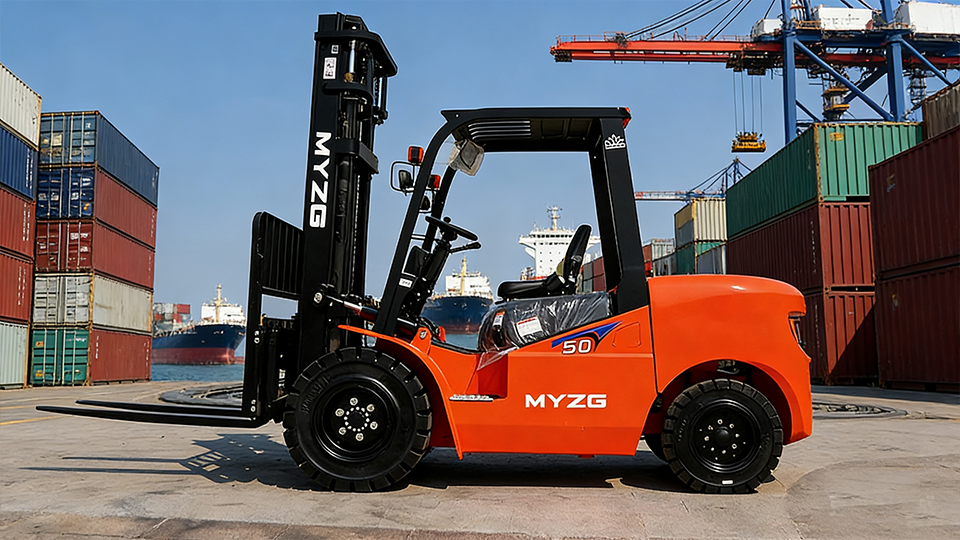
• South Africa: According to Statistics South Africa, the average hourly wage for forklift drivers is ZAR 48.20 ($2.50 USD), with an average annual salary of ZAR 100,384 ($5,200 USD). Wages are higher in urban areas like Johannesburg and Cape Town (ZAR 55.10/hour) and lower in rural regions. Benefits may include health insurance and paid holiday for full-time operators.
• Latin America (Brazil, Mexico, Argentina): Salaries vary by country, with Brazil offering the highest pay in the region.
- Brazil: Average hourly wage of BRL 23.80 ($4.70 USD), annual salary of BRL 49,504 ($9,700 USD).
- Mexico: Average hourly wage of MXN 185.20 ($9.10 USD), annual salary of MXN 385,312 ($18,900 USD).
- Argentina: Average hourly wage of ARS 1,250 ($3.80 USD), annual salary of ARS 2,592,000 ($7,900 USD).
2. Key Factors That Influence Forklift Driver Salaries
While region is the most significant factor influencing forklift driver pay, several other variables can have a substantial impact on earnings. Understanding these factors can help both prospective operators and employers navigate compensation expectations and make informed decisions.
2.1 Experience Level
Experience is a major determinant of forklift driver salaries, with more experienced operators earning significantly higher wages than entry-level workers. This is because experienced operators are more efficient, safer, and better able to handle complex tasks (e.g., lifting heavy loads, maneuvering in tight spaces, operating specialized forklifts).
• Entry-Level (0–2 years): Entry-level forklift drivers typically earn 10–15% less than the average regional salary. For example, in the U.S., entry-level operators earn an average of $16.00/hour, while in Germany, they earn €16.00/hour. Entry-level roles often require basic certification and may include on-the-job training.
• Mid-Level (2–5 years): Mid-level forklift drivers with 2–5 years of experience earn close to the average regional salary, as they have developed the skills and efficiency to operate forklifts safely and effectively. Many mid-level operators also have additional certifications (e.g., for specialized forklifts), which can boost pay.
• Senior-Level (5+ years): Senior-level forklift drivers with 5+ years of experience earn 15–25% more than the average regional salary. These operators often take on additional responsibilities, such as training new operators, overseeing material handling workflows, or operating specialized equipment. For example, in the U.S., senior operators earn an average of $22.00/hour, while in Australia, they earn AUD 39.00/hour.
2.2 Certification and Specialized Skills
Forklift drivers with advanced certifications or specialized skills are in higher demand and command higher salaries than those with only basic certification. Basic certification (required in most regions) covers standard counterbalance forklifts, but additional certifications for specialized equipment or tasks can significantly increase earning potential.
• Specialized Forklift Certifications: Operators certified to operate specialized forklifts (e.g., rough-terrain forklifts, reach trucks, order pickers, pallet jacks, and portside container handlers) earn 10–20% more than those with only basic certification. For example, in the U.S., a reach truck operator earns an average of $20.50/hour, compared to $18.72/hour for a standard forklift driver.
• Safety Certifications: Operators with additional safety certifications (e.g., OSHA 30-hour safety training, first aid, or hazard communication training) are more valuable to employers, as they can help reduce accidents and ensure compliance. These certifications can add 5–10% to an operator’s hourly wage.
• Language Skills: In regions with diverse workforces (e.g., the U.S., Canada, Singapore), forklift drivers who speak multiple languages (e.g., English and Spanish, English and Mandarin) may earn higher wages, as they can communicate effectively with co-workers and supervisors from different backgrounds.
2.3 Industry and Workplace Type
Forklift driver salaries vary significantly by industry, as some industries have higher demand for skilled operators, more hazardous working conditions, or greater need for efficiency. Below are the highest and lowest paying industries for forklift drivers:
• Highest-Paying Industries:
- Ports and Shipping: Forklift drivers in ports (e.g., loading and unloading containers) earn some of the highest wages, due to the high demand for skilled operators, long hours, and hazardous working conditions. In the U.S., port forklift drivers earn an average of $23.50/hour, while in Australia, they earn AUD 38.00/hour.
- Mining and Construction: Forklift drivers in mining and construction operate rough-terrain forklifts in challenging environments, earning 15–20% more than warehouse operators. In Canada, mining forklift drivers earn CAD 28.00/hour, compared to CAD 22.50/hour for warehouse operators.
- Automotive Manufacturing: Forklift drivers in automotive plants (e.g., moving car parts, assembling vehicles) earn high wages due to the high volume of material handling and the need for precision. In Germany, automotive forklift drivers earn €20.30/hour, compared to €18.50/hour for the average operator.
• Lowest-Paying Industries:
- Retail Warehouses: Forklift drivers in retail warehouses (e.g., Walmart, Amazon) earn lower wages than those in ports or manufacturing, due to the high number of entry-level positions and less specialized work. In the U.S., retail warehouse forklift drivers earn an average of $17.20/hour.
- Small Businesses and Local Warehouses: Smaller businesses often have lower budgets for labor, so forklift drivers in these settings earn 5–10% less than those in large corporations or industrial facilities.
2.4 Shift and Work Schedule
Forklift drivers who work non-standard shifts (e.g., night shifts, weekends, holidays) often receive shift allowances or premium pay, which can significantly boost their earnings. This is because these shifts are less desirable, and employers use premium pay to attract operators.
• Night Shifts: Forklift drivers working night shifts (typically 22:00–6:00) often receive a 10–30% shift allowance. For example, in the UK, a night shift forklift driver earns £15.36/hour (20% allowance) compared to £12.80/hour for a day shift operator.
• Weekends and Holidays: Many regions require employers to pay 1.5–2 times the regular hourly wage for work on weekends or holidays. In the U.S., forklift drivers working on holidays earn 2 times their regular wage, while those working weekends earn 1.5 times their regular wage.
• Overtime: Forklift drivers who work more than 40 hours per week (U.S.) or 38 hours per week (Australia) receive overtime pay, which is typically 1.5 times the regular hourly wage. Overtime is common in logistics and manufacturing, especially during peak seasons (e.g., holiday shopping, harvest), and can increase annual earnings by 20–30% for hardworking operators.
2.5 Cost of Living
Cost of living is a key factor in regional salary variations, as employers in high-cost areas must offer higher wages to attract workers. For example, a forklift driver in London (high cost of living) earns £15.20/hour, while a driver in Northern Ireland (lower cost of living) earns £11.30/hour—even though both are in the UK. Similarly, a driver in San Francisco (U.S.) earns $25.00/hour, while a driver in Mississippi earns $14.23/hour.
When comparing salaries across regions, it is important to consider purchasing power parity (PPP), which adjusts for cost of living. For example, a forklift driver in China earning $8,200/year has a similar purchasing power to a driver in the U.S. earning $38,930/year, due to the lower cost of housing, food, and other expenses in China.
3. Forklift Driver Salaries by Forklift Type
The type of forklift a driver operates also influences their salary, as specialized forklifts require additional training and skills, and are often used in high-demand, high-hazard industries. Below is a breakdown of average hourly wages for drivers operating different types of forklifts (U.S. data, as a benchmark):
• Standard Counterbalance Forklift: $18.72/hour (average for all forklift drivers). This is the most common type of forklift, used in warehouses, retail facilities, and manufacturing plants for lifting and moving pallets.
• Reach Truck: $20.50/hour. Reach trucks are used in narrow-aisle warehouses to reach high shelves, requiring precision and specialized training. They are in high demand in logistics and retail warehouses.
• Order Picker: $19.80/hour. Order pickers are used to pick individual items from shelves, often in e-commerce warehouses. They require careful maneuvering and attention to detail.
• Rough-Terrain Forklift: $22.30/hour. Rough-terrain forklifts are used in construction, mining, and outdoor settings, requiring the ability to operate on uneven surfaces. They are often used in high-hazard industries, leading to higher pay.
• Portside Container Handler: $25.80/hour. Container handlers are used in ports to load and unload shipping containers, requiring advanced training and the ability to handle extremely heavy loads (up to 40 tons). These are the highest-paying forklift roles due to the specialized skills and hazardous working conditions.
• Pallet Jack (Electric/Walkie): $17.50/hour. Pallet jacks are smaller, less complex than standard forklifts, and require less training, leading to lower pay. They are commonly used in retail stores and small warehouses.
4. How to Increase Your Earning Potential as a Forklift Driver
For forklift drivers looking to boost their salaries, there are several actionable steps they can take to increase their skills, demand, and compensation. These steps focus on gaining additional certifications, developing specialized skills, and leveraging experience to take on higher-paying roles.
4.1 Obtain Advanced Certifications
The most effective way to increase earning potential is to obtain certifications for specialized forklifts or safety training. As mentioned earlier, specialized certifications (e.g., reach truck, rough-terrain forklift, container handler) can increase hourly wages by 10–20%. Additionally, safety certifications (e.g., OSHA 30-hour, first aid) can make you more valuable to employers and lead to higher pay.
Most certifications require completing a training course (in-person or online) and passing a written and practical exam. Certifications are typically valid for 3–5 years and require renewal through refresher training. Many employers will cover the cost of certification for current employees, so it is worth asking your supervisor about training opportunities.
4.2 Gain Experience in High-Paying Industries
Moving to a high-paying industry (e.g., ports, mining, automotive manufacturing) can significantly increase your salary. For example, a forklift driver working in a retail warehouse earning $17.20/hour can increase their wage to $23.50/hour by moving to a port facility. While these industries may have more demanding working conditions (e.g., longer hours, outdoor work), the higher pay often justifies the effort.
To break into high-paying industries, focus on gaining experience with specialized forklifts (e.g., rough-terrain, container handlers) and highlighting your safety record and efficiency in your resume and interviews.
4.3 Work Non-Standard Shifts for Premium Pay
Taking on night shifts, weekends, or holidays can add 10–30% to your hourly wage through shift allowances and overtime pay. While these shifts may disrupt your work-life balance, they can significantly increase your annual earnings. For example, a forklift driver working 40 hours per week on a day shift earns $38,930/year in the U.S., while a driver working 45 hours per week (including 5 hours of overtime) on a night shift earns over $50,000/year.
4.4 Take on Additional Responsibilities
Senior forklift drivers can increase their pay by taking on additional responsibilities, such as training new operators, overseeing material handling workflows, or conducting pre-operation inspections. These roles often come with a pay raise or promotion to a supervisory position (e.g., Forklift Supervisor, Material Handling Manager), which can increase earnings by 25–50%.
For example, a Forklift Supervisor in the U.S. earns an average annual salary of $52,000, while a Material Handling Manager earns over $70,000/year. These roles require strong leadership skills, extensive experience, and a deep understanding of forklift safety and efficiency.
4.5 Relocate to a High-Paying Region
Relocating to a region with higher average forklift driver salaries can be a significant way to increase earnings. For example, a driver moving from Mississippi (U.S.) to Alaska can increase their hourly wage from $14.23 to $24.15—a 70% increase. While relocation costs and higher cost of living should be considered, the long-term earnings potential often makes it worthwhile.
High-paying regions for forklift drivers include Alaska, Washington, and Hawaii (U.S.); Alberta and British Columbia (Canada); London and the Southeast (UK); Western Australia and New South Wales (Australia); and Shanghai and Shenzhen (China).
5. Employer Considerations: Attracting and Retaining Skilled Forklift Drivers
For employers, offering competitive pay and benefits is critical to attracting and retaining skilled forklift drivers, especially in regions with labor shortages. Below are key considerations for developing a competitive compensation package:
• Offer Competitive Base Pay: Research average regional salaries and adjust base pay to be at or above the market average. For example, a warehouse in the U.S. should offer at least $18.72/hour (the national average) to attract qualified operators.
• Provide Shift Allowances and Overtime Pay: Offer premium pay for night shifts, weekends, and holidays to make these shifts more desirable. Ensure overtime pay is calculated correctly (1.5 times regular wage) to comply with labor laws and keep employees motivated.
• Cover Certification Costs: Pay for employees to obtain advanced certifications (e.g., specialized forklift training, safety certifications) to increase their skills and value. This not only boosts employee morale but also reduces accidents and improves efficiency.
• Offer Comprehensive Benefits: Provide benefits such as health insurance, retirement plans, paid time off, and performance bonuses to retain employees. Full-time employees are more likely to stay with an employer that offers competitive benefits.
• Provide Opportunities for Advancement: Create clear career paths for forklift drivers, such as promotions to supervisory roles or material handling management. This gives employees a reason to stay with the company and work toward higher earnings.
6. Common Misconceptions About Forklift Driver Salaries
There are several common misconceptions about forklift driver pay that can lead to unrealistic expectations for prospective operators and employers. Below are the most frequent myths, debunked:
Myth 1: “All forklift drivers earn the same wage.”
Reality: Forklift driver salaries vary dramatically by region, industry, experience, and certification. A senior container handler in Alaska can earn over $50,000/year, while an entry-level retail warehouse driver in Mississippi earns under $30,000/year.
Myth 2: “Forklift driving is a low-paying job.”
Reality: While entry-level forklift drivers may earn moderate wages, experienced operators with specialized certifications can earn competitive salaries, often above the national average for blue-collar workers. In high-paying regions and industries, forklift drivers can earn over $50,000/year.
Myth 3: “Certification doesn’t affect pay.”
Reality: Certification is one of the most important factors influencing pay. Operators with specialized certifications (e.g., reach truck, container handler) earn 10–20% more than those with only basic certification. Safety certifications also boost earning potential.
Myth 4: “Forklift drivers can’t advance their careers.”
Reality: Forklift drivers can advance to supervisory or management roles, such as Forklift Supervisor or Material Handling Manager, which offer significantly higher pay. With additional training and experience, drivers can also move into related fields like logistics coordination or warehouse management.
7. Conclusion
The question “How much do you get paid to be a forklift driver?” has no one-size-fits-all answer, but this technical guide has outlined the key factors that determine forklift driver salaries—region, experience, certification, industry, and shift schedule—and provided a comprehensive overview of average earnings worldwide. Forklift drivers can earn anywhere from $7,000/year (in Eastern Europe and parts of Asia) to over $50,000/year (in high-paying regions and industries), with additional benefits and overtime pay further boosting earnings.
For prospective forklift drivers, the key to maximizing earning potential is to obtain advanced certifications, gain experience in high-paying industries, work non-standard shifts for premium pay, take on additional responsibilities, and consider relocating to a high-paying region. For employers, offering competitive pay, benefits, and advancement opportunities is critical to attracting and retaining skilled operators—especially in a global market where labor shortages in logistics are common.
Forklift driving is a valuable and in-demand career, offering stable employment and opportunities for growth. By understanding the nuances of forklift driver compensation, both operators and employers can make informed decisions that support safety, efficiency, and mutual success in the global supply chain.
Name: selena
Mobile:+86-13176910558
Tel:+86-0535-2090977
Whatsapp:8613181602336
Email:vip@mingyuforklift.com
Add:Xiaqiu Town, Laizhou, Yantai City, Shandong Province, China