
vip@mingyuforklift.com
+86-0535-2090977

1. Upfront Costs: Average Forklift Prices by Type and Power Source
The largest portion of a forklift budget typically goes to the upfront purchase price, which varies significantly based on the type of forklift and its power source. Forklifts are categorized by their design, intended use, and load capacity, each tailored to specific material handling tasks. Below is a detailed breakdown of average upfront costs for the most common forklift types, including new and used options, based on 2026 industry data and market surveys.
1.1 Electric Forklifts (Battery-Powered)
Electric forklifts are the most popular choice for indoor operations (e.g., warehouses, retail facilities) due to their zero emissions, low noise levels, and lower long-term maintenance costs. They are powered by rechargeable lead-acid or lithium-ion batteries, with lithium-ion options commanding a premium but offering longer lifespans and faster charging times. Upfront costs for electric forklifts range from $15,000 to $100,000+, depending on type and capacity.
• Electric Pallet Jack (Walkie/Rider): The smallest and most affordable electric forklift, used for moving pallets over short distances. - New: $15,000–$30,000 (walkie models: $15,000–$20,000; rider models: $25,000–$30,000) - Used (3–5 years old): $5,000–$15,000 (depending on battery condition and usage history) - Key Features: Load capacity of 4,000–8,000 lbs; ideal for small warehouses and retail backrooms.
• Electric Counterbalance Forklift: The most common electric forklift, used for lifting and moving pallets to medium heights (up to 20 feet). - New: $30,000–$60,000 (2,500–5,000 lb capacity: $30,000–$45,000; 5,000–10,000 lb capacity: $45,000–$60,000) - Used (3–5 years old): $15,000–$35,000 (lithium-ion models retain value better than lead-acid) - Key Features: Lead-acid or lithium-ion battery; indoor use only; low maintenance compared to gas-powered models.
• Electric Reach Truck: Designed for narrow-aisle warehouses, with the ability to reach heights up to 40 feet. - New: $45,000–$80,000 (3,000–5,000 lb capacity: $45,000–$65,000; 5,000–8,000 lb capacity: $65,000–$80,000) - Used (3–5 years old): $25,000–$50,000 (requires thorough inspection of mast and lifting mechanisms) - Key Features: Narrow design; high lifting capacity; ideal for e-commerce warehouses with high-density storage.
• Electric Order Picker: Used for picking individual items from high shelves, common in e-commerce and retail distribution centers. - New: $35,000–$70,000 (2,000–4,000 lb capacity: $35,000–$55,000; 4,000–6,000 lb capacity: $55,000–$70,000) - Used (3–5 years old): $20,000–$45,000 (battery condition is critical for reliability) - Key Features: Operator platform that elevates with the load; precise maneuvering; low noise.
1.2 Internal Combustion (IC) Forklifts (Gas/Diesel/Propane)
IC forklifts are powered by gasoline, diesel, or propane and are ideal for outdoor or heavy-duty operations (e.g., construction sites, ports, manufacturing plants). They offer faster refueling times than electric models and higher load capacities but have higher emissions, noise levels, and long-term maintenance costs. Upfront costs range from $20,000 to $150,000+.
• Propane Counterbalance Forklift: The most common IC forklift, suitable for both indoor and outdoor use (with proper ventilation). - New: $35,000–$75,000 (3,000–5,000 lb capacity: $35,000–$55,000; 5,000–15,000 lb capacity: $55,000–$75,000) - Used (3–5 years old): $18,000–$45,000 (check engine hours and exhaust system condition) - Key Features: Fast refueling; versatile for indoor/outdoor use; lower upfront cost than diesel models.
• Diesel Forklift: Designed for heavy-duty outdoor use, with high load capacities and durability. - New: $50,000–$150,000 (10,000–20,000 lb capacity: $50,000–$90,000; 20,000–50,000 lb capacity: $90,000–$150,000) - Used (3–5 years old): $25,000–$80,000 (engine condition and hour meter reading are critical) - Key Features: High torque; suitable for construction, mining, and port operations; emits exhaust fumes (outdoor use only).
• Gasoline Forklift: Less common than propane or diesel, but used in regions where propane is less accessible. - New: $30,000–$65,000 (3,000–10,000 lb capacity) - Used (3–5 years old): $15,000–$40,000 - Key Features: Similar performance to propane models; higher fuel costs than diesel; indoor use requires proper ventilation.
1.3 Specialized Forklifts
Specialized forklifts are designed for unique or challenging applications, such as rough terrain, port operations, or high-capacity lifting. These models have the highest upfront costs due to their specialized engineering and limited production. Upfront costs range from $80,000 to $250,000+.
• Rough-Terrain Forklift: Used for outdoor operations on uneven surfaces (e.g., construction sites, farms). - New: $80,000–$150,000 (5,000–15,000 lb capacity: $80,000–$110,000; 15,000–30,000 lb capacity: $110,000–$150,000) - Used (3–5 years old): $40,000–$90,000 (inspect tires, suspension, and 4WD system) - Key Features: Large, rugged tires; 4WD capability; high ground clearance; diesel-powered.
• Portside Container Handler (Forklift Type): Designed for loading and unloading shipping containers at ports and intermodal facilities. - New: $150,000–$250,000 (20,000–40,000 lb capacity) - Used (3–5 years old): $80,000–$150,000 (requires professional inspection of lifting mechanisms and hydraulics) - Key Features: High lifting height (up to 30 feet); heavy-duty construction; diesel-powered.
• Telehandler (Extended Reach Forklift): Combines the functionality of a forklift and a crane, used for reaching high or distant loads (e.g., construction, agriculture). - New: $70,000–$120,000 (5,000–10,000 lb capacity; reach up to 50 feet) - Used (3–5 years old): $35,000–$75,000 (check boom condition and hydraulic system) - Key Features: Extendable boom; versatile for indoor/outdoor use; diesel or propane-powered.
2. Key Factors That Influence Forklift Budget
While forklift type and power source are the primary drivers of upfront costs, several other factors can significantly impact your overall budget. Understanding these factors will help you avoid overpaying for features you don’t need or underestimating costs for critical requirements. Below are the most important variables to consider when budgeting for a forklift.
2.1 Load Capacity
Load capacity—the maximum weight a forklift can safely lift—is a major determinant of price. Forklifts with higher load capacities require stronger frames, more powerful engines or batteries, and heavier-duty hydraulics, all of which increase upfront costs. For example:
• A 3,000 lb capacity electric counterbalance forklift costs $30,000–$40,000 new. • A 10,000 lb capacity electric counterbalance forklift costs $50,000–$65,000 new. • A 20,000 lb capacity diesel forklift costs $90,000–$120,000 new.
When budgeting, it’s critical to choose a forklift with a load capacity that exceeds your average load weight by 20–30% to ensure safety and avoid overworking the equipment. Overloading a forklift can lead to accidents, equipment damage, and increased maintenance costs.
2.2 Lifting Height
Lifting height—the maximum height a forklift can raise a load—also impacts cost. Forklifts designed for high lifting (e.g., reach trucks, order pickers) require more complex mast systems and stronger hydraulics, which increase upfront costs. For example:
• An electric counterbalance forklift with a lifting height of 15 feet costs $30,000–$45,000 new. • The same model with a lifting height of 30 feet costs $45,000–$60,000 new. • A reach truck with a lifting height of 40 feet costs $65,000–$80,000 new.
To optimize your budget, assess your storage height needs and choose a forklift with a lifting height that matches your tallest storage rack—avoid overpaying for extra height you won’t use.
2.3 Brand and Quality
Forklift brand plays a significant role in upfront costs, with reputable brands commanding a premium due to their durability, reliability, and access to parts and service. Top brands (e.g., Toyota, Jungheinrich, Crown, Mitsubishi, Hyster-Yale) offer higher-quality equipment but cost 10–20% more than lesser-known brands. For example:
• A new Toyota electric counterbalance forklift (3,000–5,000 lb capacity) costs $35,000–$50,000. • A new generic electric counterbalance forklift (same capacity) costs $30,000–$40,000.
While generic brands may save money upfront, they often have higher maintenance costs, shorter lifespans, and limited service availability—leading to higher long-term costs. For businesses that rely heavily on forklifts for daily operations, investing in a top brand is often a cost-effective choice.
2.4 New vs. Used Forklifts
Choosing between a new and used forklift is one of the biggest decisions that impacts your budget. Used forklifts offer lower upfront costs but come with higher risks of maintenance issues and shorter lifespans. New forklifts have higher upfront costs but include warranties, lower maintenance costs, and longer lifespans. Below is a detailed comparison to help you decide:
• New Forklifts: - Pros: 1–5 year manufacturer warranty; no prior wear and tear; latest safety and efficiency features; lower maintenance costs for the first 3–5 years; higher resale value. - Cons: Higher upfront cost (30–50% more than used models); longer lead times for delivery (especially for specialized models). - Ideal For: Businesses with long-term operational needs, high usage rates, or strict safety/compliance requirements.
• Used Forklifts: - Pros: Lower upfront cost (30–50% less than new models); faster delivery; lower depreciation rate. - Cons: No (or limited) warranty; higher maintenance costs; potential for hidden damage (e.g., worn hydraulics, faulty batteries); shorter lifespan (typically 5–10 years, compared to 10–15 years for new models). - Ideal For: Small businesses with limited budgets, low usage rates, or short-term projects (e.g., 1–3 years).
If choosing a used forklift, always have it inspected by a certified forklift technician to identify hidden issues (e.g., engine wear, battery degradation, mast damage) that could add to your budget later. Avoid used forklifts with more than 10,000 hours of operation (for IC models) or 5,000 hours (for electric models), as they are likely to require costly repairs.
2.5 Optional Features and Customizations
Optional features and customizations can add 5–20% to the upfront cost of a forklift, but they may be necessary for your specific operational needs. Common optional features include:
• Safety Features: Backup cameras, proximity sensors, load weight indicators, and overhead guards (critical for high-risk environments). Cost: $1,000–$5,000. • Ergonomic Features: Adjustable seats, padded armrests, and climate control (reduces operator fatigue and improves productivity). Cost: $500–$3,000. • Custom Attachments: Side shifters, fork positioners, clamps, and rotators (expand the forklift’s functionality for specialized tasks). Cost: $2,000–$10,000. • Technology Features: Telematics systems (track usage, maintenance needs, and operator behavior) and GPS tracking. Cost: $1,500–$4,000.
When budgeting, prioritize optional features that improve safety, productivity, or compliance—avoid unnecessary add-ons that don’t align with your operational needs.
3. Hidden Costs: Often-Overlooked Expenses in Forklift Budgeting
One of the biggest mistakes businesses make when budgeting for a forklift is focusing only on upfront costs and ignoring hidden long-term expenses. These hidden costs can add 20–50% to your total forklift budget over its lifespan, making them critical to consider. Below are the most common hidden costs:
3.1 Maintenance and Repairs
Maintenance and repair costs are the largest hidden expense for forklifts, varying by power source, usage rate, and equipment age. On average, maintenance costs account for 15–25% of the upfront purchase price per year. For example:
• Electric Forklifts: Lower maintenance costs ($1,000–$3,000 per year for new models; $3,000–$6,000 per year for used models). Key maintenance tasks include battery replacement (every 3–5 years for lead-acid, 5–8 years for lithium-ion; $5,000–$15,000 per battery), tire replacement ($500–$2,000 per set), and hydraulic fluid changes ($200–$500 per year).
• IC Forklifts: Higher maintenance costs ($2,000–$5,000 per year for new models; $5,000–$10,000 per year for used models). Key maintenance tasks include oil changes ($300–$600 per year), filter replacements ($200–$400 per year), engine repairs ($1,000–$5,000), and exhaust system maintenance ($500–$2,000 per year).
To reduce maintenance costs, invest in a preventive maintenance plan (cost: $1,000–$3,000 per year), which includes regular inspections, oil changes, and minor repairs. This can extend the forklift’s lifespan and avoid costly emergency repairs.
3.2 Fuel or Charging Costs
Fuel or charging costs vary by power source and usage rate, with IC forklifts having higher ongoing fuel costs than electric models. For example:
• Propane Forklifts: Fuel cost of $2–$3 per gallon; average usage of 5–8 gallons per day (for 8-hour shifts). Annual fuel cost: $3,650–$9,360 (based on 250 working days per year).
• Diesel Forklifts: Fuel cost of $3–$4 per gallon; average usage of 4–6 gallons per day. Annual fuel cost: $3,000–$6,000.
• Electric Forklifts: Charging cost of $0.10–$0.15 per kWh; average usage of 20–40 kWh per day (for 8-hour shifts). Annual charging cost: $500–$1,500. Additional costs: Charging station installation ($1,000–$3,000 for a standard charger; $5,000–$10,000 for a fast charger).
3.3 Operator Training and Certification
In most regions (e.g., U.S., EU, Canada), forklift operators are required by law to be trained and certified, which adds to your budget. Training costs include:
• Initial Training: $100–$300 per operator (includes classroom instruction and practical training). • Certification Renewal: $50–$150 per operator every 3 years (required by OSHA in the U.S. and similar regulatory bodies worldwide). • Train-the-Trainer Programs: $500–$1,000 (for businesses that want to train their own operators internally).
Failing to train operators can result in fines (up to $136,532 per violation in the U.S.) and accidents, which are far more costly than training expenses.
3.4 Compliance and Safety Inspections
Forklifts must undergo regular safety inspections to comply with local regulations (e.g., OSHA in the U.S., HSE in the UK). Inspection costs include:
• Annual Inspections: $200–$500 per forklift (conducted by a certified inspector). • Pre-Operation Inspections: $0 (conducted by the operator daily, but requires time and training). • Compliance Modifications: $500–$2,000 (if the forklift needs upgrades to meet new safety standards, e.g., additional guards, warning systems).
3.5 Insurance
Forklifts require insurance to cover damage, theft, and liability. Insurance costs vary by forklift type, value, and usage, but average $500–$2,000 per year per forklift. For specialized or high-value forklifts (e.g., container handlers), insurance costs can be $2,000–$5,000 per year.
3.6 Depreciation and Resale Value
Forklifts depreciate in value over time, which impacts your total cost of ownership. New forklifts depreciate 20–30% in the first year and 10–15% per year thereafter. Used forklifts depreciate at a slower rate (5–10% per year). For example:
• A new electric counterbalance forklift costing $40,000 will be worth $28,000 after 1 year, $24,500 after 2 years, and $21,000 after 3 years. • A used electric counterbalance forklift costing $20,000 will be worth $19,000 after 1 year, $18,000 after 2 years, and $17,000 after 3 years.
To minimize depreciation costs, choose a reputable brand, maintain the forklift regularly, and avoid overusing it beyond its capacity.
4. Budget Planning Worksheet: Calculate Your Total Forklift Cost
To help you create a realistic budget, use the following worksheet to calculate your total forklift cost (upfront + hidden costs) over its expected lifespan (typically 10 years for new forklifts, 5 years for used forklifts):
• Upfront Costs: - Forklift purchase price (new/used): $__________ - Optional features/customizations: $__________ - Charging station installation (electric models): $__________ - Delivery and setup: $__________ - Total Upfront Costs: $__________
• Annual Hidden Costs: - Maintenance and repairs: $__________ - Fuel/charging costs: $__________ - Operator training/certification: $__________ - Compliance inspections: $__________ - Insurance: $__________ - Total Annual Hidden Costs: $__________
• Total Cost of Ownership (Lifespan): - Total Upfront Costs + (Total Annual Hidden Costs × Lifespan in Years) – Resale Value: $__________
Example: New electric counterbalance forklift (5-year lifespan) - Upfront Costs: $40,000 (purchase) + $2,000 (optional features) + $1,500 (charging station) + $500 (delivery) = $44,000 - Annual Hidden Costs: $2,000 (maintenance) + $1,000 (charging) + $500 (training) + $300 (inspections) + $800 (insurance) = $4,600 - Total Cost of Ownership: $44,000 + ($4,600 × 5) – $21,000 (resale value) = $44,000 + $23,000 – $21,000 = $46,000
5. Tips to Optimize Your Forklift Budget
Budgeting for a forklift doesn’t have to mean overspending—there are several strategies to optimize your budget while still getting the right equipment for your needs. Below are actionable tips to help you save money:
5.1 Assess Your Operational Needs First
Before shopping for a forklift, conduct a thorough assessment of your operational needs to avoid overpaying for unnecessary features. Ask yourself:
• What is the average weight of the loads I need to lift? • What is the maximum height I need to reach? • Will the forklift be used indoors, outdoors, or both? • How many hours per day/week will the forklift be used? • What tasks will the forklift perform (e.g., moving pallets, picking orders, heavy-duty lifting)?
This assessment will help you choose a forklift with the right capacity, height, and features—avoiding costly upgrades or replacements later.
5.2 Consider Leasing or Renting
If you have short-term needs (e.g., seasonal peaks, temporary projects) or limited upfront capital, leasing or renting a forklift may be more cost-effective than purchasing. For example:
• Leasing: Monthly lease payments of $500–$2,000 (depending on forklift type and lease term). Leases typically include maintenance and repairs, reducing hidden costs. Ideal for businesses with 1–5 year needs. • Renting: Daily rental costs of $100–$500 (walkie pallet jacks: $100–$200/day; specialized forklifts: $300–$500/day). Ideal for short-term projects (1–30 days).
5.3 Compare Quotes from Multiple Suppliers
Don’t settle for the first quote you receive—compare prices from 3–5 reputable forklift suppliers to ensure you’re getting the best deal. Ask suppliers to include all upfront and hidden costs (e.g., delivery, setup, maintenance) in their quotes to avoid surprises later. Additionally, negotiate for discounts (e.g., bulk purchases, long-term contracts) or free optional features (e.g., safety upgrades) to reduce costs.
5.4 Invest in Preventive Maintenance
Preventive maintenance is one of the most cost-effective ways to reduce long-term forklift costs. A well-maintained forklift will have fewer breakdowns, longer lifespan, and lower repair costs. Invest in a preventive maintenance plan and ensure operators conduct daily pre-operation inspections to catch small issues before they become costly repairs.
5.5 Choose the Right Power Source
Selecting the right power source for your operation can save you thousands of dollars in fuel/charging and maintenance costs. For example:
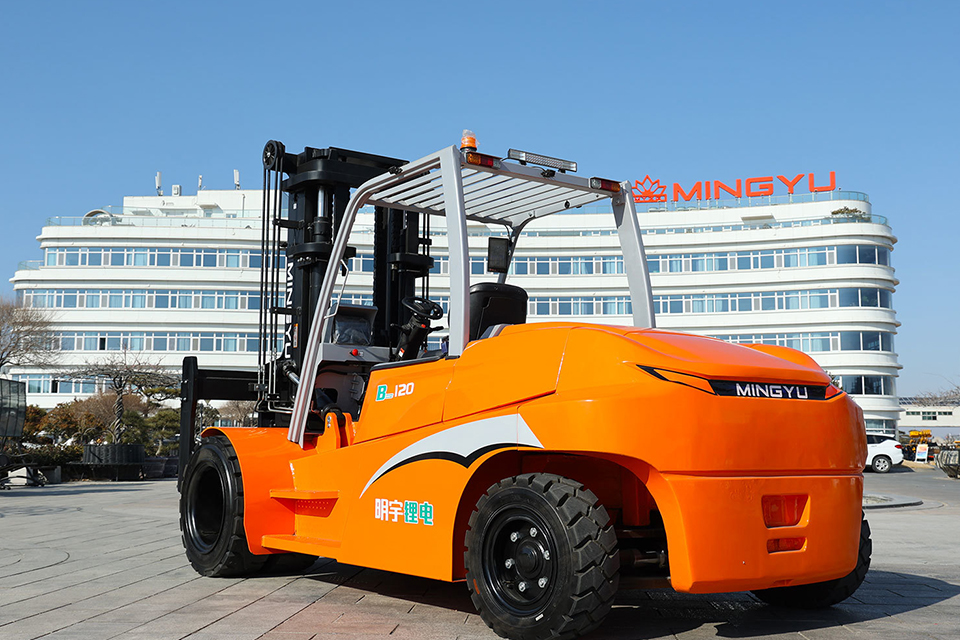
• Indoor operations: Electric forklifts (lower maintenance, zero emissions, lower charging costs). • Outdoor/heavy-duty operations: Diesel or propane forklifts (faster refueling, higher load capacity). • High-usage operations: Lithium-ion electric forklifts (longer battery life, faster charging, lower maintenance than lead-acid).
6. Common Budgeting Mistakes to Avoid
To ensure your forklift budget is realistic and comprehensive, avoid these common mistakes:
Mistake 1: Focusing Only on Upfront Costs
Many businesses make the mistake of choosing the cheapest forklift upfront, only to incur high maintenance, fuel, and repair costs later. Always calculate the total cost of ownership (upfront + hidden costs) to compare options.
Mistake 2: Underestimating Load Capacity or Lifting Height
Choosing a forklift with insufficient load capacity or lifting height can lead to accidents, equipment damage, and the need to purchase a second forklift. Always overestimate your needs by 20–30% to ensure safety and efficiency.
Mistake 3: Ignoring Operator Training and Compliance
Skipping operator training or compliance inspections can result in fines, accidents, and increased insurance costs. Budget for training and inspections upfront to avoid costly penalties.
Mistake 4: Overlooking Battery Replacement Costs (Electric Models)
Lead-acid batteries need to be replaced every 3–5 years, which can cost $5,000–$15,000. Factor this into your long-term budget, or consider lithium-ion batteries (longer lifespan, higher upfront cost but lower replacement frequency).
Mistake 5: Not Negotiating with Suppliers
Forklift suppliers are often willing to negotiate prices, especially for bulk purchases or long-term contracts. Don’t be afraid to ask for discounts, free features, or extended warranties to reduce costs.
7. Conclusion
Budgeting for a forklift requires more than just calculating the upfront purchase price—it requires a holistic understanding of your operational needs, the factors that influence costs, and the hidden expenses that can add up over time. By following the framework outlined in this technical guide, businesses can create a realistic budget that aligns with their financial constraints and operational goals, whether they’re purchasing a small electric pallet jack or a specialized portside container handler.
Remember: The cheapest forklift upfront is not always the most cost-effective in the long run. Investing in a high-quality forklift that matches your needs, prioritizing preventive maintenance, and considering all hidden costs will help you optimize your investment and avoid unexpected financial burdens. Whether you choose a new or used forklift, lease or rent, the key is to balance upfront costs with long-term operational efficiency to get the most value for your budget.
By taking the time to research, compare options, and calculate the total cost of ownership, you can make an informed decision that supports safer, more efficient material handling operations for years to come. The question “How much should I budget for a forklift?” ultimately depends on your unique needs—but with the right planning, you can ensure your budget is comprehensive, realistic, and tailored to your business.
Name: selena
Mobile:+86-13176910558
Tel:+86-0535-2090977
Whatsapp:8613181602336
Email:vip@mingyuforklift.com
Add:Xiaqiu Town, Laizhou, Yantai City, Shandong Province, China
