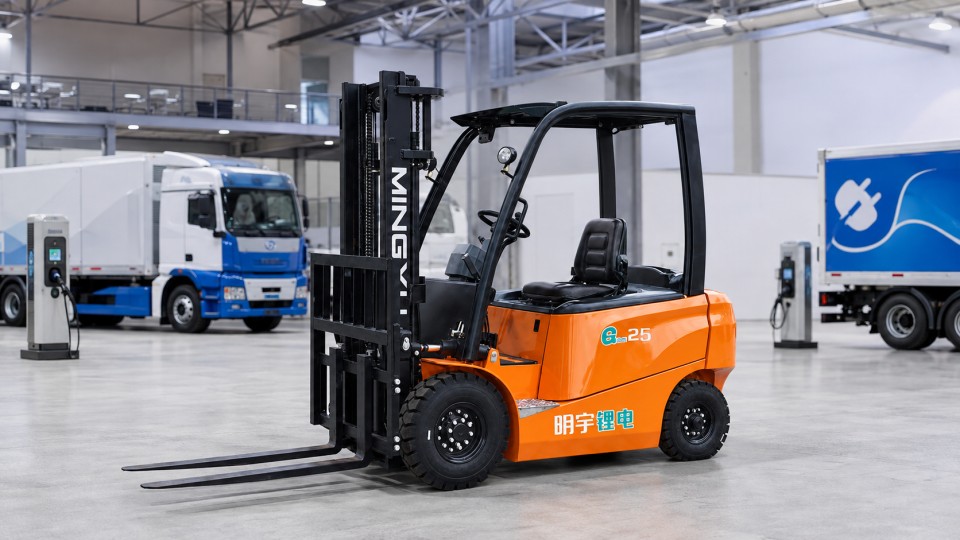
Learn the science behind forklift battery corrosion. Discover how electrolyte creep, overwatering, and electrolysis create white crust, and how to prevent "tracking" to save your equipment.
Analyze Toyota's global strategy for market dominance in the forklift industry. Learn how Toyota Material Handling integrates the Toyota Production System (TPS), System of Active Stability (SAS), and localized manufacturing to remain the world's #1 forklift brand in 2026.
Understand why propane forklifts remain operational in California despite the ZEF regulation. Discover how the 2025 CARB settlement, EPA waiver delays, and infrastructure challenges have paused the 2026 ban on internal combustion material handling equipment.
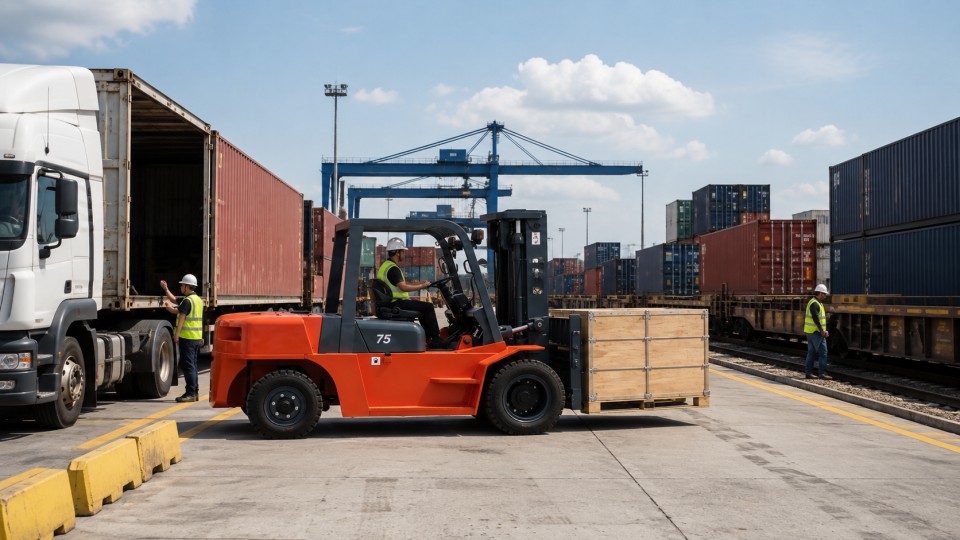
Explore the critical role of forklifts in modern warehousing. This technical guide covers how forklifts drive operational efficiency, maximize vertical storage space, enhance workplace safety, and integrate with 2026 automation standards like AGVs and WMS.
Why do people call forklifts "Hi-Los"? Explore the technical history, regional Michigan roots, and branding evolution behind this iconic industrial nickname, from the Clark Tructractor to the modern Midwest assembly line.
Discover why forklifts generate static electricity and how to prevent painful shocks. This technical guide explains the role of non-marking tires, humidity, and triboelectric charging, offering engineering solutions like grounding straps and anti-static tires.
Explore the engineering logic behind why forklifts use rear-wheel steering. Learn how this design enhances maneuverability in narrow aisles, ensures load stability, and optimizes industrial efficiency according to 2026 safety standards.
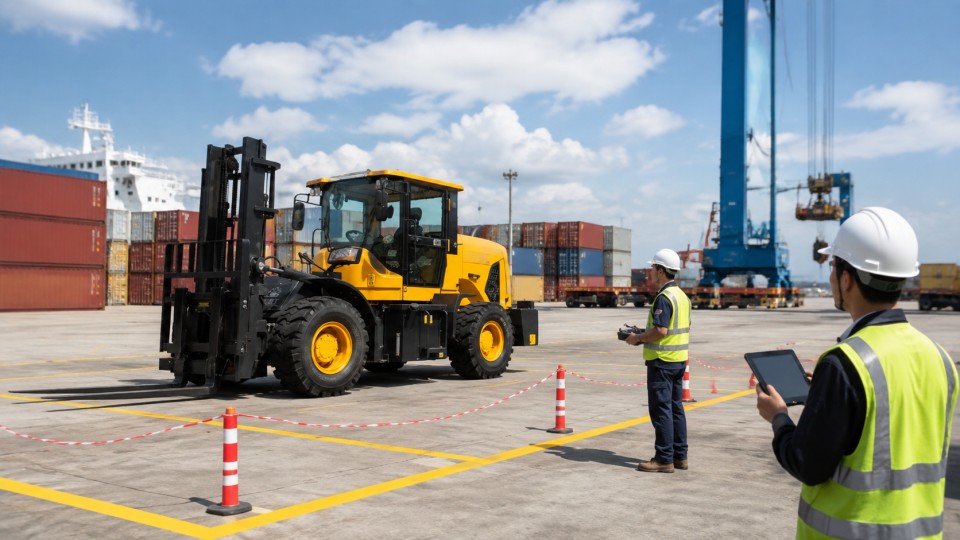
Explore the physics of forklift braking. This technical analysis explains how gross vehicle weight (GVW), momentum, and kinetic energy impact stopping distances in industrial environments to improve warehouse safety and operator training.