Technical deep-dive explaining the physics, standards and real-world limits that determine a counter-balanced forklift’s true maximum lifting height (H5)—from mast deflection and chain strength to tilt, wind and software caps.
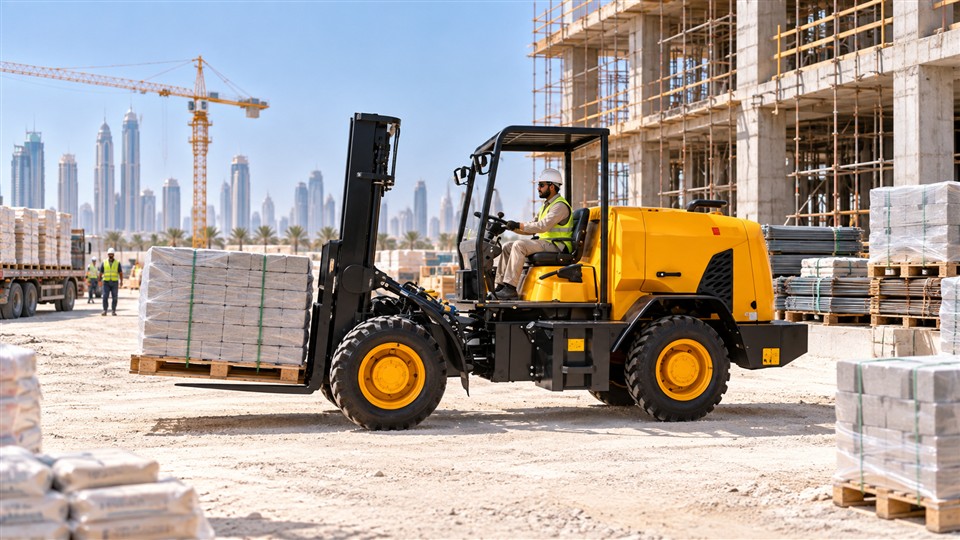
guide detailing IP rating, tyres, clearance, corrosion, power-train, stability and cost factors that determine whether a forklift can legally, safely and economically work outdoors.
Technical analysis: Should you jump-start an IC forklift with a car? Learn the severe risks to your car's alternator and electrical system, the explosion hazard, and the proper, safer methods using booster packs or chargers according to OSHA standards.
The definitive technical answer: Can you get fully forklift certified online? Learn the truth about OSHA 1910.178 compliance, the limits of online courses, and the mandatory on-site practical evaluation required by your employer.
Is driving a forklift without certification legal? No. Learn why OSHA 29 CFR 1910.178 makes formal training, practical evaluation, and triennial re-evaluation mandatory to operate powered industrial trucks safely, preventing fatal tip-overs and securing compliance.
Driving a forklift onto a flatbed trailer is a high-risk technical maneuver. Learn the mandatory OSHA and ANSI safety protocols, the physics of stability (Center of Gravity), and the strict requirements for chocking, ramp capacity, and traveling in reverse to prevent catastrophic tip-over during loading and securement.
Is straightening a bent forklift fork safe? Learn the technical reasons, metallurgical risks (heat treatment loss, micro-fissures), and strict regulatory mandates (OSHA, ASME B56.1) that prohibit unauthorized repair. Discover why replacement is the only safe and compliant solution.