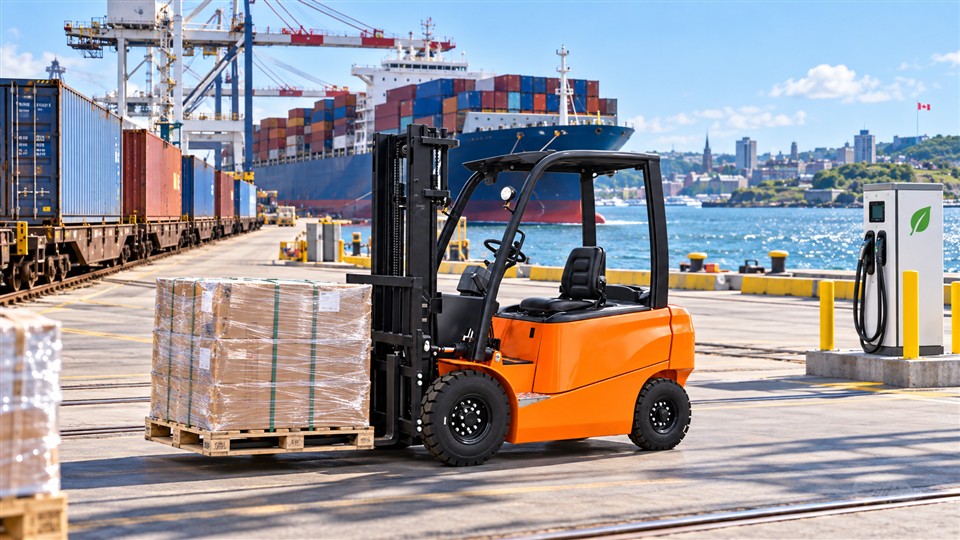
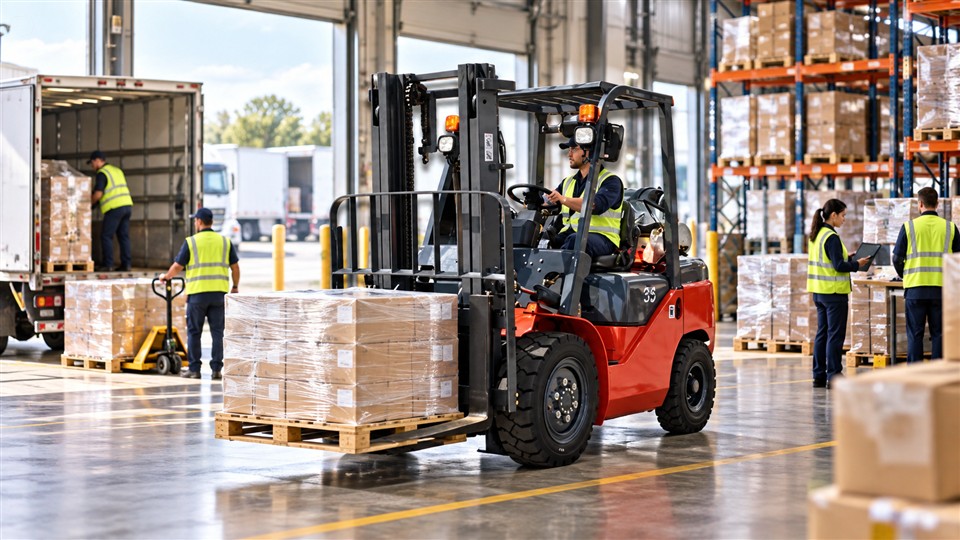
Explore the technical feasibility, safety protocols, and equipment requirements for driving a forklift inside a standard shipping container. Learn about ventilation, dimensional limits, and compact electric forklift models essential for safe container loading and unloading.
In-depth technical analysis explaining why connecting a liquid-withdrawal forklift propane tank to a vapor-regulated BBQ grill is extremely dangerous. Covers the critical differences in valve types, the function of the OPD valve vs. the liquid dip tube, and the resulting risk of a catastrophic, uncontrolled flare-up.
Technical deep dive into the legality and safety of driving forklifts on public roads. Analyzes design disparities, mandatory lighting/signaling modifications, stability concerns (rear-wheel steering), and key international regulations for road-legal operation.
Technical analysis of whether standard or specialized forklifts can move ISO shipping containers. Examines load center constraints, stability physics, structural limits, and the distinction between lifting empty and loaded 20ft/40ft containers.
Discover the essential emergency protocol for a forklift tip-over accident. Learn the OSHA-mandated steps: staying in the cab, leaning away from the impact (lateral tip), leaning forward (longitudinal tip), and the critical post-incident procedures for securing the scene and reporting the accident.
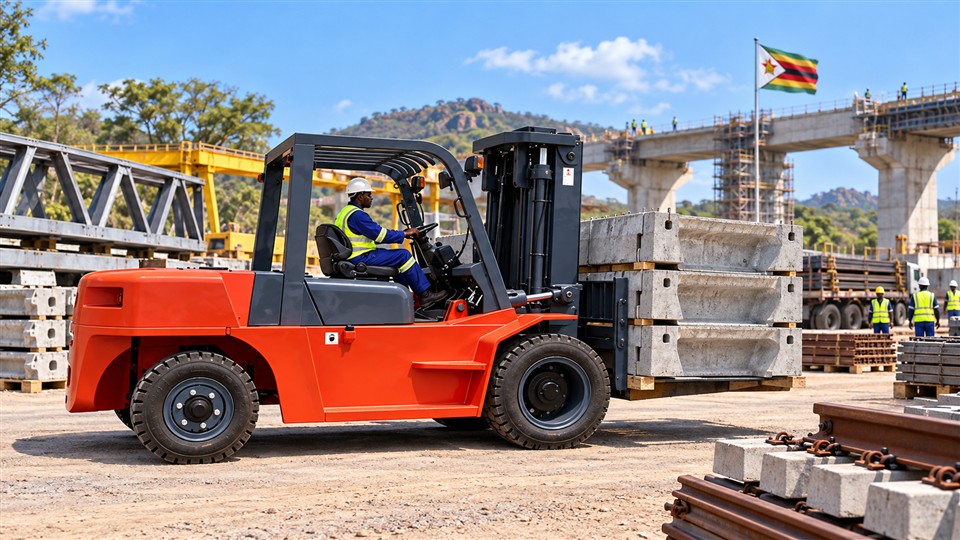
Get the technical breakdown on renting a forklift from The Home Depot. Learn about available equipment classes (industrial, telehandler), rental rates, delivery logistics, and the mandatory OSHA operator certification required for safe and legal operation.
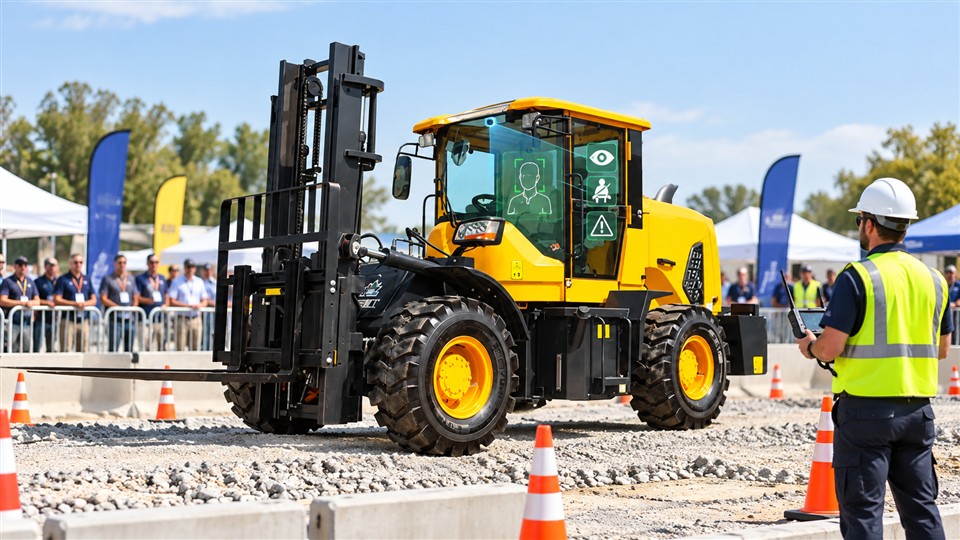
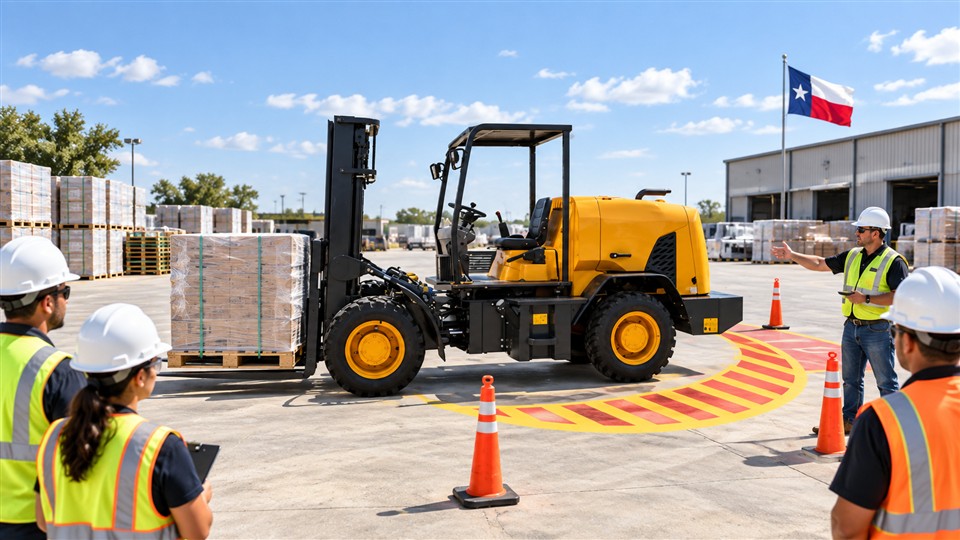
Get the definitive answer: Can you get your forklift license online? Learn about OSHA's 3-part requirement, the limits of online courses, and the blended learning approach needed for full, compliant forklift operator certification.
Comprehensive 2025 guide breaking down every component—counterweight, battery, mast, tyres, attachments—that determines a forklift’s overall operating weight (OOW) and how to predict it within ±2 %.