
vip@mingyuforklift.com
+86-0535-2090977

Introduction: The Forklift Workforce Ecosystem
When operations managers in Southern Illinois ask, "who do I hire that works with a forklift?" they're actually confronting a complex workforce acquisition challenge that extends far beyond simply finding someone to operate equipment. The modern material handling environment requires distinct professional categories—operators who maneuver equipment, technicians who maintain it, trainers who certify competence, and fleet managers who optimize utilization. Each role demands specific qualifications, regulatory compliance, and recruitment strategies. Understanding these distinctions proves critical for warehouse supervisors in Edwardsville, distribution center managers in Decatur, manufacturing plant directors in Springfield, and logistics coordinators throughout the Metro East region.
This technical analysis examines the four primary categories of forklift-related professionals, their qualification requirements under OSHA regulations, recruitment channels, and strategic considerations for building compliant, efficient material handling teams in Southern Illinois's diverse industrial landscape.
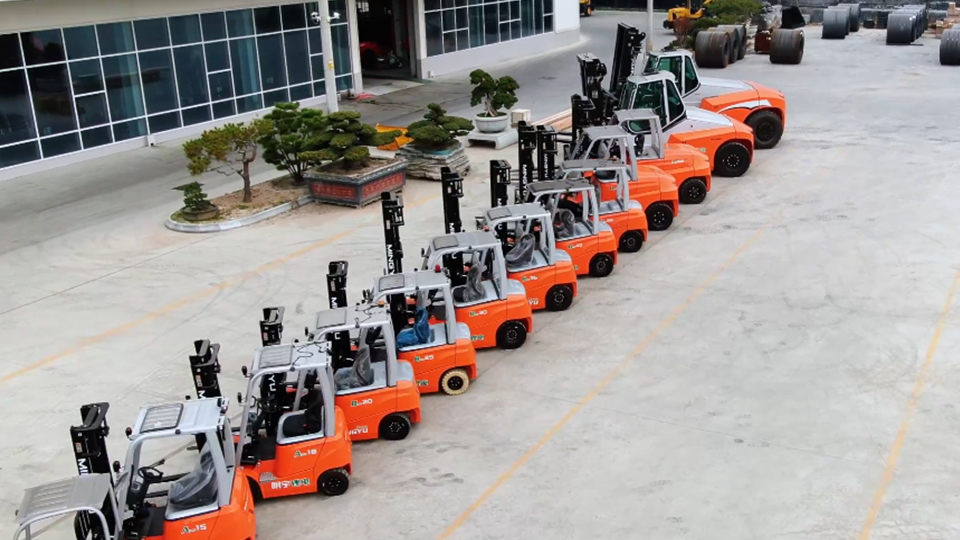
Category I: Forklift Operators – The Frontline Workforce
Regulatory Framework and Qualification Standards
Forklift operators represent the most commonly hired category of material handling professionals. However, federal regulations strictly define who may legally operate this equipment. Under OSHA standard 29 CFR 1910.178, all forklift operators must complete a three-part certification process before independently operating powered industrial trucks .
The certification requirements mandate that operators must be at least 18 years old—a federal requirement with no exceptions . Unlike commercial driving positions, forklift operators do not require state-issued driver's licenses, but they must possess valid OSHA certification specific to the equipment type and workplace environment .
The certification process comprises three mandatory components: formal instruction (classroom or online), practical hands-on training, and performance evaluation by a qualified trainer . Online courses from providers like National Forklift Foundation, CertifyMe, or OSHA Education Center satisfy the formal instruction requirement, but employers must conduct the practical training and evaluation components .
Critically, certification is not transferable between employers. When hiring certified operators from other companies, Southern Illinois employers must re-evaluate the operator's skills on their specific equipment and within their facility's unique hazard environment . This workplace-specific requirement means that even experienced operators require employer-conducted evaluation before independent operation.
Recruitment Channels and Screening Protocols
Southern Illinois operations seeking forklift operators utilize multiple recruitment channels. Local staffing agencies specializing in industrial placement maintain pools of pre-certified operators, though employers must still conduct site-specific evaluations. Job boards targeting the Metro East area, Springfield manufacturing corridor, and Carbondale logistics hub advertise positions requiring OSHA certification.
When screening candidates, employers should verify current certification status through wallet cards or digital credentials featuring QR codes and unique certification numbers . However, certification alone does not guarantee competence. Effective screening should include practical skills assessments covering pre-shift inspections, load handling, maneuvering in confined spaces, and ramp operations .
The hiring process must also account for refresher training requirements. OSHA mandates recertification every three years, or sooner if operators are involved in accidents, observed operating unsafely, or assigned to different equipment types . Employers should verify when candidates last completed refresher training and whether their previous certification covered the specific forklift classes used in your operation.
Compensation and Retention Considerations
Forklift operator wages in Southern Illinois vary based on equipment complexity, shift timing, and industry sector. Standard warehouse operations typically offer entry-level certified operator positions, while specialized environments—such as chemical handling facilities or high-rise storage operations—command premium wages. Retention strategies should emphasize ongoing safety training, equipment modernization, and clear advancement pathways to trainer or technician roles.
Category II: Forklift Technicians – The Maintenance Specialists
Technical Qualification Requirements
While operators handle daily equipment use, forklift technicians ensure operational reliability through preventive maintenance and repair. These professionals require substantially different qualifications than operators, combining mechanical expertise with specific material handling equipment knowledge.
In Illinois, forklift mechanic positions typically require demonstrated experience with internal combustion engines, electric drive systems, hydraulic systems, and mast assemblies . Major employers like Crown Equipment Corporation seek technicians capable of servicing diverse equipment brands, with wage ranges between $23-$28 hourly in markets like Mattoon, Illinois .
Technical qualifications should include familiarity with OSHA maintenance standards, particularly regarding battery charging stations, fuel handling protocols, and overhead guard integrity . Technicians must understand how tire conditions, mast alignment, and brake systems impact operator safety—a competency that bridges mechanical maintenance with operational safety.
Certification and Training Pathways
Unlike operators, forklift technicians do not face federal certification mandates. However, manufacturer-specific certifications from Toyota, Crown, Hyster-Yale, or Mitsubishi enhance employability and service capabilities. These programs typically require completion of factory training courses covering electrical systems, hydraulics, and computerized diagnostics.
Community colleges and technical schools throughout Illinois offer diesel and industrial equipment technology programs that provide foundational training. Kaskaskia College, Lincoln Land Community College, and Southern Illinois University Carbondale maintain programs relevant to material handling equipment maintenance.
Employers hiring technicians should verify experience with specific forklift classes used in their operations—electric narrow aisle trucks require different expertise than internal combustion pneumatic tire forklifts. Diagnostic capabilities for modern equipment featuring CAN bus systems and electronic controls prove increasingly valuable.
Category III: Forklift Trainers – The Competence Validators
OSHA Trainer Qualification Standards
Perhaps the most misunderstood hiring category involves forklift trainers. OSHA does not mandate specific trainer certifications; instead, the standard requires that trainers possess "the knowledge, training, and experience to train powered industrial truck operators and evaluate their competence" .
This flexible standard places qualification responsibility on employers. Effective trainers typically combine extensive operating experience with instructional capabilities. They must understand adult learning principles, hazard assessment methodologies, and evaluation techniques beyond mere equipment operation .
When hiring dedicated trainers or designating internal employees as trainers, Southern Illinois operations should seek candidates with: comprehensive knowledge of OSHA 29 CFR 1910.178, practical experience across multiple forklift classes, demonstrated communication skills, and capability to conduct both classroom instruction and hands-on evaluations .
Train-the-Trainer Programs
Organizations lacking internal training expertise may hire trainers who have completed structured "train-the-trainer" programs. Providers like CertifyMe offer Forklift Train the Trainer Certification covering teaching methodologies, OSHA standards, documentation requirements, and evaluation techniques . While not federally mandated, these programs provide structured preparation for the training role.
Trainers must maintain current knowledge of regulatory changes and equipment technologies. Though trainer certifications do not officially expire under OSHA regulations, best practices recommend regular refresher training to ensure continued compliance and instructional quality .
Category IV: Fleet Managers and Administrators – The Optimization Specialists
Strategic Workforce Category
Modern material handling operations increasingly require professionals who manage forklift fleets as strategic assets rather than mere operational tools. Fleet administrators coordinate maintenance scheduling, operator certification tracking, equipment utilization analysis, and capital planning .
These positions typically require bachelor's degrees in logistics, operations management, or business administration, combined with material handling experience. Technical competencies should include fleet management software, telematics systems, and total cost of ownership modeling. In the Southern Illinois market, fleet administrator positions offer salary ranges typically between $55,000-$65,000 annually .
Integration with Operational Safety
Fleet managers play critical roles in maintaining OSHA compliance across operator populations. They track certification expiration dates, coordinate refresher training, and ensure that equipment assignments match operator qualifications. When hiring fleet managers, emphasize candidates who understand the regulatory relationship between equipment maintenance, operator training, and workplace safety.
Regional Hiring Considerations for Southern Illinois
Geographic Labor Market Dynamics
Southern Illinois presents distinct hiring challenges across its industrial geography. The Metro East area (Belleville, Granite City, O'Fallon) benefits from proximity to St. Louis's larger labor pool but competes with Missouri employers. Central Illinois markets (Springfield, Decatur, Champaign-Urbana) offer strong technical education infrastructure but face competition from agricultural equipment manufacturers for maintenance talent. Southern tier counties (Marion, Carbondale, Mount Vernon) maintain smaller labor pools requiring recruitment outreach or training investment.
Seasonal Workforce Fluctuations
Agricultural processing operations create seasonal demand spikes for certified operators. Grain elevators, fertilizer distributors, and food processors require expanded forklift fleets—and operators—during harvest and planting seasons. Hiring strategies should account for these cyclical needs through temporary staffing relationships or cross-training existing personnel.
Union Considerations
Certain Southern Illinois industrial sectors, particularly heavy manufacturing and warehousing affiliated with logistics giants, may operate under collective bargaining agreements. These agreements often specify training requirements, certification processes, and wage scales for forklift operators. Hiring managers must understand whether positions fall under union jurisdiction and how collective bargaining agreements affect certification and training protocols.
Compliance Verification and Documentation
Recordkeeping Requirements
OSHA mandates that employers maintain training records for all certified operators, including names, training dates, evaluation dates, and trainer identities . When hiring operators, request documentation from previous employers when possible, while recognizing that re-evaluation remains necessary regardless of prior certification status.
For technicians and trainers, maintain records of manufacturer certifications, continuing education, and internal qualification assessments. These documents prove invaluable during OSHA inspections or incident investigations.
Liability and Verification Protocols
Hiring uncertified operators exposes Southern Illinois employers to significant liability. OSHA penalties for non-compliance can exceed $15,000 per violation, with willful violations reaching $70,000 or more . Furthermore, Illinois workers' compensation and tort liability create additional financial exposure when unqualified operators cause accidents.
Verification protocols should include: direct observation of wallet cards or digital credentials, confirmation of certification dates and equipment class coverage, and documented practical evaluations before independent operation authorization. Background checks should verify previous employment and any history of forklift-related incidents.
Strategic Workforce Development
Building Internal Training Capacity
Rather than relying solely on external hiring, Southern Illinois operations benefit from developing internal training capabilities. Designating experienced operators as trainers through train-the-trainer programs creates sustainable certification infrastructure. This approach proves particularly valuable for operations with high turnover, seasonal fluctuations, or specialized equipment requiring specific expertise.
Apprenticeship and Grow-Your-Own Programs
Partnerships with Illinois community colleges and workforce development boards enable structured apprenticeship programs combining classroom instruction with on-the-job training. These programs address regional skill shortages while building loyalty and reducing recruitment costs. The Illinois Department of Commerce and Economic Opportunity supports such initiatives through workforce training grants.
Technology Integration Considerations
Modern forklift fleets increasingly incorporate telematics, automation, and alternative power systems. Hiring strategies should anticipate these technological shifts by seeking candidates with adaptability to automated guided vehicles (AGVs), lithium-ion battery systems, and fleet management software. Technicians require evolving diagnostic capabilities, while operators must understand how technology affects traditional safety protocols.
Conclusion: Integrated Hiring Strategy
Answering "who do I hire that works with a forklift?" requires understanding four distinct professional categories, each with unique qualification requirements, regulatory frameworks, and recruitment strategies. Forklift operators need OSHA certification through formal instruction, practical training, and employer evaluation. Technicians require mechanical expertise and manufacturer-specific knowledge. Trainers must demonstrate instructional capability alongside operational experience. Fleet administrators provide strategic oversight ensuring compliance and optimization.
For Southern Illinois operations, successful workforce acquisition balances immediate operational needs with long-term compliance and safety objectives. The region's industrial diversity—from Metro East logistics to central Illinois manufacturing to southern tier distribution—creates varied demand patterns requiring flexible hiring strategies. By understanding regulatory requirements, verifying qualifications rigorously, and investing in training infrastructure, employers build material handling teams that ensure productivity, safety, and regulatory compliance in an increasingly complex operational environment.
Name: selena
Mobile:+86-13176910558
Tel:+86-0535-2090977
Whatsapp:8613181602336
Email:vip@mingyuforklift.com
Add:Xiaqiu Town, Laizhou, Yantai City, Shandong Province, China
