
vip@mingyuforklift.com
+86-0535-2090977

1. Executive Summary
2. The disconnect between manufacturer marketing and real-world maintenance burdens
Preview of hidden costs, design compromises, and information asymmetries in stacker ownership
Why fleet managers must read beyond the brochure
2. Introduction: The Sales-to-Service Reality Gap
The glossy promises: low TCO, extended service intervals, "maintenance-free" components
The unspoken truth: total cost of ownership is often back-loaded into years 3–5
Why manufacturers have little incentive to highlight long-term pain points
Scope of the article: electric and IC stackers from major OEMs
3. The "Maintenance-Free" Myth
Sealed-for-life mast chains, permanent-lubrication bearings, and "non-serviceable" hydraulic reservoirs
What "maintenance-free" actually means: maintenance is deferred, not eliminated
Real-world failure modes: chain elongation in sealed systems, bearing contamination in washdown environments
The hidden cost of replacement vs. preventative servicing
4. The Proprietary Parts and Software Lock-In
OEM-exclusive CAN bus protocols and encrypted controller diagnostics
The tool monopoly: proprietary handhelds, software licenses, and dealer-only fault code access
Aftermarket part compatibility issues: sensors, controllers, and hydraulic components with serialized DRM
How this inflates parts costs and forces dependency on authorized service networks
The right-to-repair implications for in-house maintenance teams
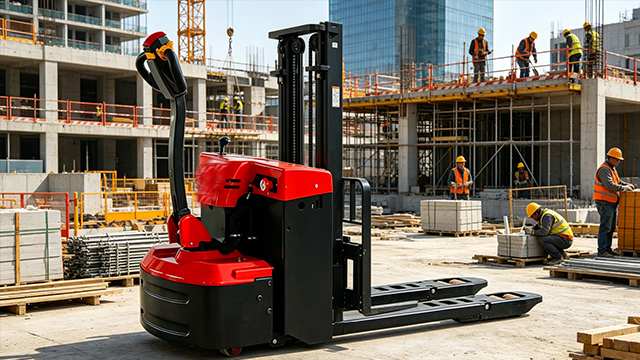
5. Wear Points the Manual Glosses Over
Mast assembly: side roller wear before chain replacement intervals, carriage shoe clearances ignored until failure
Steer axle: kingpin bushings and tie-rod ends that wear faster than PM schedules suggest
Hydraulic quick-connects: micro-leakage and seal degradation in high-cycle operations
Electrical: contactor pitting, potentiometer drift in throttle/height controls, connector corrosion
Why these items are buried in "inspect as necessary" clauses rather than hard intervals
6. Diagnostic Blind Spots: When the Error Code Misleads
CAN bus ghost faults caused by voltage drop, not component failure
Sensor cascading: a failing lift encoder triggering false motor controller faults
The limitations of onboard diagnostics: codes that indicate symptoms, not root causes
Why throwing OEM parts at fault codes often fails to resolve intermittent issues
7. The Truth About Extended Service Intervals
How marketing departments stretch PM intervals to win TCO comparisons
The engineering reality: oil degradation, filter saturation, and thermal cycling don't follow sales calendars
Hydraulic fluid and gear oil: manufacturer "lifetime" claims vs. contamination analysis
The long-term impact on resale value and warranty claims when intervals are followed too literally
8. Hydraulic System Half-Truths
Hidden filter locations: suction strainers and case drain filters omitted from operator-level documentation
The contamination risk of "sealed" systems during mast cylinder seal replacement
Why manufacturers rarely emphasize hydraulic oil sampling
Thermal management failures: coolers clogged with pallet debris, ignored until pump cavitation occurs
9. Battery and Charging: The Unspoken Wear Accelerators
Opportunity charging and fast-charge programs marketed without discussing lithium plating or electrolyte stratification
BMS "state of health" algorithms that are optimistic by design
Lead-acid watering systems: maintenance-free marketing vs. weekly electrolyte checks in reality
The true cycle life under real-world duty cycles vs. laboratory test conditions
10. The Training and Documentation Gap
Service manuals that reference special tools without part numbers or sources
Wiring diagrams that stop at the controller pinout, omitting internal logic
Dealer technician training as a profit center, not a knowledge transfer
What in-house teams are never taught: controller parameter tuning, hydraulic pressure stacking, CAN bus termination
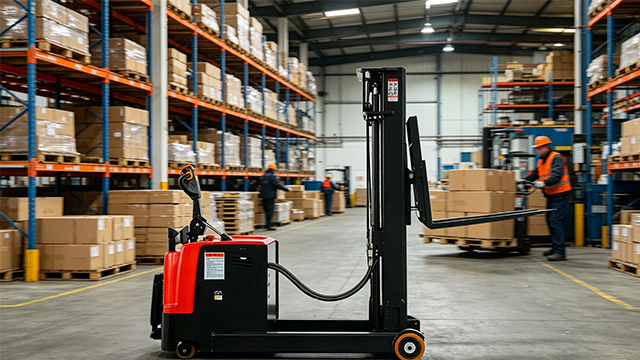
11. Mitigation Strategies for Fleet Managers
Building an independent maintenance data set: tracking actual failure modes vs. OEM recommendations
Oil analysis and vibration monitoring as countermeasures to overstated intervals
Negotiating diagnostic tool access and software licenses at point of purchase
Aftermarket part validation programs and cross-referencing strategies
When to break the manual: evidence-based interval adjustments
12. Conclusion
Recap: Manufacturers optimize for initial sale and warranty compliance, not your year-5 maintenance budget
The empowered fleet manager: questioning specifications, tracking real data, and demanding transparency
Final thought: The most expensive maintenance is the kind you didn't know was necessary
Name: selena
Mobile:+86-13176910558
Tel:+86-0535-2090977
Whatsapp:8613181602336
Email:vip@mingyuforklift.com
Add:Xiaqiu Town, Laizhou, Yantai City, Shandong Province, China
