vip@mingyuforklift.com
+86-0535-2090977

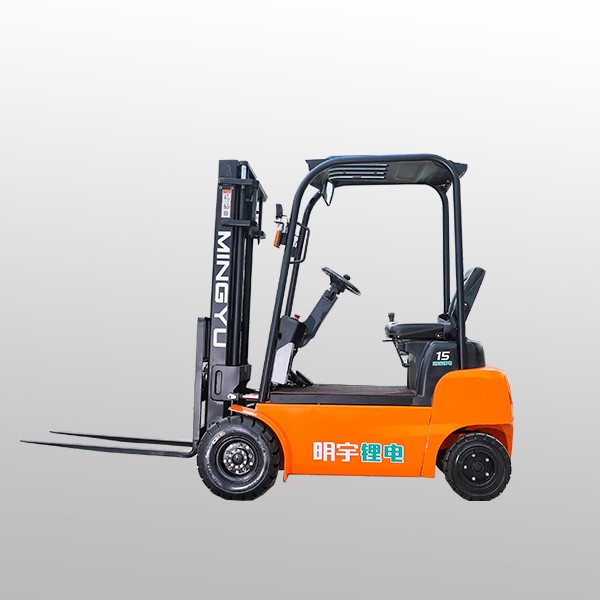
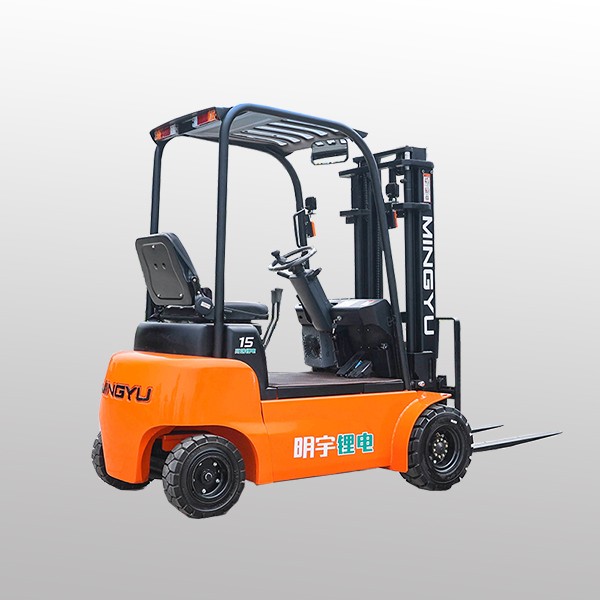
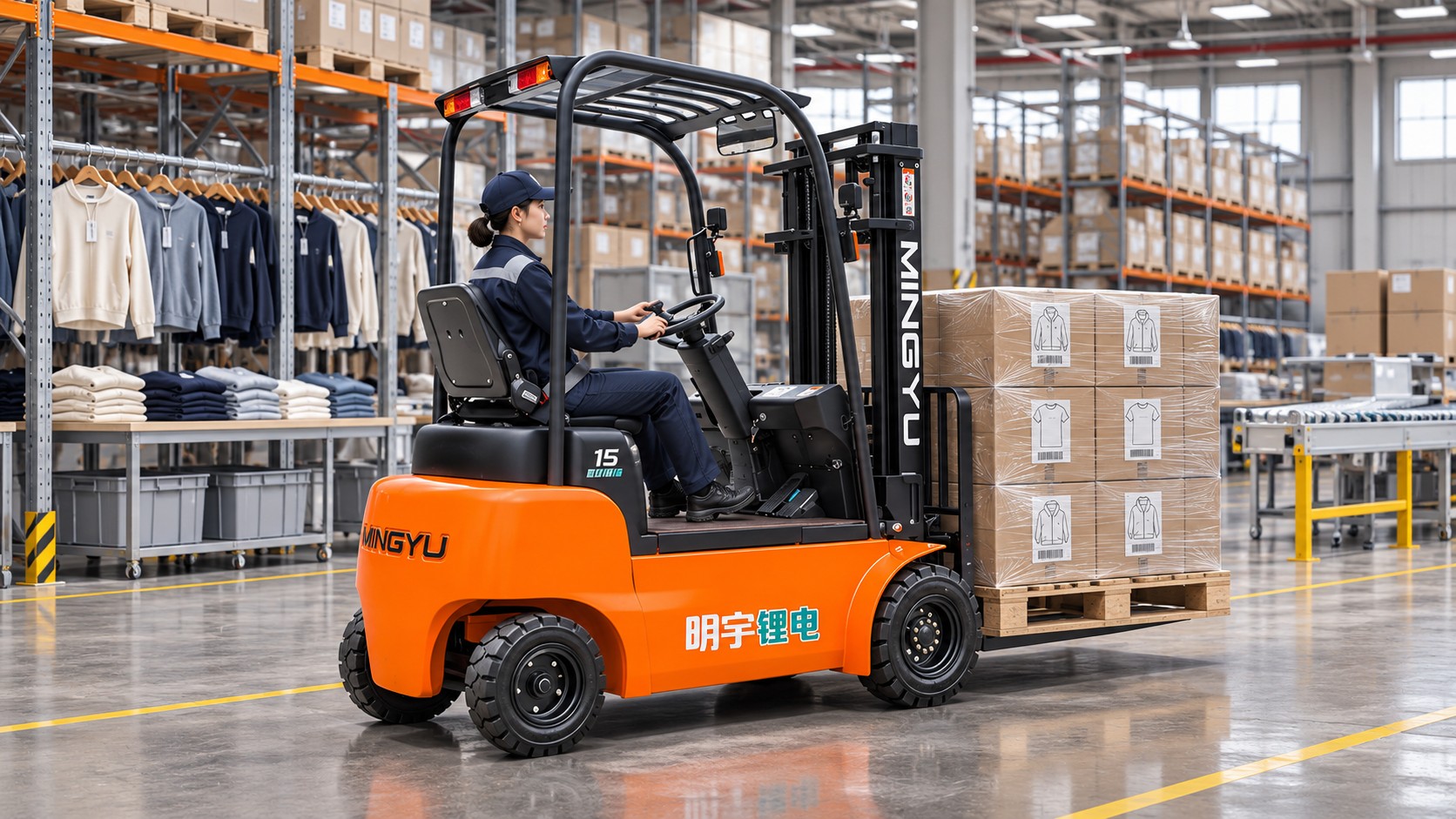
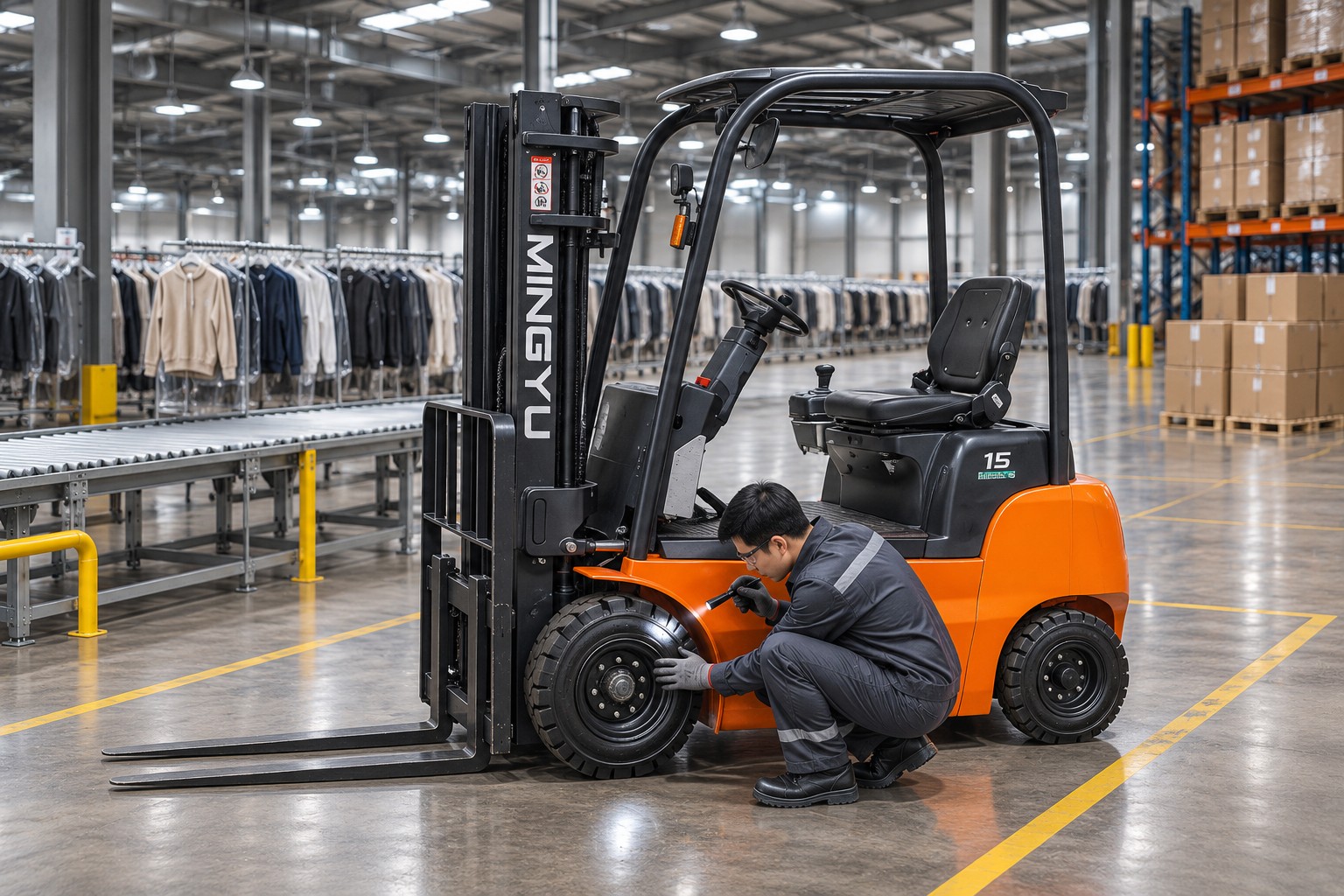
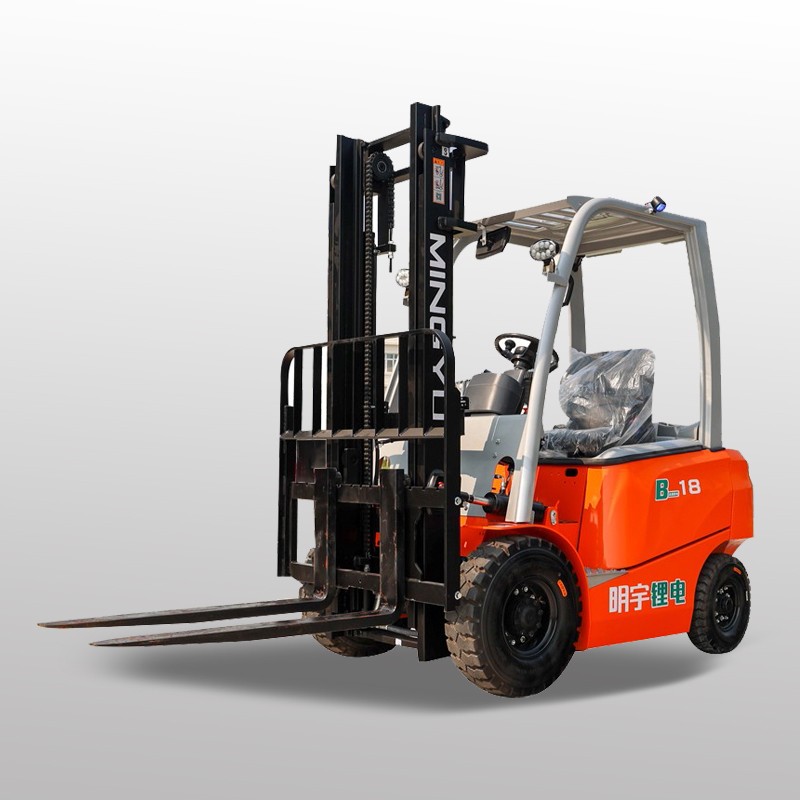
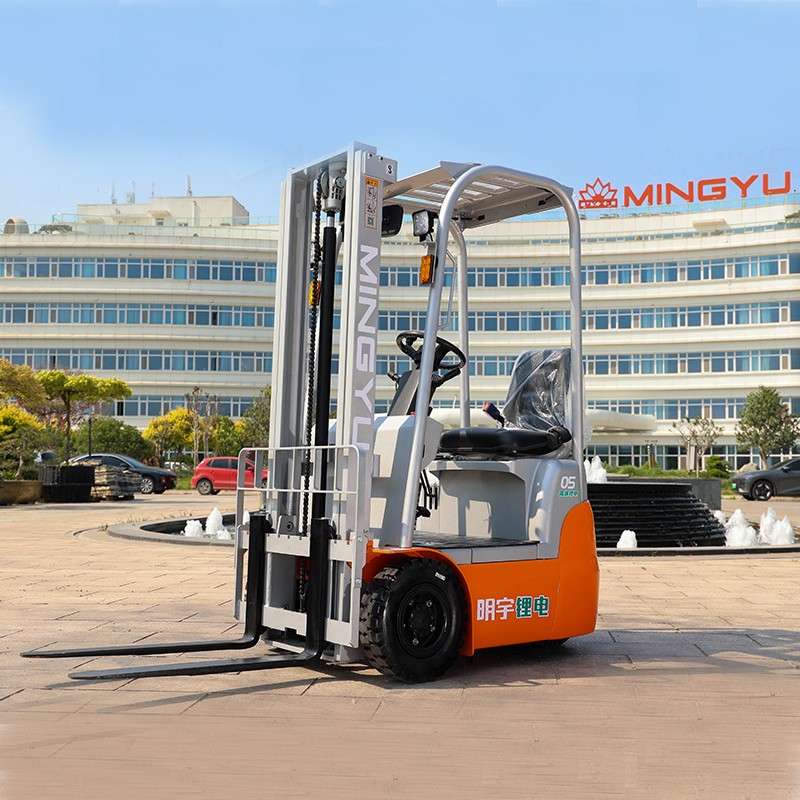
An apparel distribution center handles a changing mix of garment cartons, hanging stock, returned goods and store replenishment pallets. The challenge is to keep inbound and outbound lanes moving while protecting clothing, packaging and warehouse staff. The CPD15B / B15 is a compact electric counterbalance forklift shown in the original MYZG product photographs with an orange lower body, dark overhead guard, MINGYU mast marking and 15 side marking. ZGFORKLIFT / MYZG presents this application guide for buyers assessing that genuine model family for indoor garment logistics. Final capacity, battery, mast and dimensions must be confirmed from the specific quotation and delivered truck plate.
Fashion warehouses often receive mixed pallet sizes, seasonal volume peaks and short delivery windows. A buyer needs a truck that can approach a loading bay, carry a stable pallet to a pick or reserve location, and return without blocking pedestrian work. An electric forklift can be considered for these routes where site rules allow battery equipment, the floor is suitable and ventilation and charging facilities are planned. The CPD15B should be evaluated against real pallet weight including the pallet, packaging, any attachments and load-center position. A nominal class in a model name is not a promise of safe capacity at every height.
Start with a route map: receiving dock, quality check, reserve racks, packing stations and dispatch doors. Record the tightest aisle, door clearance, rack beam height, ramp grade and floor condition. Check whether the operator must reverse in confined areas and whether pedestrian segregation and warning devices are needed. Those measurements guide mast, tires, fork length and any optional attachment. The buyer should request a written configuration drawing and a capacity plate for the selected setup before placing an order.
For an apparel pallet, measure the heaviest carton mix during the busiest season, not only the average daily load. Verify the actual load center and the height at which the pallet will be stored. If a carton overhangs the pallet, plan fork spacing and load stability before assuming a side-shift option will solve alignment. Compare travel distance and duty cycle with the proposed battery and charger. A useful request for quotation lists the number of shifts, charging windows, local electrical supply, ambient temperature and any restrictions on the charging area. Ask for the supplied battery chemistry, charger compatibility, service access and documented operating instructions rather than relying on a generic product-family claim.
The original CPD15B model page is the visual reference for this listing. Buyers comparing alternatives can browse the electric forklift category and the wider All Products range. This comparison matters when the facility has different loading heights or when one model needs to serve both floor-level transport and racking. The purchaser should compare complete quotations on rated configuration, delivered accessories, training, spare parts and shipping terms rather than comparing headline capacity alone.
At receiving, the operator can move a correctly secured garment carton pallet from the dock to a marked inspection lane. The warehouse team should keep fork tips inside the pallet, lower the load for travel and separate pedestrian routes. At reserve storage, the mast choice and residual capacity become more important than the nominal class. At dispatch, narrow queues and quick changes between stores reward a clear traffic plan and assigned pallet staging zones. For returns, damaged cartons or uneven loads should be repacked or contained before forklift handling; a truck must not be used to compensate for an unstable unit load.
If frequent fine alignment is required at racks, discuss a compatible side shifter option with the supplier and request the revised residual-capacity information. An attachment changes the handling calculation and should be part of the confirmed order, not an afterthought. For maintenance planning, review the available parts support information and ask which wear items and electrical components can be supplied for the exact serial-number configuration. Keep a local list of consumables, diagnostic contacts and lead times so a peak-season breakdown does not interrupt store replenishment.
A sound buying guide starts with the site survey and ends with a written acceptance checklist. Send the supplier pallet dimensions, maximum gross load, target stacking height, narrowest turning space, floor and ramp conditions, desired work pattern and destination market. Request the exact CPD15B configuration, battery and charger specification, mast data, fork dimensions, tire type, shipping dimensions and operator documentation. Confirm the scope of commissioning, staff training, warranty terms and spare-parts procedure in writing. If the forklift will be exported, agree on packaging, shipping documents and local electrical compatibility before production or dispatch.
For company background, see Shandong Zhuogong Machinery Equipment Co., Ltd. The buyer should request documentary evidence for any required CE conformity, market-specific safety standard or EPA-related requirement on the exact machine and destination. An electric forklift should not be advertised as holding an unverified engine-emission approval. Ask for the applicable documents and review them with the local importer or compliance adviser. Export experience, service capability and customer references are valuable only when the particular shipment, service scope or reference is verified; ask the sales team for relevant evidence rather than treating a general website statement as a guarantee.
A trained operator should perform a pre-shift check of forks, mast, tires, hydraulic lines, visible damage, warning devices, battery state and any error messages. Follow the supplied manual for charging, inspection intervals and safe shutdown. Keep the charging space clear, use the matching charger and avoid improvised electrical connections. Log battery warnings and service actions against the truck serial number. The warehouse manager should also check floor debris, rack protection and pallet condition: these factors can cause more daily interruptions than the forklift specification itself.
Review the site's frequently asked questions for general purchasing topics, then obtain model-specific instructions from the sales and service team. Build a maintenance calendar that fits shift patterns and busy retail seasons. Operators should report changes in braking, steering, lifting speed or unusual sounds immediately. A service technician should assess faults before the vehicle returns to work. This routine supports safer handling of clothing cartons and more predictable dispatch schedules without inventing a performance or service-life figure.
A distributor serving apparel and retail logistics customers can use the CPD15B as a conversation around the customer's actual route. Document a survey template, an option matrix, charger requirements, recommended training and a spare-parts plan. Keep demonstrations limited to loads and conditions approved for the demonstration truck. When a customer asks for a larger truck, higher mast or different attachment, compare configurations transparently rather than promising that one compact forklift covers every task. A clear handover file with the confirmed specification and service contacts helps dealers resolve questions after delivery and supports repeat orders on verified performance.
To request a CPD15B configuration for garment distribution, contact Shandong Zhuogong Machinery Equipment Co., Ltd. through the contact page, email vip@mingyuforklift.com or call +86-0535-2090977. Share your floor plan, pallet data, destination, electrical supply and target delivery schedule. ZGFORKLIFT / MYZG can then discuss the appropriate configuration and the documents that can actually be supplied for your order.
Name: selena
Mobile:+86-13176910558
Tel:+86-0535-2090977
Whatsapp:8613181602336
Email:vip@mingyuforklift.com
Add:Xiaqiu Town, Laizhou, Yantai City, Shandong Province, China