vip@mingyuforklift.com
+86-0535-2090977

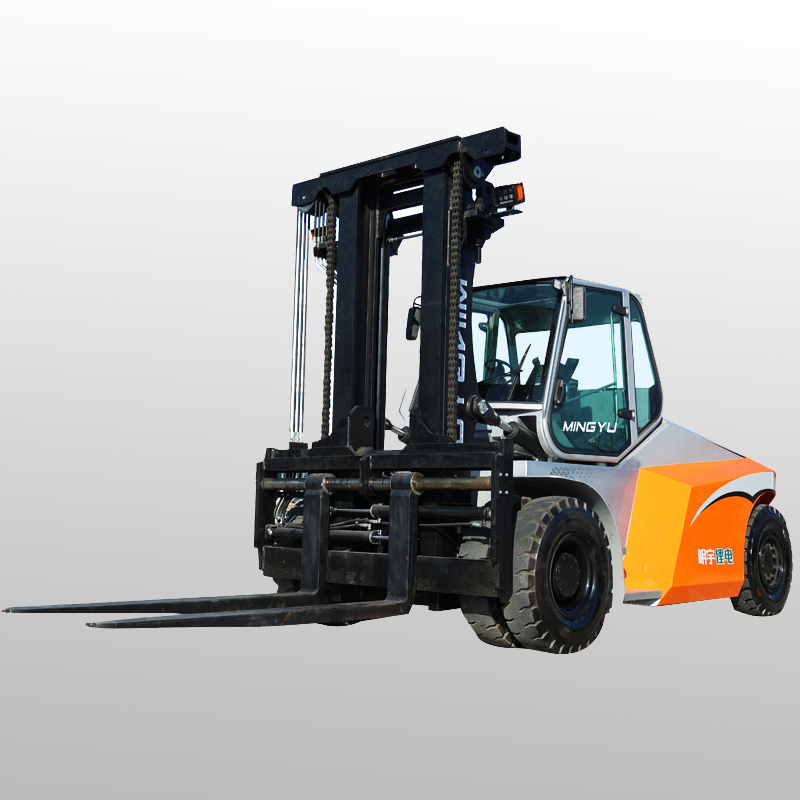
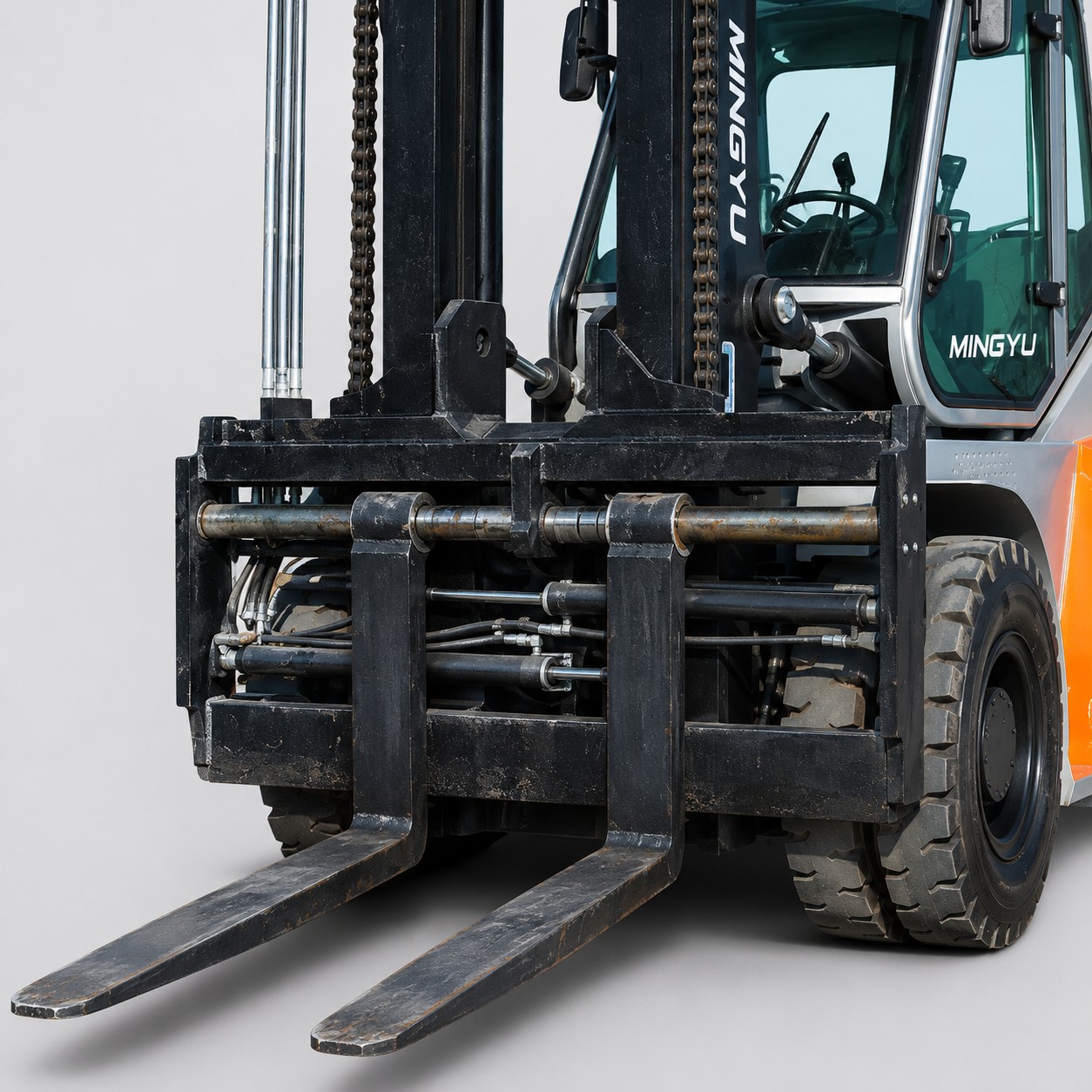
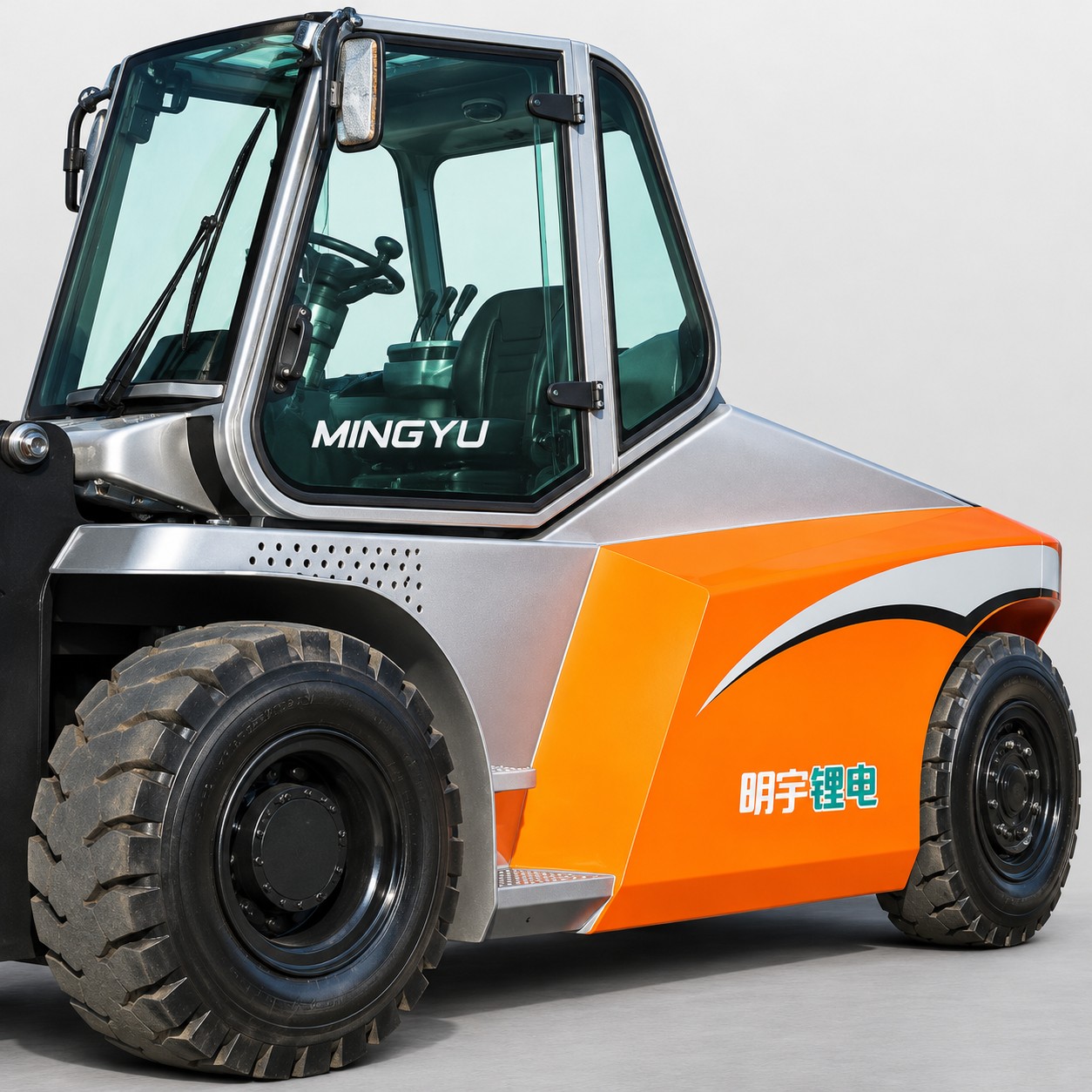
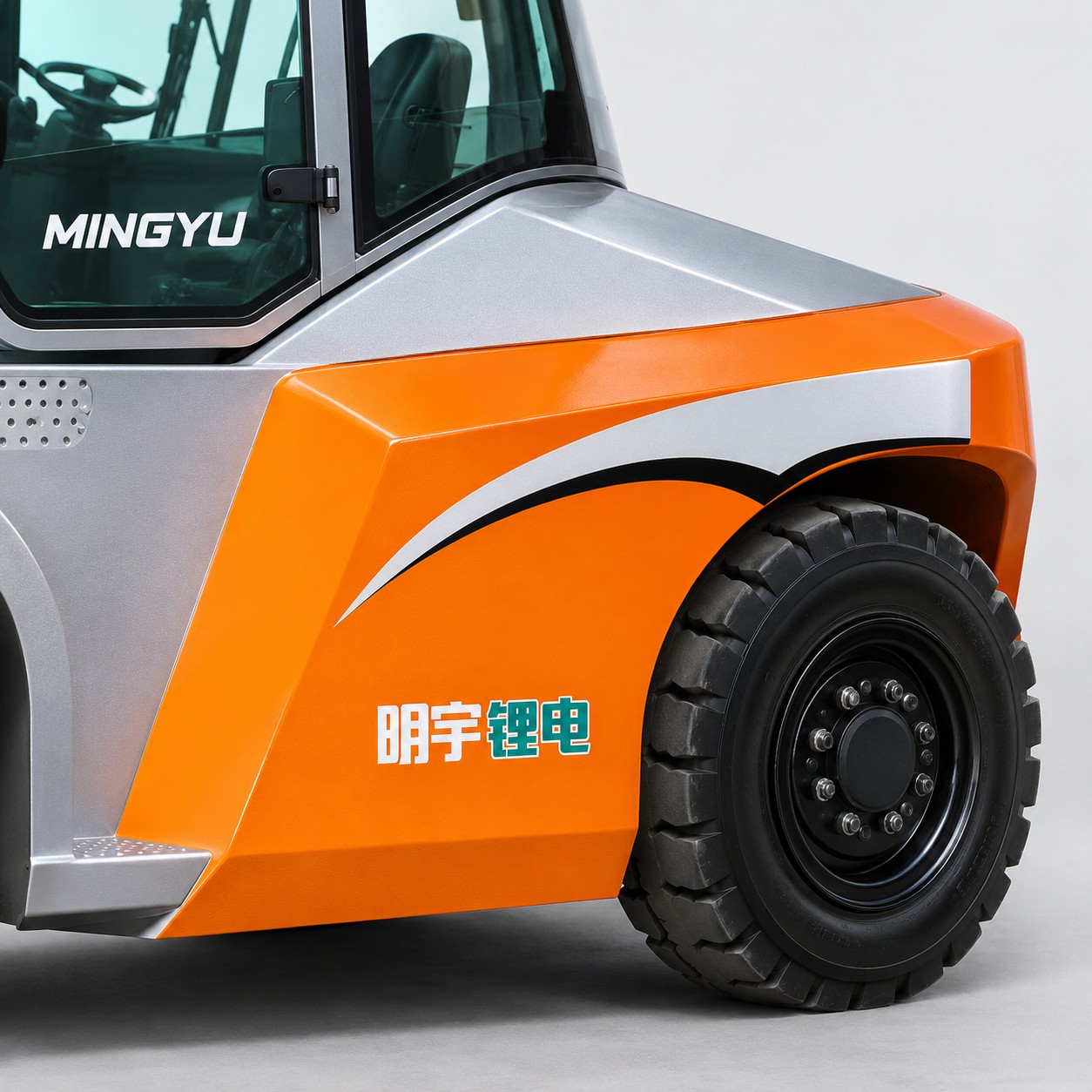
The ZGFORKLIFT / MYZG CPD160 is a site-listed, heavy-duty lithium electric counterbalance forklift. The original product page states a 16,000 kg rated-load class and shows a silver and orange enclosed-cab machine with a black mast and two forks. This page is a purchasing and application guide for large packaged components in a heavy manufacturing plant, machinery warehouse or port-adjacent industrial yard. It is not a blanket promise that every 16-ton load can be moved: the actual capacity plate, load center, lift height, attachment, battery and surface determine what the delivered truck may handle. Shandong Zhuogong Machinery Equipment Co., Ltd. should confirm the order-specific configuration before any operation.
Start with a list of representative loads, including their mass, dimensions, center of gravity, support frame and fork entry. Long machinery crates and steel assemblies may place their center of gravity farther forward than a standard pallet. Record the highest placement point, the narrowest gate, aisle and turning area, and whether the truck crosses a ramp or loading bridge. Survey the floor or yard for bearing strength, slopes, joints, drains and wet areas. Check the traffic plan for pedestrians, cranes and trailers. A customer needs a stable handling system, not just a machine with a large headline tonnage. Unstable, suspended or poorly supported loads need another handling method.
The original CPD160 product reference lists a lithium-powered 16-ton class truck. Its published technical table gives a 900 mm load center, but those figures must be matched to the exact quoted configuration and supplied plate. Request the mast, fork length, carriage, tire, battery pack, charger, machine mass and operating dimensions in a signed technical schedule. Confirm that the floor and any transport vehicle can support the truck plus load. If a clamp, fork extension or other accessory is planned, obtain a residual-capacity calculation for that combination before approving it.
Compare suppliers using the same duty sheet: load cases, handling cycle, daily operating hours, maximum lift, route distance, temperature, available charging power and destination country. Ask whether the proposed battery and charger fit the shift schedule and electrical installation. Discuss charging location, ventilation and fire precautions with the site electrical and safety teams. Estimate the time needed for charging, planned service and contingencies if a charger is unavailable. An electric truck can remove tailpipe exhaust from the work area, but it still needs suitable traction, braking and ground support. Validate visibility, turning space and access around the loading area with a supervised trial.
The electric forklift category offers smaller electric alternatives for lighter work, while the diesel forklift category supports a power-source comparison. The CPD100 product reference is a lower rated heavy electric family and may suit a different load range. Do not infer interchangeable capacity from appearance. Ask for the actual truck plate, battery documentation, delivery test and operating manual. The purchase agreement should state the complete configuration, spare parts, warranty scope, commissioning tasks and who is responsible for the charging installation.
Potential tasks include transferring heavy machinery modules between production cells, moving stable crated equipment to dispatch and handling approved steel or fabricated components at a sheltered logistics area. Set a defined pickup position and check pallet or cradle strength. Keep forks low during travel, travel at a speed appropriate to the load and surface, and avoid abrupt steering with a high center of gravity. Mark pedestrian crossings and coordinate with overhead lifting teams so no one enters the truck path or walks under a suspended load. If a truck must enter a trailer or cross a dock plate, assess the bridge rating, restraint, level change and clearance before work starts.
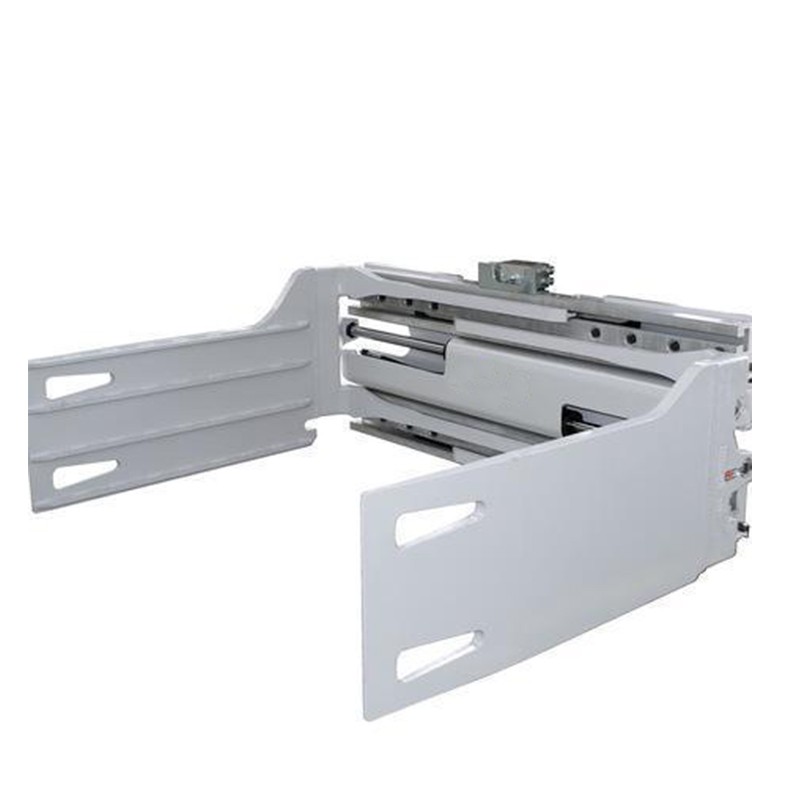
The All Products catalog helps a buyer compare handling methods. The attachment category shows possible load-handling accessories, but each accessory needs a fitment and revised-capacity check. The handling equipment service guide provides another reference for maintenance planning. Use these pages to prepare a technical inquiry, then verify availability and application fit with the supplier and a competent site team.
Before each shift, inspect forks, carriage, mast chains, hydraulic hoses, tires, steering, service and parking brakes, seat restraint, lights and warning devices. Check for fluid leaks and damage around the battery enclosure and charging connectors. Follow the delivered manual for battery state-of-charge limits, approved charging procedure, isolation, cleaning and service intervals. Never improvise a charger or bypass an alarm. Keep the charging area clear, protected from vehicle impact and accessible to trained personnel. Record defects and remove the truck from service when a safety-critical fault appears. A planned parts and service route reduces downtime during busy dispatch periods.
For overseas orders, request the equipment specification, packing list, battery transport documentation, manuals and destination-specific compliance evidence. The company information page can begin supplier due diligence. Ask for CE documentation where applicable to the market and exact configuration; EPA rules primarily concern relevant engine equipment and should not be claimed for this electric truck without a specific basis. Request verifiable export references, service commitments and cooperation cases if they influence procurement. This page does not assert a certificate number, export volume, customer logo or installed project without evidence.
A dealer should document the end user's duty profile, the selected truck and battery specification, charger interface, pre-delivery inspection and operator familiarization. Keep a clear process for parts identification, technical escalation, warranty questions and remote support. Compare total ownership cost using electricity, battery and charger care, tires, forks, planned service, operator training and downtime. After commissioning, review charging patterns, impacts, tire wear and operator feedback. Reassess the configuration whenever loads, routes or shifts change. A repeatable service process is more useful to the customer than a general claim of support without a response plan.
Send Shandong Zhuogong Machinery Equipment Co., Ltd. load weights and dimensions, lift height, route and floor information, shift schedule, charging supply and destination country. ZGFORKLIFT / MYZG can then discuss the CPD160 configuration and the documentation needed for that order. Email vip@mingyuforklift.com, call +86-0535-2090977 or use WhatsApp +86 131 8160 2336. Website: www.vavforklift.com. Ask for a written technical schedule and a demonstration using representative loads before the final purchase decision.
Name: selena
Mobile:+86-13176910558
Tel:+86-0535-2090977
Whatsapp:8613181602336
Email:vip@mingyuforklift.com
Add:Xiaqiu Town, Laizhou, Yantai City, Shandong Province, China