vip@mingyuforklift.com
+86-0535-2090977

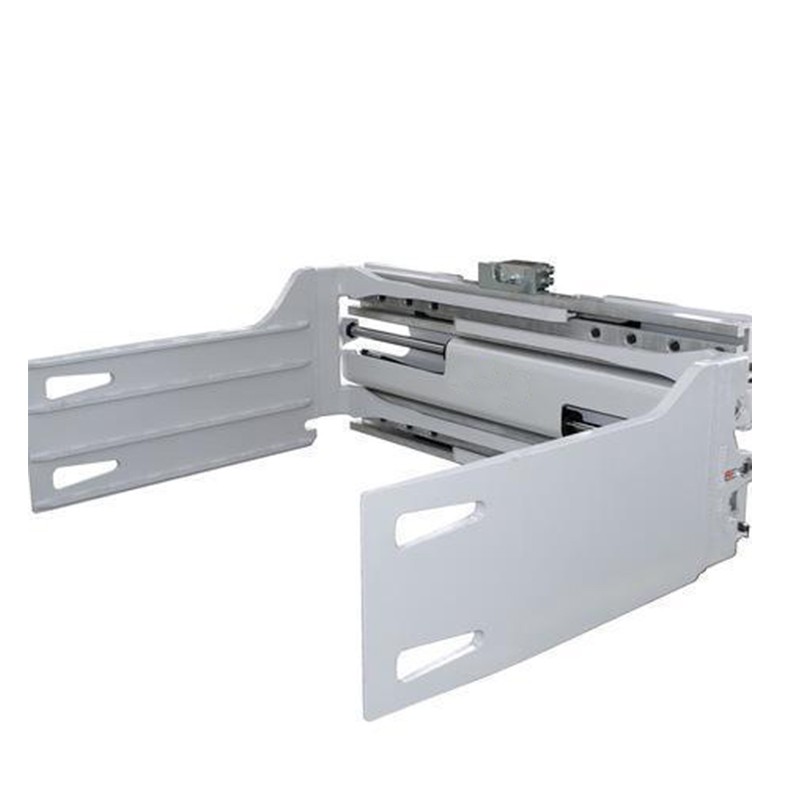
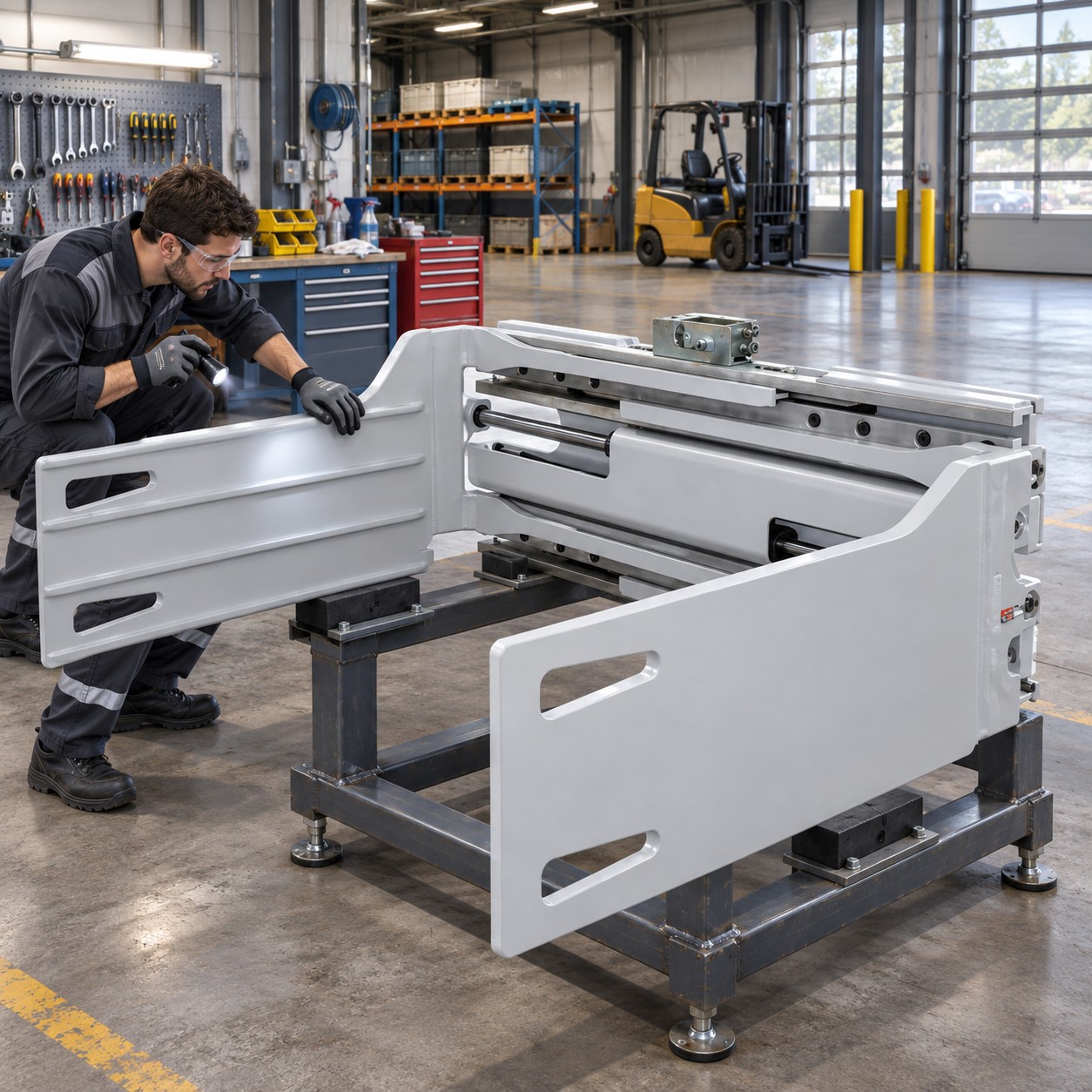
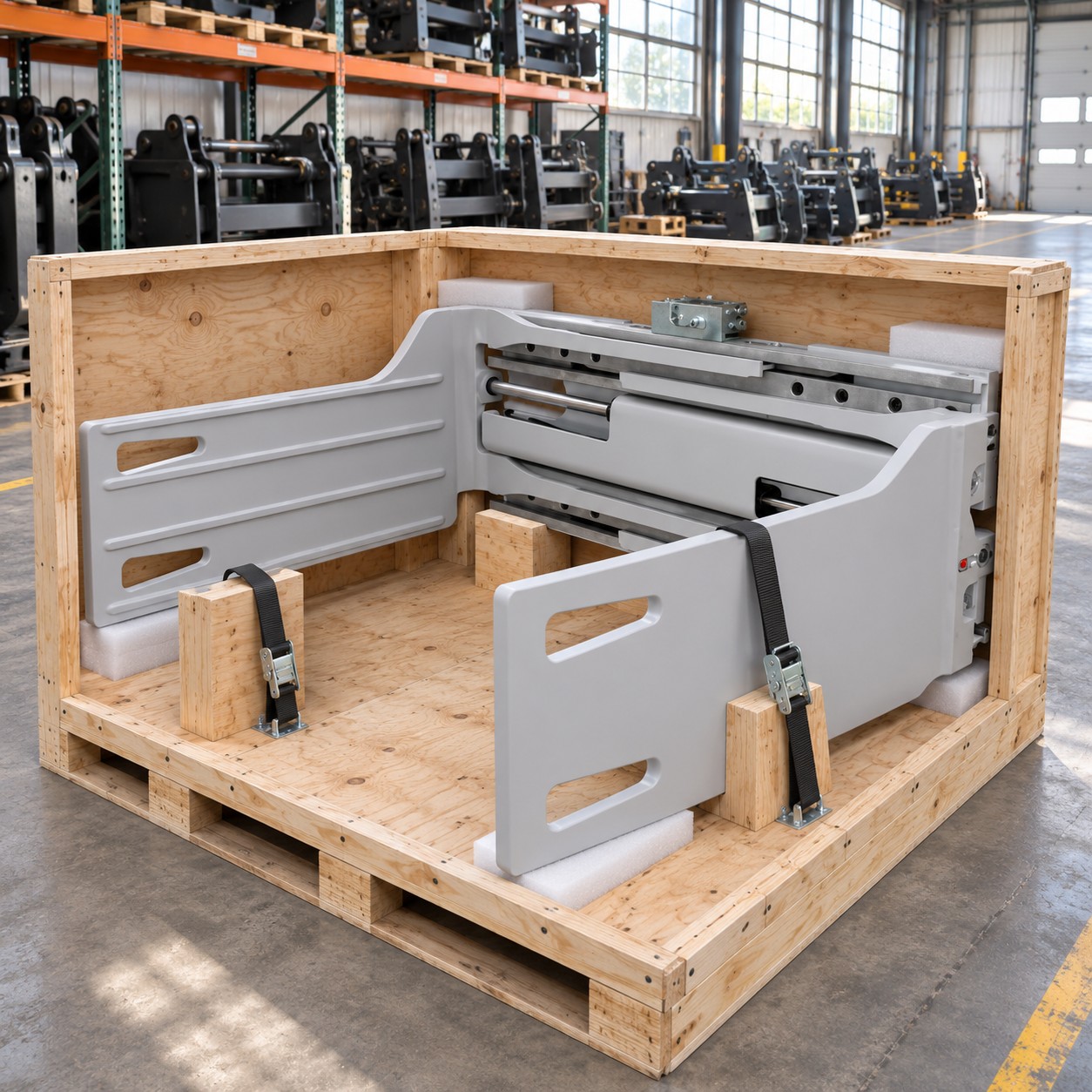
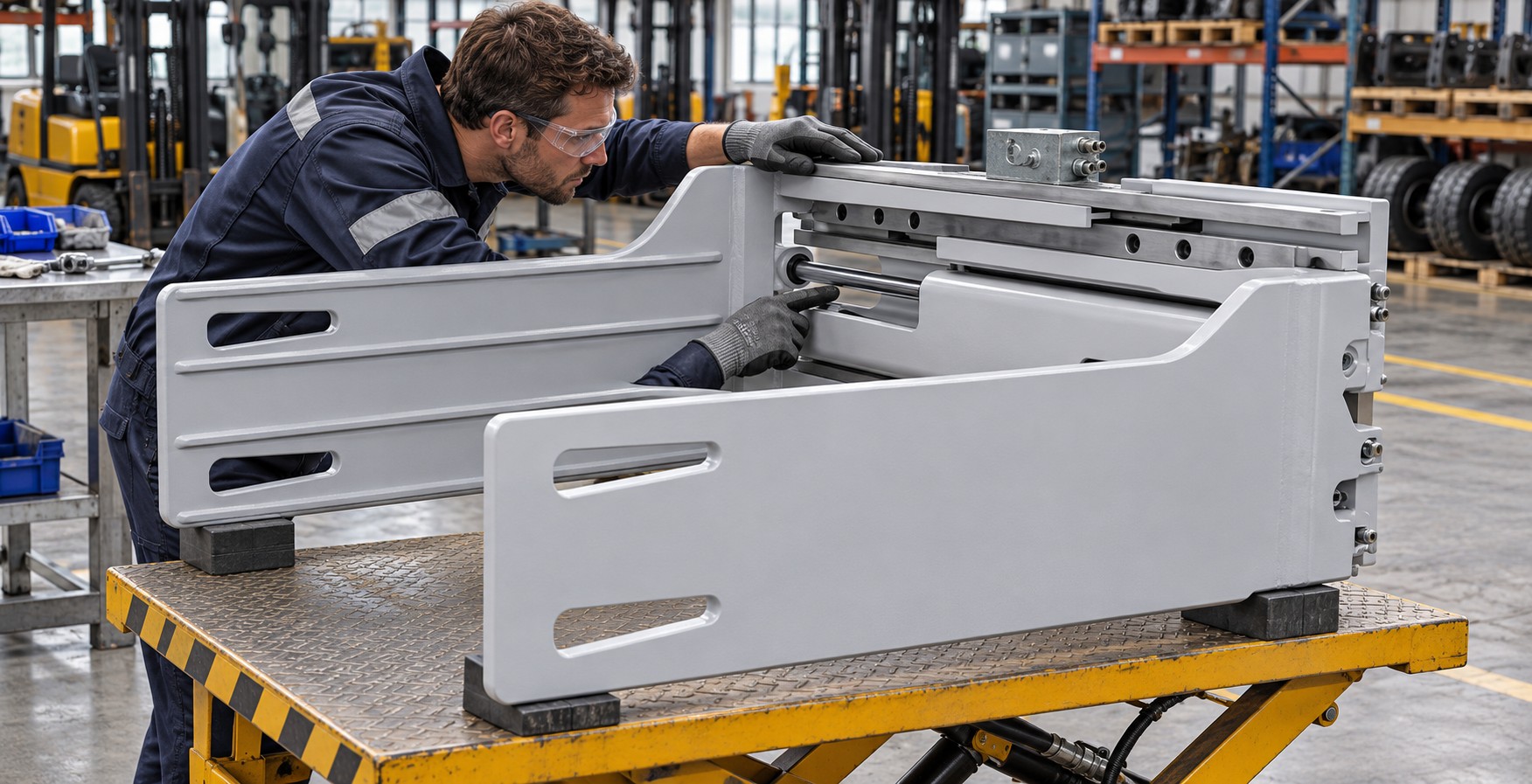
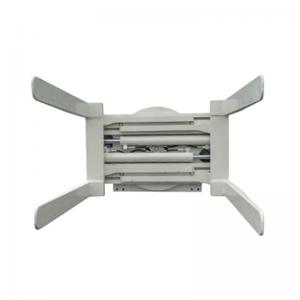
The ZGFORKLIFT / MYZG flat clamp is a forklift attachment pictured on the company's existing product listing as a light-gray central carriage with two broad forward arms. It can be assessed for suitable loads that require controlled side contact rather than conventional fork support. The original listing does not provide confirmed capacity, dimensions, arm opening range, contact pressure or host-truck requirements. These must be obtained for the exact unit offered. A safe purchase starts with the product being handled and its packaging, then checks the proposed attachment, the host forklift and the site's operating method together.
A warehouse may have flat-sided, stable goods that need careful pickup, transport and placement. Before proposing a clamp, record the load's mass, width, height, surface finish, center of gravity and allowable contact force. Ask whether the goods are wrapped, banded or otherwise secured. Determine how the load could deform, slip or be damaged by pressure. A flat clamp is not a universal replacement for forks, and it must not be used on a package that cannot safely tolerate the required force. Potential applications need an actual handling trial or documented assessment rather than a promise based on a generic photo.
Map the route from receiving to storage or dispatch. Measure the narrowest aisle, gate, rack position, dock approach and turning area. Identify pedestrians and other machines, and separate them from the planned clamp travel path. If loads are placed high, check visibility and the delivered truck's capacity at that lift height. Obtain a written handling procedure that specifies load orientation, clamping position and travel posture. The original flat-clamp listing confirms the pictured accessory, while the technical drawing should define the supplied version.
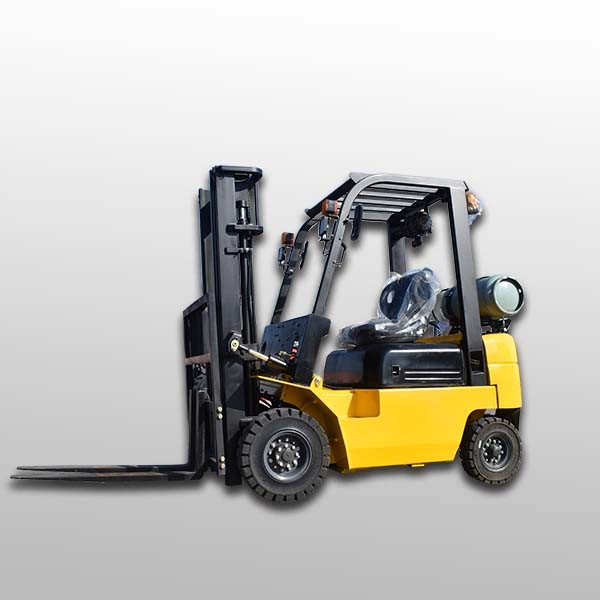
Send the supplier the host forklift model and serial number, carriage interface, hydraulic circuit information and current fork or attachment setup. Request the proposed clamp's drawing, attachment mass, rated capacity, arm opening range, contact-face dimensions, hydraulic requirements, operating pressure, mounting instructions and replacement-parts list. Have a qualified technician confirm physical and hydraulic compatibility. The attachment affects effective load center and residual lifting capacity, so the installed combination needs revised capacity information. The attachment category can help compare designs, but it cannot replace a host-specific approval.
Different accessories solve different tasks. A fork positioner changes fork spacing for compatible pallet loads, while a side shifter assists lateral alignment. The flat clamp should be chosen only after the buyer verifies how its arms contact the goods and how the load is retained. Ask whether the quotation includes hoses, fittings, controls, installation, commissioning, manuals and warranty support. Compare these costs with the handling benefit under the site's real duty cycle. Avoid selecting an attachment solely from nominal truck capacity or a photograph.
Possible assessed settings include packaged-material warehouses, manufacturing stores and distribution depots with suitable flat-sided loads. These examples are not claims about named customer cases. Operators must follow the delivered manual and the site's approved procedure. Before handling a load, check its condition, contact surfaces and stability. Clamp only at the approved position and pressure, keep people clear of moving arms, and transport with the load at the safe height and orientation specified for the combination. Stop if the goods slip, deform or obscure the route. Do not use clamping force to straighten a damaged package.
The site should designate staging areas where the operator can approach squarely, set the load down completely and release the arms without striking neighboring stock. Mark pedestrian routes and protect rack edges. If the goods require a different contact pad, request a technically approved option and an updated handling assessment. Never assume a clamp is suitable for fragile surfaces, loose packs or unknown weights. Review the complete product range when comparing the host truck and material flow; the attachment and vehicle must be evaluated as one system.
Daily visual checks should cover the arms, contact faces, central carriage, sliding rails, mounting hardware, hydraulic hoses and visible leaks. A trained technician should inspect wear, cracks, distortion and secure fitment at the intervals specified for the delivered product. Clean debris from sliding surfaces and protect hydraulic connections during service. Remove the attachment from operation if it cannot hold a load safely or if mounting security is uncertain. Keep records against the attachment and host-truck serial numbers so later repairs and capacity changes are traceable. Operators should report faults rather than adjust relief settings or improvise repairs.
A buyer should budget for installation, commissioning, periodic inspections, wear components, hydraulic service, replacement pads if applicable and potential downtime. Request a parts drawing and service instructions for the exact version supplied. A dealer should stock only the parts matched to that version and maintain a clear technical contact route. The site's service guidance can help formulate questions, followed by written answers specific to the clamp and host forklift. Support times and warranty scope should be confirmed in the commercial offer rather than assumed.
For export, request packing dimensions, attachment weight, installation instructions, service documentation and any conformity documents required by the importing market. If CE or another certification is important, verify its scope for the exact attachment and installed combination. EPA engine-emission requirements relate to powered host equipment where applicable; they should not be claimed for the clamp alone. Export experience and cooperation cases need supporting evidence before being used as proof. Shandong Zhuogong Machinery Equipment Co., Ltd. can discuss configuration and documentation for an inquiry, but buyers should verify the final offer in writing.
A distributor's qualification form should capture the load dimensions and packaging, host machine, hydraulic setup, contact-force sensitivity and delivery destination. Arrange technician review before a sales promise. Train operators on clamping, release, daily checks and response to a slipping load. Set up spare-parts and warranty channels with the customer at handover. The company page provides background; a specific technical and commercial proposal should document what will actually be supplied.
Send the host forklift model and serial number, load photos, mass and dimensions, surface-contact limits, handling height and destination country. ZGFORKLIFT / MYZG can then discuss whether the flat clamp pictured is an appropriate option and what further documentation is needed. Contact Shandong Zhuogong Machinery Equipment Co., Ltd. through the contact page, email vip@mingyuforklift.com, or call +86-0535-2090977. Confirm fitment, rating and handling method before ordering or using the attachment.
Name: selena
Mobile:+86-13176910558
Tel:+86-0535-2090977
Whatsapp:8613181602336
Email:vip@mingyuforklift.com
Add:Xiaqiu Town, Laizhou, Yantai City, Shandong Province, China