vip@mingyuforklift.com
+86-0535-2090977



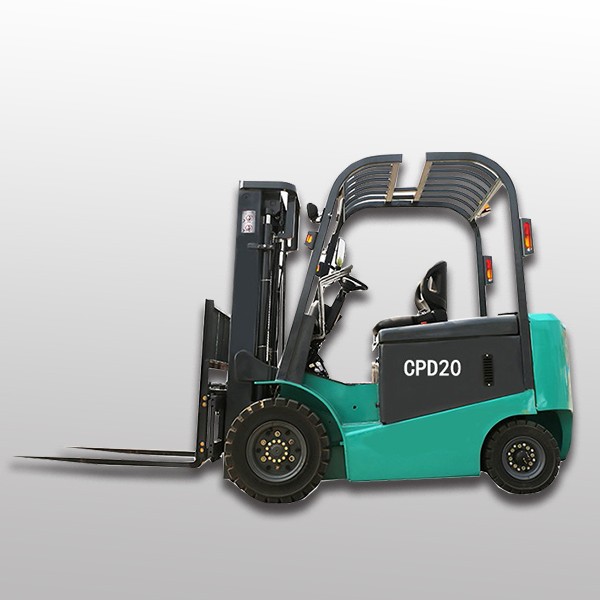
The CPY20 / CPY30 / CPY40 / CPY50 gasoline-LPG forklift series gives buyers a practical 2, 3, 4 and 5 ton capacity range for mixed indoor-outdoor logistics. These counterbalanced trucks are intended for operations that value fast cylinder exchange, familiar internal-combustion service routines and the flexibility to move between ventilated buildings, loading docks and paved yards. ZGFORKLIFT / MYZG treats the capacity choice as an application decision: the real load, load center, lift height, attachment, aisle, surface, gradient, ventilation, fuel infrastructure and duty cycle must be reviewed together.
A nominal tonnage is only the first filter. Buyers should record the maximum gross load, dimensions, load-center distance, pallet type, fork-entry direction and stability of the goods. They should also state the required lift height, mast closed height, doorway clearance, right-angle stacking aisle, dock-plate rating, ramp angle, surface condition, travel distance and lifts per hour. Capacity available at height can change with mast choice, load center and attachments, so residual capacity for the ordered configuration must be confirmed in writing before purchase.
The 2 ton CPY20 can suit lighter palletized goods and space-conscious logistics routes. The 3 ton CPY30 is a common comparison point for general warehousing, production supply and truck loading. The 4 ton CPY40 provides additional nominal capacity for denser goods and demanding industrial handling, while the 5 ton CPY50 targets heavier pallets and components where the site has sufficient aisle, floor and turning space. These are selection positions, not permission to lift any load: every machine must be matched to the actual load chart and ordered equipment.
Distribution centers often need rapid refuelling during peak receiving and dispatch. Manufacturing plants may require one truck to work at outdoor staging areas and inside ventilated production zones. Building-material, packaging, beverage and general industrial businesses may need stronger traction and sustained travel without a charging pause. LPG can answer these needs when cylinder storage, exchange, ventilation and exhaust exposure are controlled. It is not automatically suitable for every indoor space; an industrial hygienist or competent local specialist should assess ventilation and exposure for the actual building and duty.
Start with the site’s Gasoline/LPG forklift category to review the established product family. A broader comparison through All Products helps buyers test whether LPG, diesel or electric power better matches route length, indoor air requirements, refuelling or charging access, maintenance capability and total productive hours.
For lighter general logistics, review the existing CPY20 2 ton gasoline-LPG forklift reference. Confirm pallet weight at the worst load center, mast height under doors, fork length, tyre type and turning room. A 2 ton model may be attractive where loads are controlled and aisles are tighter, but purchasing too close to the maximum requirement can leave little margin for long loads, high lifts or an attachment.
The CPY30 3 ton gasoline-LPG forklift reference supports comparisons for general industrial pallets, dock work and production logistics. Buyers should not assume that moving from 2 to 3 tons only changes rated capacity; dimensions, weight, tyre loading, turning circle, fuel use and transport arrangements can also affect the business case. A controlled site trial with representative loads is useful when route clearance or floor loading is close to a limit.
For heavier handling, the CPY40 4 ton gasoline-LPG forklift reference should be reviewed against the actual rack, trailer, container, dock and yard geometry. Denser loads can require wider forks, a suitable carriage or an attachment. The attachment mass and forward offset may reduce available capacity, so the final load chart matters more than the nominal model name.
The CPY50 5 ton gasoline-LPG forklift reference is aimed at the top of this series range. A 5 ton project needs careful checking of pavement strength, dock plate and trailer-floor limits, gradients, overhead clearance, pedestrian separation and transport weight. Where long steel, machinery parts or wide loads are involved, provide drawings and center-of-gravity information instead of relying on a simple weight statement.
LPG cylinders and connections require disciplined handling. Use only the cylinder type and mounting arrangement specified for the truck. Inspect the cylinder, restraint, hose, connector and valve before operation, exchange cylinders only in an approved area, keep ignition sources away and follow local storage limits. Operators need training and suitable protective equipment for cylinder exchange. If a leak is suspected, stop, isolate the area and follow the site emergency procedure.
The site’s related article on safety measures for handling LPG forklifts provides a useful starting point, but it does not replace the delivered operating manual, cylinder supplier instructions or local law. Indoor use requires adequate ventilation and an exposure-control plan. Exhaust condition, engine tune and building airflow should be monitored according to applicable workplace rules. Never describe LPG as emission-free.
Load and mast: provide the maximum weight, load center, dimensions, lift height, free-lift need, closed mast height and attachment. Ask for the residual-capacity confirmation and load chart for the final configuration.
Route and surface: measure the narrowest aisle, doorway, overhead obstruction, turning area, dock edge and gradient. Record smooth concrete, broken joints, gravel, wet zones and debris because tyre and stability needs differ.
Engine and fuel: state the destination country, available LPG composition and cylinder standard. Engine, fuel system and approved options must be confirmed on the quotation; do not infer compliance from a product photo or family name.
Operator and visibility: review seat and restraint, mirrors or camera options, lights, horn, alarms, load backrest and visibility around the mast and load. Site speed limits and pedestrian segregation should form part of commissioning.
Daily inspection should cover forks, carriage, mast channels, chains, hoses, tyres, wheels, brakes, steering, warning devices, overhead guard, seat restraint, LPG cylinder restraint and visible leaks or damage. A defect affecting braking, steering, stability, fuel integrity or visibility should remove the truck from service until corrected by qualified personnel. Planned maintenance should follow the delivered schedule and become more frequent where dust, heat, cold, corrosive material or intensive shifts increase wear.
Compare total cost using productive hours rather than purchase price alone. Include fuel, cylinder logistics, planned service, tyres, filters, transport, operator time, ventilation controls, downtime risk and local parts lead time. Buyers and distributors can review the parts and dealer support information when planning service stock. A parts request should include the exact model, machine identification information, photographs and the part position; this reduces errors across a multi-capacity fleet.
Dealers can use the 2-5 ton range to qualify several customer segments, but each quotation should document the approved operating envelope. Record load, lift, attachment, aisle, surface, hours, fuel supply, destination, preferred options and local service capability. Handover should cover pre-shift checks, safe travel, parking, cylinder exchange, emergency response and maintenance reporting. Any cooperation example or performance claim should be supported by project documents before it is used in sales material.
For export orders, confirm the destination’s current technical, emissions, fuel-cylinder, labeling and documentation requirements before production. Where CE documentation is required, request the applicable declaration for the exact supplied configuration. Where EPA or other engine-emissions rules apply, verify the specific engine family and supporting label or document rather than assuming approval from the forklift model. This page makes no unsupported certification number, emissions result, delivery time, market count or customer-case claim.
Send the maximum load and dimensions, lift height, pallet or attachment details, aisle and door measurements, surface and gradient, shift pattern, indoor-outdoor ratio, cylinder standard, destination country and service expectations. Shandong Zhuogong Machinery Equipment Co., Ltd. can then review whether CPY20, CPY30, CPY40 or CPY50 is the appropriate starting point and identify the items that require final technical confirmation. Email vip@mingyuforklift.com, call +86-0535-2090977, or use the contact and inquiry page. Include “CPY 2-5 ton LPG forklift series” in the message.
Name: selena
Mobile:+86-13176910558
Tel:+86-0535-2090977
Whatsapp:8613181602336
Email:vip@mingyuforklift.com
Add:Xiaqiu Town, Laizhou, Yantai City, Shandong Province, China