vip@mingyuforklift.com
+86-0535-2090977

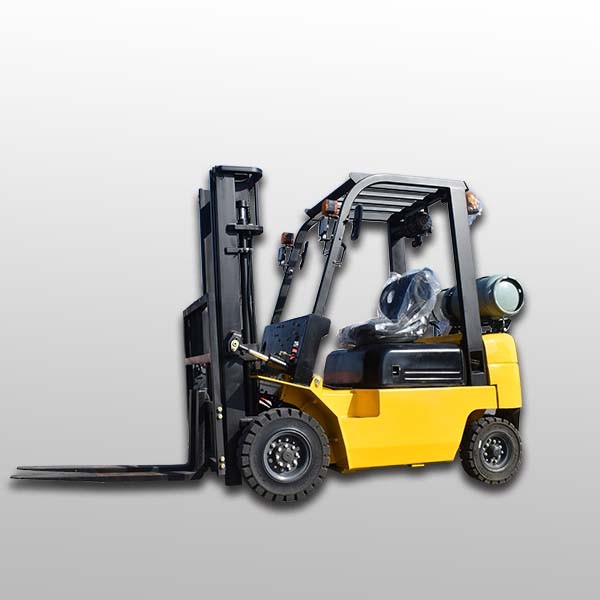
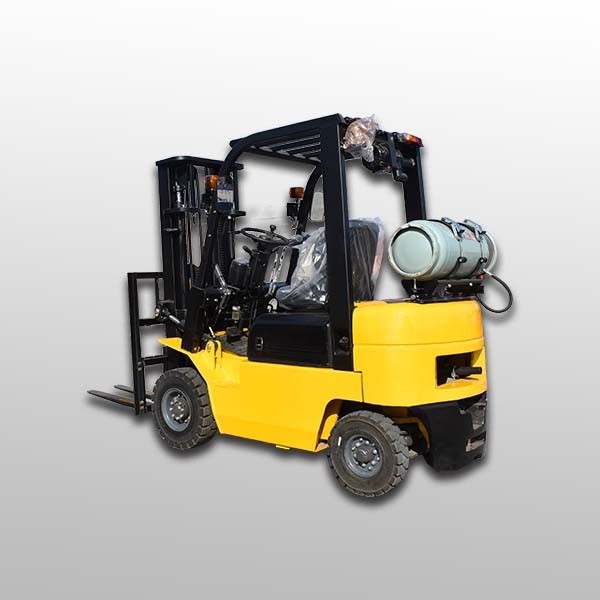
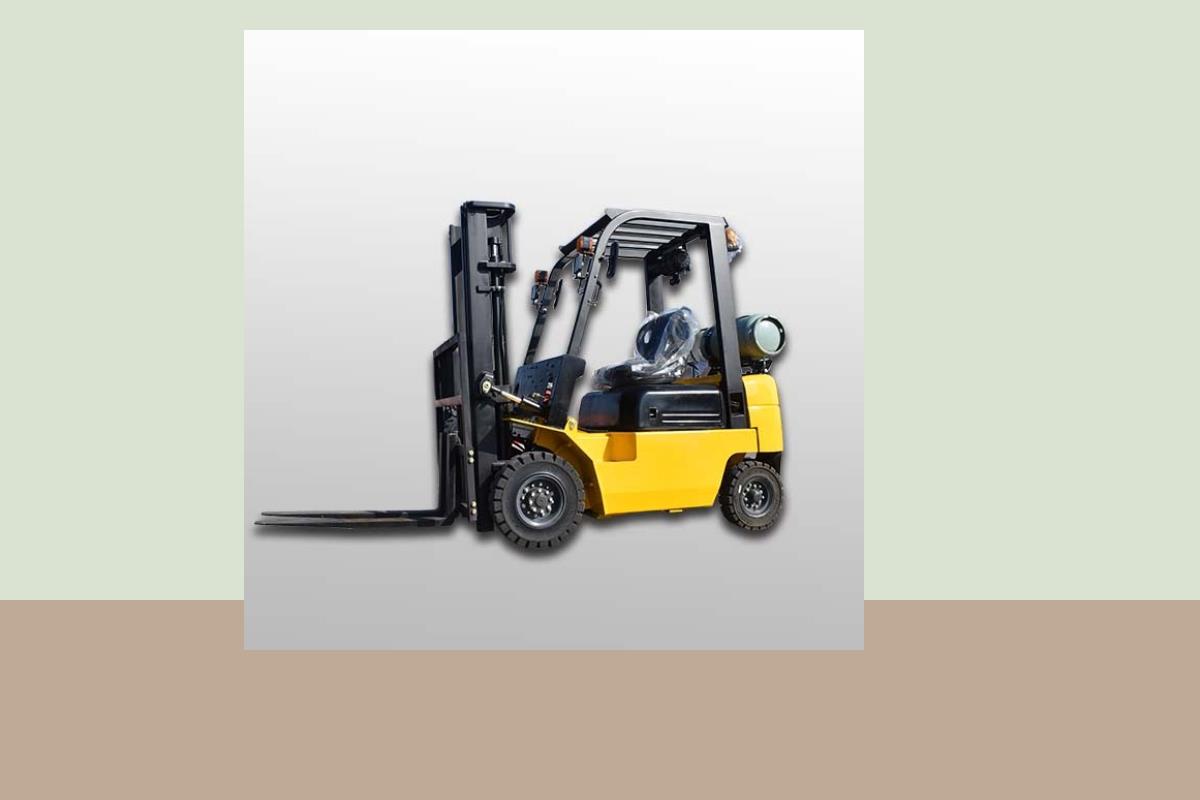
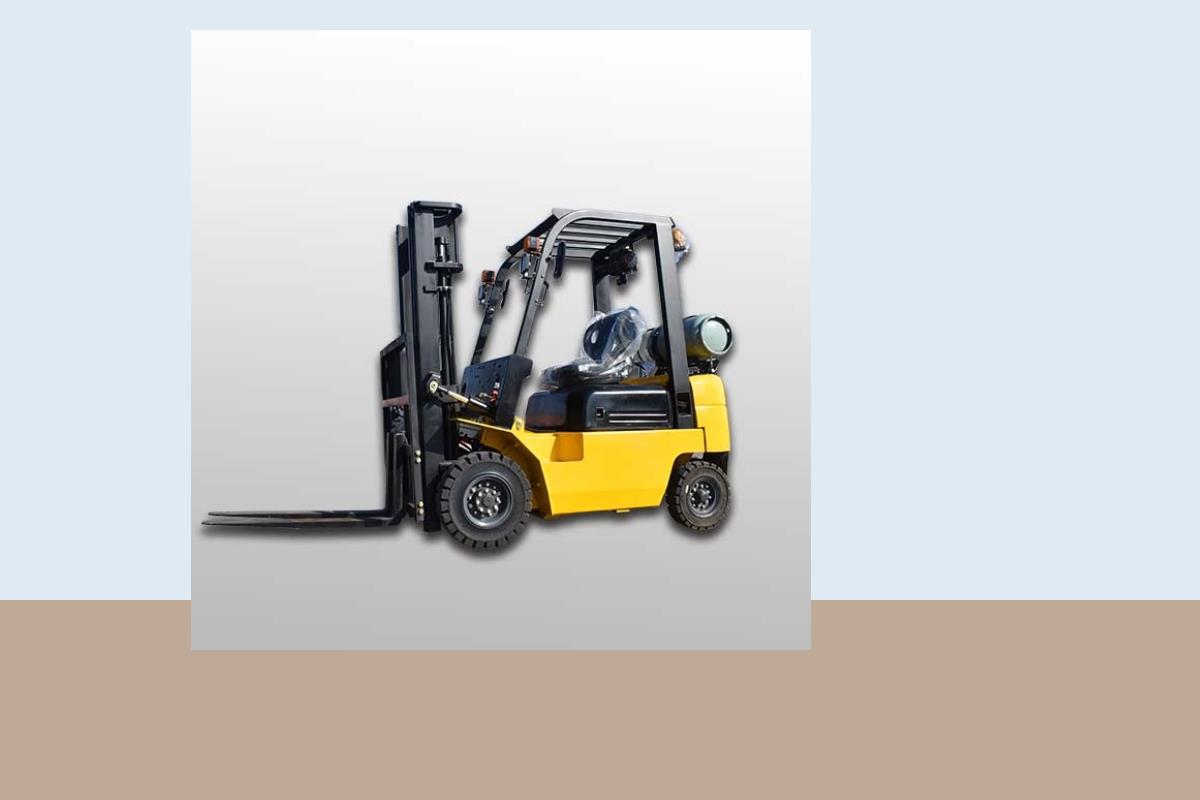
The CPY15 / CPCR15 1.5 ton gasoline-LPG forklift is intended for retail stockrooms, consumer-goods distribution, light manufacturing and mixed indoor-outdoor logistics where compact handling and rapid cylinder exchange are important. The established website source names the product CPY15 and identifies CPCR15 in its technical description; buyers should therefore confirm the final order code on the quotation. ZGFORKLIFT / MYZG treats the truck as an application solution: load, load center, mast, aisle, surface, ventilation, fuel system, operator and service plan must be reviewed together.
A request for a “1.5 ton LPG forklift” is not enough to approve a machine. Record the maximum gross load, load dimensions, center of gravity, pallet type, fork-entry direction, required lift height, mast closed height, doorway clearance, aisle width, turning space, gradients and floor condition. Long, offset or unstable goods and attachments can reduce residual capacity. The final load chart for the ordered mast, fork carriage and attachment is more important than the nominal 1,500 kg class.
This capacity can fit operations that move controlled pallet weights but still need a counterbalanced truck for trailers, staging lanes and paved yards. Retail distribution may use it for packaged goods and replenishment; light manufacturing may use it for components, finished products and line-side transfer; food and consumer-goods sites may value quick refuelling during peak shifts. LPG is not emission-free, so indoor use depends on adequate ventilation, engine condition, exposure control and applicable workplace rules.
Review the Gasoline/LPG forklift category for the established capacity range. The original CPY15 gasoline-LPG forklift reference provides the source model description. Buyers expecting heavier future loads can also compare the 2-5 ton CPY LPG forklift series. This prevents under-sizing a truck for long loads, higher lift positions or attachment use.
Load and pallet: provide the heaviest real pallet, dimensions, load-center distance and photographs or drawings. Confirm fork length, width and adjustment range against the pallet openings. If clamps, side shifters or other attachments are required, include their weight and forward offset in the capacity review.
Mast and clearance: state required lift height, free-lift need, lowest door, overhead pipes, rack beam height and trailer or container work. A mast that reaches the rack but cannot pass beneath the doorway is not an acceptable configuration.
Aisle and route: measure the narrowest corner and right-angle stack, not only the planned layout. Include pedestrian crossings, blind corners, dock edges, ramps, broken joints, wet areas and outdoor surface transitions. Tyre choice and operating rules should match the route.
Fuel and duty: identify available LPG cylinder type, fuel quality, shift hours, travel distance, lift cycles and refuelling process. Cylinder storage and exchange must be designed before delivery rather than improvised after commissioning.
Retail stockrooms often combine narrow staging zones, frequent pallet breakdown and pedestrian activity. The solution should prioritize visibility, controlled speed, route separation and a mast that clears doors and sprinklers. For consumer-goods distribution, buyers should model peak receiving and dispatch rather than average flow. A rapid fuel change can support long operating windows, but spare-cylinder storage, exchange labor and ventilation controls belong in the total operating plan.
In light manufacturing, define whether the truck supplies production lines, unloads vehicles or moves finished goods. Check interaction with conveyors, racks and manually operated pallet equipment. The approved route should define maximum load and height, travel direction, pedestrian exclusion points, parking position and stop-work conditions. Supervisors should review near misses, impacts and recurring congestion to improve layout and training.
Inspect the LPG cylinder, restraint, valve, hose and connector before use. Exchange cylinders only in an approved protected area, keep ignition sources away and follow the cylinder supplier’s instructions. Operators need task-specific training and suitable protective equipment. If a leak is suspected, stop the truck, isolate the area and follow the site emergency plan. Do not restart equipment until qualified personnel have confirmed it is safe.
Use the related guide on LPG forklift handling safety as a planning reference. The site also provides LPG forklift start-up precautions. These articles do not replace the delivered manual, local regulation, workplace exposure assessment or instructions from the cylinder and fuel-system suppliers.
A pre-shift inspection should cover forks, carriage, mast channels, chains, hydraulic hoses, tyres, wheel fasteners, brakes, steering, horn, lights, warning devices, overhead guard, seat restraint and the complete LPG mounting and connection area. Any defect affecting fuel integrity, braking, steering, stability or visibility should remove the truck from service until corrected by qualified personnel.
Planned service should follow the final engine and truck manuals. Dust, heat, cold, corrosive goods and intensive multi-shift work may require shorter intervals. Maintenance records should identify repeat failures and help dealers recommend parts stock. Review the site’s parts and dealer support information. When requesting parts, supply the exact order code, machine identification details, engine information, photographs and part position.
Dealers should qualify the customer before selecting CPY15 / CPCR15. A useful inquiry records load, lift height, pallet, attachment, aisle, surface, hours, indoor-outdoor ratio, fuel cylinder standard, destination, preferred options and local service capability. Demonstration and handover should cover controls, safe travel, parking, cylinder exchange, daily inspection, emergency response and defect reporting.
Build the business case around productive hours rather than purchase price alone. Include LPG consumption, cylinder logistics, ventilation controls, operator time, planned maintenance, tyres, filters, transport, downtime risk and parts lead time. Compare the same real duty against suitable electric and diesel alternatives through All Products. A controlled trial with representative loads can reveal clearance, visibility and surface problems before fleet rollout.
Export requirements depend on destination and the exact supplied configuration. Where CE documentation is required, request the applicable declaration and machine documents before shipment. Where EPA or other engine-emissions rules apply, verify the specific engine family, label and supporting documentation rather than assuming approval from the forklift model name. Shandong Zhuogong Machinery Equipment Co., Ltd. can review the requested configuration and destination information, but this page does not claim an unsupported certificate number, emission result, delivery time, export count or customer case.
Buyers can review ZGFORKLIFT / MYZG company information before requesting a quotation. Final documents, options, engine, LPG components, mast and tyres should be listed in the signed order. Photographs show the established website vehicle style; they do not replace the technical specification or constitute approval for a particular jurisdiction.
Send the maximum load and dimensions, load center, lift height, pallet or attachment details, aisle and door measurements, surface, gradients, shift pattern, indoor-outdoor ratio, LPG cylinder standard, destination and service expectations. Contact Shandong Zhuogong Machinery Equipment Co., Ltd. at vip@mingyuforklift.com or +86-0535-2090977, or use the contact and inquiry page. Include “CPY15 / CPCR15 1.5 ton LPG forklift” in the message so selection, fuel, documentation, shipping and service questions can be reviewed together.
Name: selena
Mobile:+86-13176910558
Tel:+86-0535-2090977
Whatsapp:8613181602336
Email:vip@mingyuforklift.com
Add:Xiaqiu Town, Laizhou, Yantai City, Shandong Province, China