vip@mingyuforklift.com
+86-0535-2090977

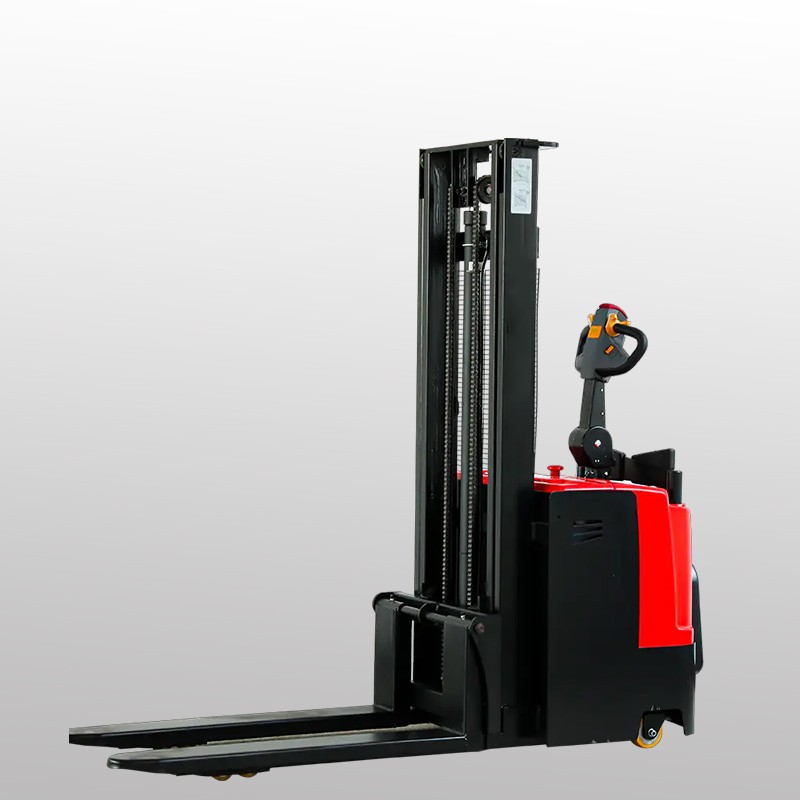
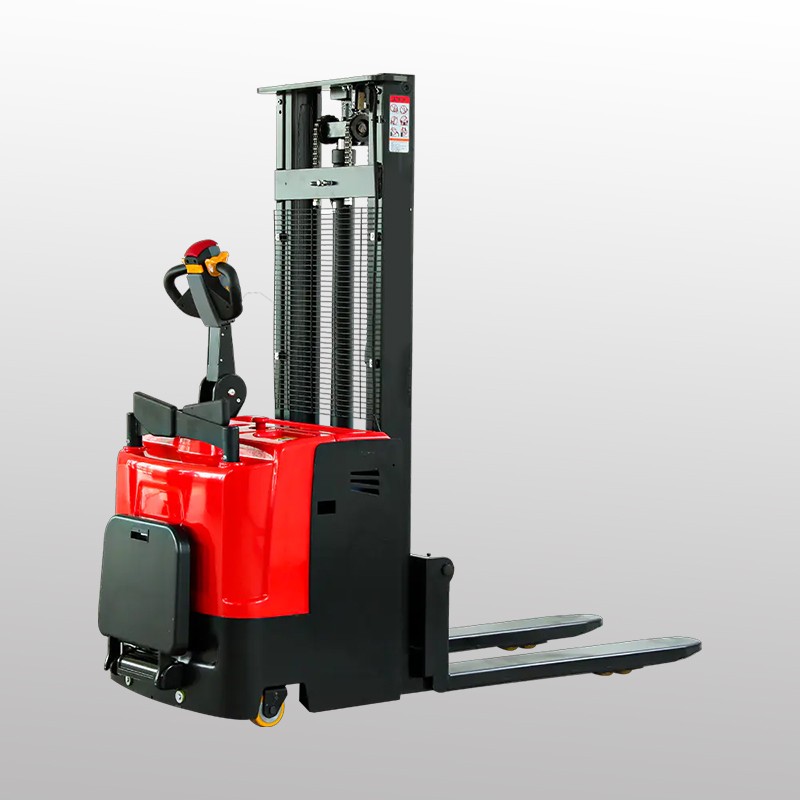
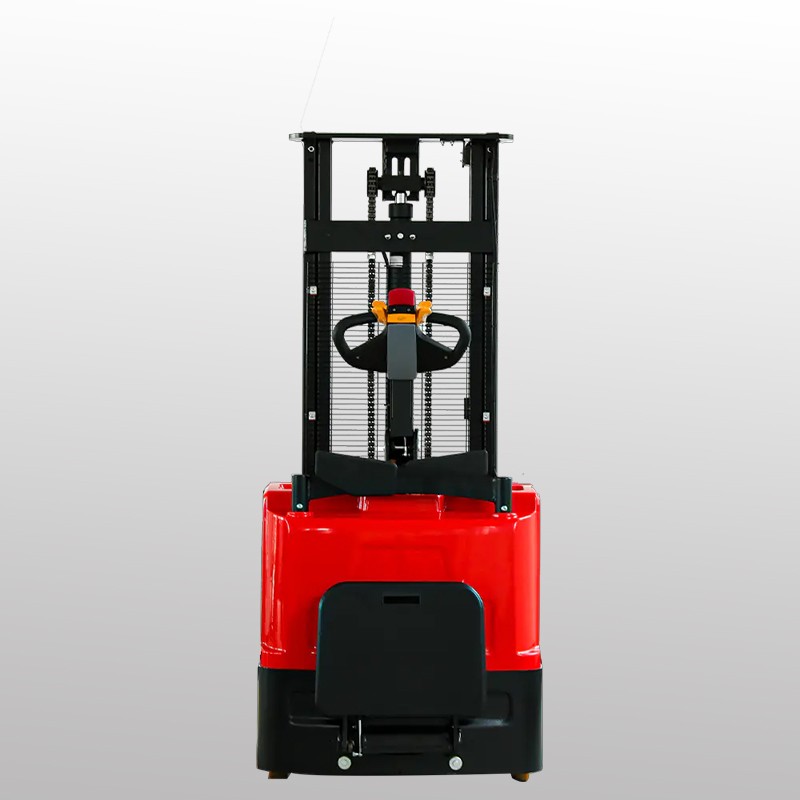
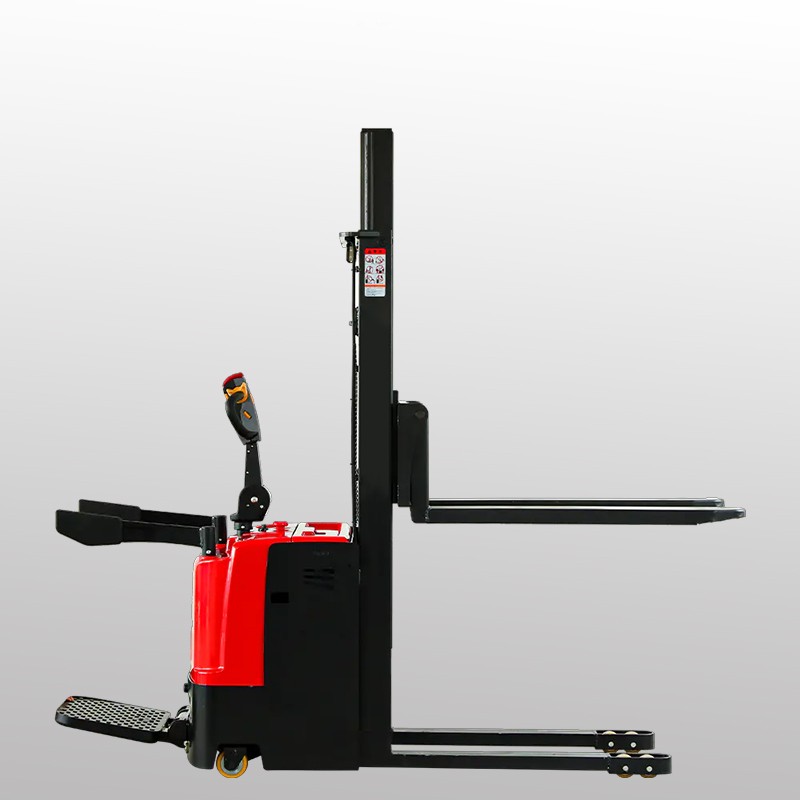
The CDD-D standing electric pallet stacker application for high-density warehouse replenishment is based on the established CDD15/20D family, covering 1,500 kg and 2,000 kg nominal classes subject to configuration. It is intended for pallet movement between receiving, reserve storage and rack replenishment where a ride-on platform supports longer internal routes. ZGFORKLIFT / MYZG treats every selection as an application project: actual load, pallet, lift height, residual capacity, aisle, floor, traffic, battery and local service must be reviewed together.
Record the heaviest pallet, dimensions, load center, pallet entry, rack beam height, rack depth, aisle width, lowest doorway, turning space, travel distance and lifts per hour. Long, unstable or offset loads and higher lift positions can reduce available capacity. The final load chart for the ordered mast and forks must approve the real pallet; nominal capacity alone is not approval to lift any load at any height.
High-density operations should map reserve locations, forward pick faces, pedestrian crossings and queue points. A stacker may reduce walking on longer internal routes, but the platform changes the operating envelope compared with a walkie unit. Check right-angle stacking space, rack-end protection, visibility at intersections and the width required to turn with the real pallet.
Review the electric pallet stacker category before selecting a configuration. The original MYCDD-D standing electric stacker reference identifies the source family and its configuration range. Buyers should compare ride-on, walkie, reach and counterbalanced formats against route length, pallet compatibility and rack geometry rather than choosing by price alone.
Load: provide maximum gross weight, size, center of gravity and photographs. Confirm fork length and outside width. Closed-bottom or perimeter-base pallets may not suit every support-leg arrangement.
Mast: state lift height, free-lift need, closed mast height and overhead restrictions. Confirm residual capacity for the exact mast.
Aisle: measure the narrowest real point, including rack protectors and protruding pallets. Include intersections, fire doors, dock approaches and charging access.
Battery: provide shift hours, travel distance, lift cycles, breaks, charging window, ambient temperature and electrical supply. Battery and charger sizing should reflect peak duty.
Create a written operating envelope covering maximum approved load and height, travel direction, speed zones, pedestrian exclusion points, gradients and stop-work conditions. Operators should approach racks squarely, travel with forks and load in the correct lowered position, avoid turning with an elevated load and keep body parts inside the protected operating position. Only trained and authorized personnel should operate the machine under the delivered manual and local rules.
The related electric stacker safe-operation guide is a useful planning reference. Buyers new to this equipment can also review what a pallet stacker is. These articles do not replace site-specific risk assessment, operator training or the delivered instructions.
Daily inspection should cover forks, mast channels, chains, hoses, wheels, brakes, steering, horn, emergency controls, platform, guard structure, battery restraint, connectors and visible damage. Remove the machine from service when a defect affects braking, steering, lifting, stability or protection. Keep shrink wrap, pallet fragments and debris away from wheels and moving components.
Scheduled service should follow the final manual and duty cycle. Maintain records for chain and fork inspection, lubrication, battery care, wheel wear, hydraulic leaks and recurring operator reports. The parts and dealer support page can help plan local stock. Parts inquiries should include machine identification, ordered configuration, photographs and part position.
Dealers should document the load, rack, aisle, hours, charger supply, destination, language and local service capability before quoting. Demonstration and handover should cover controls, emergency response, parking, charging, inspection and defect reporting. Measure throughput, damage, energy use and downtime during a controlled trial instead of relying on generic productivity claims.
Where CE documentation is required, request the applicable declaration for the exact supplied configuration. As an electric stacker, engine-related EPA emissions certification is generally not the relevant compliance route, but destination rules still require importer review. No certificate number, export volume, customer case or performance result is claimed here without supporting documents.
Browse All Products for alternative formats, then send load and pallet data, rack height, aisle measurements, duty cycle, destination and electrical supply. Contact Shandong Zhuogong Machinery Equipment Co., Ltd. at vip@mingyuforklift.com or +86-0535-2090977, or use the contact page. Include “CDD-D high-density warehouse replenishment” in the inquiry.
Name: selena
Mobile:+86-13176910558
Tel:+86-0535-2090977
Whatsapp:8613181602336
Email:vip@mingyuforklift.com
Add:Xiaqiu Town, Laizhou, Yantai City, Shandong Province, China