vip@mingyuforklift.com
+86-0535-2090977

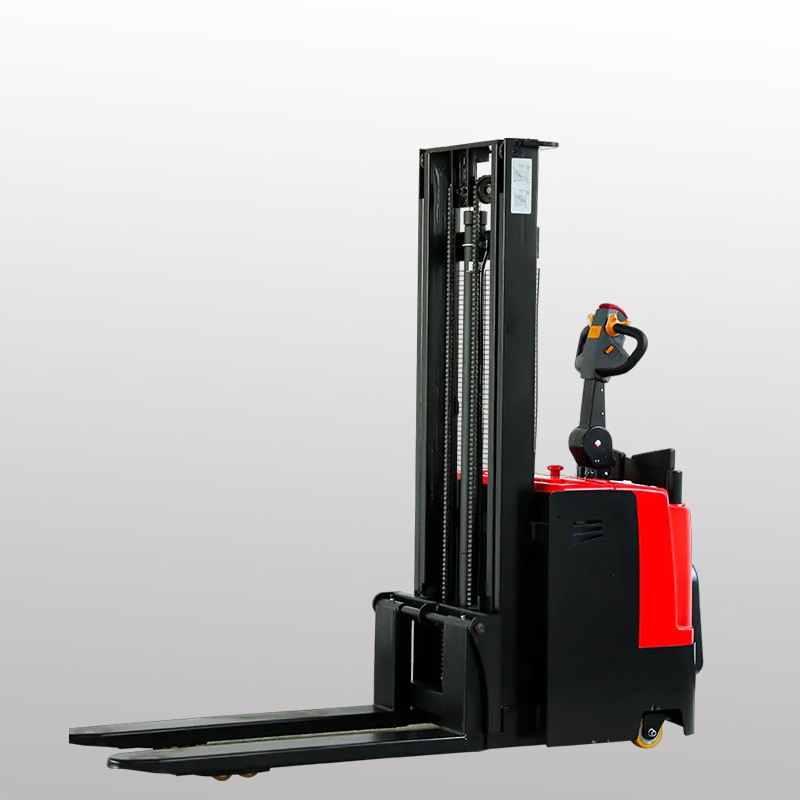
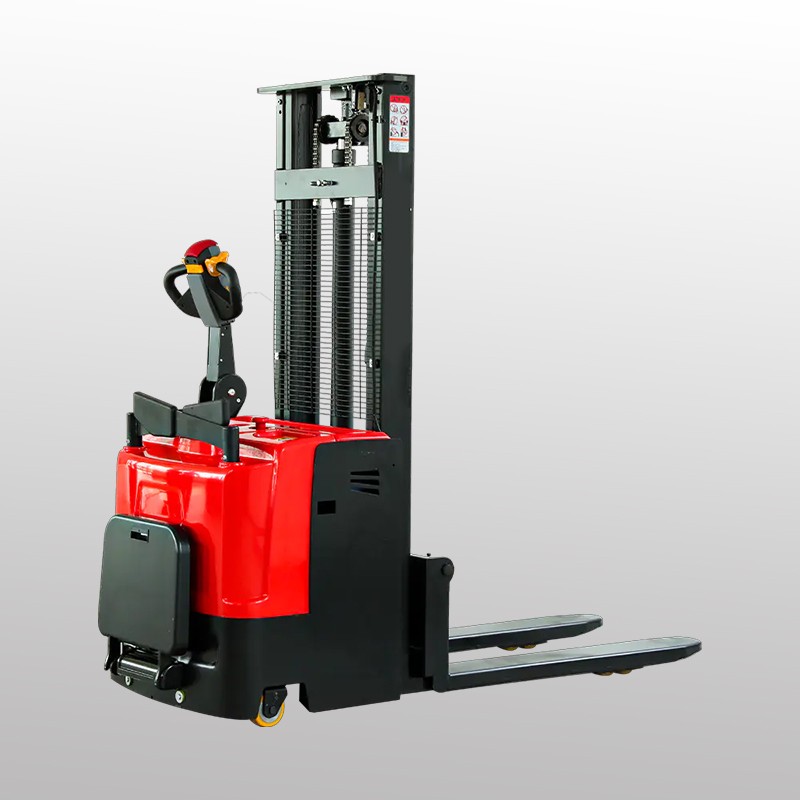
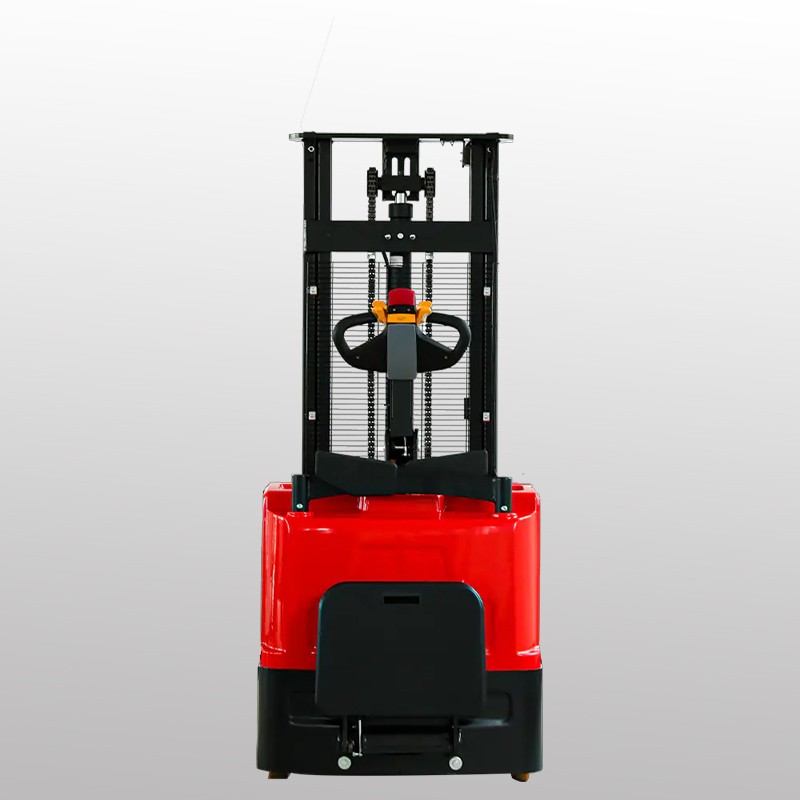
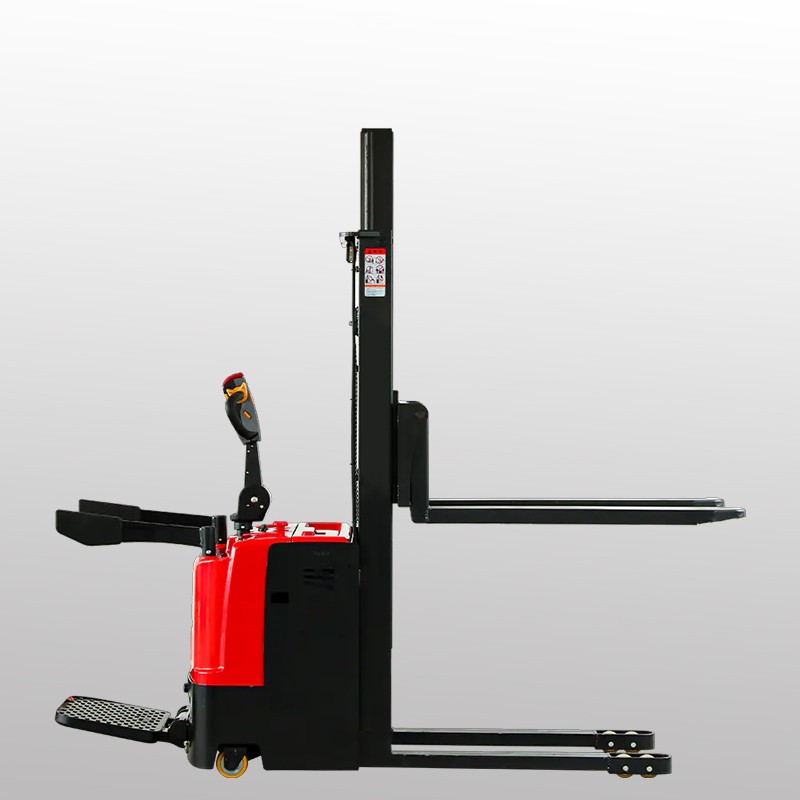
The CDD20D 2 ton standing electric pallet stacker is the higher-capacity model in the website’s CDD15/20D standard standing stacker family. It is designed for manufacturing supermarkets, wholesale warehouses, distribution staging and production replenishment where operators need powered travel, powered lift and a compact support-leg layout. ZGFORKLIFT / MYZG approaches the machine as a complete application solution: pallet geometry, load center, lift height, residual capacity, aisle, floor, battery duty, charger and local service must be reviewed together.
A request for a “2 ton electric stacker” is only a starting point. Record the heaviest actual pallet, dimensions, load-center distance, pallet entry direction and underside clearance. Add the required top fork height, rack beam height and depth, lowest doorway, turning area, aisle width, floor joints, gradients, shift hours and number of lift cycles. Long, offset, tall or unstable loads and higher lift positions can reduce available capacity. The final ordered mast and load chart must support the real job.
The source CDD-D family identifies 1,500 and 2,000 kg classes, a 600 mm load center, a standing operator format and a 24 V electrical system. It lists AC travel drive, multifunction display, emergency power disconnect, emergency reversing device, low-speed mode, automatic deceleration and fixed or adjustable fork options among family features. These statements support initial selection; the final battery, charger, mast, fork format and capacity at height remain configuration-dependent and should be confirmed on the quotation.
Manufacturing plants can use a standing electric stacker to replenish line-side supermarkets, transfer components and place finished pallets in storage. Wholesale warehouses may use it for reserve-rack replenishment, order consolidation and movement between receiving and dispatch. The standing platform supports routes that involve repeated travel, while the support-leg design requires compatible pallets and clear floor conditions. It is not automatically suitable for closed-bottom pallets, severe ramps, broken yards or loads that cannot clear the straddle geometry.
Start with the electric pallet stacker category and compare the wider All Products range. Buyers deciding between capacities can review the existing CDD15D 1.5 ton standing stacker. The 2 ton CDD20D should be selected when the verified load and required residual capacity justify the higher class, not simply because a larger number appears safer.
Load data: supply gross weight, dimensions, center of gravity and photographs or drawings. Identify liquids, loose bags, drums, long cartons and unstable goods. State any load-backrest or special fork requirement.
Pallet compatibility: confirm fork pockets, entry direction, underside boards and clearances around the support legs. Standard dimensions on paper do not guarantee access to a damaged or non-standard pallet, so a real pallet test is valuable.
Rack and aisle: measure the narrowest aisle, right-angle stacking space, turning points, rack depth, beam height, sprinklers, lights and doorways. Include barriers, columns and pedestrian crossings that reduce usable space.
Battery duty: describe shift length, travel distance, lift cycles, charging windows, ambient temperature and available electrical supply. Battery and charger decisions should reflect the real duty cycle and local service capability.
For manufacturing, map the complete material route from inbound storage to line-side delivery and finished-goods staging. Check crossings with pedestrians, tuggers, conveyors and counterbalanced forklifts. Define buffer positions so the stacker is not parked in emergency exits or production walkways. A controlled speed policy, marked travel lanes and clear stop points can contribute more to reliable flow than an isolated specification change.
For wholesale operations, examine seasonal peak volume, reserve stock height, mixed pallet quality and the distance between receiving, storage and dispatch. The 2 ton class may provide capacity for denser stock, but throughput still depends on aisle congestion, battery availability, operator training and rack discipline. The goal is not maximum travel speed; it is repeatable pallet movement without impacts, unstable loads or unnecessary waiting.
Outdoor or irregular routes require a different review. The CDD20D standard standing stacker is primarily a firm-floor material-handling solution. If work includes rough paved yards, joints or outdoor gradients, compare the CDD20H all-terrain electric stacker and confirm which layout actually matches the surface. A model family name should never substitute for a route inspection.
Only trained and authorized personnel should operate the stacker according to the delivered manual and site rules. Before travel, confirm the load is stable and correctly positioned. Travel with forks and load in the specified lowered position, slow before corners and keep hands, feet and body within the protected operating position. Do not turn with an elevated load or allow anyone beneath raised forks.
Emergency reversing, power disconnect and low-speed functions are aids, not substitutes for traffic separation. The buyer should review sight lines around the mast and load, warning devices, lighting, floor markings, mirrors and access control as one system. The related electric stacker safe-operation guide is a useful planning reference, while the delivered manual and local rules remain controlling.
Daily inspection should include forks, mast channels, chains, hoses, wheels, brakes, steering, horn, emergency controls, guards, battery restraint, connectors and visible damage. Shrink wrap, pallet debris and string around wheels can create avoidable downtime. A defect affecting braking, steering, lifting, stability, electrical integrity or visibility should remove the truck from service until corrected by qualified personnel.
Scheduled service should follow the delivered manual and actual duty. Record chain and fork measurement, lubrication, wheel wear, hydraulic condition, electrical connections, brake performance and battery observations. Keep the charging area clean and organized, use the specified charger and follow procedures appropriate to the ordered battery technology. Parts planning can be supported through the parts and dealer support page.
Dealers should qualify the application before recommending CDD20D. A useful inquiry records load, lift height, pallet, rack, aisle, surface, working hours, battery preferences, destination and local after-sales capability. Handover should cover controls, emergency functions, pre-shift inspection, safe travel, parking, charging and defect reporting. A documented application survey reduces wrong configurations and supports professional after-sales service.
Build the business case around productive hours rather than purchase price alone. Include operator time, battery and charger, electricity, maintenance, wheels, transport, downtime risk and parts lead time. Compare the standing stacker with walkie, reach and counterbalanced options where route length or pallet design changes the fit. The article what is a stacker can help new buyers organize the initial comparison.
Export documentation depends on destination and final configuration. Where CE documentation is required, request the applicable declaration and technical documents for the exact supplied machine before shipment. Because CDD20D is electric, diesel-engine EPA emissions certification is generally not the relevant route; destination electrical, machinery, battery, charger, labeling and import rules must still be checked. This page does not claim an unsupported certificate number, test result, export count, delivery time or customer case.
Shandong Zhuogong Machinery Equipment Co., Ltd. can review the application information, ordered configuration and documentation request. Buyers should keep the quotation, final specification, load chart, manuals and parts information together. ZGFORKLIFT / MYZG recommends confirming every option in writing rather than inferring equipment from a photograph or a family description.
Send the load weight and dimensions, pallet drawing, required lift height, aisle and door measurements, floor condition, gradients, shift hours, charging supply, destination and service expectations. Contact Shandong Zhuogong Machinery Equipment Co., Ltd. at vip@mingyuforklift.com or +86-0535-2090977, or use the contact and inquiry page. Include “CDD20D 2 ton standing electric stacker” so load, mast, fork, battery, charger, shipping and after-sales questions can be reviewed together.
Name: selena
Mobile:+86-13176910558
Tel:+86-0535-2090977
Whatsapp:8613181602336
Email:vip@mingyuforklift.com
Add:Xiaqiu Town, Laizhou, Yantai City, Shandong Province, China