vip@mingyuforklift.com
+86-0535-2090977

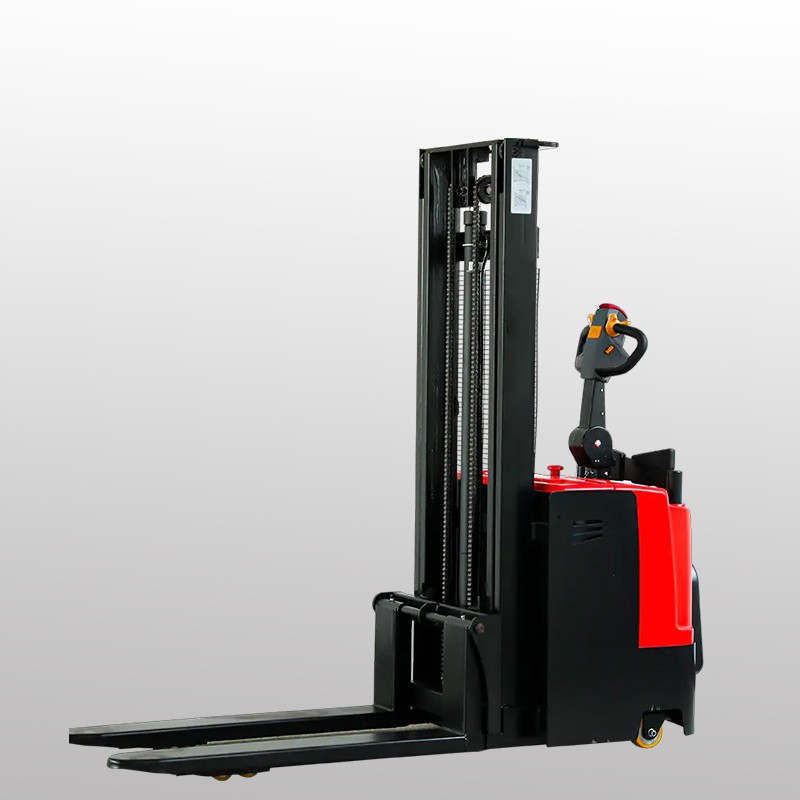
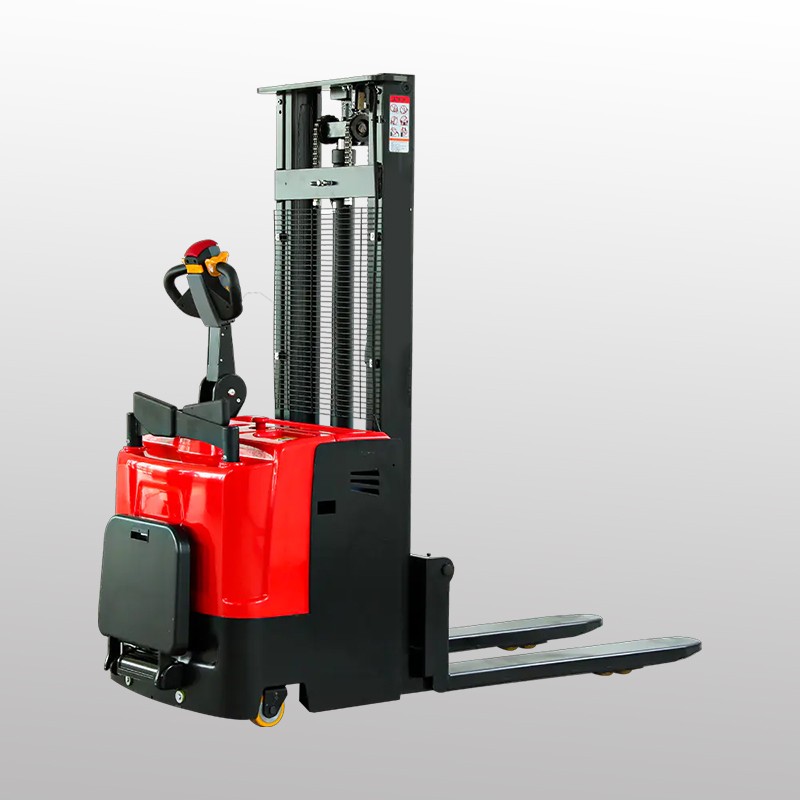
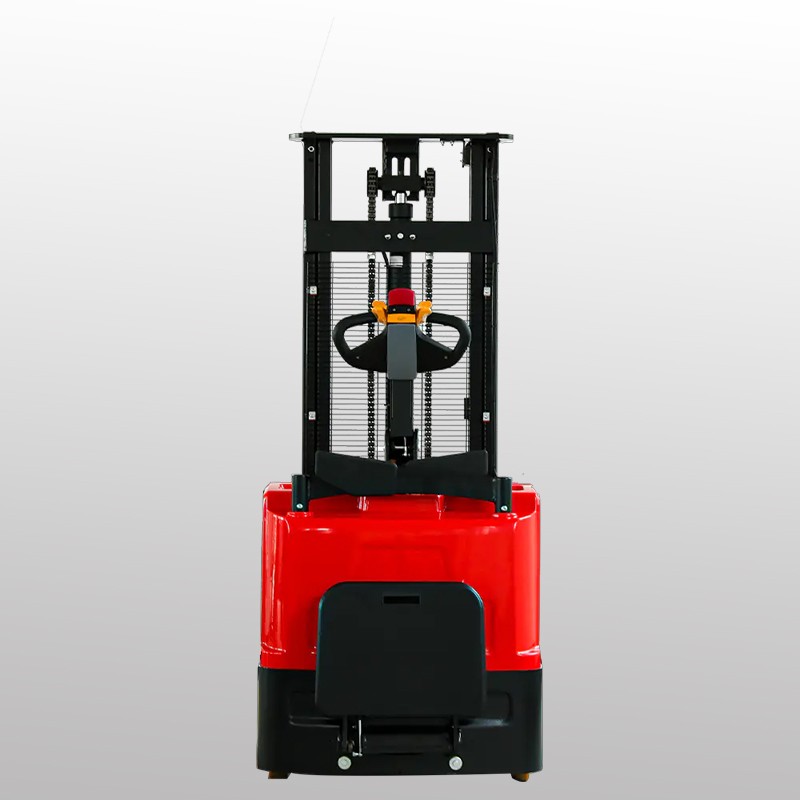
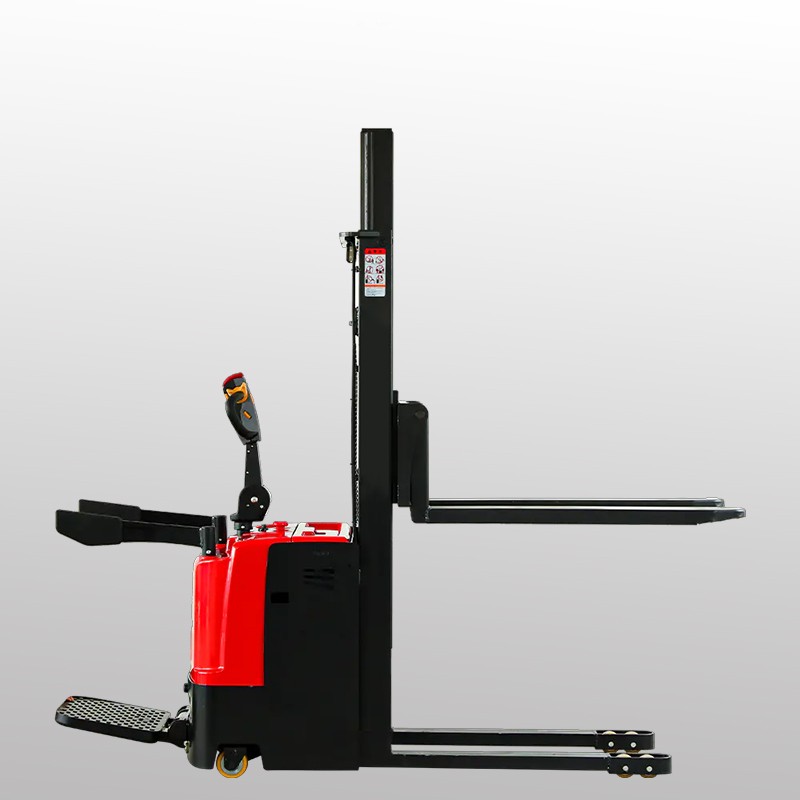
The CDD-D standing electric pallet stacker application for manufacturing line-side supply is based on the verified CDD15/20D family with 1,500 kg and 2,000 kg nominal classes, depending on configuration. It supports movement among inbound stores, component supermarkets, production buffers and finished-goods staging. ZGFORKLIFT / MYZG evaluates the whole material-flow problem: pallet weight, load center, route, lift point, shift rhythm, battery, operator interface and service response.
List every approved task and the worst condition for each: maximum component pallet, container dimensions, lift height, conveyor or rack interface, aisle, doorway, floor joint, gradient and trip frequency. Include returnable packaging and empty-container movement. A nominal model class does not confirm residual capacity at height, and an attachment or long load can change the load center. Obtain written confirmation for the final configuration.
Line-side logistics depends on timing and separation. Map milk-run crossings, pedestrian workstations, blind corners, automatic doors and shared zones with tuggers or autonomous equipment. Define where the stacker may park, charge and wait. The solution should reduce manual travel without creating uncontrolled interaction between the standing operator and production personnel.
Use the stacker category to compare walking, standing, reach and all-terrain alternatives. The MYCDD-D source-family page describes the standing format and configuration foundation. A walkie unit may suit short, low-frequency tasks; a ride-on standing stacker can be considered where internal travel is longer and the site can provide adequate operating space.
Packaging compatibility: confirm fork pockets, underside clearance, entry direction and stability of stillages, pallets and bins. Test non-standard returnable packaging before approval.
Interface height: record rack beams, work platforms, conveyors and transfer stands. Confirm mast and fork movement around guards, sensors and machine enclosures.
Duty cycle: calculate trips and lifts during peak production, not only daily averages. Include breaks and charger availability when sizing battery capacity.
Environment: disclose dust, heat, cold, moisture, corrosive materials and hygiene rules. These conditions may affect electrical protection, cleaning and service intervals.
Create marked routes and crossing priorities. Use physical separation where possible, control speed near workstations and mirrors, lights or warnings where visibility requires them. Operators should travel with the load in the correct lowered position, approach lift points squarely and stop if packaging is damaged or the path is blocked. Supervisors should review impacts, near misses, overload attempts and repeated congestion.
The safe-operation procedures for electric stackers provide a useful overview. The article explaining the difference between a forklift and a stacker may help procurement teams choose the correct format. Follow the delivered manual and local safety requirements.
Pre-shift checks should include forks, chains, mast, hoses, wheels, brakes, steering, horn, emergency controls, platform, battery restraint and connectors. Report abnormal noise, drift, leaks, impacts or warning indications immediately. A machine with a defect affecting control, stability or lifting should be isolated until repaired by qualified personnel.
Tie planned service to production calendars. Keep cleaning, lubrication, chain and fork inspection, wheel replacement and battery care records. Critical spares should be based on duty and local lead time. The parts support resource can support dealer planning; always provide the correct identification and configuration when requesting parts.
Dealers should review flow diagrams and actual containers before proposing a machine. Handover should cover authorized tasks, maximum approved loads, traffic controls, charging, parking, emergency response and defect reporting. A controlled pilot should measure replenishment timing, congestion, packaging damage, energy use and maintenance observations.
For export orders, verify destination electrical supply, labels, language and applicable machine documentation. Request CE documents for the exact configuration when required. EPA engine-emissions certification is normally not relevant to an electric stacker, though importers remain responsible for destination compliance. Avoid unsupported certification, production, delivery or case-study claims.
Review All Products, then send pallet or container drawings, weights, interface heights, route dimensions, peak cycles, shift plan and destination. Contact Shandong Zhuogong Machinery Equipment Co., Ltd. at vip@mingyuforklift.com or +86-0535-2090977, or use the contact page. Reference “CDD-D manufacturing line-side supply.”
Name: selena
Mobile:+86-13176910558
Tel:+86-0535-2090977
Whatsapp:8613181602336
Email:vip@mingyuforklift.com
Add:Xiaqiu Town, Laizhou, Yantai City, Shandong Province, China