vip@mingyuforklift.com
+86-0535-2090977

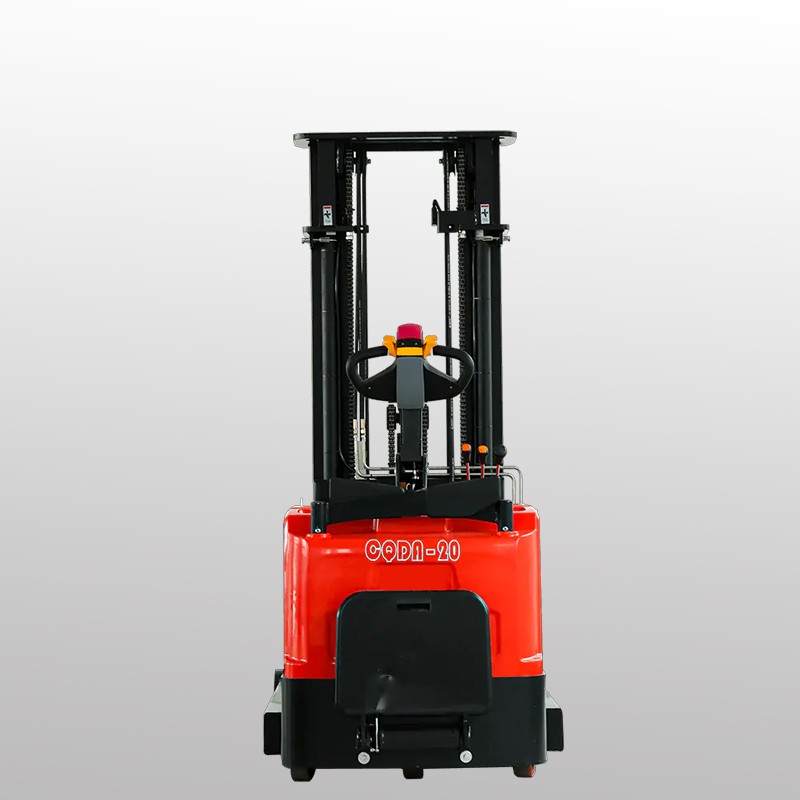
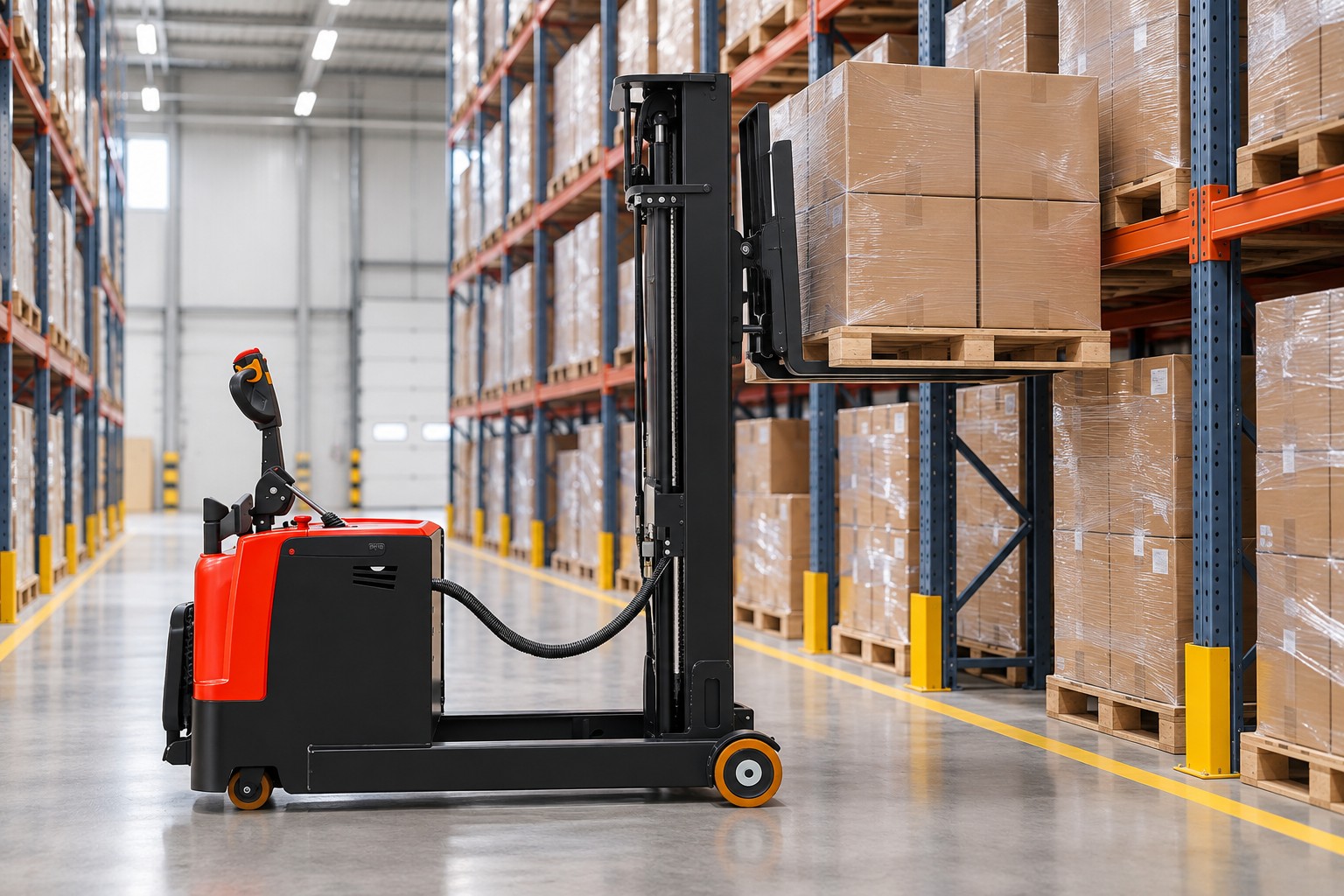
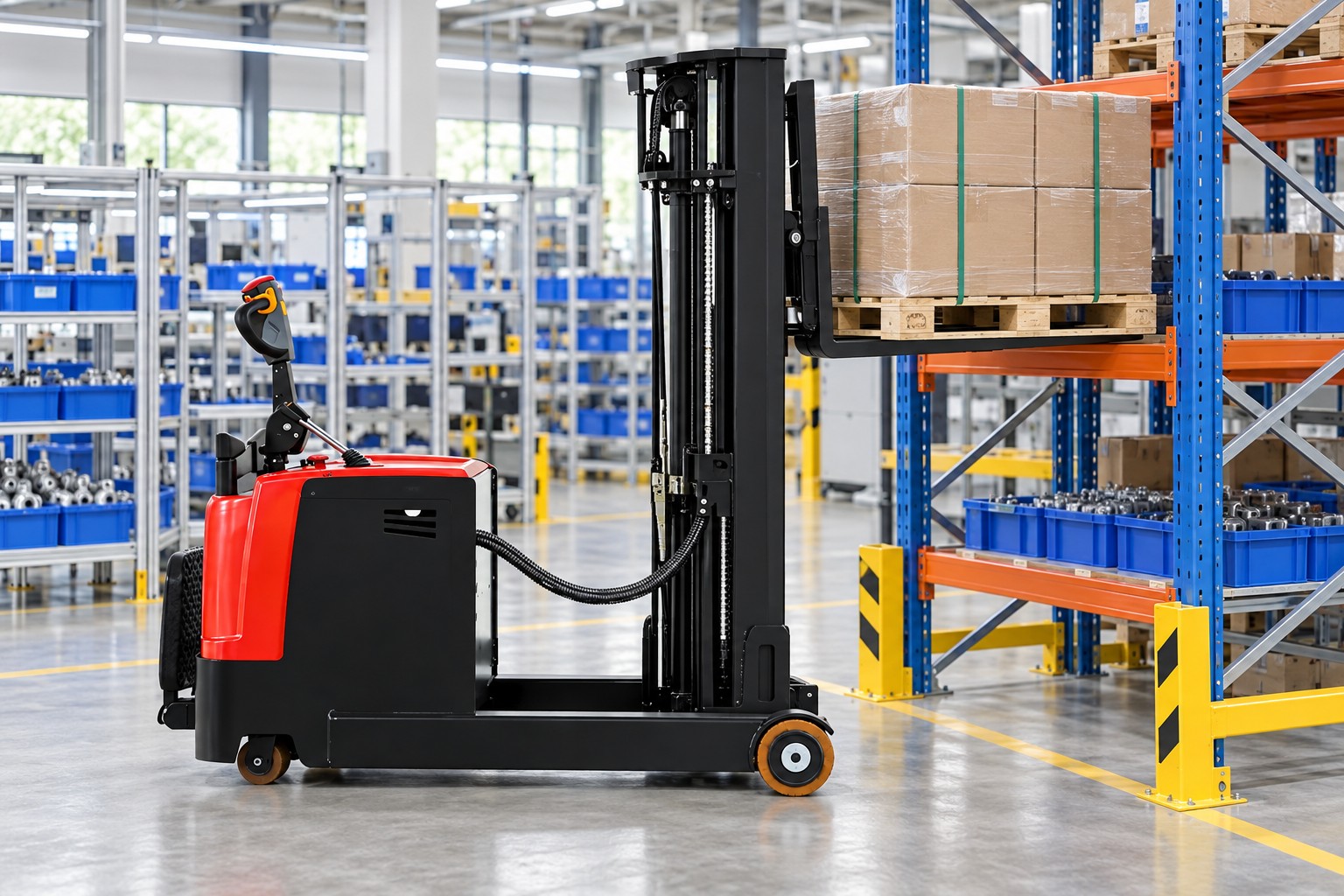
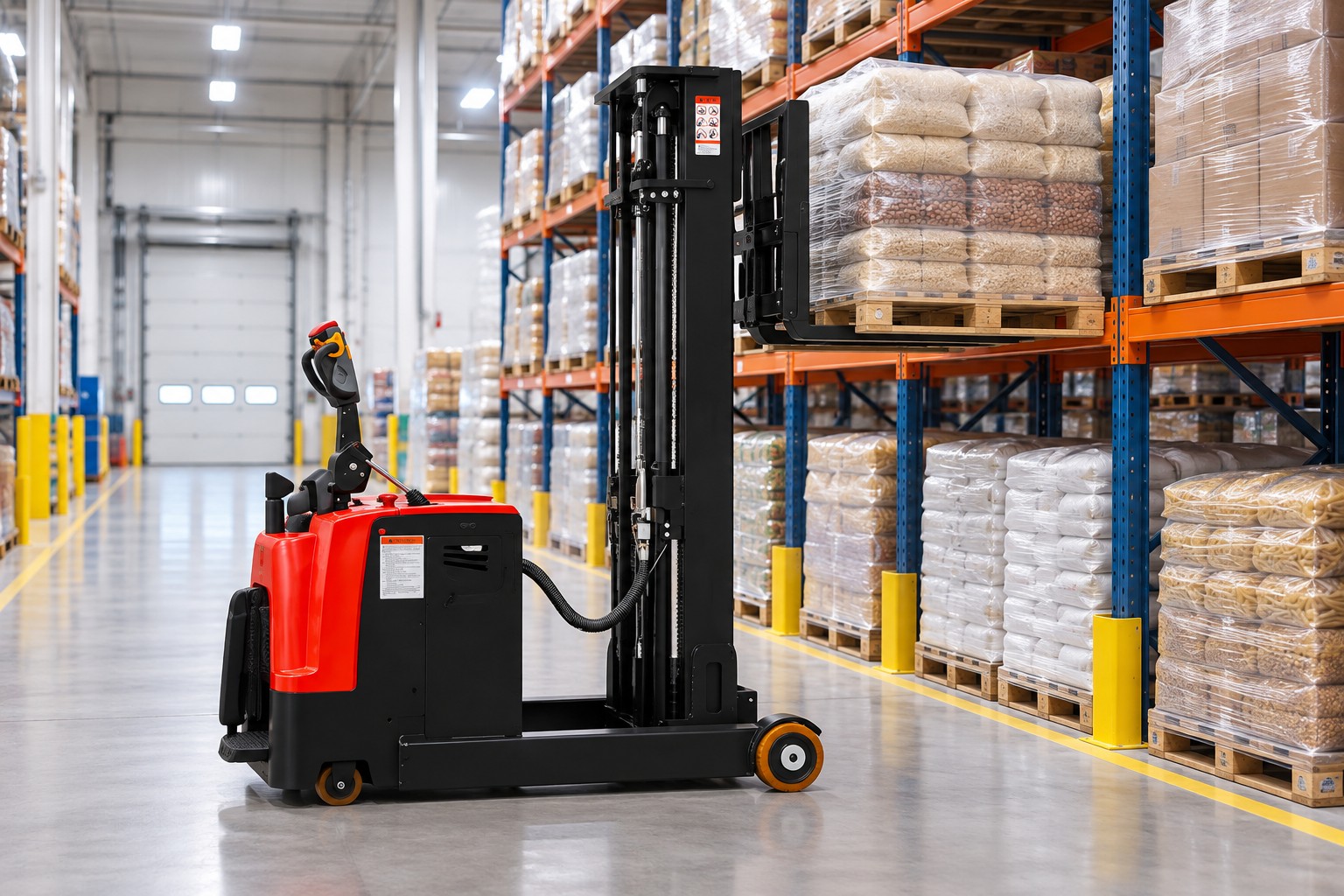
The CQDA15/20 electric reach pallet stacker series covers 1,500 kg and 2,000 kg capacity classes for high-rack warehousing, manufacturing supermarkets and distribution centers. A movable mast reaches the forks toward the rack and retracts for travel, helping buyers combine reach-style pallet placement with a support-leg stacker layout. ZGFORKLIFT / MYZG treats selection as an application project: load geometry, residual capacity, pallet, rack, aisle, floor, battery and service must be reviewed together.
Nominal capacity alone does not determine the correct model. Record maximum gross pallet weight, dimensions, load-center distance, required lift height, rack depth, beam height, doorway clearance and right-angle stacking aisle. Long, offset or unstable goods and higher lift positions can reduce usable capacity. Select CQDA15 or CQDA20 only after the supplier confirms the load chart for the ordered mast, fork arrangement and actual load center.
The source family identifies a 24 V electric system, movable mast, adjustable fork spacing, EPS steering, AC traction and regenerative braking among its features. It also describes emergency stop and multi-lever hydraulic control. These are family-level references; battery, charger, mast, fork specification and residual capacity remain configuration-dependent and should appear in the signed technical offer.
CQDA15 can suit controlled 1.5 ton pallets, food distribution and compact manufacturing buffers. CQDA20 provides a higher nominal class for denser pallets and heavier replenishment work where aisle and floor conditions permit. Both models require compatible pallet openings and adequate support-leg clearance. They are intended primarily for firm, level warehouse floors rather than broken yards, steep ramps or loose ground.
Compare the stacker product category and the broader All Products range. Buyers focused on the lighter configuration can review the existing CQDA15 application page. Where the route has outdoor irregularities, compare the structure and limitations of the CQDH20 large reach stacker reference before deciding.
Load: provide weight, dimensions, center of gravity and stability. Include special loads such as drums, long cartons or bagged goods.
Pallet: record entry direction, underside clearance, fork pockets and damaged-board risk. A real pallet test is recommended for non-standard designs.
Rack: measure beam height, depth, flue space, upright protection and overhead obstructions. Confirm the mast can reach the required level while clearing the lowest doorway.
Aisle: measure the narrowest usable point and turning junction, including pedestrian rails, columns and staged pallets.
Energy: state shift hours, travel distance, lift cycles, temperature, charging window and electrical supply. Size the battery and charger for the duty rather than the purchase price.
In manufacturing, map inbound components, line-side buffers, finished goods and returnable packaging. In food and consumer-goods distribution, review pallet quality, hygiene rules, cold areas and seasonal peaks. In third-party logistics, define the range of customer pallets and the heaviest load stored at maximum height. A written operating envelope should name approved loads, routes, rack levels, speed zones and stop-work conditions.
For operations that do not require mast reach movement, compare the standing format described on the CDD20D 2 ton standing stacker page. The correct solution may be a walkie, standing, reach or counterbalanced machine depending on route length, pallet design and stacking geometry. The site’s equipment FAQ can help organize questions before quotation.
Daily checks should cover forks, mast channels, chains, hoses, reach mechanism, wheels, brakes, steering, horn, emergency controls, battery restraint and connectors. Remove wrapping film and pallet debris from travel paths. A defect affecting stability, lifting, braking or electrical integrity should take the machine out of service until qualified personnel complete the repair.
Operators should travel with the load in the specified lowered position, approach racks squarely and avoid turning with elevated forks. Pedestrians need separated routes and visible crossing controls. Scheduled maintenance should follow the delivered manual and actual duty cycle. Review parts and dealer support when planning service stock, and provide machine identification information with every parts request.
Dealers should document load, lift height, pallet, aisle, floor, duty, battery preference, destination and local service capability before quoting. Handover should include controls, emergency procedures, charging, inspections and rack-approach technique. Any cooperation case or performance statement should be supported by project records before use in sales material.
Where CE documentation is required, request the applicable declaration for the exact supplied configuration. Because the CQDA series is electric, diesel-engine EPA emissions certification is generally not the relevant compliance route; destination machinery, battery, charger, labeling and import rules still require confirmation. This page makes no unsupported certificate, test, delivery, export-count or customer-case claim.
Send the load and pallet drawing, lift height, rack and aisle measurements, floor condition, shift hours, charging supply, destination and service expectations. Contact Shandong Zhuogong Machinery Equipment Co., Ltd. at vip@mingyuforklift.com or +86-0535-2090977, or use the contact and inquiry page. Include “CQDA15/20 reach stacker series” so capacity, mast, fork, battery and export questions can be reviewed together.
Name: selena
Mobile:+86-13176910558
Tel:+86-0535-2090977
Whatsapp:8613181602336
Email:vip@mingyuforklift.com
Add:Xiaqiu Town, Laizhou, Yantai City, Shandong Province, China