vip@mingyuforklift.com
+86-0535-2090977

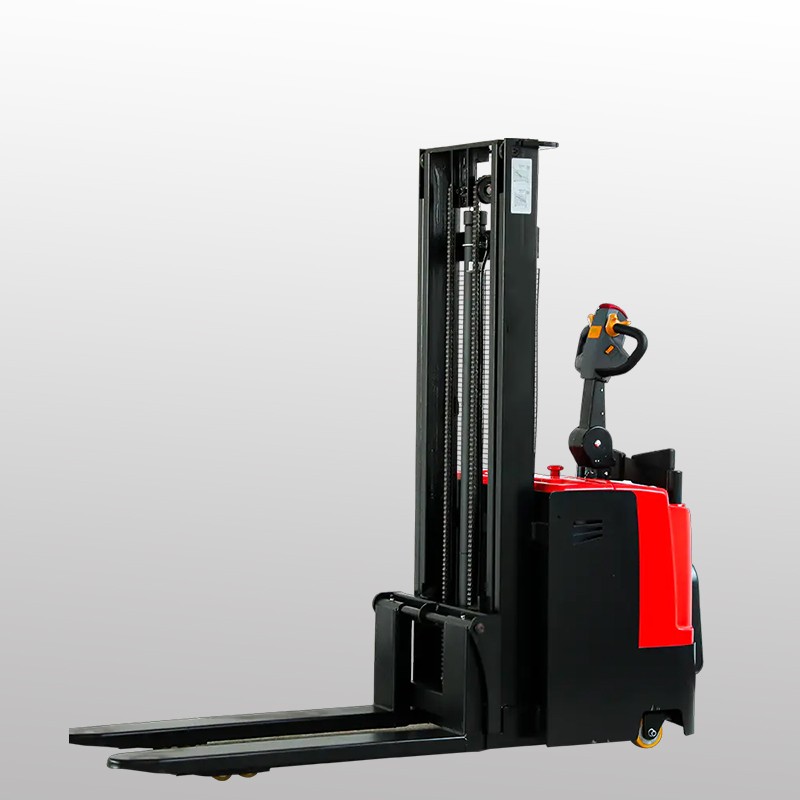
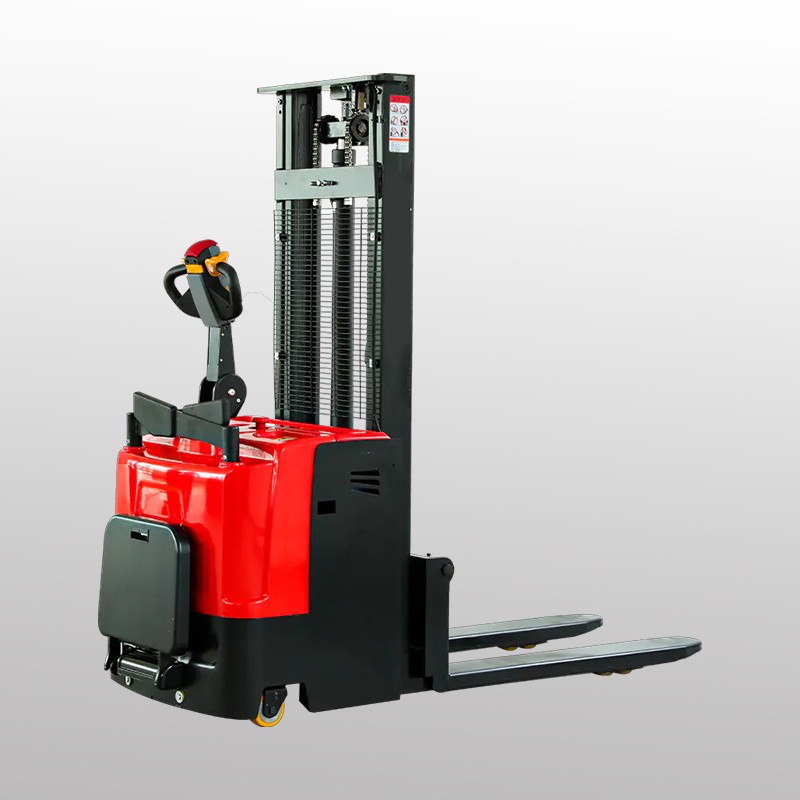
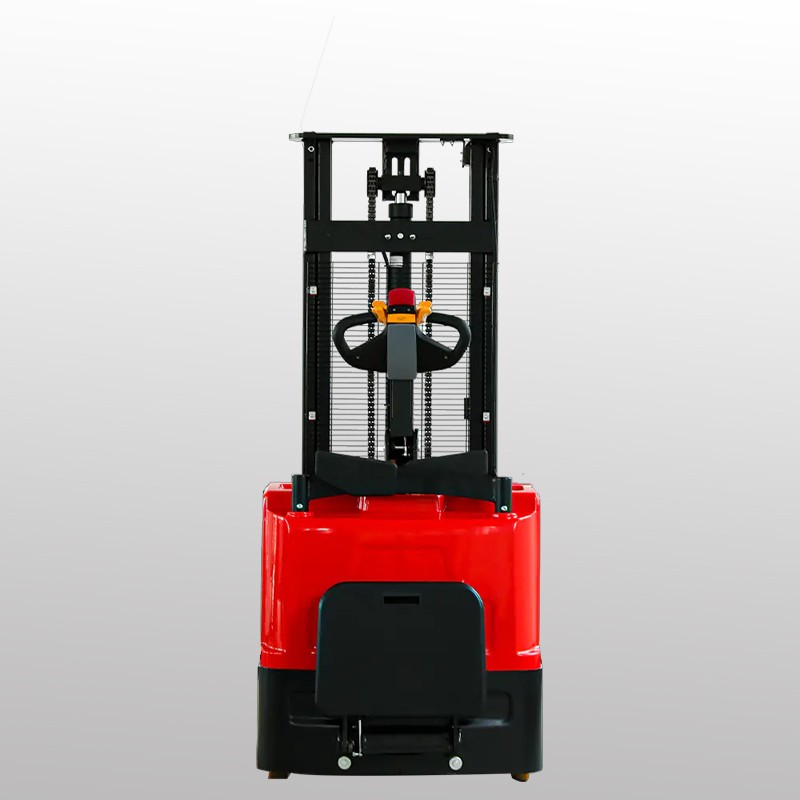
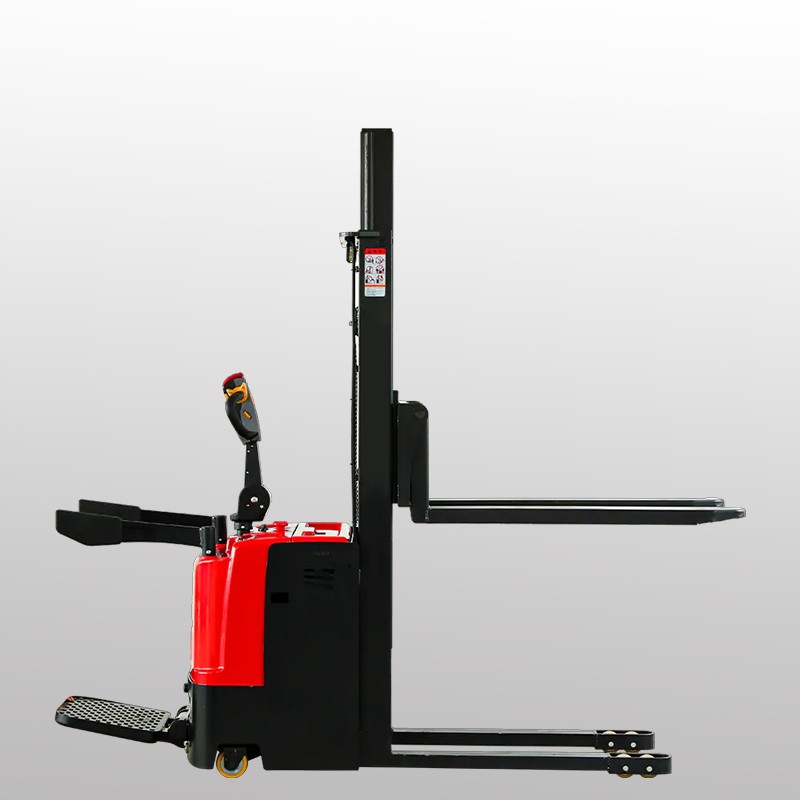
The CDD-D standing electric pallet stacker application for wholesale and regional distribution is based on the established CDD15/20D family, offering 1,500 kg and 2,000 kg nominal classes subject to final configuration. It can support receiving, reserve storage, cross-dock buffers and dispatch staging where routes are longer than typical walkie-stacker work. ZGFORKLIFT / MYZG focuses on the real customer need: stable throughput with appropriate capacity, aisle fit, battery planning, traffic control and maintainability.
Document peak inbound and outbound waves, not only average daily volume. Record maximum pallet weight and dimensions, load center, damaged or mixed pallet frequency, lift height, reserve-rack layout, staging-lane width, dock approach, trailer interaction, gradients and surface transitions. Residual capacity depends on mast, height, forks, load center and attachments, so confirm the final load chart in writing.
Regional distribution often includes urgent changes, mixed pallets and queueing around doors. Establish separate travel and pedestrian zones, designated waiting positions and clear priorities at intersections. Confirm the operator can see around tall loads and that doorways, fire protection and dock equipment provide adequate clearance.
The warehouse stacker range provides walkie, standing, reach and other alternatives. Use the verified MYCDD-D standard standing stacker page as the product-family reference. Compare it with counterbalanced equipment when trailers, closed pallets, ramps or unsupported loads make a support-leg stacker unsuitable.
Pallet population: survey best and worst pallets, including broken boards, wrap overhang and different fork openings. Reject unsafe pallets and confirm support-leg clearance.
Route: measure aisle and turning space with staging at peak occupancy. Include dock plates, thresholds, slopes, drains and floor joints.
Energy: calculate travel, lift cycles and waiting time during peak waves. Match battery and charger to available breaks, shift length and site power.
Handover: define authorized tasks, load limits, charging, parking, defect reporting and emergency response before the machine enters service.
Speed must suit visibility and traffic. Operators should travel with the load correctly lowered, slow before turns, keep safe separation from docks and people, and avoid turning with elevated loads. Stop when the route, trailer, dock plate or pallet condition is uncertain. Use barriers, markings, mirrors and warning devices as part of a layered traffic plan rather than relying on a horn alone.
Review the electric stacker operating procedures and the guide on stacker operator authorization. Requirements vary by jurisdiction and workplace, so the employer should verify local training and licensing rules.
Before each shift, inspect forks, carriage, chains, mast rails, hoses, wheels, brakes, steering, warning devices, emergency controls, platform, battery restraint and connectors. Record impacts and recurring defects. Remove unsafe equipment from service and prevent unauthorized return until qualified repair and verification are complete.
Planned maintenance should reflect high travel distance, dock debris, shrink wrap and multi-shift use. Keep wheel areas clean and record fork, chain, battery and hydraulic condition. Dealers can use the parts and service-support page when planning stock. Accurate model, configuration and machine identification reduce parts errors.
A distributor or dealer should qualify the customer with load data, building measurements, peak-volume timing, charger supply, destination and local service ability. Demonstration should reproduce actual pallet and route conditions. Measure productive moves, operator travel, congestion, damage, charging time, service events and downtime to create an evidence-based fleet decision.
For export, verify destination rules, language, electrical supply, labeling and required documents. Request applicable CE documentation for the exact machine when needed. Because this is electric equipment, EPA engine-emissions certification is normally not the relevant path; destination compliance still requires importer review. This page does not invent certification numbers, customer cases or guaranteed throughput.
Compare alternatives through All Products. Send maximum pallet data, rack and route measurements, peak cycles, shift schedule, charging window and destination. Contact Shandong Zhuogong Machinery Equipment Co., Ltd. at vip@mingyuforklift.com or +86-0535-2090977, or use the contact page. Reference “CDD-D wholesale distribution application.”
Name: selena
Mobile:+86-13176910558
Tel:+86-0535-2090977
Whatsapp:8613181602336
Email:vip@mingyuforklift.com
Add:Xiaqiu Town, Laizhou, Yantai City, Shandong Province, China