vip@mingyuforklift.com
+86-0535-2090977

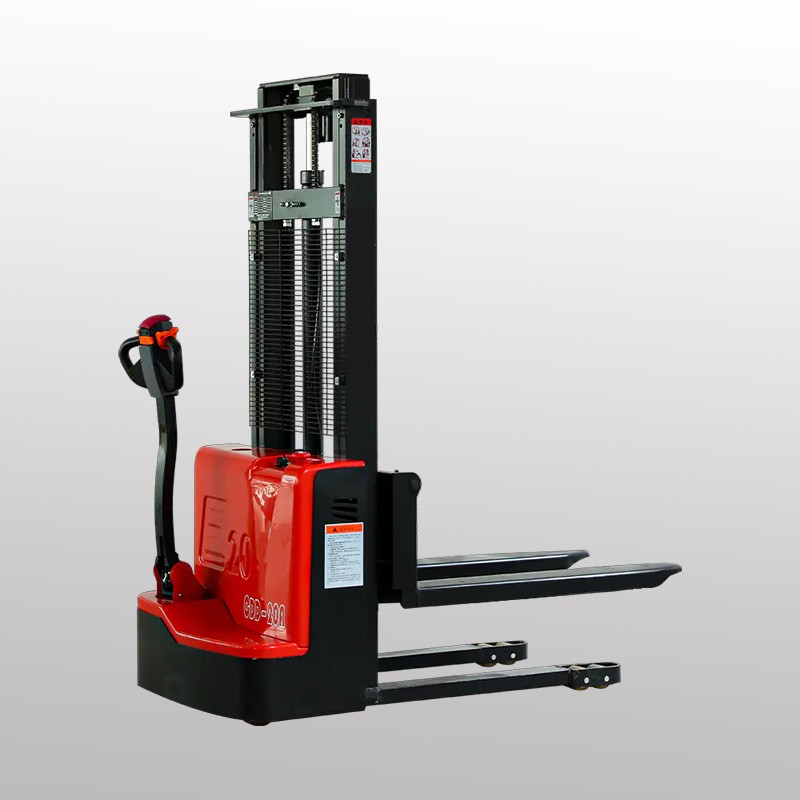
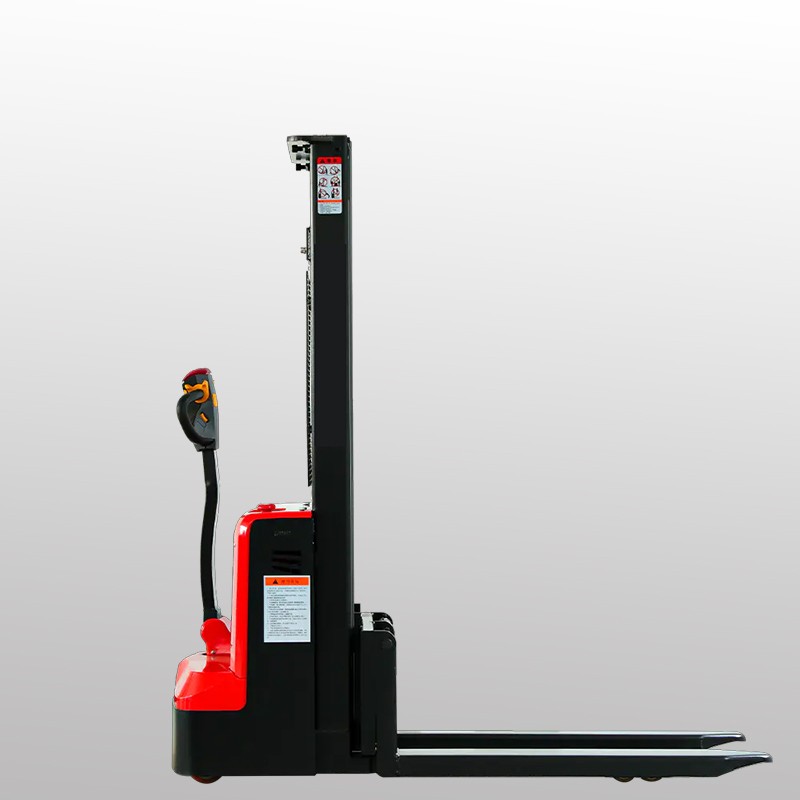
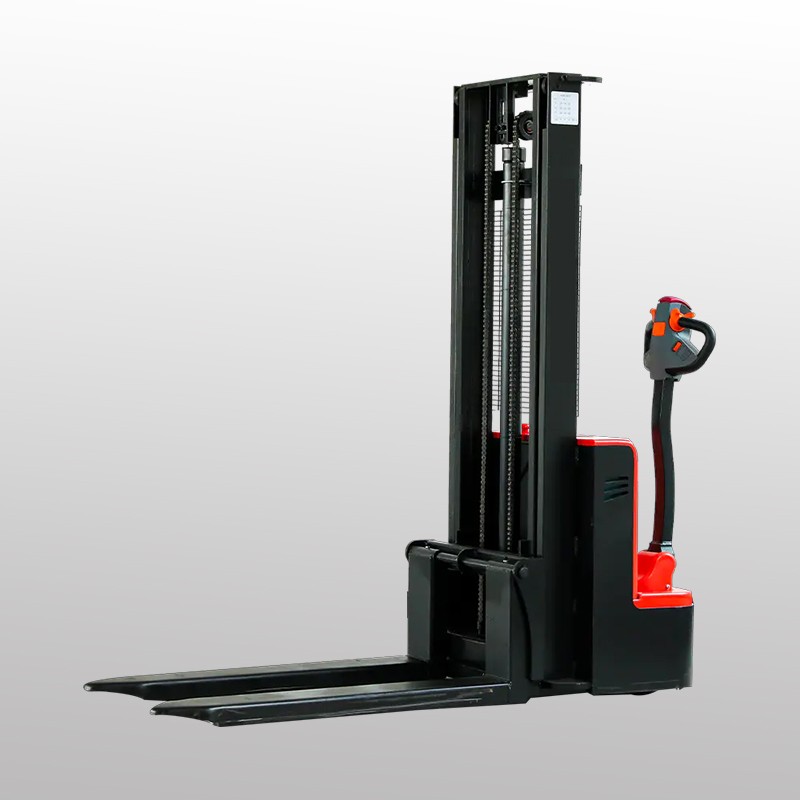
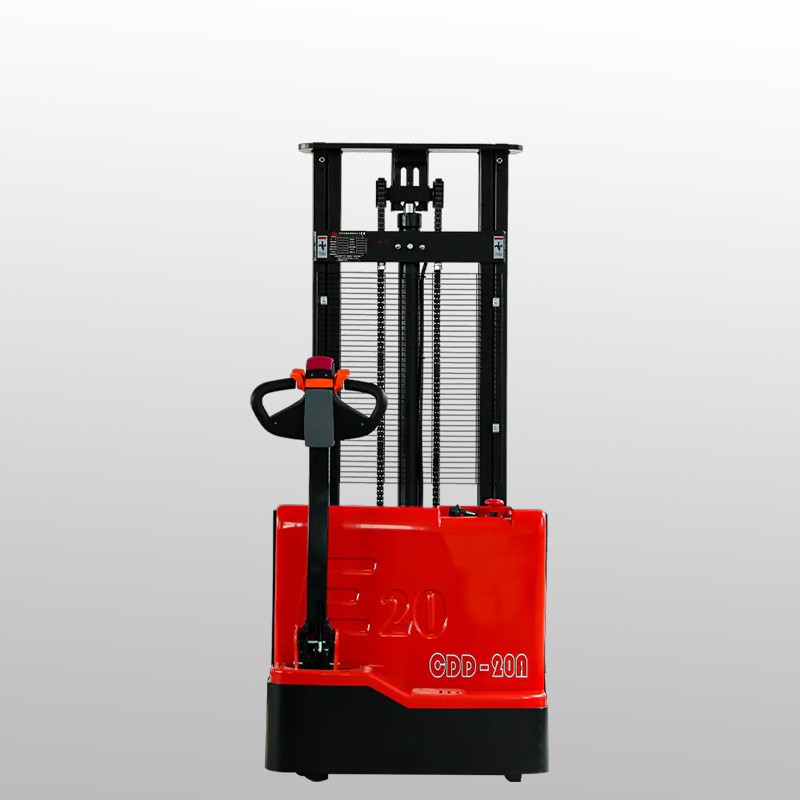
The CDDA16 1.6 ton walkie electric pallet stacker is the higher-capacity configuration in the website’s CDD-A walkie family. It is intended for small and medium warehouses, retail distribution, production supply and low-roof storage where a pedestrian operator needs powered travel and lift in a compact format. ZGFORKLIFT / MYZG recommends selecting the truck from the real pallet, rack, aisle, lift height, duty cycle and charging plan rather than capacity alone.
The source family lists 1,500 and 1,600 kg classes with a 600 mm load center. The extra nominal capacity of CDDA16 may help with denser pallets, but it does not remove the need for residual-capacity confirmation. Long, offset, unstable or high-lift loads can reduce available capacity. Buyers should provide maximum weight, dimensions, center of gravity, pallet entry and required height so the ordered mast and fork arrangement can be checked.
Family information describes a long tiller, emergency reversing device, braking with the handle upright or horizontal, multifunction display, pressure relief, emergency power disconnect, low-speed mode and automatic deceleration. Fixed or adjustable forks are listed as options. Final controls, mast, forks, battery and charger must be confirmed in the quotation and delivered specification.
In a retail distribution center, the walkie format can support replenishment and reserve-stock handling without a standing platform. In manufacturing, it can move components between storage and line-side buffers. In small warehouses, compact travel can help where routes are short and the operator frequently changes between walking and pallet handling. The best fit is firm, level flooring with compatible pallets and controlled pedestrian traffic.
Review the stacker category and All Products. Buyers comparing the lighter class can use the existing CDDA15 1.5 ton walkie stacker page. For longer routes and repeated travel, compare the standing operator concept on the CDD20D standing stacker page.
Pallet compatibility: record fork pockets, entry direction, underside boards and clearance for support legs. Closed-bottom or damaged pallets may not suit the layout.
Rack and lift: state top beam height, rack depth, required free lift, mast closed height and overhead obstructions. Low-roof work may require a specific mast rather than a general family specification.
Aisle and route: measure turning points, doors, crossings and the narrowest usable space after barriers and staged pallets are included.
Floor: identify broken joints, thresholds, wet zones and slopes. Small wheels need clean, firm surfaces and disciplined housekeeping.
Duty: provide working hours, travel distance, lift cycles, temperature, charging windows and electrical supply.
A compact stacker does not make every aisle safe. Mark pedestrian routes, control access at blind intersections and keep rack ends protected. Define the approved direction of travel, maximum load and lift height, parking area and charging location. Operators should approach the pallet squarely, verify fork entry and stop if boards are broken or goods are unstable.
Where manual equipment remains part of the process, compare transfer points with the manual hydraulic stacker application page. Powered walkie equipment can reduce manual effort, but traffic rules, training and maintenance become more important. The article what is a stacker helps new buyers compare basic formats.
Complete a pre-shift inspection of forks, mast, chains, hoses, wheels, brakes, steering, tiller controls, emergency reversing, horn, battery restraint and connectors. Remove shrink wrap and pallet debris from wheels and travel lanes. Isolate any defect affecting lifting, braking, steering, stability or electrical safety until qualified personnel complete the repair.
Battery care should follow the ordered technology and charger instructions. Keep charging areas organized, protect connectors and record abnormal heat, damage or reduced runtime. Planned service intervals should reflect dust, temperature, impacts and shift intensity. Use the parts and dealer support page when planning wear-item stock and provide the exact machine identification with each request.
Dealers should collect load, pallet, lift height, aisle, floor, hours, battery preference, destination and service capability before offering CDDA16. Demonstration and handover should cover tiller controls, emergency functions, safe pedestrian operation, parking, charging and daily checks. A documented survey supports better configuration and reduces after-sales misunderstandings.
Where CE documentation is required, request the applicable declaration for the exact supplied configuration. Because the machine is electric, diesel-engine EPA certification is generally not the relevant route; destination machinery, electrical, battery, charger and labeling requirements remain the importer’s responsibility. No unsupported certificate number, performance test, delivery time, export count or customer case is claimed here.
Send load weight and dimensions, pallet drawing, required lift height, aisle and door measurements, floor condition, shift hours, charging supply, destination and service expectations. Contact Shandong Zhuogong Machinery Equipment Co., Ltd. at vip@mingyuforklift.com or +86-0535-2090977, or use the contact and inquiry page. Include “CDDA16 1.6 ton walkie electric stacker” so the team can review mast, forks, battery, charger and shipping together.
Name: selena
Mobile:+86-13176910558
Tel:+86-0535-2090977
Whatsapp:8613181602336
Email:vip@mingyuforklift.com
Add:Xiaqiu Town, Laizhou, Yantai City, Shandong Province, China