vip@mingyuforklift.com
+86-0535-2090977

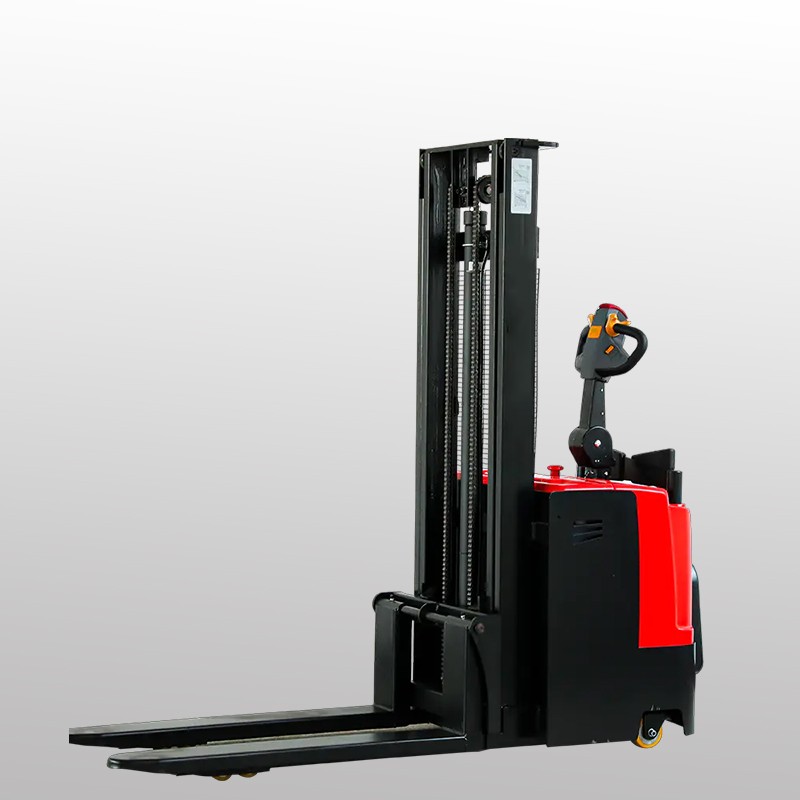
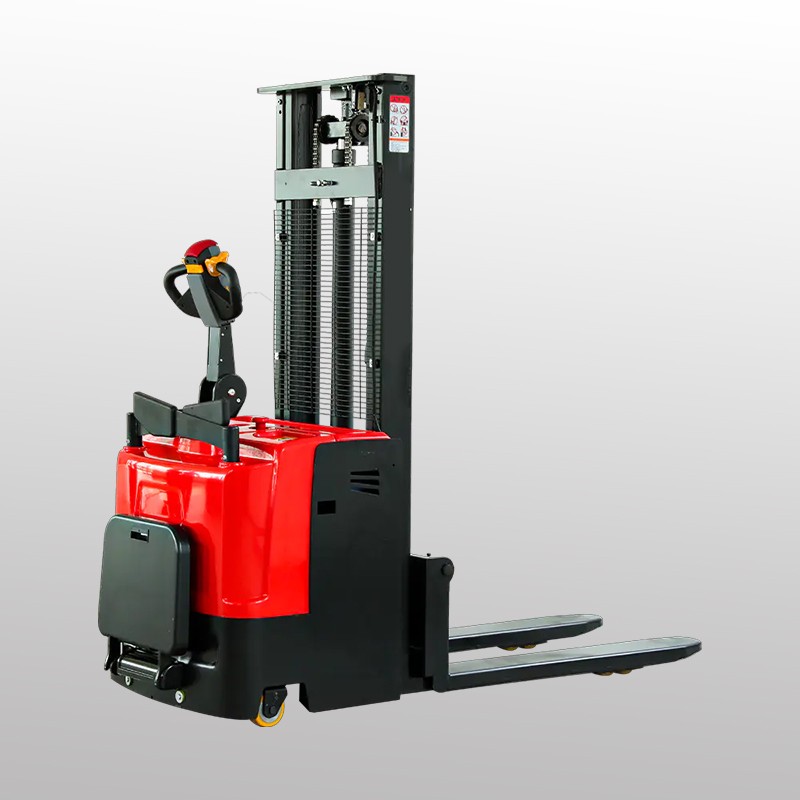
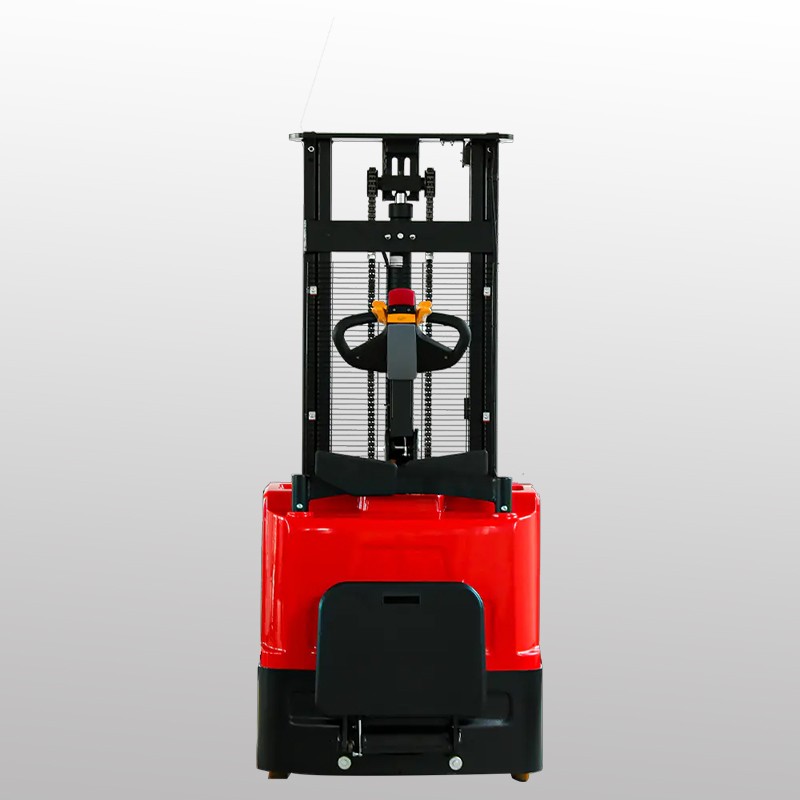
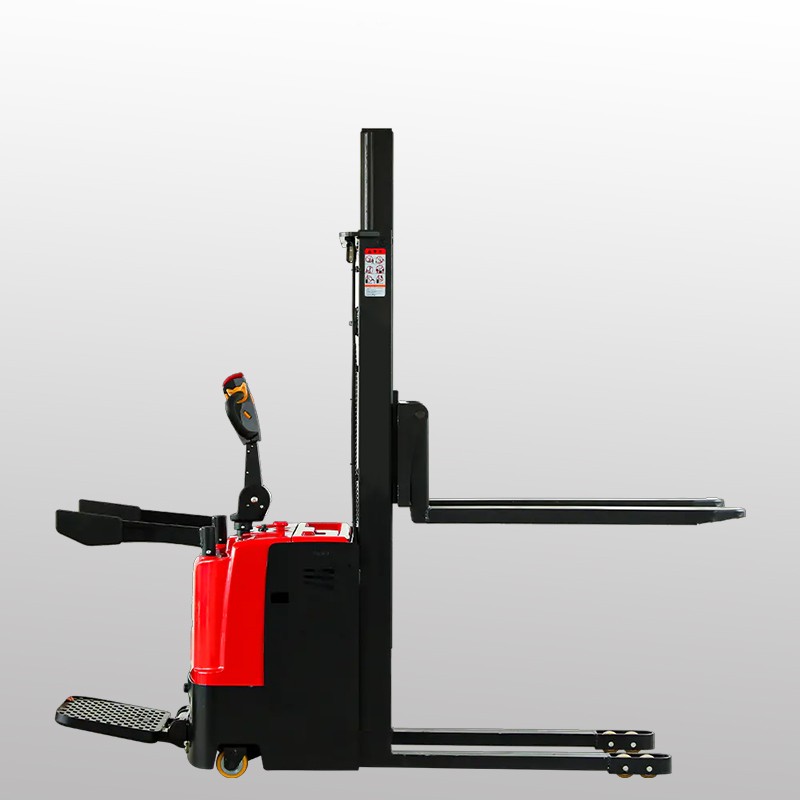
The CDD-D standing electric pallet stacker application for cold-chain and food distribution is based on the verified CDD15/20D family, covering 1,500 kg and 2,000 kg nominal classes subject to final configuration. It is intended for pallet movement between receiving, temperature-controlled storage, staging and dispatch where electric operation and a ride-on platform may support longer internal routes. ZGFORKLIFT / MYZG evaluates the load, pallet, temperature, condensation, floor, lift height, battery, hygiene process and service plan as one solution.
State the maximum gross pallet weight, dimensions, load center, packaging stability, pallet entry, lift height, rack depth, aisle width, doorway clearance and travel distance. Include time spent inside and outside controlled areas, door cycles, temperature range and cleaning methods. Residual capacity depends on the ordered mast, fork arrangement, load center and lift height; nominal capacity is only a starting point.
Temperature transitions can create condensation on the truck, floor and load. Buyers should identify slippery zones, drainage, freezer-door thresholds and warm-up locations. The approved configuration and operating procedure must account for battery performance, materials, electrical protection and lubricants appropriate to the actual environment. Do not assume a standard warehouse machine is automatically suitable for cold storage.
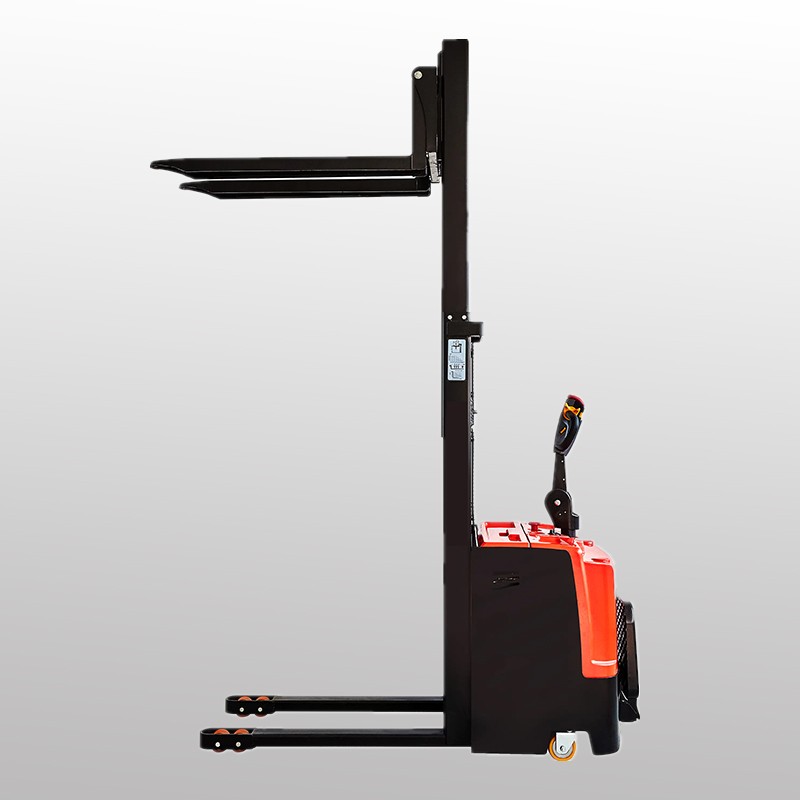
Review the electric stacker category and the original MYCDD-D standing stacker family. A standing stacker can suit longer warehouse routes, while a walkie model may fit shorter movement. A counterbalanced truck may be required where closed pallets, dock work, gradients or unsupported loads are incompatible with support legs.
Load and pallet: document frozen, chilled and ambient products separately. Record overhang, shrink wrap, damaged pallets and center-of-gravity changes.
Temperature: provide minimum and maximum temperature, exposure duration, transition frequency and condensation conditions. Confirm configuration suitability before ordering.
Battery: state peak shift hours, lift cycles, travel distance, charging window and charger location. Cold conditions can affect available performance, so capacity planning should use the real duty.
Hygiene: disclose cleaning chemicals, water exposure and contamination-control rules. Cleaning procedures must not damage electrical or mechanical components.
Separate pedestrians from powered equipment, mark crossings and define priorities at cold-room doors. Operators should travel with loads correctly lowered, slow before turns and thresholds, approach racks squarely and stop when condensation, packaging damage or blocked visibility makes the task unsafe. Food safety rules should be integrated with equipment safety rather than treated as a separate process.
The electric stacker safe-operation guide provides a useful overview. Procurement teams can also read what a pallet stacker is. Site-specific training, risk assessment and the delivered manual remain authoritative.
Pre-shift inspection should cover forks, mast, chains, hoses, wheels, brakes, steering, warning devices, platform, emergency controls, battery restraint and connectors. Check for moisture, ice, corrosion, cracked insulation and reduced braking or traction. Remove the truck from service if a defect affects stability, steering, braking, lifting or electrical safety.
Plan drying, inspection, lubrication, battery care and corrosion checks around the temperature cycle. Record recurring faults by location and temperature. The parts and dealer support page can support service planning; parts inquiries should include identification, configuration, photographs and operating environment.
Dealers should request temperature profiles, pallet samples, rack dimensions, shift data and cleaning rules before quoting. A controlled demonstration should reproduce representative surfaces and temperature transitions where practical. Handover must cover operating limits, charging, parking, condensation response, emergency controls and defect reporting.
Where CE documentation is required, request the applicable documents for the exact configuration. EPA engine-emissions certification is generally not relevant to an electric stacker, but importers must still check destination rules. No unsupported certificate number, customer case, export count or performance guarantee is claimed.
Compare alternatives through All Products. Send pallet data, rack and route measurements, temperature range, cleaning process, peak cycles, charging window and destination. Contact Shandong Zhuogong Machinery Equipment Co., Ltd. at vip@mingyuforklift.com or +86-0535-2090977, or use the contact page. Reference “CDD-D cold-chain and food distribution.”
Name: selena
Mobile:+86-13176910558
Tel:+86-0535-2090977
Whatsapp:8613181602336
Email:vip@mingyuforklift.com
Add:Xiaqiu Town, Laizhou, Yantai City, Shandong Province, China