vip@mingyuforklift.com
+86-0535-2090977

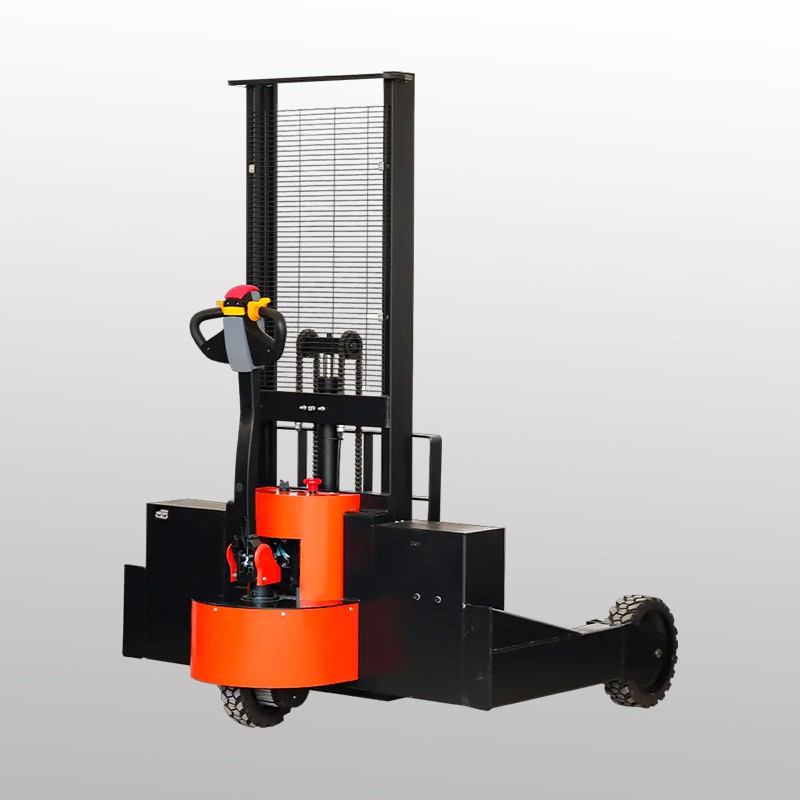
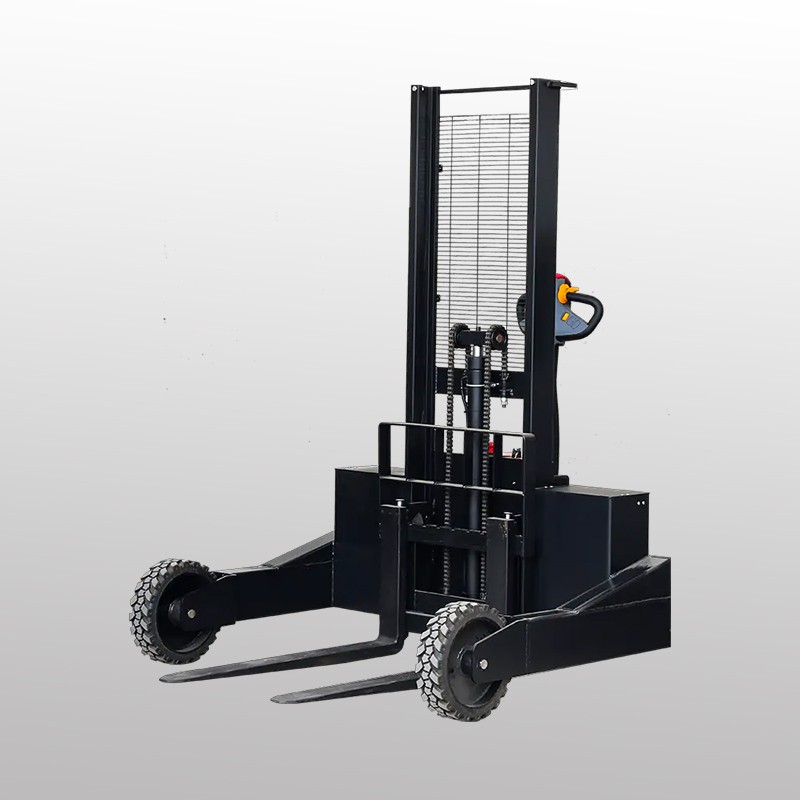
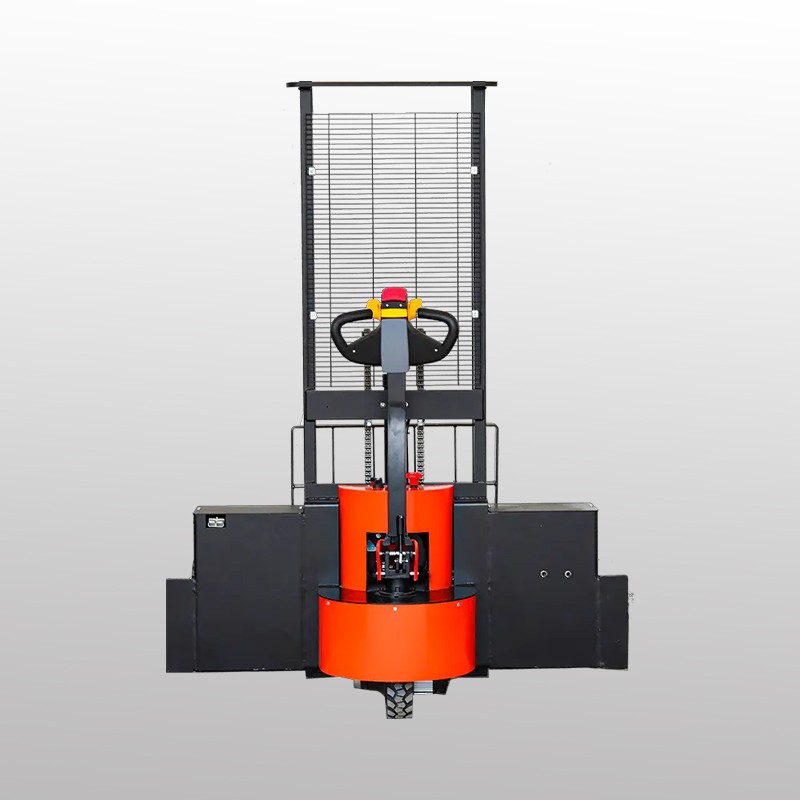
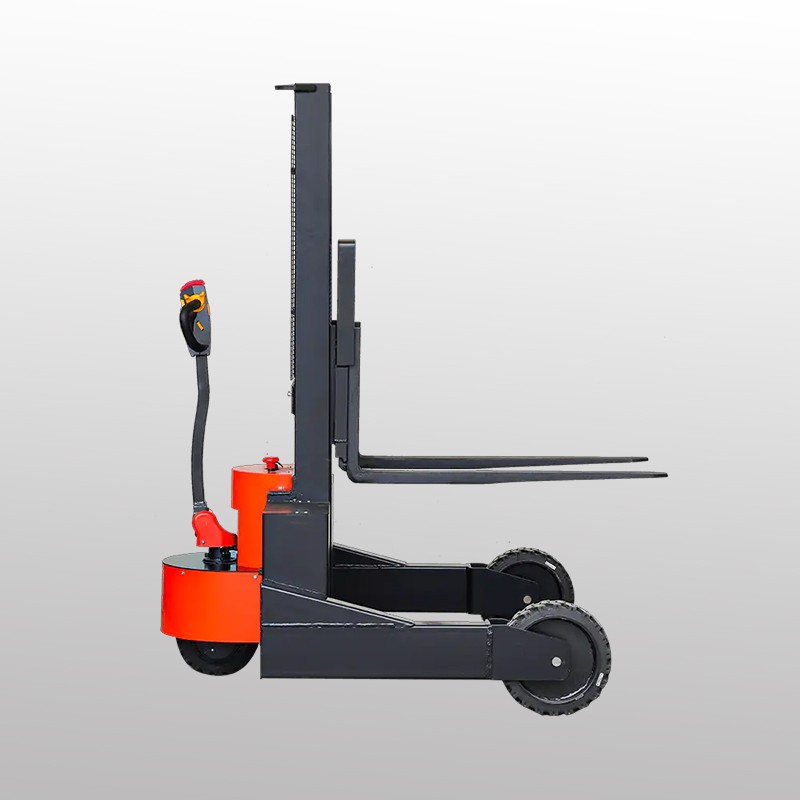
The CDD15H 1.5 ton all-terrain electric pallet stacker is the lighter-capacity configuration in the website’s CDD-H outdoor stacker family. It is intended for paved yards, construction-material staging, agricultural stores and facilities where ordinary small-wheel warehouse stackers may struggle with uneven transitions. ZGFORKLIFT / MYZG evaluates the complete route, pallet and load before recommending it; all-terrain capability does not mean unrestricted operation on every slope, surface or weather condition.
Survey the worst surface, not the best. Record broken concrete, compacted ground, gravel, mud risk, drainage channels, thresholds, gradients, cross slopes and seasonal weather. Identify turning areas, vehicle crossings, pedestrians, dock edges and overhead obstructions. A route that is passable without load may not be acceptable with a raised or heavy pallet, so the approved operating envelope must be defined with the final configuration.
The source CDD-H family covers 1,500 and 2,000 kg nominal classes at a 500 mm load center and describes solid rubber wheels, electric travel and hydraulic lift. Family data supports initial comparison, but battery, charger, mast, fork spacing and residual capacity at height remain configuration-dependent. CDD15H should be confirmed against the real load and route rather than selected from its name alone.
A 1.5 ton configuration can suit lighter building materials, packaged agricultural goods, outdoor reserve storage and mixed indoor-yard replenishment. The wide support-leg arrangement and larger wheels must be checked against pallet openings and aisle clearance. Buyers should provide pallet drawings and test representative loads where dimensions are unusual. Loose, unstable or weather-damaged goods require additional controls.
Review the stacker product category and All Products. Compare the existing CDD20H 2 ton all-terrain stacker when loads exceed the lighter class. For firm-floor indoor work, review the CDD20D standing warehouse stacker instead of assuming the outdoor chassis is always preferable.
Load: give gross weight, dimensions, center of gravity and stability. Confirm residual capacity for the required mast and height.
Pallet: state entry direction, fork-pocket dimensions and support-leg clearance. Weathered pallets should be rejected if damaged.
Surface: provide photographs and measurements of joints, ramps, thresholds and soft areas. Identify the steepest longitudinal and cross slope.
Environment: record rain, dust, temperature, corrosive material and washdown expectations. These may change protection and maintenance needs.
Energy: describe shift hours, travel distance, lift cycles, charging windows and electrical supply. Confirm battery performance for the actual ambient temperature.
Create approved routes and exclude areas where surface strength, slope or edge protection is inadequate. Keep loads low for travel, reduce speed before transitions and avoid turning on slopes. Stop work when mud, ice, standing water or damaged ground changes traction or stability. A spotter may be needed where the operator cannot see the path, but the spotter must remain clear of the machine and load.
Construction and agricultural sites often change over time. Reinspect routes after rain, excavation, delivery traffic or surface repair. Do not use forks to push debris or treat the stacker as earthmoving equipment. The related electric stacker safety guide is a planning reference, while the delivered manual and site rules remain controlling.
Daily checks should cover forks, mast channels, chains, hoses, wheels, tyres, brakes, steering, controls, battery restraint and structural damage. Clean mud and debris without forcing water into electrical components. Examine wheels and fasteners after impacts. Any defect affecting stability, braking, lifting or electrical integrity should remove the machine from service until repaired by qualified personnel.
Dust, moisture, vibration and surface impacts can shorten service intervals. Track wheel wear, chain condition, hydraulic leaks, connector condition and battery runtime. Planned parts stock should reflect local lead times and duty. Review parts and dealer support and provide the model, machine identification and clear photographs with every request.
Dealers should request a route survey, not only a load weight. The inquiry should include surface photographs, slope, pallet, lift height, working hours, weather, charging access, destination and after-sales capability. Demonstration and handover should cover stability limits, low-load travel, slope rules, daily inspection, charging and stop-work conditions. Documented application approval helps protect the customer and dealer.
Where CE documentation is required, request the applicable declaration for the exact supplied machine. Because CDD15H is electric, diesel-engine EPA emissions certification is generally not the relevant route; destination machinery, battery, charger, transport and labeling rules still require confirmation. This page makes no unsupported certification, test result, export-count, delivery or customer-case claim.
Send load weight and dimensions, pallet drawing, lift height, route photographs, surface and slope measurements, weather, shift hours, charging supply, destination and service expectations. Contact Shandong Zhuogong Machinery Equipment Co., Ltd. at vip@mingyuforklift.com or +86-0535-2090977, or use the contact and inquiry page. Include “CDD15H 1.5 ton all-terrain electric stacker” so route, mast, fork, battery and export questions can be reviewed together.
Name: selena
Mobile:+86-13176910558
Tel:+86-0535-2090977
Whatsapp:8613181602336
Email:vip@mingyuforklift.com
Add:Xiaqiu Town, Laizhou, Yantai City, Shandong Province, China