vip@mingyuforklift.com
+86-0535-2090977

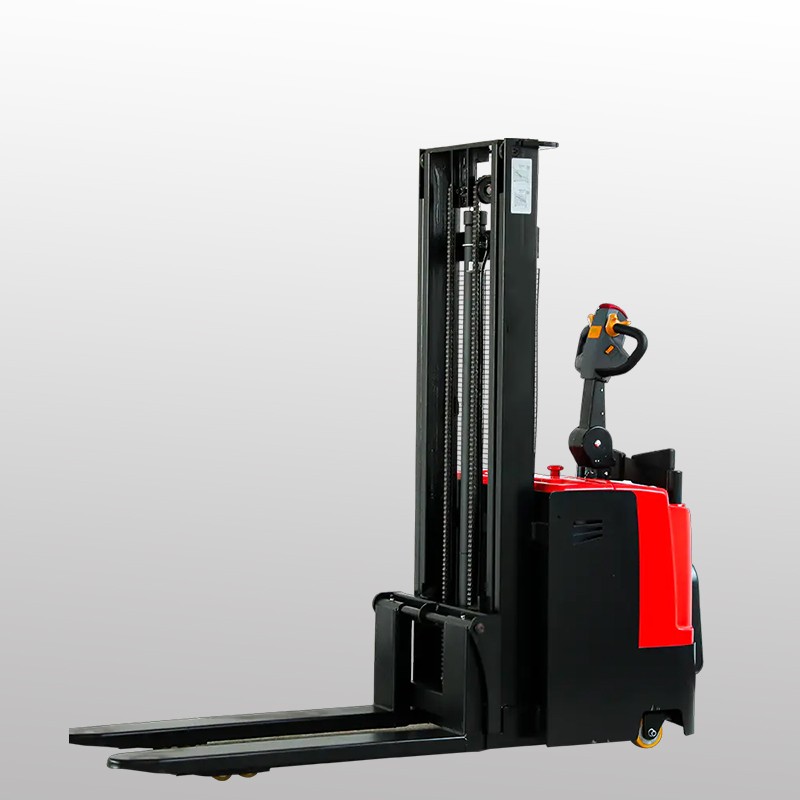
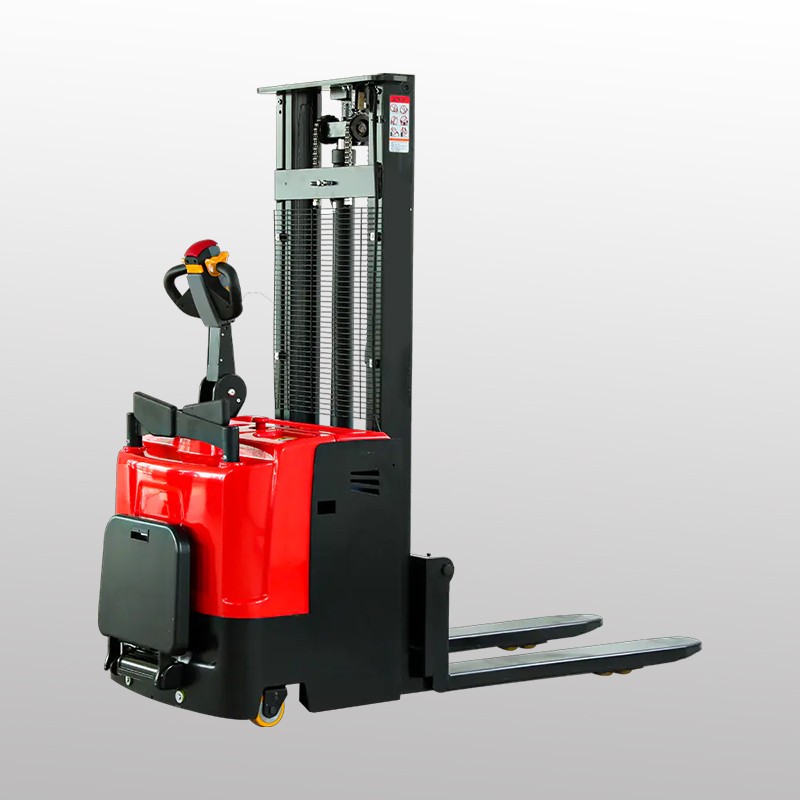
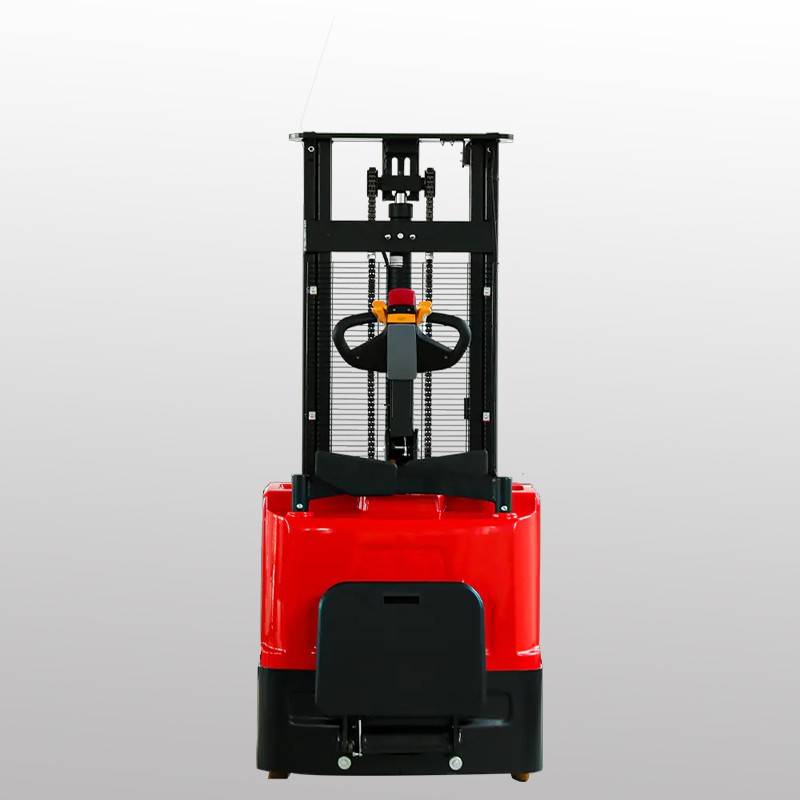
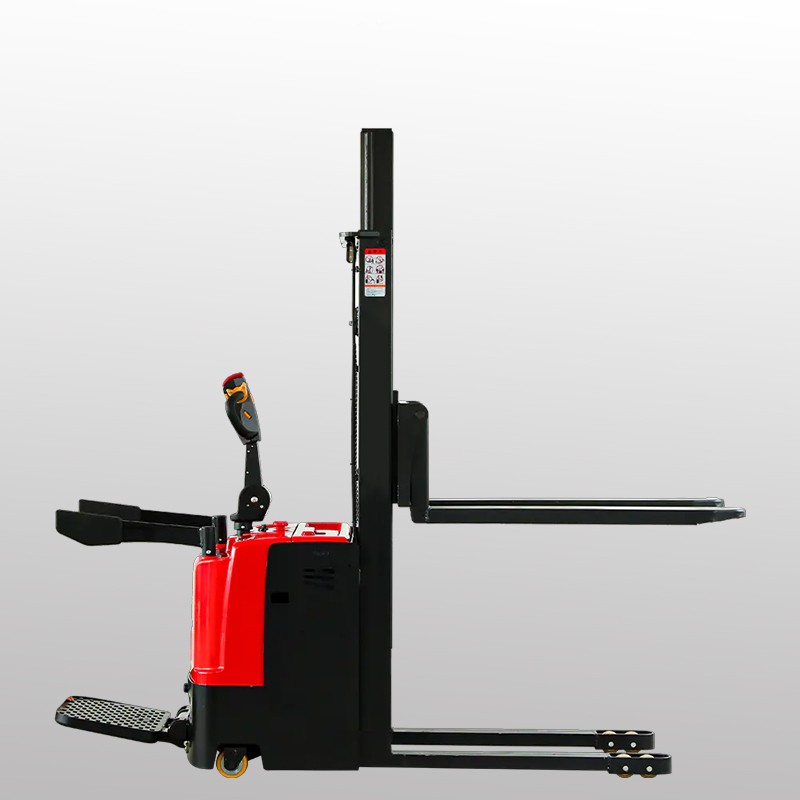
The CDD-D standing electric pallet stacker application for e-commerce fulfillment centers is based on the established CDD15/20D family, with 1,500 kg and 2,000 kg nominal classes subject to configuration. It can support inbound receiving, reserve storage, forward-pick replenishment and outbound staging where frequent internal travel makes a standing platform worth evaluating. ZGFORKLIFT / MYZG starts with the actual peak-order workflow rather than a generic capacity label.
Map inbound pallet receiving, reserve storage, replenishment triggers, returns processing, packing buffers and dispatch lanes. Record the maximum load, dimensions, load center, pallet quality, lift height, rack depth, narrowest aisle, doorway, floor joint, gradient and trip frequency. Peak events can create temporary staging and blocked sight lines, so measurements should represent the busiest operating condition.
Residual capacity must be confirmed for the selected mast, forks, lift height and actual load center. Mixed cartons, offset pallets and damaged packaging may behave differently from standard test loads. Establish rejection criteria and a process for re-palletizing unsafe goods before powered handling.
Start with the pallet stacker category and the verified MYCDD-D standing electric stacker reference. Compare standing and walking equipment by travel distance, frequency, aisle space and operator exposure. Where closed pallets, ramps, trailers or unsupported loads dominate, a different forklift format may be more suitable.
Throughput: calculate replenishment trips and lifts during sales peaks. Include queues at doors, lifts and packing zones rather than using unobstructed travel time.
Aisle fit: measure with rack protection, pick carts and staged goods in realistic positions. Confirm right-angle stacking clearance and escape routes.
Energy: match battery and charger to peak hours, breaks, travel distance, lift cycles and available electrical supply. Include battery inspection and charging-area control.
Visibility: review mast view, load height, mirrors, lights and warning devices for intersections shared with pickers and automation.
E-commerce sites often mix operators, carts, conveyors and autonomous systems. Define routes, crossing priorities, speed zones, exclusion areas and stop conditions. A human supervisor should own layout changes and temporary peak staging. Operators must keep loads correctly lowered during travel, slow before blind corners and stop when the route is uncertain.
Use the safe-operation procedures for electric stackers as a planning reference. The article on forklift and stacker differences can help teams select equipment roles. These resources do not replace the manual, local rules or operator authorization.
Inspect forks, carriage, chains, mast channels, hoses, wheels, brakes, steering, horn, emergency controls, platform, battery restraint and connectors before use. Keep shrink wrap and carton straps away from wheels. Record impacts, abnormal noise, warning indications and reduced performance; isolate unsafe machines until qualified repair is complete.
Prepare service capacity before peak season. Review wear history, charger condition, tyre or wheel stock and critical parts lead time. The parts support page can assist dealer planning. Parts requests should include machine identification, configuration, clear photographs and the part location.
Dealers should conduct a route and load survey before quoting. A pilot should measure replenishment moves, congestion, operator travel, product damage, energy use, charging time and service observations. Compare productive hours and downtime risk rather than purchase price alone. Handover should define approved tasks, maximum loads, parking, charging, emergency response and defect reporting.
For exports, verify destination electrical supply, labeling, language and required machine documents. Request applicable CE documents for the supplied configuration where needed. EPA engine-emissions certification is normally not applicable to electric stackers. No certification number, throughput result or customer case is presented without evidence.
Browse All Products, then send pallet data, rack layout, route measurements, peak-order cycles, shifts, charging window and destination. Contact Shandong Zhuogong Machinery Equipment Co., Ltd. at vip@mingyuforklift.com or +86-0535-2090977, or use the contact page. Reference “CDD-D e-commerce fulfillment application.”
Name: selena
Mobile:+86-13176910558
Tel:+86-0535-2090977
Whatsapp:8613181602336
Email:vip@mingyuforklift.com
Add:Xiaqiu Town, Laizhou, Yantai City, Shandong Province, China