
vip@mingyuforklift.com
+86-0535-2090977

Forklifts are critical assets in material handling operations, relied upon to lift, move, and stack heavy loads safely and efficiently. Like all industrial equipment, forklifts require regular inspections to maintain optimal performance, prevent mechanical failures, and ensure operator safety. One of the most pressing questions for forklift operators, maintenance technicians, and employers is: “How often should a forklift be inspected?” The answer depends on several factors, including regulatory requirements, operational frequency, environmental conditions, and the forklift’s age and condition. This technical article provides a comprehensive overview of forklift inspection schedules, detailing mandatory inspection frequencies, types of inspections, key components to check, and compliance considerations to keep your equipment and workplace safe.
Regular forklift inspections are not just a regulatory obligation—they are a proactive measure to minimize downtime, reduce repair costs, and prevent accidents. A well-executed inspection program can identify minor issues (e.g., worn tires, leaky hoses) before they escalate into major mechanical failures that could lead to costly repairs, equipment downtime, or even catastrophic accidents. By understanding the appropriate inspection frequency and following best practices, industry professionals can extend the lifespan of their forklifts, maintain compliance, and create a safer work environment.
1. Regulatory Foundations: Mandatory Inspection Frequencies
Major safety regulatory bodies worldwide have established minimum inspection requirements for forklifts, designed to ensure equipment is safe to operate. While specific frequencies may vary slightly by region, the core principle is consistent: forklifts must be inspected regularly to identify and address potential hazards. Below is a breakdown of the mandatory inspection frequencies outlined by leading regulatory bodies, along with regional variations.
1.1 Global Standard Inspection Frequencies
The majority of regulatory bodies mandate two primary levels of forklift inspections, based on frequency: •Pre-Operation Inspection (Daily/Before Use): A quick, visual and functional check performed by the operator before using the forklift for the first time each shift. • Periodic Inspection (Monthly/Quarterly/Annual): A more comprehensive inspection performed by a qualified maintenance technician, focusing on mechanical components, safety systems, and structural integrity.
These two levels of inspections work together to ensure forklifts remain safe and compliant. The pre-operation inspection catches immediate hazards (e.g., low tire pressure, brake failure), while the periodic inspection addresses longer-term wear and tear that may not be visible to the operator.
1.2 Regional Regulatory Requirements
While the daily and periodic inspection framework is universal, regional regulations may specify exact frequencies for periodic inspections. Below is a breakdown of key regions:
1.2.1 United States (OSHA Regulations)
The Occupational Safety and Health Administration (OSHA) outlines forklift inspection requirements in Standard 29 CFR 1910.178(q)(7). OSHA mandates: • Daily Pre-Operation Inspection: “Before using a powered industrial truck, the operator shall inspect it to assure that the truck is in safe operating condition. If any defect or unsafe condition is found, the truck shall not be operated until it has been corrected.” This inspection must be performed before each shift or each use, whichever comes first. • Periodic Inspection: OSHA requires a “periodic inspection” at least every 12 months. However, OSHA also specifies that if the forklift is used in “severe service” (e.g., heavy loads, harsh environments, continuous operation), the periodic inspection must be performed more frequently—typically every 3–6 months.
OSHA does not specify the exact components to check in a periodic inspection but requires that it be performed by a qualified technician and that all defects be documented and corrected before the forklift is returned to service.
1.2.2 United Kingdom (HSE Regulations)
The Health and Safety Executive (HSE) in the UK follows the Provision and Use of Work Equipment Regulations (PUWER) 1998, which require: • Pre-Operation Check: A daily check by the operator before using the forklift, focusing on key safety features (e.g., brakes, steering, lights). • Thorough Examination (Periodic Inspection): A comprehensive inspection performed by a competent person (qualified technician) at least every 12 months. For forklifts used in arduous conditions (e.g., construction sites, outdoor use), the HSE recommends a thorough examination every 6 months. Additionally, forklifts used to lift people (with a certified platform) require a thorough examination every 6 months, regardless of usage conditions.
The HSE also requires that all thorough examinations be documented, and a copy of the report be kept on file for at least 5 years.
1.2.3 European Union (EU Directives)
EU member states follow EU Directive 2006/42/EC (Machinery Directive), which mandates: • Daily Pre-Operation Inspection: Performed by the operator to ensure the forklift is safe to use. • Periodic Inspection: A comprehensive inspection every 12 months, or every 6 months for forklifts used in severe conditions. Individual EU countries may have minor variations—for example, Germany’s Berufsgenossenschaften (BG) requires periodic inspections every 6 months for outdoor forklifts, while France’s INRS enforces the 12-month standard for most applications.
1.2.4 Australia and New Zealand
In Australia, Safe Work Australia mandates: •Pre-Operation Check: Daily check by the operator, documented in a logbook. • Periodic Inspection: A comprehensive inspection every12 months by a qualified technician. For forklifts used in harsh environments (e.g., mining, construction), the inspection frequency is increased to every 6 months. New Zealand’s WorkSafe NZ follows similar requirements, with a 12-month periodic inspection standard and 6-month frequency for high-risk applications.
1.2.5 Asia-Pacific Regions (China, Singapore, Malaysia)
Most Asia-Pacific countries align with the global standard: • Daily Pre-Operation Inspection: Mandatory for all forklifts, performed by the operator. • Periodic Inspection: Every 12 months for standard use, every 6 months for severe service. In China, the State Administration of Work Safety (SAWS) requires periodic inspections every 12 months, with additional checks after any major repair or accident. Singapore’s Ministry of Manpower (MOM) and Malaysia’s DOSH enforce the same 12-month/6-month framework.
2. Factors That Determine Inspection Frequency
While regulatory bodies set minimum inspection frequencies, several factors may require you to inspect your forklift more frequently. These factors are designed to address increased wear and tear, higher risk, and potential hazards associated with specific operating conditions. Below are the key factors that influence inspection frequency:
2.1 Operational Frequency and Load Capacity
Forklifts that are used continuously (e.g., 8+ hours per day) or lift heavy loads (e.g., 10,000+ pounds) experience more wear and tear on mechanical components (e.g., engines, hydraulics, brakes) than forklifts used intermittently or for light loads. For these high-usage forklifts, it is recommended to: • Perform pre-operation inspections before each shift (as required) and an additional mid-shift check for continuous-use forklifts. • Increase periodic inspection frequency to every 3–6 months, even if regulatory standards require 12 months.
2.2 Environmental Conditions
The environment in which a forklift operates has a significant impact on its wear and tear. Forklifts used in harsh environments require more frequent inspections: • Outdoor/Construction Sites: Exposure to dirt, dust, rain, snow, and uneven terrain accelerates wear on tires, brakes, and hydraulics. These forklifts should be inspected every 6 months (periodic) and given a more thorough pre-operation check (including undercarriage cleaning and inspection). • Food/Pharmaceutical Warehouses: Forklifts used in cleanrooms or food-grade environments require frequent sanitization and inspection to prevent contamination. Pre-operation checks should include a review of sanitization records, and periodic inspections should focus on hydraulic leaks and electrical components that could contaminate products. • Extreme Temperatures: Forklifts used in very hot (e.g., foundries) or very cold (e.g., freezers) environments experience increased stress on engines, batteries, and hydraulic fluids. Periodic inspections should be performed every 6 months, with additional checks of fluid levels and battery performance.
2.3 Forklift Age and Condition
Older forklifts (10+ years old) or those with a history of mechanical issues require more frequent inspections to catch age-related wear and tear: • Older Forklifts: Periodic inspections every 3–6 months, with monthly checks of critical components (e.g., brakes, steering, hydraulics). • Forklifts with Recent Repairs: After any major repair (e.g., engine overhaul, hydraulic system replacement), a post-repair inspection should be performed before the forklift is returned to service. Additionally, the next periodic inspection should be scheduled 3 months after the repair to ensure the issue is fully resolved.
2.4 Accident or Near-Miss History
If a forklift is involved in an accident or near-miss, it must be inspected immediately—even if it was inspected earlier that day. The inspection should focus on identifying any damage or mechanical issues that may have contributed to the incident. Additionally, the forklift should be inspected more frequently (e.g., weekly pre-operation checks, 3-month periodic inspections) for at least 6 months after the incident to ensure it remains safe to operate.
3. Types of Forklift Inspections: What to Check and When
Forklift inspections are categorized into three main types, each with a specific purpose, frequency, and checklist of components to check. Understanding the differences between these inspections is critical to maintaining compliance and safety.
3.1 Pre-Operation Inspection (Daily/Before Use)
The pre-operation inspection is the most frequent type of inspection, performed by the forklift operator before using the forklift for the first time each shift. It is a quick, visual and functional check designed to identify immediate hazards that could cause an accident. The inspection should take 5–10 minutes and focus on the following components:
Exterior Check: Inspect for visible damage (e.g., bent forks, dents in the mast, cracked body panels). Check for leaks (hydraulic fluid, fuel, oil) on the ground and around the forklift.
Tires: Check tire pressure (for pneumatic tires) or wear (for solid tires). Look for cuts, bulges, or embedded debris that could cause a tire failure.
Brakes: Test the service brakes (foot brake) and parking brake (hand brake) to ensure they engage properly. Check for unusual noises or delayed response.
Steering: Turn the steering wheel left and right to ensure it is smooth and responsive. Check for excessive play or unusual noises.
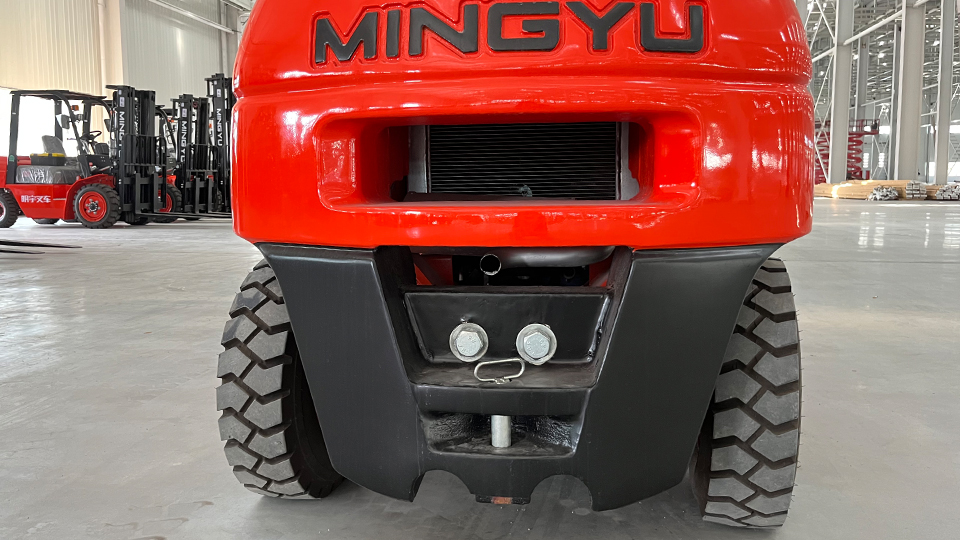
Hydraulic System: Test the lift and tilt functions to ensure they operate smoothly. Check hydraulic hoses for cracks or leaks, and ensure fluid levels are within the recommended range.
Safety Features: Check that all safety features are functional, including seatbelts, horn, backup alarm, lights (headlights, taillights, turn signals), and mirrors. Ensure the operator’s compartment is clean and free of debris.
Battery/Energy Source: For electric forklifts, check battery charge level and water level (if applicable). For gas/diesel/LPG forklifts, check fuel level and ensure there are no fuel leaks.
If any defect is found during the pre-operation inspection, the forklift must be taken out of service immediately, and the issue must be reported to a supervisor or maintenance technician. The forklift cannot be returned to service until the defect is corrected.
3.2 Periodic Inspection (Monthly/Quarterly/Annual)
The periodic inspection is a more comprehensive check performed by a qualified maintenance technician. It focuses on mechanical components, safety systems, and structural integrity that may not be visible to the operator during a pre-operation inspection. The frequency of this inspection depends on regulatory requirements and operating conditions (as discussed earlier), but it typically occurs every 3–12 months. The inspection should take 30–60 minutes and include the following components:
Structural Components: Inspect the frame, mast, forks, and counterweight for cracks, bending, or corrosion. Check fork hooks and latches to ensure they are secure and functional.
Hydraulic System: Inspect hydraulic hoses, fittings, and cylinders for leaks, cracks, or wear. Test hydraulic pressure to ensure it meets manufacturer specifications. Change hydraulic fluid if needed.
Engine/Drivetrain (Gas/Diesel/LPG): Check engine oil level and condition, air filter, fuel filter, and spark plugs (for gas/LPG). Inspect the exhaust system for leaks or damage. Test the transmission and drive axle for smooth operation.
Battery System (Electric): Inspect battery terminals for corrosion, clean if necessary. Check battery cables for damage. Test battery capacity and charging system to ensure it is functioning properly.
Brakes: Inspect brake pads, shoes, and rotors for wear. Adjust brakes if needed. Test brake fluid level and condition (for hydraulic brakes) or air pressure (for air brakes).
Steering System: Inspect steering linkage, tie rods, and ball joints for wear or damage. Adjust steering tension if needed. Check power steering fluid level (if applicable).
Safety Systems: Test all safety interlocks (e.g., seatbelt interlock, operator presence sensor) to ensure they function properly. Inspect the overhead guard for structural integrity. Test the fire extinguisher (if equipped) to ensure it is charged and within its expiration date.
Electrical System: Inspect wiring for damage or fraying. Test all lights, horn, backup alarm, and gauges. Check the alternator (for gas/diesel/LPG) or charger (for electric) for proper operation.
All findings from the periodic inspection must be documented in a logbook, including any defects found and the actions taken to correct them. The logbook should be kept on file for at least 5 years (per most regulatory requirements).
3.3 Special Inspections (As Needed)
In addition to pre-operation and periodic inspections, special inspections may be required in certain situations: • Post-Repair Inspection: After any major repair (e.g., engine replacement, hydraulic system overhaul), a qualified technician must inspect the forklift to ensure the repair was completed correctly and the forklift is safe to operate. • Post-Accident Inspection: As mentioned earlier, any forklift involved in an accident or near-miss must be inspected immediately to identify damage or mechanical issues. • Seasonal Inspection: For forklifts used outdoors, a seasonal inspection (before winter/summer) should be performed to prepare the forklift for extreme weather conditions (e.g., checking antifreeze levels in winter, cooling system in summer). • Transfer Inspection: If a forklift is transferred from one location to another or from one operator to another, a thorough inspection should be performed to ensure it is in safe operating condition.
4. Inspection Documentation and Compliance
Proper documentation of forklift inspections is critical for compliance with regulatory requirements and for maintaining a safe workplace. Most regulatory bodies (e.g., OSHA, HSE) require that all inspections be documented, and failure to keep accurate records can result in fines and legal liability.
4.1 What to Document
For each inspection (pre-operation, periodic, special), the following information should be documented: • Date and time of the inspection. • Name and signature of the person performing the inspection (operator for pre-operation, technician for periodic/special). • Forklift identification (make, model, serial number). • List of components checked and their condition (e.g., “tires: good, no wear; brakes: functional, no leaks”). • Any defects found, including location and severity. • Actions taken to correct defects (e.g., “hydraulic leak repaired, fluid refilled”). • Date the forklift was returned to service (if taken out of service).
4.2 How to Document Inspections
Inspections can be documented using paper logbooks or digital systems (e.g., spreadsheet, specialized software). Digital systems are preferred for larger fleets, as they allow for easy tracking, reporting, and retrieval of inspection records. Key considerations for documentation systems: • Ensure records are easily accessible to regulators during inspections. • Keep records for the required timeframe (typically 5 years). • Regularly review records to identify trends (e.g., frequent hydraulic leaks in a specific forklift) and address underlying issues.
4.3 Compliance Pitfalls to Avoid
Failure to comply with inspection requirements can result in fines, legal liability, and increased accident risk. Below are common compliance pitfalls to avoid
Name: selena
Mobile:+86-13176910558
Tel:+86-0535-2090977
Whatsapp:8613181602336
Email:vip@mingyuforklift.com
Add:Xiaqiu Town, Laizhou, Yantai City, Shandong Province, China
