
vip@mingyuforklift.com
+86-0535-2090977

Published: October 23, 2026
HTML Meta Description: Diesel forklift planning for inland drayage resilience, port capacity shifts, verified heavy cargo, route discipline and reliable outdoor handling.
Keywords: diesel forklift, port capacity shift, inland drayage, heavy cargo handling, intermodal yard, outdoor forklift, route resilience, ZGFORKLIFT, MYZG, freight capacity 2026
Current freight reporting points to elevated cargo at some gateways as canal conditions and route economics shift. Inland drayage yards absorb the operational consequences: machinery skids, wind-service parts, metal products and project cargo must move through crowded aprons with limited dwell time. Diesel forklifts can provide reliable outdoor capacity when every load and route is verified.
Start with a documented task and route survey. Record the narrowest aisle and turn, doorway and gate width, overhead clearance, maximum gradient, dock edges and the worst surface condition. Measure real loads at their actual load centers, including long, offset or irregular items. Nameplate capacity is only a starting point; residual capacity at the required height and with the selected attachment determines practical application fit.
A higher-volume yard cannot rely on assumptions from yesterday. Confirm cargo identity, weight, center of gravity, fork pockets, chassis position and release status before movement, and keep overflow lanes visible to every traffic controller.
Review the CPC190-X diesel forklift as the first product reference, then confirm current specifications with the manufacturer.
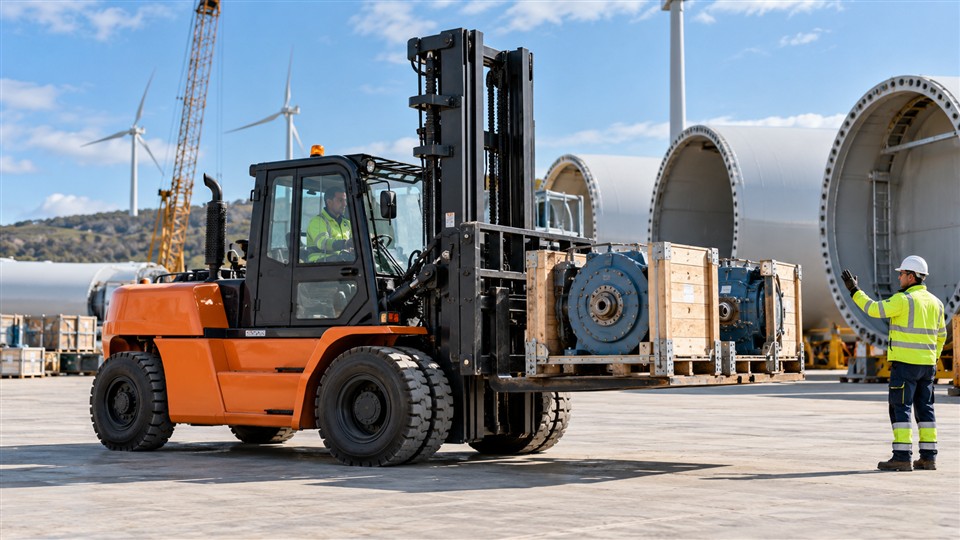
Calculate residual capacity at the actual load center, include attachment weight and verify fork length, spacing, apron strength, turning radius, mast clearance, cooling demand and ground bearing capacity.
Visibility and control deserve the same attention as capacity. Review the mast, carriage, tyres or wheels, lighting, mirrors or cameras, restraint, warning devices and speed management as one system. Dust, cold, heat, moisture and corrosion may require extra protection and shorter inspection intervals. Operators must see the travel path and place the load without leaving the protected operating position.
Compare the CPCD30K 3-ton diesel forklift for a second view of capacity, manoeuvrability, energy and service access.
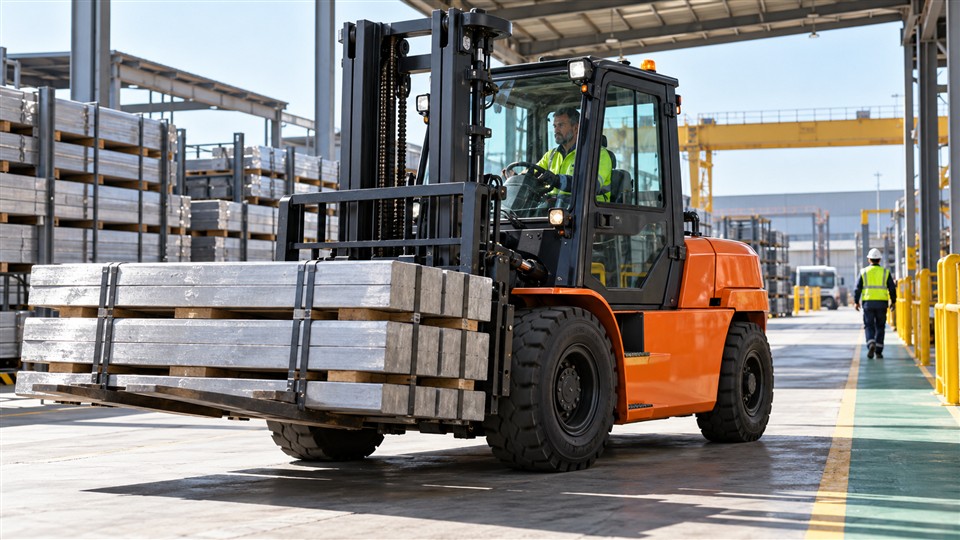
Use a qualified signaler, exclusion zone and agreed communication method. Coordinate with rail ramps and trucks, chock vehicles and stop if packaging, balance or route condition differs from the plan.
Create a written operating envelope for every approved route: maximum load and lift height, travel direction, pedestrian exclusion points, slope rules and stop-work conditions. Complete a pre-shift inspection of tyres or wheels, forks, chains, hoses, brakes, steering, alarms and the energy or fuel system. Isolate defects affecting stability, braking or visibility until corrected.
Supervisors should observe real work, record near misses, harsh braking, overload attempts, impacts and recurring service issues, then improve layout, traffic separation and coaching. Build the business case around productive hours rather than purchase price alone. Include operator time, maintenance, energy or fuel, infrastructure, transport, downtime risk and resale value.
The CPCD50K 5-ton diesel forklift is the third internal product reference for application comparison.
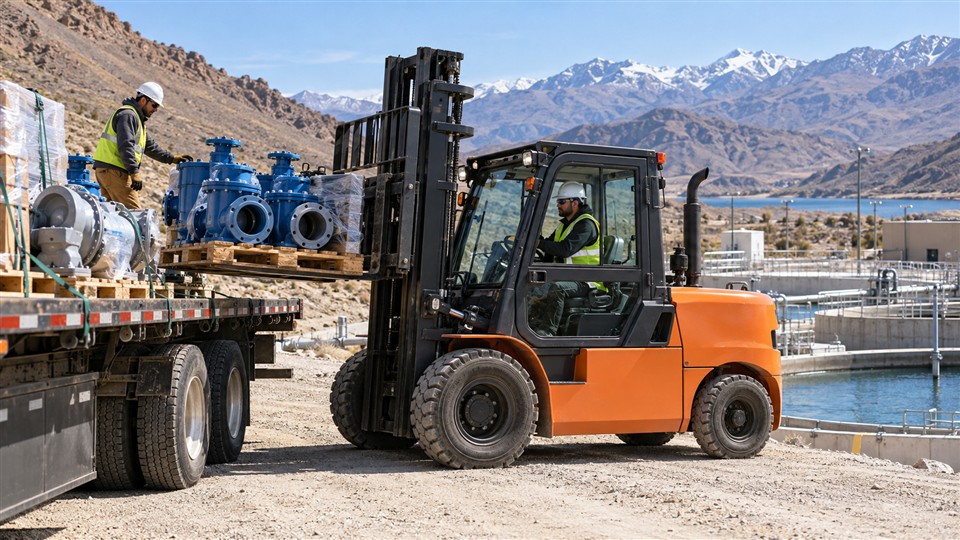
Include staging, rehandles, fuel, tyres, maintenance, waiting and demurrage exposure. The best configuration protects schedule reliability while keeping recovery options available.
A staged trial is the strongest way to validate a configuration. Select a representative route, define success measures, brief operators and compare throughput, energy use, handling accuracy and maintenance observations. Review results with operations, safety and finance before fleet-wide deployment. This evidence turns a current industry headline into a defensible material-handling plan.
ZGFORKLIFT and MYZG can tailor the final specification after reviewing the application. Product availability varies by market; confirm the latest technical data and comply with local regulations before purchase or operation.
Contact Shandong Zhuogong Machinery equipment Co.,Ltd. Email: vip@mingyuforklift.com. Tel: +86-0535-2090977. WhatsApp: +86 131 8160 2336. Address: Xiaqiu Town, Laizhou, Yantai City, Shandong Province, China.
Send the maximum load, load-center distance, aisle width, gradient, surface condition, daily duty hours and climate so MYZG engineers can recommend a practical configuration instead of a generic catalogue answer.
Name: selena
Mobile:+86-13176910558
Tel:+86-0535-2090977
Whatsapp:8613181602336
Email:vip@mingyuforklift.com
Add:Xiaqiu Town, Laizhou, Yantai City, Shandong Province, China