vip@mingyuforklift.com
+86-0535-2090977

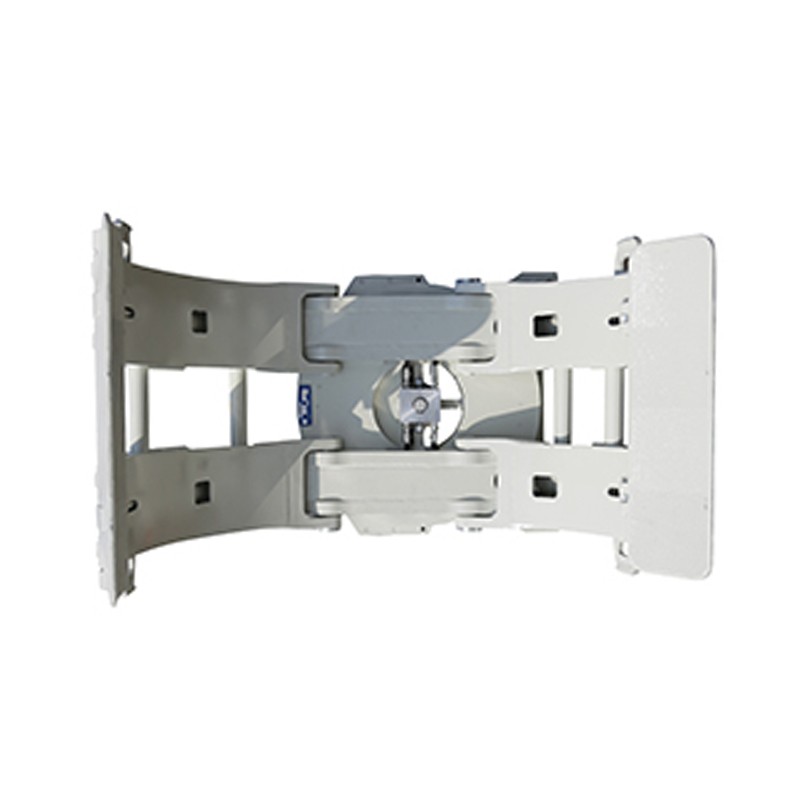
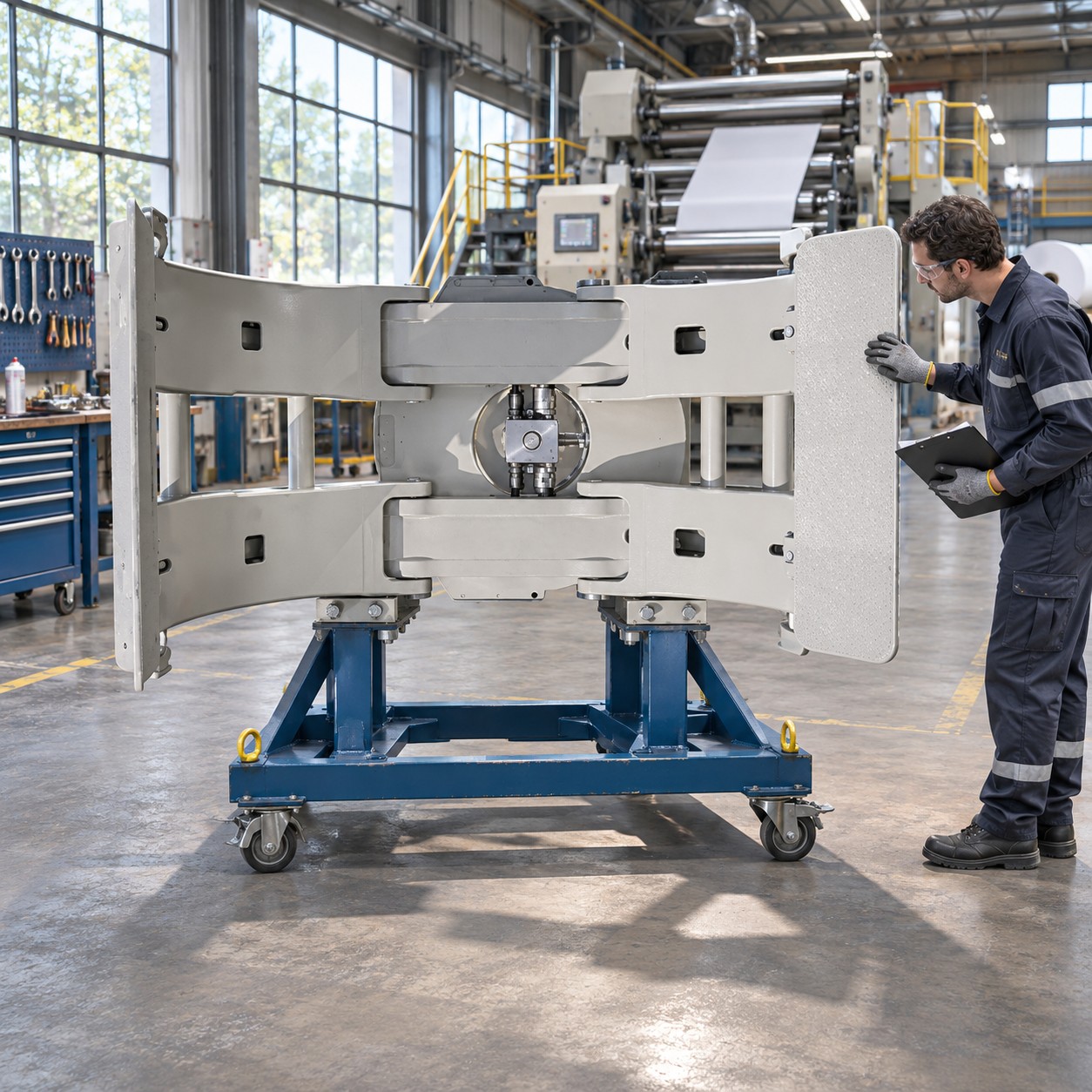
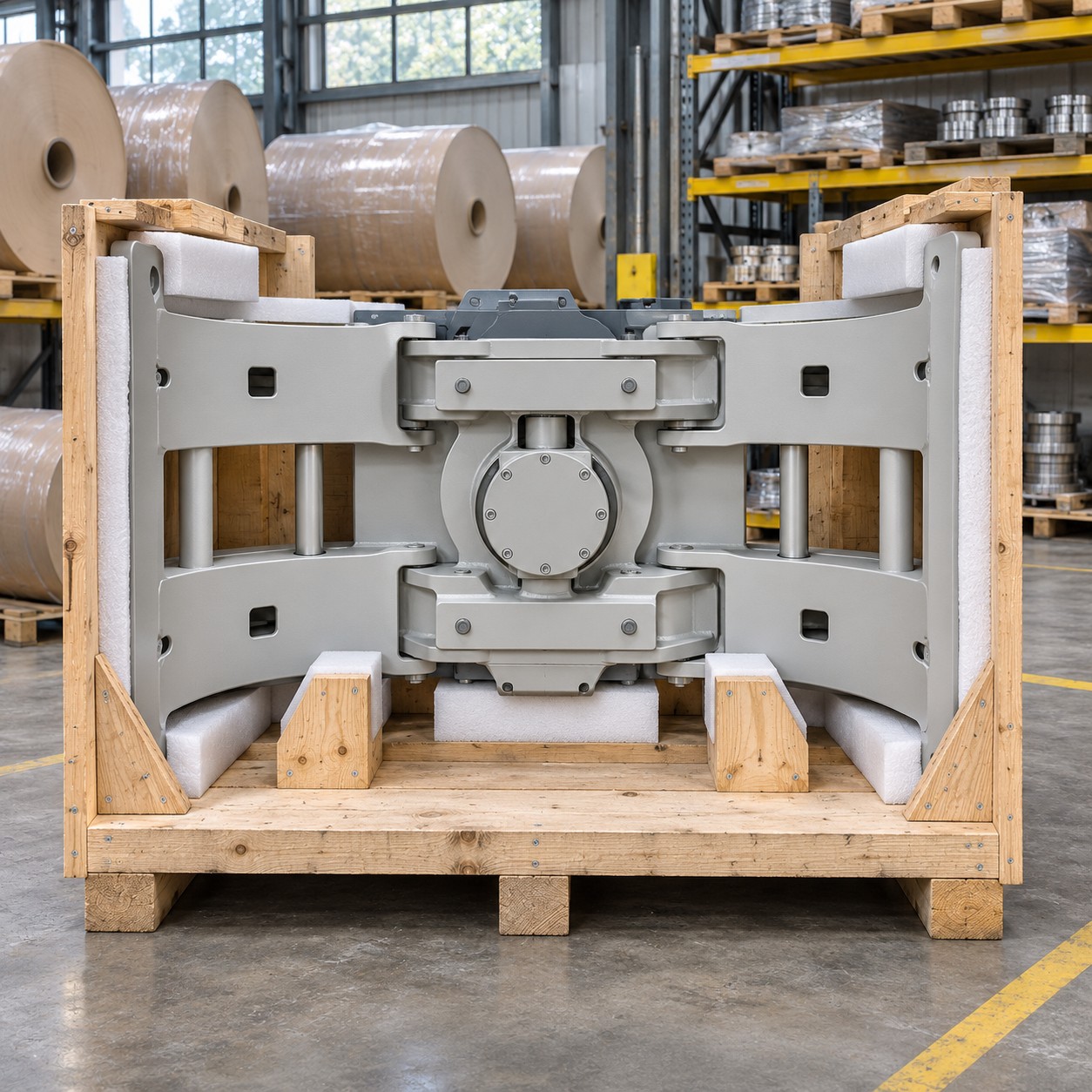
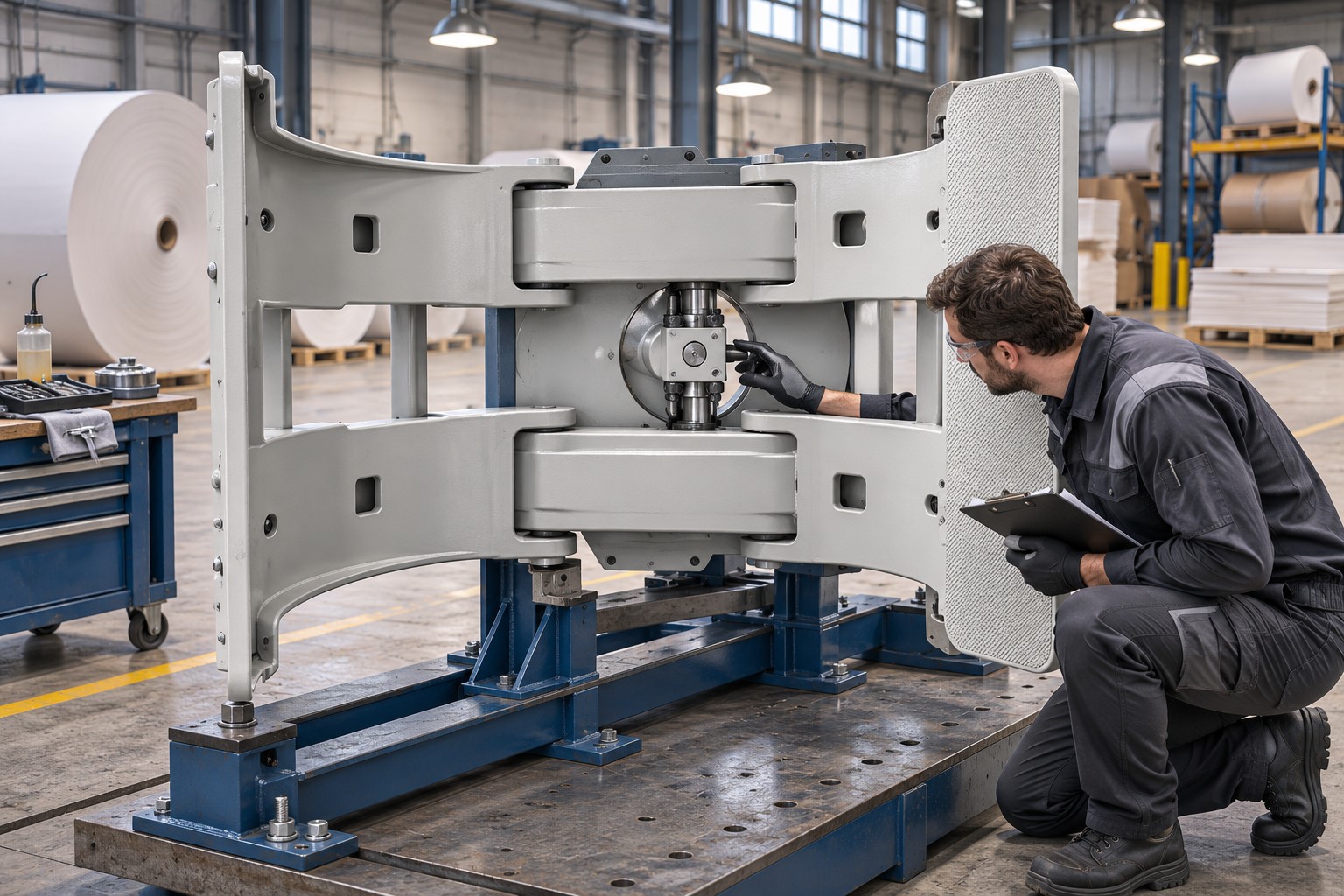
The ZGFORKLIFT / MYZG roll-clamp attachment pictured on the company's existing product page has opposing light-gray arms and a central mechanism. It is a product to assess where an approved cylindrical load needs controlled gripping rather than ordinary pallet support. The source page does not establish a verified clamp range, rated load, attachment mass, rotation function or hydraulic requirement. Those details must be confirmed for the exact unit quoted. A paper-converting warehouse should first document roll dimensions, wrapping, weight and handling route, then check the attachment and host forklift as one system.
Paper, film and other wound materials can vary in diameter, width, core condition and surface sensitivity. The warehouse may receive a roll in one orientation and need to stage it for production or dispatch in another. A clamp can be considered when a suitable roll cannot be handled by conventional forks without additional support, but clamping force must not damage the product or allow it to slip. The buyer should document the heaviest and lightest rolls, diameter range, width, packaging, core strength, allowed contact pressure and storage orientation. The original roll-clamp listing identifies the pictured product; a technical drawing must define the offered configuration.
Map the route from receiving to conversion line or shipping bay. Measure aisle width, door and rack clearances, dock transitions, turning space and floor condition. Identify where rolls may be set down and how operators will verify stability before release. Establish a pedestrian exclusion zone around any suspended roll. If the handling task requires rotation or a specific opening range, ask whether the proposed version has that function; do not infer it from a photograph. A clamp application should be tested with representative rolls and an approved method before routine operation.
Provide the supplier with the host forklift model and serial number, carriage class, mast, hydraulic circuit, relevant controls and intended roll specification. Request a drawing that states contact-pad geometry, opening range, capacity, attachment mass, mounting interface, hydraulic requirements and all supported movements. Ask for operating, inspection and installation instructions. A qualified installer should confirm compatibility and issue revised residual-capacity information for the host truck and attachment combination. The attachment category is useful for comparing product types, but it cannot establish safe fitment by itself.
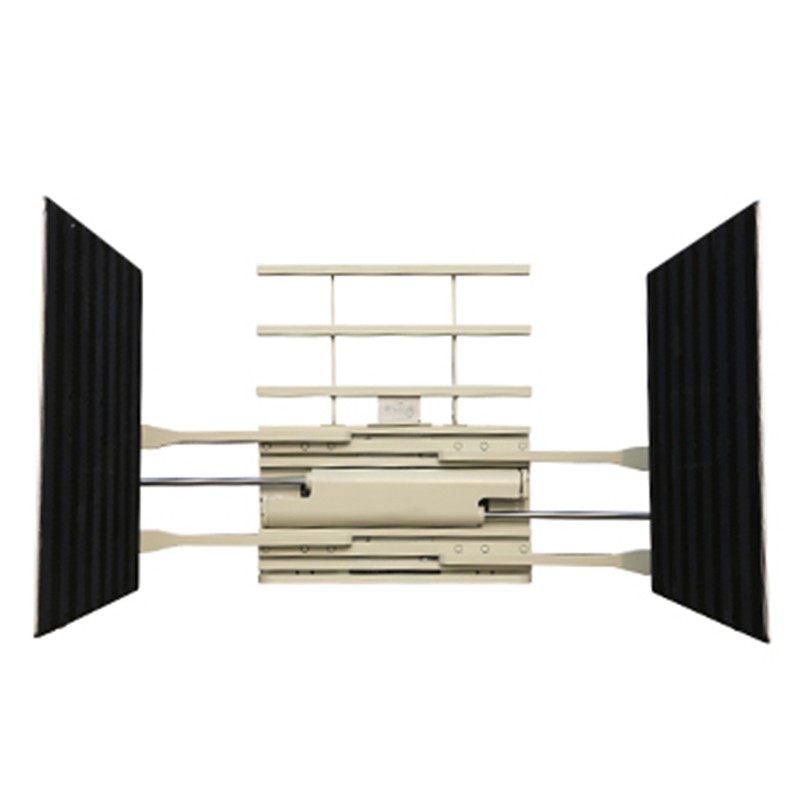
Compare the roll clamp with the actual work. A carton clamp is designed around a different load form; its contact faces and force requirements may differ. A flat clamp is another distinct accessory and should not be substituted merely because both use opposing arms. Ask whether the quotation includes hoses, controls, fitting labor, commissioning, manuals, spare contact surfaces and packing. Calculate ownership cost from those items and the site's expected duty cycle rather than choosing from the attachment price alone.
Potential assessed applications include paper-roll storage, packaging-film distribution and a converting plant's material-supply route. These are possible use cases, not documented customer installations. Before each pickup, inspect roll wrapping and shape, confirm the roll is within the offered attachment's limits, and approach squarely. Clamp and move only as directed by the supplied manual and site procedure. Travel with the load in a safe low position and keep people out of the path. If a roll slips, deforms or blocks visibility, stop and reassess. Do not lift a damaged or poorly wrapped roll simply by increasing clamping force.
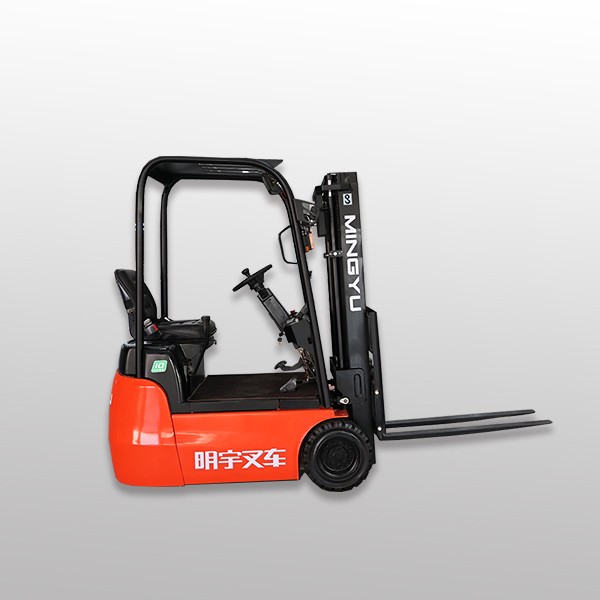
At a dock, decide whether the roll is received on a pallet, in a cradle or directly from transport. At storage, verify that the rack or floor support is suitable for the roll and its orientation. At production, define a handoff point that leaves clear space for the attachment to open and withdraw without striking the machine or material. Where a fleet also moves pallets and cartons, document which attachment is fitted to which truck. The complete equipment range helps with fleet planning, while the final handling method should be approved for the exact host and attachment.
Before use, inspect arm faces, pivot or carriage areas, mountings, hydraulic hoses and visible fasteners according to the delivered instructions. Look for distortion, leaks, damaged pads or uneven movement. Clean paper dust and film debris from moving parts at the specified interval. Remove the clamp from service when grip or mounting security is uncertain. Qualified technicians should perform hydraulic work under proper isolation and pressure-relief procedures. Keep inspection and repair records tied to the attachment and host-truck serial numbers so replacement parts and capacity documents remain traceable.
Ask for a serial-number-specific parts list, inspection schedule and warranty process before purchase. Wear surfaces, seals and hoses may affect uptime, but exact parts depend on the version supplied. Dealers should arrange technician training and a clear support channel, then teach operators the difference between normal contact and signs of a damaged roll or attachment. Service promises belong in the written quotation. The site's service FAQ can help prepare questions, while the supplier should answer the application-specific points in writing.
An export inquiry should specify the destination, packing method, attachment weight, installation instructions, manuals and required conformity documents. CE or other certificates should be verified for the actual attachment and installed combination rather than assumed from a catalog photo. EPA engine-emissions approval is not a claim for this hydraulic accessory alone; any applicable powered-truck requirement must be checked separately. Customer cases and export history should be presented only with supporting evidence. Shandong Zhuogong Machinery Equipment Co., Ltd. can discuss supply and service scope; the company page provides general background.
A distributor should qualify a prospect using roll samples or drawings, weight range, surface constraints, host-truck data and operating schedule. Have a technician assess contact geometry and residual capacity before offering a configuration. Plan spare pads or wear items only after the exact model is confirmed. Train the customer on safe gripping, travel, release and daily checks. Avoid unverified performance claims: a successful sale means the attachment matches a documented handling process and the operator has the information needed to use it safely.
Send roll diameters, widths, weights, wrapping details, required orientation, host forklift model and serial number, and destination country. ZGFORKLIFT / MYZG can then discuss whether the pictured roll clamp is a suitable option and what test or document is needed before ordering. Contact Shandong Zhuogong Machinery Equipment Co., Ltd. through the contact page, email vip@mingyuforklift.com, or call +86-0535-2090977. Confirm the final drawing, capacity chart and service terms in writing.
Name: selena
Mobile:+86-13176910558
Tel:+86-0535-2090977
Whatsapp:8613181602336
Email:vip@mingyuforklift.com
Add:Xiaqiu Town, Laizhou, Yantai City, Shandong Province, China