vip@mingyuforklift.com
+86-0535-2090977

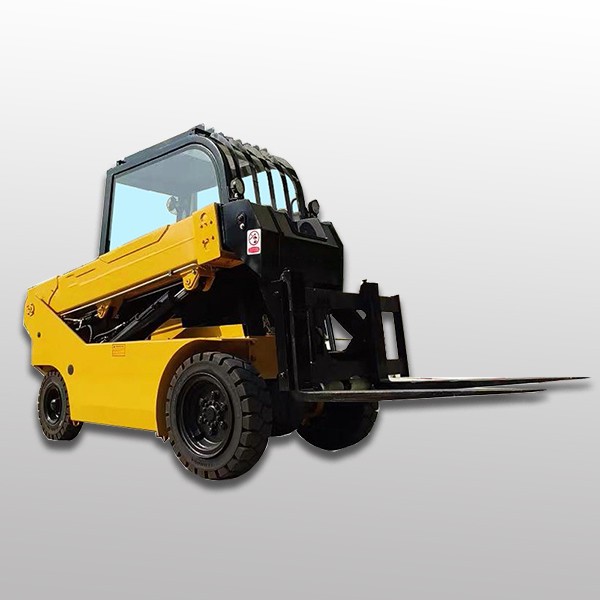
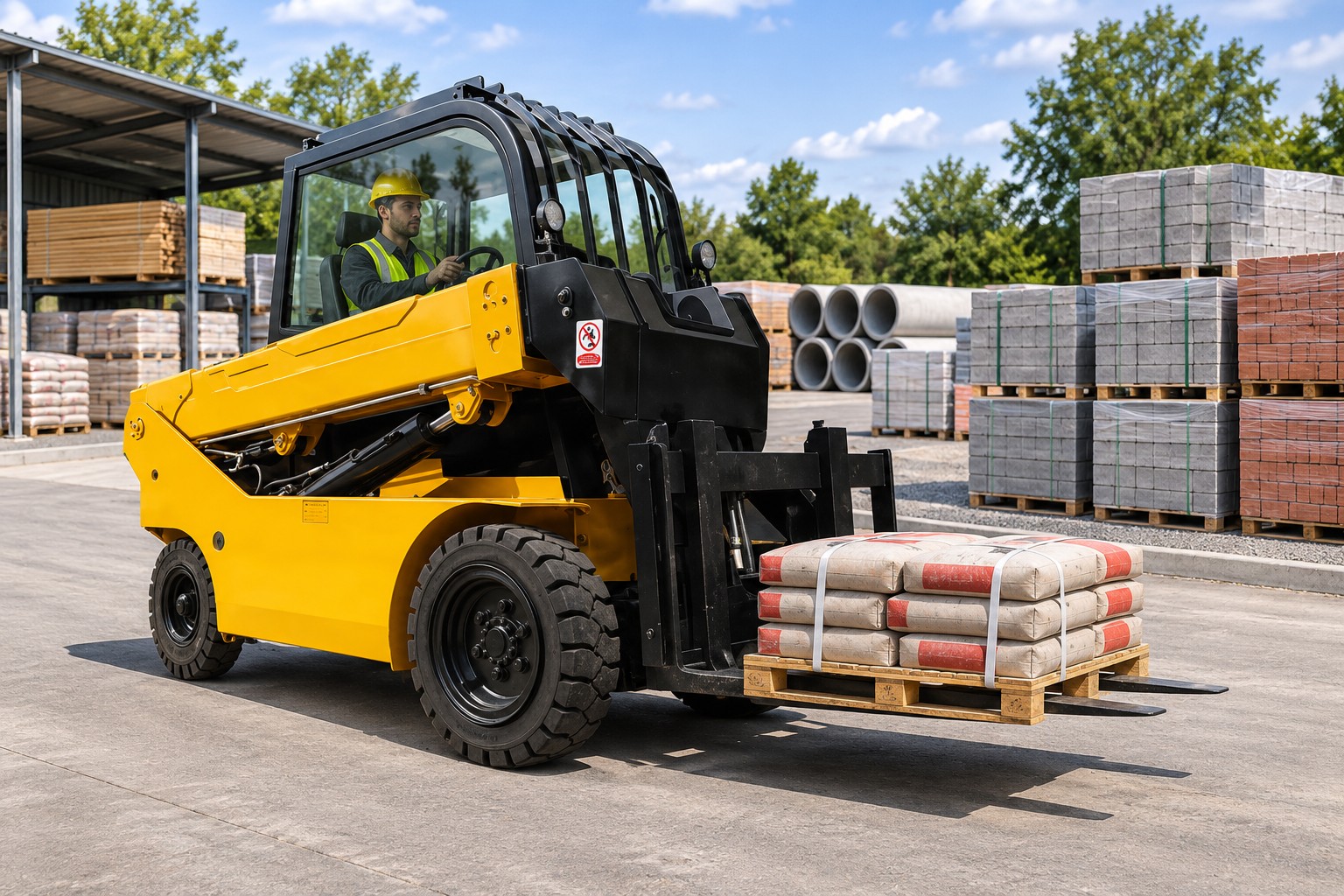
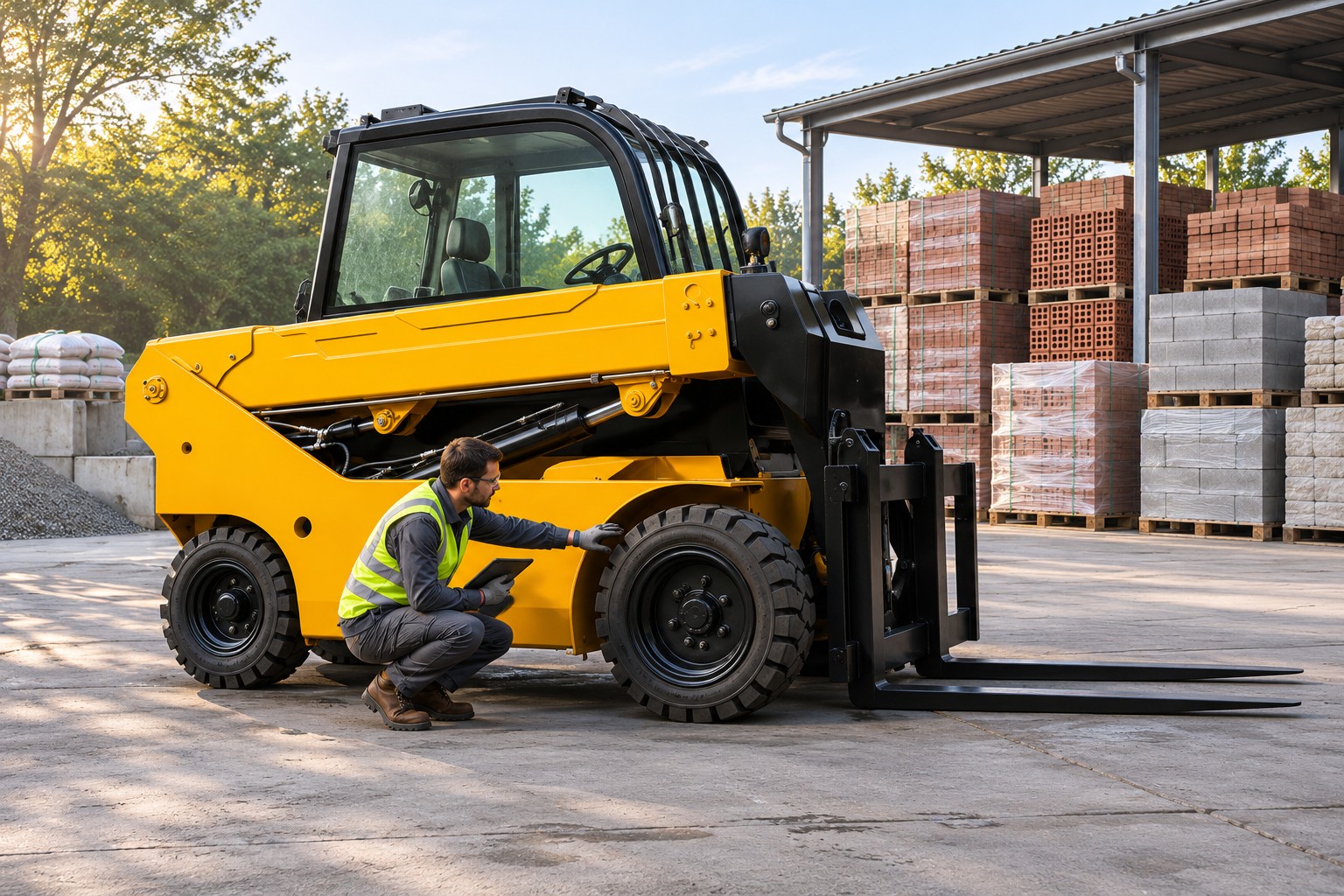
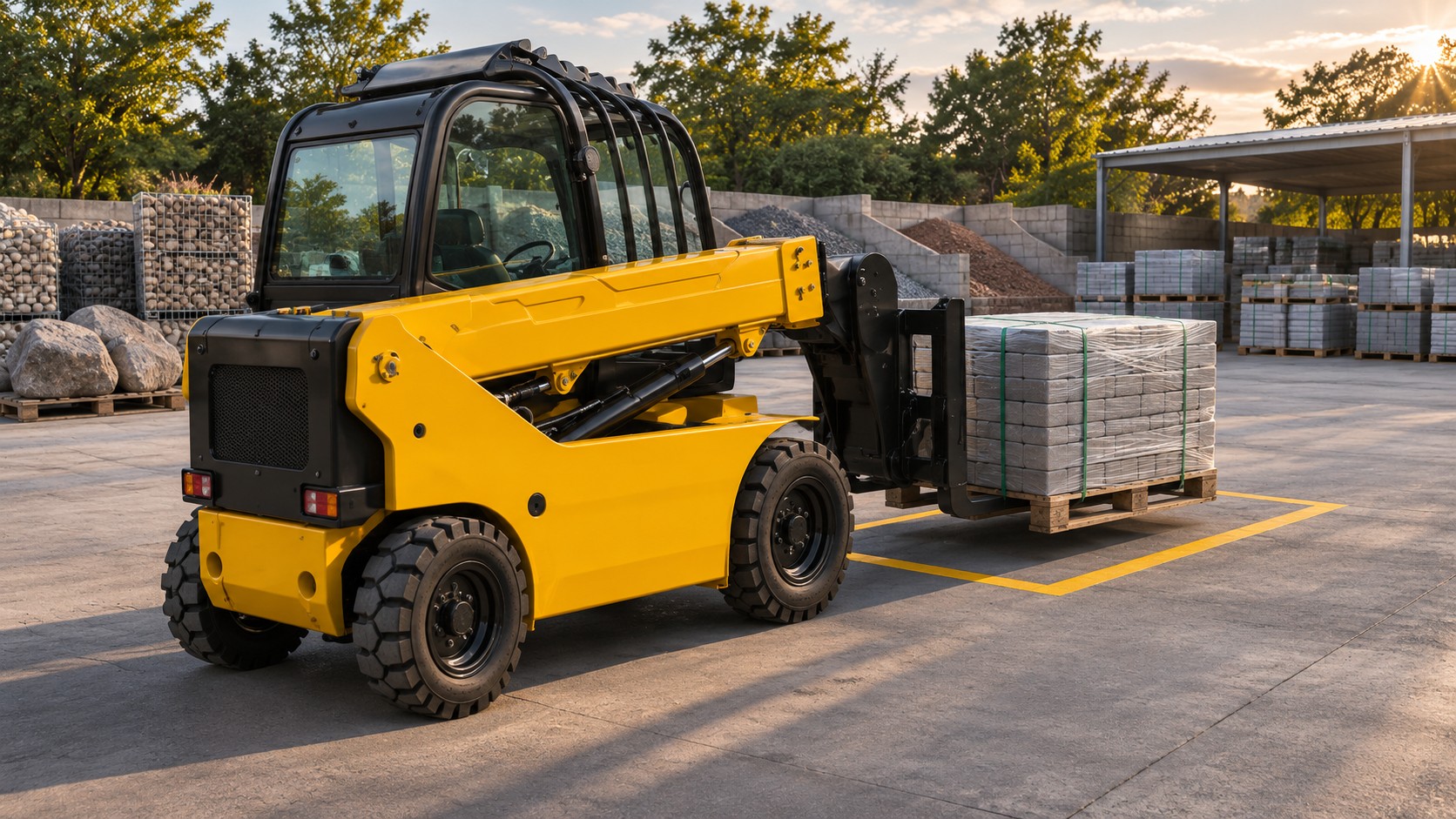
The ZGFORKLIFT / MYZG ZL-30 telescopic handler is a yellow, compact boom-equipped material-handling vehicle shown on the company's existing product page. That page lists a 3,000 kg rated-load reference, a 60 kW power reference and overall dimensions of 5020 × 2250 × 2340 mm. These are catalog references, not a substitute for the delivered configuration's load chart and identification plate. A buyer considering a building-materials distribution yard should start with load weight, reach, ground conditions and site routes. The boom and forks offer a different handling pattern from a standard mast forklift, so the selection must be based on the actual lift-and-reach task.
A building-supply depot may receive bagged mortar, wrapped paving blocks, timber packs and palletized components on trucks that stop at different unloading points. Operators then need to transfer material to an outdoor staging bay, covered storage or customer pickup area. When an obstruction or setback makes direct fork access difficult, a telescopic boom can be worth evaluating. Yet reach changes stability and lifting capacity. The machine must remain within the load chart for the exact boom extension, lift angle, attachment and ground condition. No operator should infer permissible reach from the nominal 3-ton class alone.
Site managers should map the incoming vehicles, routes, pedestrian crossings and storage bays before choosing equipment. Measure the largest load, pallet dimensions, lift height, forward placement distance and available turning room. Verify surface bearing strength, slope, drainage and any soft patches after rain. Establish a firm, level operating zone for unloading and prohibit people from entering the load path. If the task requires handling over a wall, ditch or stack, request a specific engineered method and the relevant capacity chart rather than relying on a general illustration. The original ZL-30 product listing provides a model reference to reconcile with the offered quotation.
A procurement brief should state the goods, heaviest verified pallet, center of gravity, fork engagement, maximum lift height, required forward reach and whether an attachment is needed. Ask the supplier for the current ZL-30 data sheet, machine photographs, serial-numbered capacity chart and operating manual. Confirm the boom geometry, fork carriage, fork length, tires, cab arrangement, engine specification, service access and dimensions against the site plan. The original page identifies a diesel category and a power reference, but the offered engine and destination compliance documents require explicit confirmation. For nearby conventional alternatives, browse the diesel forklift category and compare the actual material path.
The reach task matters more than a broad equipment label. A standard counterbalance truck may suit repeated pallet moves on level paved lanes, while a telescopic handler can be considered where an approved reach envelope is necessary. Compare machine width with gates, canopy height with covered bays, turning circle with yard circulation and tire specification with the prepared surface. If an attachment is offered, verify its mounting, mass and revised load chart. Make the quotation state what is included, what is optional and what is excluded, including forks, spare parts, manuals and transport preparation. Buyers can also review the complete product range before deciding which family fits the site.
Potential applications include masonry-supply yards, landscaping-material depots, irrigation-equipment distributors and construction-supply staging areas. These are possible uses to assess; they do not represent claimed customer installations. For each task, create a route from truck unloading to storage and dispatch, with marked exclusion zones and speed rules. Place loads low during travel and operate the boom only as directed by the delivered manual. Review ground support and overhead hazards before lifting. Keep people clear of the machine, load and any raised forks. A site-specific risk assessment is necessary for loading platforms, slopes, trailers and narrow gates.
Where a depot handles lighter pallets on simpler routes, the 936 rough-terrain forklift is a separate reference for comparison. The correct choice depends on the required reach and the documented capacity at that reach, the prepared working surface and service arrangements. Do not assume two machines with similar nominal classes perform the same lift. For high-value or fragile materials, plan packaging, fork spacing, load restraint and a clear staging surface. Ask the supplier to demonstrate or document the exact operation before committing to an accessory.
Pre-use checks should follow the supplied manual and include tires, forks, carriage, boom structure, hydraulic hoses, brakes, steering, lights, horn and any visible leak or damaged guard. If a fault affects safe operation, isolate the machine and arrange qualified service. Maintain the boom and hydraulic system at the intervals specified for the delivered configuration and duty cycle. Record inspections, fluid changes, filter replacements and repairs. Keep the working surface clean so debris does not hide damage or create tire hazards. Refueling and engine service must follow the site rules and the offered engine documentation.
A purchasing team should calculate support cost alongside purchase price: planned operating hours, fuel use under its own duty cycle, consumables, tires, attachment upkeep, technician travel, spare-parts lead time and downtime cover. Ask for a recommended spares list tied to the serial number. The company's parts information can guide the initial conversation, but the buyer should obtain a written list for the specific build. Clarify the warranty process, technical contact, manuals and commissioning responsibility. A dealer should prepare operator handover and service training rather than delivering a machine with only a sales brochure.
For an export order, request the exact engine specification, packing method, shipping dimensions, inspection record, manual language and spare-parts documents before shipment. CE or other market documentation should be checked for the offered serial-numbered configuration and destination. EPA requirements, where applicable, depend on the engine and importing market; do not claim an EPA approval without the corresponding evidence. Shandong Zhuogong Machinery Equipment Co., Ltd. can discuss export paperwork and service arrangements, but completed shipments or customer cases should only be presented when documented for the buyer. The site's service questions are useful prompts for preparing a detailed inquiry.
A distributor assessing the ZL-30 should define the target customer and field-demo conditions. Collect route, load, ground and reach measurements before offering a price. Keep a sample capacity chart and configuration checklist available to sales staff, then train technicians on the delivered machine. Plan an initial stock of genuine consumables and a way to escalate boom or hydraulic issues. Present any case study with a verifiable site and permission, and avoid suggesting that a proposed application is already a proven deployment. Review the company background and discuss support scope in writing.
To evaluate the ZL-30 telescopic handler, send the load weight and dimensions, required lift height and forward reach, yard surface details, route and gate dimensions, attachment needs, operating hours and destination country. Ask for the delivered load chart and the documents required by your market. ZGFORKLIFT / MYZG can discuss a configuration matched to those inputs. Contact Shandong Zhuogong Machinery Equipment Co., Ltd. at the contact page, email vip@mingyuforklift.com, or call +86-0535-2090977. Verify all offered specifications and terms before placing an order.
Name: selena
Mobile:+86-13176910558
Tel:+86-0535-2090977
Whatsapp:8613181602336
Email:vip@mingyuforklift.com
Add:Xiaqiu Town, Laizhou, Yantai City, Shandong Province, China