vip@mingyuforklift.com
+86-0535-2090977

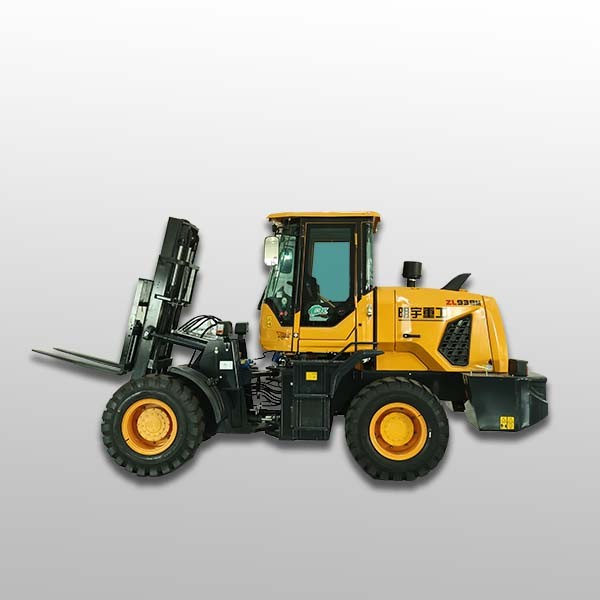
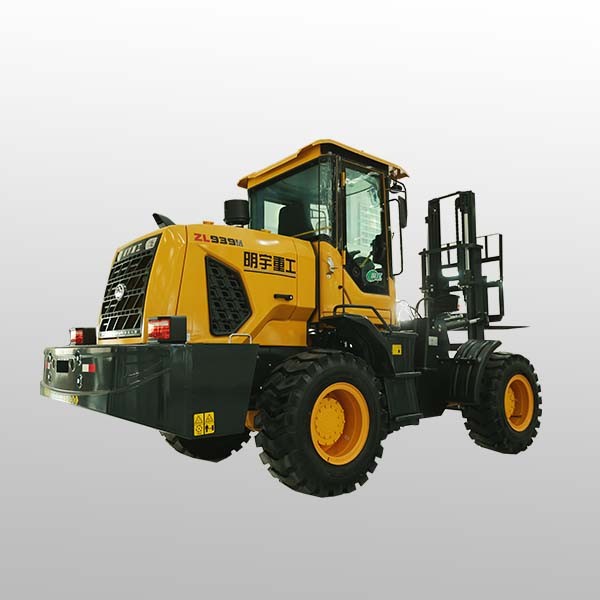
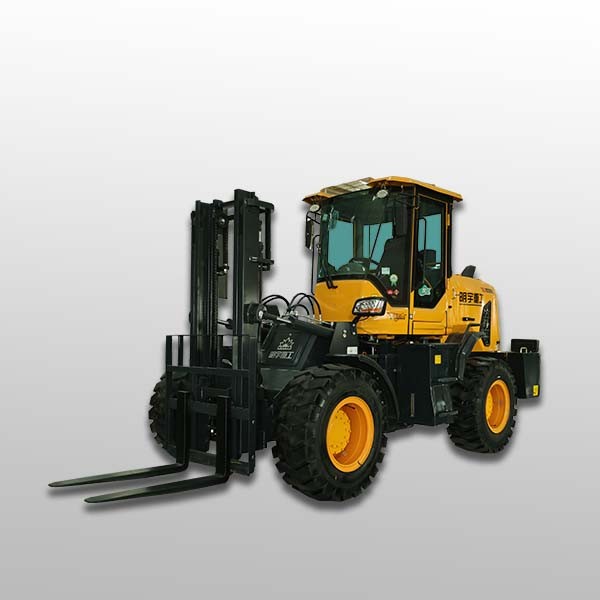
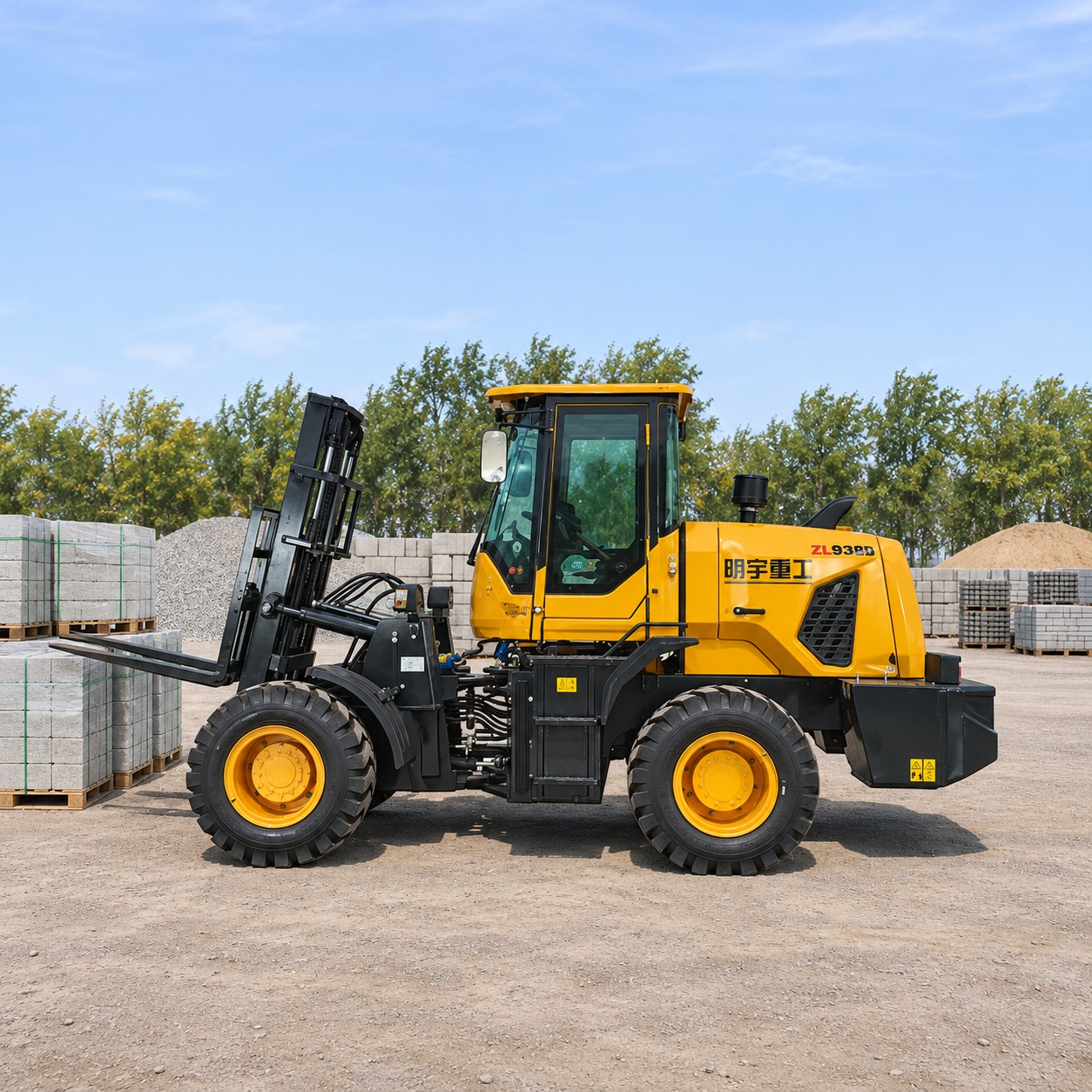
The ZL938D off-road forklift in the ZGFORKLIFT / MYZG range is a yellow, enclosed-cab material handler with large treaded wheels and a front mast. It is intended for buyers moving verified loads through construction supply yards and other prepared outdoor routes. A floodplain or drainage project can make this kind of equipment attractive because materials often move between a firm delivery point and a temporary laydown area. The responsible question is whether the machine, load and route are compatible on the actual day of work. A rough-terrain label cannot turn soft ground, a washed-out edge or an unassessed slope into a safe traffic lane.
Civil contractors often receive concrete units, boxed fittings, pipe supports and bundled site supplies in batches. Deliveries arrive on a road vehicle, while the installation crew needs materials closer to the work front. Repeated rehandling raises damage risk and consumes operator time. A site plan can assign a ZL938D to a defined route between unloading and a firm set-down area. That plan needs a ground-bearing check, width and turning measurements, traffic separation, drainage, an inspection of overhead services, and an agreed stop-work trigger for rain or ground movement. Keep the load low while traveling, use a spotter where sight lines are poor, and never let the route approach an unsupported excavation edge.
The established ZL938D source page identifies a nominal 4,800 kg capacity and shows the yellow and black vehicle used in this page's original product photos. These values and images identify the family; they are not a guarantee of residual capacity at every lift height, load center or attachment position. Request a data plate and capacity chart for the actual ordered truck. Avoid adopting the source page's broad performance statements without an order-specific test or document. A site trial with a representative pallet and qualified personnel gives stronger evidence about route fit than a single brochure number.
The purchasing worksheet should record maximum and usual load weight, dimensions, center of gravity, lifting points, pallet construction and required fork length. Add lift height, the lowest clearance, route width, tightest turn, grade, cross-slope, ground type and daily duty hours. Ask about the machine's actual drive system, tire specification, engine, transmission, mast and any approved attachment. Fork extensions or a clamp change the load moment and must be included in the residual-capacity review. The buyer should also check transport dimensions and how the machine will reach a remote project. Compare with other rough-terrain truck options if site access, load class or maneuvering needs point to a different chassis.
A quotation should state the exact ZL938D configuration, serial-numbered identification, engine and emissions information, tire arrangement, mast and fork package, supplied manuals, service intervals, recommended spares, shipping plan and warranty terms. Ask the supplier to explain which features are standard and which are optional. Total cost includes fuel, scheduled service, tires, operator training, transport, downtime and the time required to keep the route graded and drained. The All Products index can help compare a rough-terrain machine with a conventional diesel forklift or another handling method. A higher nominal capacity is not automatically better if the vehicle is too large for the access gate or if the ground cannot support it.
At a flood-control project, palletized barriers and hardware may be unloaded onto a compacted pad, then transferred in short controlled trips to a work zone. At a rural utilities depot, cable reels on approved carriers and boxed components may require separate handling methods because their centers of gravity differ. At a building-material yard, stacked blocks need sound pallets and a set-down area that does not conflict with trucks or pedestrians. For each case, the operator should inspect the surface before movement and after heavy rain or repeated traffic. A route that worked yesterday may no longer be suitable today. The broader product categories offer alternatives for indoor or paved work, while the equipment FAQ can frame practical questions for the supplier.
Only trained and authorized personnel should operate the forklift. A daily check should cover forks and locks, mast chains and hoses, tire cuts and pressure where applicable, steering, brakes, lights, horn, warning devices, fluid leaks, restraint and visibility. Loads should be secured, carried at the safe height prescribed by the supplied manual and lowered before parking. Do not cross a dock board or bridge until its rating and condition have been verified for the combined machine and load. Stop when pedestrians enter the exclusion zone, ground starts to rut, a wheel loses support, the load becomes unstable or visibility is insufficient. These controls are specific to the real site and cannot be replaced by a generic marketing claim about off-road capability.
Outdoor dust, mud and vibration make preventive maintenance especially important. Follow the supplied engine and truck manuals for filters, cooling, lubrication, brakes, steering, mast, hydraulic hoses and tire checks. Clean dirt from areas needed for inspection, and repair leaks before they contaminate the ground or create a slipping hazard. Record operating hours and defects by serial number. For a remote job, arrange a sensible spare-parts kit before shipment rather than waiting for the first stoppage. Service work affecting lifting, stability or braking should be performed by qualified technicians. The parts and dealer resource is a starting point for identifying support, with actual availability and lead times confirmed in the sales agreement.
Dealers and rental fleets can offer a more credible ZL938D proposal when they document a customer's load spectrum, route photos, daily hours and local maintenance capability. A handover should include the correct manual, operator familiarization, initial inspection, spare-parts contacts and a clear warranty process. A short site demonstration should measure damage-free deliveries and practical turnaround under controlled conditions. Any cooperation case or customer reference should be named only with verified evidence and permission; this page does not invent an installation, productivity result or export volume.
Shandong Zhuogong Machinery Equipment Co., Ltd. can review ZGFORKLIFT / MYZG export packing, manuals, parts and after-sales communication for the specified machine. State the destination country and intended duty before finalizing the order. CE conformity documents, if required, must apply to the final completed vehicle and its market. EPA or other engine-emissions obligations depend on the exact engine and destination; ask for matching engine and machine documents instead of accepting a generic website statement. The importer should verify local registration, operator, environmental and workplace requirements. Evidence of export experience or service capability should be checked through the agreed documents and permitted references, not inferred from a photo.
Send the supplier maximum load weight, dimensions and center of gravity; required lift height; site and route images; slope and ground-bearing information; seasonal weather; attachment needs; working hours; delivery location; and destination-market document expectations. The company background introduces the supplier, and the contact page can receive a detailed enquiry. Email vip@mingyuforklift.com, call +86-0535-2090977, or use WhatsApp +86 131 8160 2336. Shandong Zhuogong Machinery Equipment Co., Ltd. can then discuss the ZL938D configuration and documentation. Final specifications and operating limits are those on the supplied vehicle, manual and signed technical agreement.
Name: selena
Mobile:+86-13176910558
Tel:+86-0535-2090977
Whatsapp:8613181602336
Email:vip@mingyuforklift.com
Add:Xiaqiu Town, Laizhou, Yantai City, Shandong Province, China