
vip@mingyuforklift.com
+86-0535-2090977

1. Introduction
The used forklift market: why price alone is a dangerous metric
The gap between "looks good" and "works reliably"
Purpose: a parameter-driven evaluation framework to quantify value before purchase
How this article differs from general buying guides: numeric thresholds, red-line criteria, and scoring methodology
2. Operating Hours vs. Calendar Age: The Baseline Metric
Why operating hours matter more than model year
Industry benchmarks: 1,000–2,000 hours/year as standard utilization
The depreciation curve: value drops sharply after 10,000 hours for IC trucks, 8,000 for electrics
Red flag thresholds: units exceeding 15,000 hours without major overhaul documentation
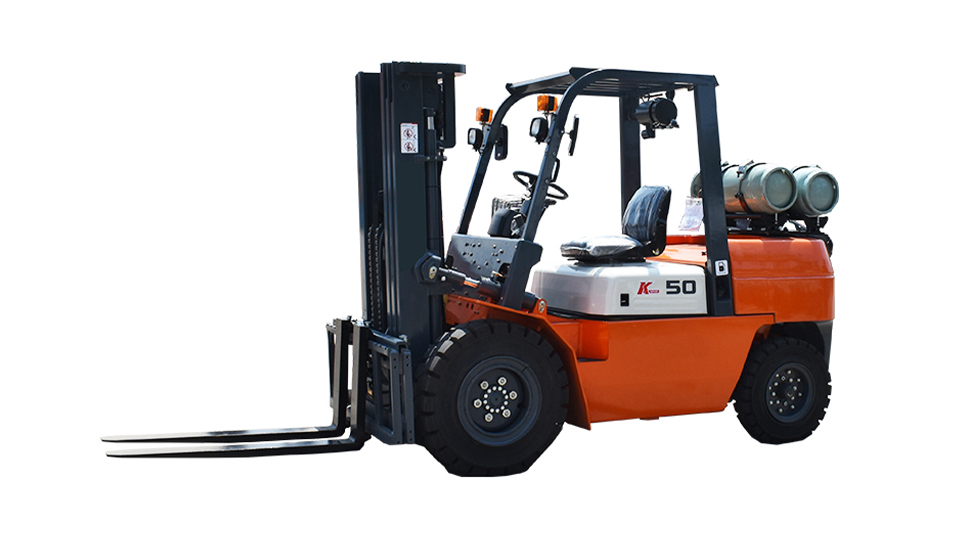
How idle time and storage conditions affect aging beyond the odometer
3. Powertrain Condition: Engine, Motor, and Transmission
Internal combustion engines: compression tests, exhaust emissions, and oil analysis
Electric forklifts: battery cycle count, cell voltage variance, and charger compatibility
Transmission types: hydrostatic vs. powershift wear patterns
Cold-start behavior, idle stability, and load-response testing
Cost impact: engine rebuild ($4,000–$8,000) vs. battery replacement ($3,000–$6,000)
4. Mast, Hydraulics, and Lifting Integrity
Mast chain wear measurement: elongation limits and link inspection
Hydraulic system pressure testing and seal condition
Lift speed consistency under rated load (typically 3,000–5,000 lbs)
Free play and side-shift mechanism functionality
Hidden costs: hydraulic pump failure can exceed $2,500 in repairs
5. Structural and Mechanical Integrity
Frame cracks, weld repairs, and fork carriage deformation
Steering axle and drive axle bearing condition
Brake system evaluation: drum, disc, and wet brake wear
Tire condition and replacement cost forecasting (pneumatic vs. cushion vs. solid)
OSHA compliance: data plate legibility and capacity verification
6. Maintenance History and Service Documentation
The value of OEM service records vs. incomplete third-party logs
Frequency of preventive maintenance vs. reactive repairs
Major component replacement history: engines, transmissions, masts
Recall compliance and safety bulletins
Why a well-documented high-hour unit can outperform a mystery low-hour unit
7. Brand, Model, and Parts Ecosystem
Tier-1 brands (Toyota, Hyster-Yale, Crown, Linde) vs. secondary market support
Parts availability: OEM lead times, aftermarket options, and dealer network density
Obsolescence risk: discontinued models and proprietary electronics
Resale value correlation: how brand reputation affects future liquidity
8. Price Benchmarking and Valuation Math
Market price ranges by capacity, fuel type, and age bracket
The 70% rule: when repair estimates exceed 30% of replacement cost, walk away
Depreciation modeling: straight-line vs. usage-based valuation
Negotiation leverage points: identified defects, missing documentation, and seasonal demand cycles
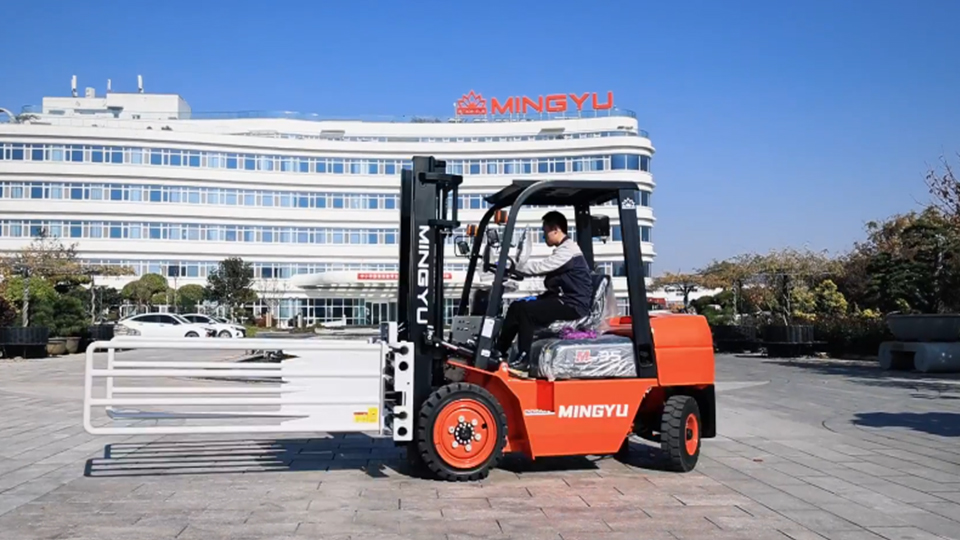
Financing considerations: how interest rates affect the effective purchase price
9. The Pre-Purchase Test Protocol
Operational trial checklist: loaded lift, travel speed, braking distance, and turning radius
Fluid analysis: engine oil, hydraulic fluid, and coolant contamination indicators
Thermal imaging for electrical hotspots and bearing wear
When to hire a third-party inspector: cost ($200–$400) vs. risk mitigation
10. Conclusion
Summary: hours, powertrain, hydraulics, structure, documentation, brand, price, and testing
Final advice: create a weighted scorecard and never skip the operational test
Name: selena
Mobile:+86-13176910558
Tel:+86-0535-2090977
Whatsapp:8613181602336
Email:vip@mingyuforklift.com
Add:Xiaqiu Town, Laizhou, Yantai City, Shandong Province, China
