
vip@mingyuforklift.com
+86-0535-2090977

Robot-ready warehouses are becoming one of the most important material handling topics of 2026. Operators are combining electric forklifts, autonomous mobile robots, warehouse software and safer pedestrian routes to improve throughput without losing flexibility. The practical goal is not to remove every operator. It is to create a coordinated system in which automated equipment handles predictable routes while skilled forklift drivers manage exceptions, trailer loading, damaged pallets and complex lifts.
For Shandong Zhuogong Machinery Equipment Co.,Ltd, the ZGFORKLIFT/MYZG product strategy focuses on reliable equipment, suitable configuration and long-term service. A modern electric forklift can become the flexible link between receiving docks, storage aisles, production lines and automated transfer points.
Automation performance depends on the building around it. Charging points, pedestrian crossings, rack geometry, floor condition, aisle width and data connections all influence the result. A warehouse may purchase advanced robots yet still create congestion if manual forklifts and autonomous vehicles meet at the same narrow intersection. Planning should begin with a complete movement map showing inbound unloading, put-away, replenishment, picking, staging and outbound loading.
Manual electric forklifts remain valuable because real operations are not perfectly repetitive. They respond quickly to urgent orders, irregular loads and changing dock schedules. Automated vehicles are strongest on stable, high-frequency routes. A hybrid fleet uses each machine where it delivers the best combination of safety, consistency and cost.
Rated capacity alone is not enough. Buyers should document the heaviest load, actual load center, lift height, mast type, attachment weight, ramp gradient, travel distance and pallets moved per hour. Residual capacity must be checked at the required height. A side shifter, fork positioner or clamp changes the load center and may reduce available capacity.
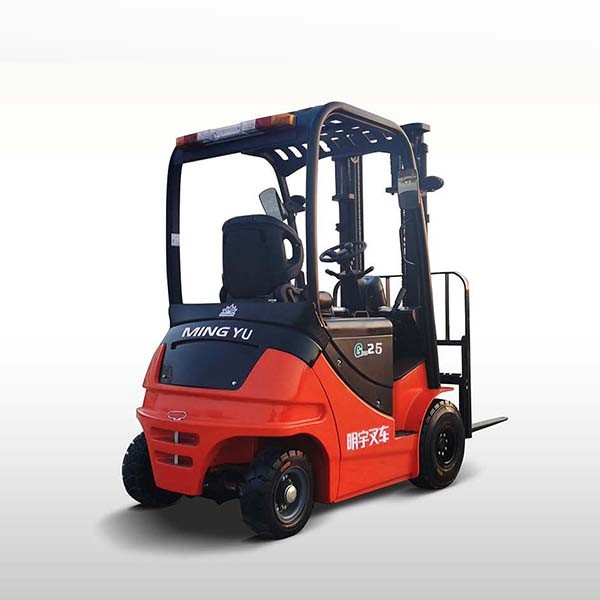
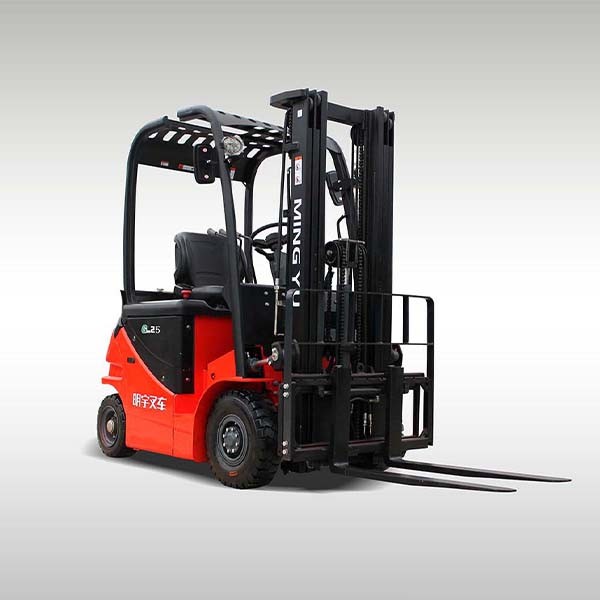
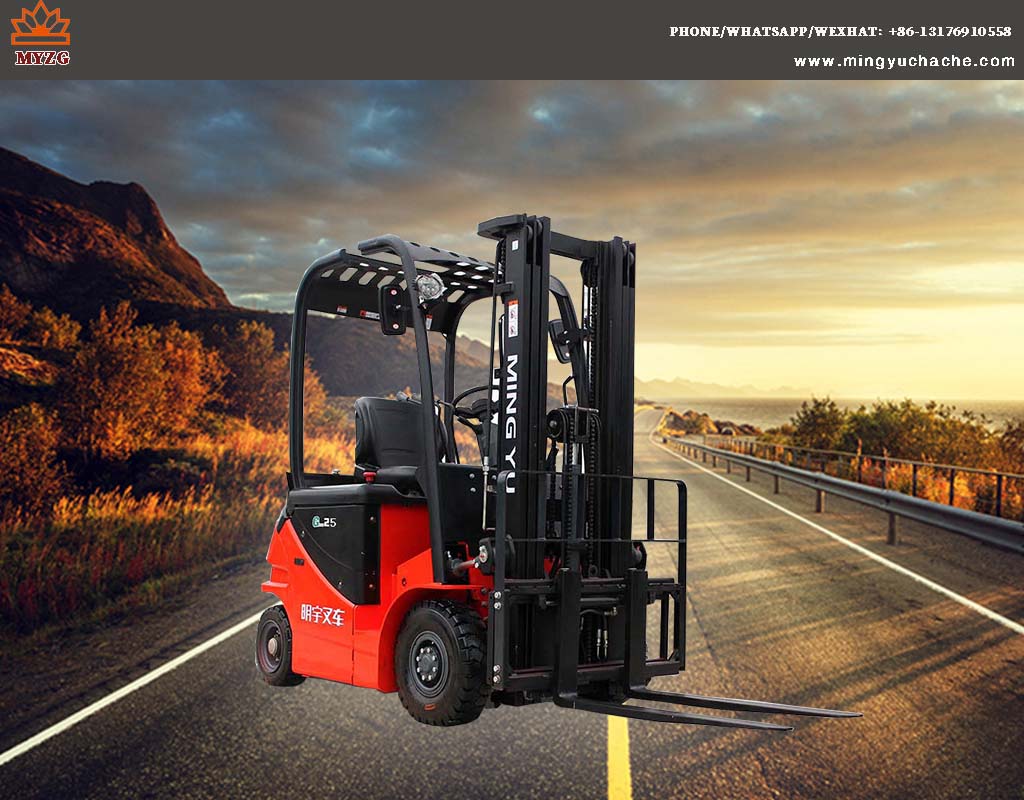
The MYZG CPD25-A electric forklift is a flexible counterbalance model for factories, warehouses and logistics centers. AC drive and lifting motors, a digital fault display, steel cover and ergonomic operator area support daily pallet handling. Customers can discuss mast height, battery, fork length, tires and attachments with the ZGFORKLIFT/MYZG team.
Lithium-ion batteries support opportunity charging during breaks and shift changes, but chargers must be positioned safely. Keep charging cables away from travel lanes, emergency exits and pedestrian pinch points. Provide enough turning room and protect the charger from impact. Voltage, current limits, connector type and battery management system must be compatible.
A multi-shift warehouse should measure actual energy use per shift. Record starting and ending state of charge on representative days, identify peak demand and keep an operating reserve. Avoid repeated deep discharge. Cold-storage sites may need battery heating or a temperature-controlled charging area. A lead-acid-to-lithium retrofit must also meet the minimum battery weight and counterbalance specification shown on the truck data plate.
Physical separation is the first safety control. Use marked pedestrian lanes, guarded crossings, stop zones at blind corners and one-way vehicle routes where practical. Establish clear right-of-way rules at intersections and automated transfer points. Loading docks, battery areas and aisle ends require special attention because visibility changes quickly.
Warning lights, cameras, proximity alerts and speed zoning can strengthen the system, but they do not replace training. Operators must know how an autonomous vehicle reacts to an obstacle, how to report a sensor fault and when to stop the area. Emergency stops should remain accessible. The OSHA warehousing hazards and solutions page is a useful reference for common forklift risks and controls.
A robot-ready warehouse needs accurate equipment status. Fleet managers should track operating hours, charging events, battery state, fault codes, impact events and planned maintenance. Start with data connected to a clear decision. Define who reviews alerts, which threshold creates a work order and how a repaired truck returns to service.
Connected equipment should use controlled accounts, documented software updates and appropriate network separation. Data quality matters more than volume. Reliable hour-meter, battery and fault information can already improve fleet sizing, maintenance scheduling and replacement decisions.
Each shift should begin with a documented inspection of forks, mast chains, hydraulic hoses, tires, steering, brakes, horn, lights, restraint, overhead guard and warning devices. Electric trucks also require checks of the battery enclosure, connector and charging cable. Unusual heat, damage, warning codes or leaks require the truck to be removed from service until qualified personnel assess it.
Sites using cameras or sensors should add cleaning and function checks to the maintenance schedule. Dust, moisture, cold, ramps and intensive lifting may require shorter service intervals. Correct parts and complete maintenance records improve reliability and simplify diagnostics.
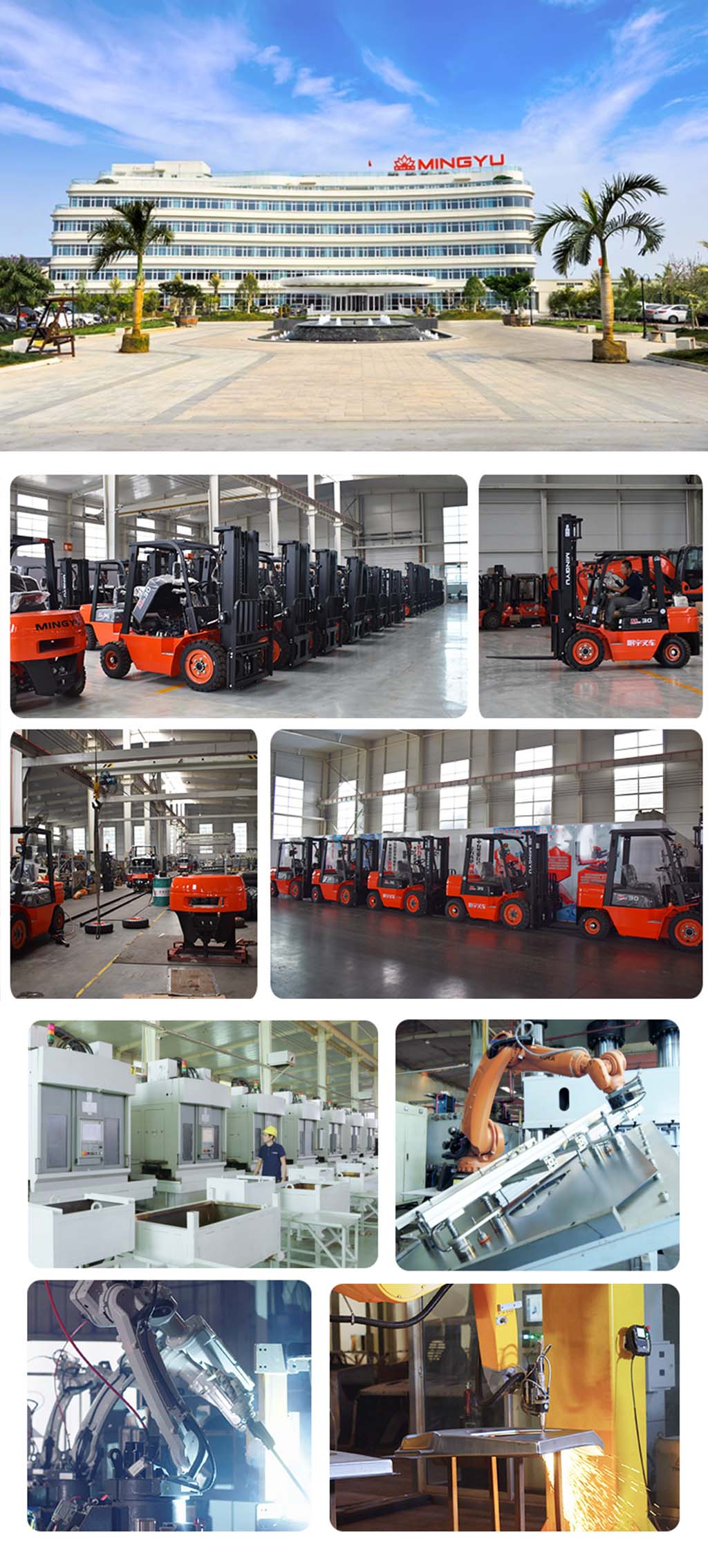
Shandong Zhuogong Machinery Equipment Co.,Ltd supplies material handling equipment for warehouses, manufacturing, logistics, construction and agriculture. Send the building layout, pallet size, load weight, lift height, shift plan and charging conditions so the team can recommend a suitable configuration.
Website: www.vavforklift.com
Email: vip@mingyuforklift.com
Telephone: +86-0535-2090977
Safety note: equipment selection, capacity verification, charging installation and automation integration should be completed by qualified personnel under the equipment manual and applicable local rules.
Name: selena
Mobile:+86-13176910558
Tel:+86-0535-2090977
Whatsapp:8613181602336
Email:vip@mingyuforklift.com
Add:Xiaqiu Town, Laizhou, Yantai City, Shandong Province, China
