
vip@mingyuforklift.com
+86-0535-2090977

Introduction
Properly shutting down a diesel forklift engine is a critical operational procedure that extends equipment lifespan, ensures operator safety, and maintains compliance with workplace safety regulations. While the basic action of turning a key may seem straightforward, the complete shutdown procedure involves multiple critical steps designed to protect the engine's turbocharger, cooling system, and electrical components, while also securing the vehicle for parking.
This comprehensive guide examines the complete shutdown sequence for diesel forklifts, explaining the technical rationale behind each step and addressing variations across different forklift classifications and manufacturers.
Understanding Diesel Forklift Engine Characteristics
Before examining shutdown procedures, it's essential to understand why diesel forklift engines require specific shutdown protocols. Unlike gasoline engines, diesel engines operate with higher compression ratios and typically incorporate turbochargers to enhance power output and fuel efficiency.
Turbocharger Considerations
Modern diesel forklifts commonly feature turbocharged engines. Turbochargers operate at extremely high rotational speeds—often exceeding 100,000 RPM—and reach temperatures exceeding 1,000°F (538°C) during normal operation. The turbocharger's turbine shaft rides on bearings lubricated by engine oil. When an engine stops suddenly, oil flow ceases immediately, but the turbocharger continues spinning due to inertia and residual heat. Without proper cool-down time, oil trapped in the superheated bearing housing can carbonize, forming deposits that restrict future oil flow and cause premature turbocharger failure.
Thermal Management Requirements
Diesel engines generate substantial heat during operation. The cooling system, comprising the radiator, coolant, water pump, and thermostat, maintains optimal operating temperatures. Abrupt shutdown after heavy operation can cause localized overheating, as coolant circulation stops while residual heat remains concentrated in the engine block and cylinder head.
The Complete Shutdown Procedure
Step 1: Position the Forklift Safely
Before initiating shutdown, the operator must ensure the forklift is positioned in a designated parking area that meets safety requirements. The surface should be level, firm, and capable of supporting the vehicle's weight without risk of sinking or tipping. Avoid shutdown on inclines, soft ground, or areas with pedestrian traffic.
Lower the forks completely to the ground, ensuring no gap remains between the fork tips and the floor surface. This practice prevents accidental contact with pedestrians and eliminates tripping hazards. Tilt the mast fully backward to stabilize the load handler and reduce the forklift's overall footprint.
Engage the parking brake mechanism completely. For forklifts equipped with mechanical parking brakes, verify full engagement through tactile feedback and visual confirmation of the engaged indicator. Electronic parking brake systems should display confirmation on the instrument panel.
Step 2: Neutralize All Hydraulic Functions
Place all hydraulic controls in their neutral positions. This includes the lift, lower, tilt, and any auxiliary function levers or joysticks. Neutral positioning ensures hydraulic pressure equalizes throughout the system and prevents unintended movement during shutdown.
For forklifts with attachment systems such as side-shifters, fork positioners, or paper roll clamps, return these attachments to their neutral or retracted positions. Extended cylinders or activated attachments create unnecessary hydraulic system pressure and present potential collision hazards.
Step 3: Idle Operation and Cool-Down Period
Perhaps the most technically critical step in diesel forklift shutdown is the cool-down period. After completing operational tasks, allow the engine to idle for 3 to 5 minutes before shutdown. This idle period serves multiple engineering purposes:
Turbocharger Protection: Idle operation maintains oil flow to the turbocharger bearings while rotational speed decreases gradually. The reduced exhaust gas temperature and flow during idle allow the turbocharger assembly to cool progressively, preventing oil coking and bearing damage.
Temperature Stabilization: Idle operation maintains coolant circulation, distributing residual heat evenly throughout the engine and promoting consistent temperature reduction. This prevents the formation of hot spots in cylinder heads and exhaust components.
System Stabilization: Hydraulic system pressure decreases during idle, and hydraulic fluid temperature begins normalizing, reducing thermal stress on seals and hoses.
The duration of the cool-down period should vary based on operational intensity. Light-duty operation with minimal hydraulic work may require only 2-3 minutes, while heavy lifting, extended high-RPM operation, or hot ambient conditions warrant the full 5-minute cool-down or longer.
Step 4: Electrical System Deactivation
With the engine idling and stabilized, begin electrical system shutdown by deactivating all auxiliary equipment. This includes:
Work lights and beacon lights
Climate control systems (heater, air conditioning)
Radio or communication equipment
Any electrically powered attachments
Turning off electrical accessories before engine shutdown reduces the electrical load on the alternator and battery, preventing voltage spikes during the transition to battery-only power supply.
Step 5: Engine Shutdown
After completing the cool-down period, move the engine speed control to the low-idle position if not already there. Turn the ignition key to the "OFF" position, or press the engine stop button on models so equipped.
Diesel engines stop through fuel cutoff rather than ignition interruption. The ignition switch activates a fuel shutoff solenoid that closes the fuel supply, causing the engine to stop within seconds. Some larger diesel engines incorporate decompression mechanisms or air intake shutoff systems for emergency stops, but standard shutdown relies on fuel starvation.
Step 6: Post-Shutdown Verification
After engine cessation, perform immediate post-shutdown checks:
Visual Inspection: Observe the engine compartment for obvious leaks, unusual smoke, or visible damage. Check beneath the forklift for fluid drips that may indicate developing problems.
Auditory Monitoring: Listen for unusual sounds such as coolant boiling, metal contraction noises indicating abnormal thermal stress, or air leaks from pneumatic systems.
System Status Confirmation: Verify that all indicator lights have extinguished and that the instrument panel displays appropriate shutdown status. Some modern forklifts display maintenance reminders or fault codes that require attention.
Step 7: Securing the Vehicle
Complete the shutdown sequence by securing the forklift against unauthorized use and environmental exposure:
Remove the ignition key and store it according to facility key control procedures. Never leave keys in unattended forklifts, as this violates Occupational Safety and Health Administration (OSHA) regulations and creates theft and accident risks.
For outdoor storage or extended parking, consider additional protective measures. Install weather protection covers for the operator compartment in exposed environments. In cold climates, verify that coolant freeze protection is adequate if the forklift will remain stationary for extended periods.
Chock the wheels if parking on any incline or if required by facility safety protocols. Wheel chocks provide redundant protection against unintended movement beyond the parking brake system.
Special Considerations for Specific Forklift Classifications
Internal Combustion Warehouse Forklifts
Diesel forklifts operated primarily indoors in warehouse environments require additional shutdown considerations related to emissions and ventilation. Even with proper catalytic converters and particulate filters, diesel engines produce exhaust emissions during shutdown.
When parking in indoor facilities, position the forklift near ventilation exhaust points if available. Avoid shutdown in confined spaces with limited air circulation. Extended idling before shutdown in poorly ventilated areas can trigger carbon monoxide detection systems and create health hazards for nearby workers.
Rough Terrain Forklifts
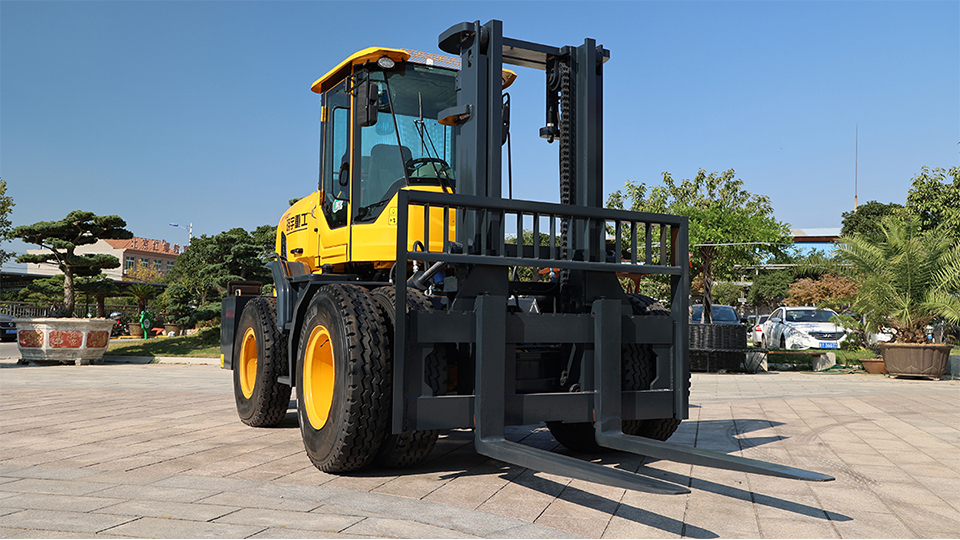
All-terrain diesel forklifts often operate under severe duty cycles that generate additional thermal stress. These vehicles may require extended cool-down periods of 5-7 minutes following heavy mud traversal, hill climbing, or sustained high-load operation.
The cooling systems on rough terrain forklifts frequently incorporate larger radiators and more robust fans, but they also encounter more contamination from dust and debris. Post-operation inspection of radiator fins and air intake screens should accompany the shutdown procedure to prevent overnight debris accumulation that would impair next-day cooling efficiency.
Specialized Application Forklifts
Forklifts operating in foundries, steel mills, or other high-ambient-temperature environments face extreme thermal challenges. In these applications, engine cool-down becomes even more critical, and some facilities implement mandatory cool-down protocols enforced by supervisory oversight.
Cold storage and freezer applications present opposite challenges. Diesel engines operating in sub-freezing environments require specific shutdown procedures to prevent fuel gelling and coolant freezing. These forklifts often incorporate engine block heaters that should be connected immediately after shutdown when extended parking in cold environments is anticipated.
Modern Technological Enhancements
Automatic Shutdown Systems
Contemporary diesel forklifts increasingly incorporate automatic shutdown technology that manages cool-down periods without operator intervention. These systems monitor engine temperature, turbocharger speed (where sensors are fitted), and operational parameters to determine optimal shutdown timing.
When the operator initiates shutdown request, the system may delay actual fuel cutoff until predetermined thermal criteria are satisfied. While convenient, operators must understand these systems' operation and recognize when manual override or extended cool-down remains necessary.
Telematics and Remote Monitoring
Integrated telematics systems can track shutdown compliance, recording instances of inadequate cool-down periods or improper shutdown sequences. Fleet managers utilize this data for operator training and equipment maintenance scheduling. Operators should be aware that non-compliant shutdown practices may be documented and addressed through coaching or disciplinary protocols.
Common Shutdown Errors and Consequences
Understanding improper shutdown practices reinforces the importance of correct procedure:
Immediate Shutdown After Heavy Work: Stopping the engine without cool-down causes turbocharger oil coking, bearing damage, and reduced turbocharger lifespan. Repeated occurrences typically result in turbocharger replacement within 10,000-20,000 operating hours rather than the designed 30,000+ hour lifespan.
Parking with Elevated Loads: Leaving forks elevated creates immediate safety hazards and violates OSHA standards. Hydraulic system pressure maintenance during extended parking also stresses seals and cylinders unnecessarily.
Neglecting Parking Brake Engagement: Relying solely on hydraulic system holding pressure rather than mechanical parking brakes risks uncontrolled movement if hydraulic pressure bleeds off over time.
Environmental Exposure: Outdoor parking without protection accelerates weathering of electrical components, hydraulic seals, and operator comfort features, increasing maintenance costs and downtime.
Maintenance Integration with Shutdown Procedures
The shutdown sequence provides optimal timing for routine maintenance tasks that protect equipment value and operational readiness:
Post-Operation Cleaning: Remove accumulated debris from radiator fins, grille openings, and undercarriage areas while the engine remains warm but not hot. Warm debris releases more easily than cold, compacted material.
Fluid Level Verification: Check engine oil, coolant, and hydraulic fluid levels when the engine is warm but not operating. Warm fluids provide accurate level readings and flow characteristics representative of operating conditions.
Damage Documentation: Inspect tires, forks, carriage, and mast components for damage incurred during the operating shift. Documenting damage immediately prevents disputes regarding damage timing and responsibility.
Regulatory Compliance and Documentation
OSHA Standard 1910.178, covering powered industrial trucks, mandates specific operational requirements including shutdown procedures. While the standard does not prescribe exact shutdown steps, it requires operator training covering "operating instructions, warnings, and precautions" and "the requirements of the standard."
Facilities must document operator training on proper shutdown procedures, with refresher training required every three years or following observed unsafe operation, accidents, or near-misses. Maintaining current training documentation protects employers from liability and ensures consistent operational practices across shifts and operators.
Conclusion
The seemingly simple task of turning off a diesel forklift engine encompasses a sophisticated sequence of technical steps designed to protect expensive equipment, ensure operational safety, and maintain regulatory compliance. The critical cool-down period, often overlooked in rushed operational environments, provides essential protection for turbocharger bearings and engine thermal management systems.
Operators who internalize proper shutdown procedures contribute significantly to equipment longevity, with well-maintained diesel forklifts achieving operational lifespans exceeding 20,000 hours. Conversely, habitual improper shutdown accelerates wear, generates unnecessary repair costs, and creates safety hazards that endanger personnel and production continuity.
As diesel forklift technology evolves with automatic shutdown systems and integrated telematics, the fundamental principles of thermal management and mechanical protection remain constant. Understanding the engineering rationale behind each shutdown step enables operators to adapt to specific equipment requirements while maintaining the core practices that ensure reliable, safe forklift operation across diverse industrial applications.
Name: selena
Mobile:+86-13176910558
Tel:+86-0535-2090977
Whatsapp:8613181602336
Email:vip@mingyuforklift.com
Add:Xiaqiu Town, Laizhou, Yantai City, Shandong Province, China
