
vip@mingyuforklift.com
+86-0535-2090977

Forklift operators are the backbone of logistics, manufacturing, and warehousing industries worldwide. Their ability to safely and efficiently move heavy loads is critical to operational productivity and workplace safety. If you’re asking, “Where can I learn to drive a forklift?” you’re taking the first step toward a stable, in-demand career. However, forklift operation is not a skill to be self-taught—formal training and certification are mandatory in most countries to ensure compliance with safety regulations (such as OSHA in the U.S. and HSE in the UK) and to protect both operators and workplace personnel.
This article explores the primary channels for learning to drive a forklift, key considerations for choosing a reputable training provider, the structure of typical training programs, and essential certification requirements. Whether you’re a complete novice, an experienced worker seeking to upskill, or an employer looking to train your team, this guide will help you navigate the options and make informed decisions.
1. Primary Channels to Learn Forklift Driving
The path to learning forklift operation varies based on your location, career goals, and availability. Below are the most reliable and widely recognized channels, each with unique advantages and suitability for different learners.
1.1 Accredited Commercial Training Providers
Accredited commercial training schools or centers are the most common choice for individuals seeking forklift training, especially for beginners. These institutions specialize in vocational training for industrial equipment operation and are certified by national or regional regulatory bodies. In the U.S., for example, providers like Forklift Training Systems and Total Industries offer OSHA-compliant courses, while in the UK, RTITB (Road Transport Industry Training Board) accredited centers such as Enterprise Transport Training and Angus Lift Trucks are industry standards.
Advantages of commercial training providers include: • Comprehensive curriculum: Courses cover both theoretical knowledge and hands-on practical training, ensuring learners meet regulatory requirements. • Diverse equipment access: Most centers offer training on multiple forklift types (counterbalance, reach, rough terrain, etc.), preparing learners for various job scenarios. • Flexible scheduling: Many providers offer open-enrollment classes, weekend sessions, or evening courses to accommodate working professionals. • Certification support: Upon completion of training and passing the exam, learners receive industry-recognized certificates that are valid nationwide or internationally.
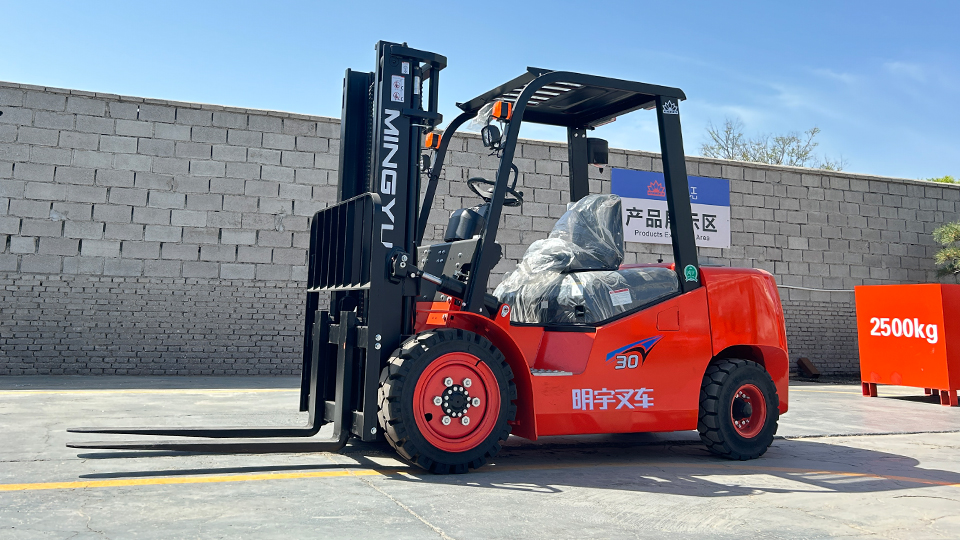
For example, Forklift Training Systems offers 5–8 hour forklift operator courses that combine classroom instruction, written tests, and hands-on evaluations on the learner’s or employer’s equipment (per OSHA requirements). These courses cover forklift fundamentals, hazard recognition, pedestrian safety, and legal liability—critical knowledge for safe operation.
1.2 Employer-Sponsored In-House Training
For individuals already employed in industries that use forklifts (e.g., warehouses, manufacturing plants, logistics companies), employer-sponsored in-house training is an excellent option. Many large organizations with frequent forklift use hire certified trainers or partner with external providers to deliver on-site training tailored to their specific workplace needs.
Key benefits of in-house training include: • Cost-effectiveness: Employers typically cover all training expenses, making this a low-cost or free option for employees. • Workplace-specific relevance: Training is conducted on the company’s own equipment and in its unique environment, ensuring learners are prepared for the exact challenges of their job. • Seamless transition to employment: Trained employees can immediately apply their skills on the job, reducing downtime and increasing productivity. • Team alignment: In-house training ensures all operators follow the same safety protocols and operational procedures, fostering a safer work environment.
Some employers also offer “train-the-trainer” programs, where selected employees are certified to train their colleagues internally. This is particularly beneficial for companies with large teams of forklift operators, as it allows for ongoing training and compliance management without relying on external providers.
1.3 Online Theory + Offline Practical Hybrid Training
With the rise of digital learning, hybrid training models (online theory + offline practical) have become increasingly popular, especially for learners with busy schedules. This approach allows you to complete the theoretical portion of training at your own pace, from any device (computer, phone, tablet), before attending a hands-on session at a designated facility.
In the U.S., the National Forklift Foundation (NFF) offers an online OSHA-compliant training program that includes interactive video lessons and a downloadable certification upon passing the online exam. However, it’s important to note that online training alone is not sufficient for full certification—OSHA requires that hands-on evaluation be conducted by the employer or a certified trainer in a real workplace setting. Similarly, in the UK, RTITB’s eTruck program allows learners to complete theory training online before attending 1–2 days of practical training, reducing the total time spent in-class and lowering costs.
Advantages of hybrid training include flexibility, time savings, and lower upfront costs. It’s an ideal option for working professionals, students, or individuals who live far from traditional training centers. However, learners must ensure that the online provider is accredited and that the offline practical component is conducted by a certified instructor to meet regulatory requirements.
1.4 Government-Sponsored or Industry Association Training Programs
Many governments and industry associations offer subsidized or free forklift training programs to support workforce development, particularly for unemployed individuals, veterans, or low-income groups. In the U.S., state labor departments or workforce development boards often partner with training providers to offer OSHA-compliant courses at reduced rates. In China, local human resources and social security departments collaborate with institutions like Dalian Mingshang Education Consulting Co., Ltd. to provide subsidized training for migrant workers and unemployed people.
Industry associations, such as the Material Handling Equipment Distributors Association (MHEDA) in the U.S. or the Fork Lift Truck Association (FLTA) in the UK, also frequently organize training workshops or recommend certified providers to their members. These programs often include additional resources, such as job placement assistance or networking opportunities, making them valuable for career advancement.
2. Key Considerations for Choosing a Reputable Training Provider
Not all forklift training providers are created equal. To ensure you receive high-quality training that meets regulatory standards and prepares you for real-world work, consider the following critical factors:
2.1 Accreditation and Compliance
The most important factor is whether the provider is accredited by the relevant regulatory body. In the U.S., courses must comply with OSHA 29 CFR 1910.178 standards; in the UK, look for RTITB, ITSSAR, or NPORS accreditation; in Australia, seek recognition from Safe Work Australia. Accreditation ensures that the training curriculum, instructors, and evaluation methods meet national safety requirements, and the resulting certificate will be recognized by employers nationwide.
Always verify accreditation by checking the provider’s website for certification logos or contacting the regulatory body directly. For example, the National Forklift Foundation’s online course explicitly states compliance with 2025 OSHA standards, and certificates include a QR code for easy validation by employers.
2.2 Instructor Qualifications and Experience
The quality of training depends heavily on the instructors. Reputable providers employ instructors with extensive industry experience (ideally 5+ years of forklift operation) and formal teaching qualifications. Instructors should also be certified by the same regulatory bodies that accredit the training program.
Don’t hesitate to ask the provider about their instructors’ backgrounds: • Do they have current forklift operator certification? • What is their teaching experience? • Do they receive ongoing training to stay updated on new regulations and equipment? Positive learner reviews often highlight instructors who are patient, knowledgeable, and skilled at translating complex concepts into practical guidance.
2.3 Training Equipment and Facilities
Practical training is the core of forklift learning, so the quality and availability of equipment are non-negotiable. A good training center should have: • A variety of well-maintained forklift models (counterbalance, reach, pallet trucks, etc.) to match different job requirements. • A dedicated, safe training area (indoor or outdoor) that simulates real workplace conditions (e.g., narrow aisles, loading docks, uneven surfaces). • Safety equipment (helmets, high-visibility vests, gloves) for all learners.
If possible, visit the training facility in person to inspect the equipment and environment. Avoid providers with old, poorly maintained forklifts or cramped, unsafe training areas—these can compromise the quality of your learning and increase the risk of accidents during training.
2.4 Course Content and Structure
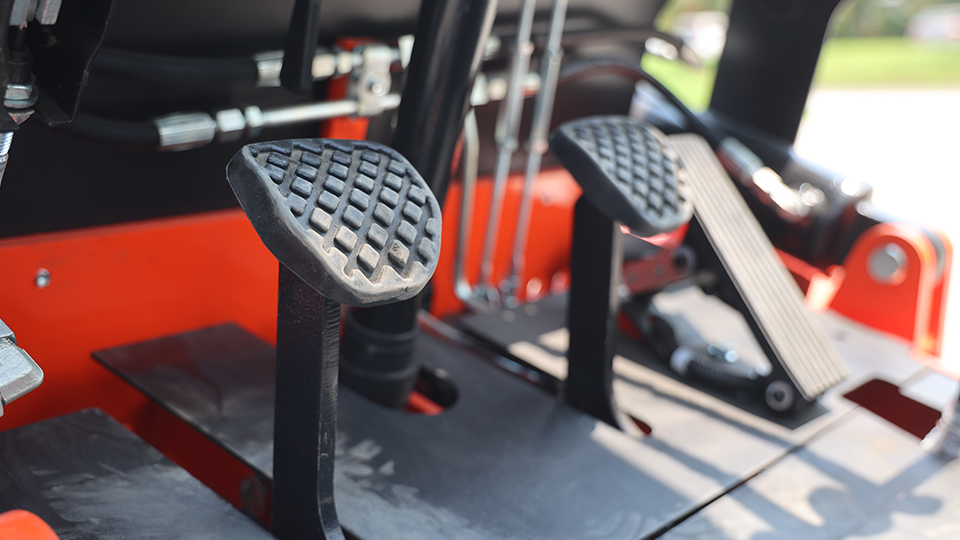
A comprehensive forklift training program should cover two main components: theory and practical skills. The theoretical portion typically includes: • Safety regulations and legal responsibilities (e.g., OSHA/HSE requirements, liability for accidents). • Forklift mechanics and components (engine, hydraulics, controls, brakes). • Hazard identification and risk mitigation (pedestrian safety, load stability, uneven terrain). • Pre-operation inspection procedures.
The practical portion should include hands-on training in: • Basic operation (starting, stopping, steering, reversing). • Load handling (lifting, lowering, tilting, stacking). • Maneuvering in confined spaces or challenging environments. • Emergency procedures (stalls, tip-overs, fires).
Course duration varies based on experience level: novice courses typically take 3–5 days, while refresher courses can be completed in 1 day. Ensure the course structure aligns with your needs—for example, if you’re targeting a job that uses rough terrain forklifts, confirm the program includes training on that specific equipment type.
2.5 Cost and Hidden Fees
Training costs vary widely depending on the provider, location, course length, and equipment type. In the U.S., commercial courses range from $150–$300 per person for open-enrollment classes, while on-site group training for employers may cost $1,400+ for up to 8 participants. In the UK, on-site training typically costs £275 + VAT per day, with additional mileage charges.
When comparing costs, ask for a detailed breakdown of fees to avoid hidden charges. Reputable providers will clearly outline costs for training materials, exams, certification, and any additional services (e.g., retakes for failed exams). Be wary of providers offering significantly lower prices than the market average—this may indicate compromised training quality or hidden fees.
2.6 Post-Training Support and Certification Validity
Look for providers that offer post-training support, such as job placement assistance, resume building, or access to refresher courses. Some centers also provide ongoing support for certificate renewal, which is critical since most certifications expire every 3 years (per OSHA and RTITB requirements).
Additionally, confirm the validity of the certificate: • Is it recognized nationwide or internationally? • Does it require periodic renewal (and what is the renewal process)? • Is it registered with national schemes (e.g., NORS in the UK, which allows operators to work at multiple premises)?
2. Training Program Structure and Certification Requirements
Regardless of the training channel you choose, the core structure of forklift training and certification follows a similar framework to ensure compliance with global safety standards. Below is a step-by-step overview of what to expect.
2.1 Pre-Training Assessment (for Experienced Learners)
For individuals with prior forklift experience (but no formal certification) or those seeking to convert their certification to a different forklift type, many providers offer a pre-training assessment. This evaluates existing skills and knowledge to determine if a full course is necessary or if a shorter conversion/refreshment course will suffice. Conversion courses typically take 2–3 days and focus on the specific differences between the operator’s current equipment and the new type they wish to operate.
2.2 Theoretical Training and Knowledge Assessment
The theoretical phase is designed to build a foundational understanding of forklift safety and operation. This may be delivered in a classroom setting, online, or through a hybrid model. Key topics include regulatory compliance, equipment mechanics, hazard recognition, and pre-operation checks.
After completing the theoretical training, learners must pass a written knowledge assessment (usually multiple-choice or true/false). Most providers allow unlimited retakes until a passing score (typically 70% or higher) is achieved. This ensures learners have a solid grasp of the safety principles before moving on to practical training.
2.3 Practical Training and Hands-On Evaluation
Practical training is the most critical phase, where learners apply theoretical knowledge to real-world operation. Under the supervision of a certified instructor, learners practice basic maneuvers, load handling, and emergency procedures on actual forklifts. The instructor provides real-time feedback to correct mistakes and reinforce safe practices.
The hands-on evaluation is a pass/fail assessment that tests the learner’s ability to operate the forklift safely and efficiently. Evaluators assess criteria such as: • Proper pre-operation inspection. • Safe starting, stopping, and steering. • Accurate load lifting, stacking, and lowering. • Maneuvering in confined spaces. • Compliance with safety protocols (e.g., using horns, maintaining safe distances from pedestrians).
In the U.S., OSHA requires that practical evaluations be conducted on the employer’s equipment at their facility to ensure relevance to the actual workplace environment. In the UK, RTITB-accredited evaluations may be conducted at the training center or on the employer’s site.
2.4 Certification Issuance
Upon passing both the knowledge assessment and practical evaluation, learners receive a formal forklift operator certificate. The certificate typically includes: • The operator’s name and photo. • The type of forklift(s) the operator is certified to operate. • The issuing organization and accreditation body. • The certification expiration date.
In many countries, the certificate must be carried by the operator while on the job and presented to inspectors or employers upon request. Digital certificates with QR codes are increasingly common, allowing for easy validation by employers (e.g., the National Forklift Foundation’s wallet card includes a scannable QR code linked to the operator’s unique ID).
2.5 Renewal and Refresher Training
Forklift certification is not permanent. Most regulatory bodies require renewal every 3 years to ensure operators stay updated on new safety regulations, equipment advancements, and best practices. Additionally, refresher training is mandatory if an operator is involved in an accident, receives multiple safety violations, or is assigned to operate a new type of forklift.
Refresher courses are shorter (1–2 days) and focus on updating knowledge, reinforcing safe habits, and addressing any gaps in skills. Many providers offer online refresher courses for the theoretical portion, followed by a brief practical evaluation to renew certification.
3. Special Considerations for Different Learner Types
The best training option depends on your individual circumstances. Below are tailored recommendations for common learner profiles:
3.1 Novices with No Experience
For complete beginners, accredited commercial training providers are the best choice. Look for courses specifically designed for novices (3–5 days) that cover all foundational skills and include extensive hands-on training. Avoid online-only courses, as they lack the practical experience needed to become a safe operator. Government-sponsored subsidized courses are also a great option if you qualify, as they reduce financial barriers.
3.2 Working Professionals Seeking to Upskill
If you’re already employed but need forklift certification for career advancement, consider hybrid training (online theory + offline practical) to fit around your work schedule. Alternatively, ask your employer about in-house training opportunities—many companies are willing to invest in upskilling their existing workforce.
3.3 Employers Training Multiple Employees
For employers with multiple workers needing certification, on-site group training from an accredited provider is the most efficient and cost-effective option. Providers like Wolter Inc. offer on-site training for all shifts (including Saturdays) and can customize the curriculum to your company’s specific equipment and workplace environment. Additionally, “train-the-trainer” programs allow you to develop internal expertise for ongoing training and compliance.
3.4 International Learners or Migrant Workers
If you plan to work in a different country, ensure your training and certification are recognized internationally. Look for providers accredited by global organizations or national bodies with reciprocal agreements (e.g., RTITB certification is widely recognized in the EU, while OSHA certification is accepted across the U.S.). Some providers also offer language-specific courses (e.g., English, Spanish, Mandarin) to support non-native speakers.
4. Common Myths and Misconceptions About Forklift Training
When researching where to learn forklift driving, it’s important to dispel common myths that may lead to poor decisions:
Myth 1: “I can learn to drive a forklift on the job without formal training.” Reality: In most countries, formal training and certification are legally required. Operating a forklift without certification can result in fines for both the operator and employer, and it increases the risk of accidents. Myth 2: “Online training alone is sufficient for certification.” Reality: OSHA, HSE, and other regulatory bodies require hands-on practical evaluation to ensure operators can safely handle real equipment. Online training can only cover the theoretical portion—practical training is mandatory. Myth 3: “All forklift certifications are the same.” Reality: Certifications vary by the type of forklift (counterbalance, reach, etc.) and the accrediting body. A certificate for a counterbalance forklift does not qualify you to operate a rough terrain forklift. Myth 4: “Certification is valid forever.” Reality: Most certifications expire every 3 years, and refresher training is required for renewal. This ensures operators stay updated on safety standards and equipment changes.
5. Conclusion
Learning to drive a forklift requires formal training and certification, but the process is accessible through a variety of channels—accredited commercial providers, employer-sponsored training, hybrid online/offline programs, and government-subsidized courses. The key is to choose a reputable, accredited provider that offers a comprehensive curriculum, experienced instructors, and quality equipment.
By investing in proper training, you’re not only complying with legal requirements but also building the skills and confidence needed to excel in a high-demand career. Whether you’re a novice or an experienced worker, the right training program will prepare you to operate forklifts safely, efficiently, and professionally—opening doors to opportunities in logistics, manufacturing, warehousing, and beyond.
Remember: Safety is the top priority in forklift operation. A well-trained operator is a safe operator, and formal training is the foundation of a successful career in this field. So, take the time to research your options, choose a program that fits your needs, and start your journey toward becoming a certified forklift operator today.
Name: selena
Mobile:+86-13176910558
Tel:+86-0535-2090977
Whatsapp:8613181602336
Email:vip@mingyuforklift.com
Add:Xiaqiu Town, Laizhou, Yantai City, Shandong Province, China
