
vip@mingyuforklift.com
+86-0535-2090977

For businesses or individuals looking to sell a used forklift, the question “Who buys used forklifts near me?” is often the first and most critical step in the process. Selling locally offers numerous advantages: faster transactions, lower transportation costs, the ability to inspect the equipment in person, and reduced risks associated with long-distance shipping. However, identifying the right local buyer requires an understanding of the key players in the used forklift market, their purchasing criteria, and how to navigate the transaction to ensure a fair price and smooth experience.
This article provides a detailed overview of the primary local buyers of used forklifts, including their motivations, typical requirements, and how to connect with them. It also covers essential considerations such as preparing your forklift for sale, valuing your equipment, and mitigating risks during the transaction. Whether you’re a small business owner upgrading your fleet, a warehouse manager liquidating unused equipment, or an individual selling a single unit, this guide will help you identify and engage with the right local buyers.
1. Primary Local Buyers of Used Forklifts
The local used forklift market consists of several distinct buyer groups, each with unique needs and purchasing behaviors. Understanding these groups will help you target your sales efforts effectively and increase your chances of a successful transaction.
1.1 Local Forklift Dealers and Resellers
Local forklift dealers and resellers are among the most active buyers of used forklifts. These businesses specialize in buying, refurbishing, and reselling pre-owned forklifts to other businesses or individuals. Examples include regional dealers affiliated with major brands (e.g., Toyota, Caterpillar, Hyster-Yale) or independent resellers focusing on used equipment.
Motivations: Dealers purchase used forklifts to expand their inventory of pre-owned units, which are in high demand among small businesses and startups seeking cost-effective material handling solutions. Refurbished used forklifts typically offer a lower price point than new models while still providing reliable performance, making them a popular choice for budget-conscious buyers.
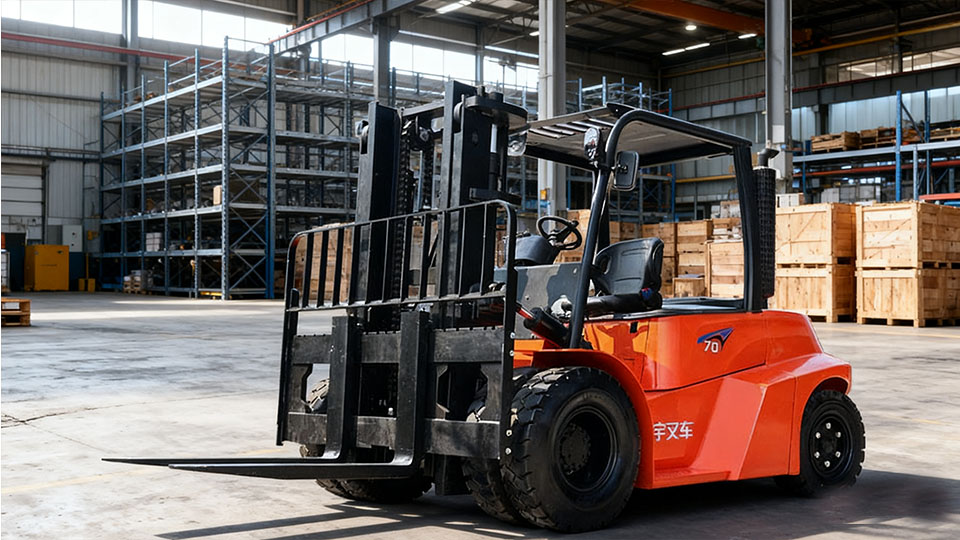
Purchasing Criteria: Dealers evaluate used forklifts based on several key factors: • Age and hours of operation: Most dealers prefer units less than 10 years old with fewer than 10,000 operating hours, as these require less extensive refurbishment. • Condition of critical components: This includes the engine (or battery for electric models), hydraulics, tires, brakes, and safety features (e.g., lights, horns, seatbelts). • Brand and model: Popular, reliable brands (e.g., Toyota, Crown, Jungheinrich) are more desirable due to easier access to replacement parts and higher resale value. • Maintenance history: A well-documented maintenance record increases the value of the forklift, as it demonstrates that the equipment has been properly cared for.
Advantages of Selling to Dealers: • Fast transactions: Dealers often make on-the-spot offers and can complete the sale in a matter of days, making this an ideal option if you need to sell quickly. • Convenience: Many dealers offer pickup services for the forklift, eliminating the need for you to arrange transportation. • Reduced paperwork: Dealers are familiar with the legal requirements for selling used equipment and can handle most of the documentation.
How to Connect: Search online for “local forklift dealers” or “used forklift resellers near me,” check industry directories (e.g., MHEDA’s Material Handling Dealer Locator), or ask for referrals from other businesses in your area. It’s recommended to contact multiple dealers to get competitive offers.
1.2 Small and Medium-Sized Businesses (SMBs)
Small and medium-sized businesses (SMBs) in industries such as warehousing, manufacturing, construction, retail, and agriculture are common local buyers of used forklifts. These businesses often purchase used units to meet short-term demand, expand their existing fleet, or replace aging equipment without the upfront cost of new forklifts.
Motivations: SMBs typically have tighter budgets than large corporations, so used forklifts offer a cost-effective alternative to new models. For many, a pre-owned forklift that is well-maintained and in good condition can provide the same level of performance as a new one at a fraction of the cost. Additionally, SMBs may purchase used forklifts for seasonal or project-based work, where a temporary increase in material handling capacity is needed.
Purchasing Criteria: SMB buyers often prioritize: • Practicality for their specific needs: This includes lift capacity, lift height, fuel type (gasoline, diesel, electric), and suitability for their work environment (e.g., indoor vs. outdoor, narrow aisles vs. rough terrain). • Condition and reliability: SMBs rely heavily on their equipment to keep operations running, so they need a used forklift that is in good working order and won’t require frequent repairs. • Price transparency: They typically look for fair, upfront pricing without hidden fees.
Advantages of Selling to SMBs: • Potentially higher sale price: Direct sales to end-users (SMBs) often yield a higher price than selling to dealers, as you’re cutting out the middleman. • Flexible negotiation: SMB buyers may be more open to negotiating on price, terms, or included accessories (e.g., attachments, spare parts).
How to Connect: Advertise your used forklift on local business classifieds (e.g., Craigslist, Facebook Marketplace for Businesses), industry-specific platforms (e.g., ForkliftTrader, MachineryTrader), or through local business associations (e.g., chamber of commerce, industry trade groups). You can also network with other business owners in your area or attend local industry events to find potential buyers.
1.3 Construction Companies and Contractors
Local construction companies and contractors are another key group of used forklift buyers. These businesses use forklifts for a variety of tasks on job sites, including lifting and moving building materials (e.g., lumber, steel, concrete), equipment, and tools. They often prefer used forklifts for their durability and ability to handle rough terrain.
Motivations: Construction work is often project-based, so contractors may purchase used forklifts to avoid the long-term commitment and high cost of new equipment. Used rough-terrain forklifts, in particular, are in high demand for outdoor job sites with uneven surfaces. Additionally, construction companies may buy used forklifts as backup equipment to ensure that operations aren’t disrupted if their primary equipment breaks down.
Purchasing Criteria: Construction buyers focus on: • Lift capacity and durability: They need forklifts that can handle heavy loads (often 5,000 pounds or more) and withstand the harsh conditions of construction sites. • Rough terrain capabilities: Features such as large, rugged tires, four-wheel drive, and high ground clearance are essential for outdoor job sites. • Fuel type: Diesel forklifts are preferred for outdoor use due to their longer range and higher power, while electric models may be used for indoor construction tasks (e.g., in finished buildings).
How to Connect: Reach out to local construction companies directly via phone or email, advertise on construction-specific platforms (e.g., ConstructionEquipmentGuide.com), or list your forklift on local job site bulletin boards. You can also partner with local construction supply stores to promote your used forklift to their customers.
1.4 Equipment Rental Companies
Local equipment rental companies often purchase used forklifts to add to their rental fleets. These companies cater to businesses and individuals who need forklifts for short-term use (e.g., a few days, weeks, or months) and don’t want to invest in purchasing their own equipment.
Motivations: Rental companies buy used forklifts to balance their fleets with a mix of new and pre-owned units. Used forklifts allow them to offer lower rental rates, which are attractive to budget-conscious customers. Additionally, used equipment that is still in good condition can provide a strong return on investment, as rental companies generate revenue from multiple customers over time.
Purchasing Criteria: Rental companies evaluate used forklifts based on: • Reliability and ease of maintenance: They need equipment that can withstand frequent use by different operators and requires minimal downtime for repairs. • Popular models: They prefer forklifts with common specifications (e.g., standard lift capacity, popular fuel type) that are in high demand for rental. • Safety features: All safety components must be in good working order to comply with rental industry regulations and protect operators.
How to Connect: Search for “equipment rental companies near me” and contact them directly to inquire if they’re interested in purchasing used forklifts. You can also list your equipment on rental industry directories or attend trade shows for rental professionals.
1.5 Scrap Yards and Metal Recyclers (for Non-Refurbishable Forklifts)
If your used forklift is old, damaged beyond repair, or has significant mechanical issues, local scrap yards and metal recyclers may be the best option. These buyers purchase non-functional forklifts for their metal content (e.g., steel, aluminum, copper) and other recyclable components.
Motivations: Scrap yards profit by recycling the metal from old forklifts, which is then sold to manufacturing companies for reuse. They may also salvage any usable parts (e.g., engines, transmissions, hydraulics) from the forklift to sell to repair shops or other buyers.
Purchasing Criteria: Scrap yards primarily consider the weight and type of metal in the forklift. Heavier forklifts with more steel content will fetch a higher price. They may also take into account the condition of any usable parts, but this is secondary to the metal value.
Advantages of Selling to Scrap Yards: • Quick and easy transaction: Scrap yards typically offer same-day pickup and payment for non-functional forklifts. • No need for repairs: You don’t have to invest time or money in fixing the forklift before selling it.
How to Connect: Search for “scrap yards near me that buy forklifts” or “metal recyclers for heavy equipment.” Contact multiple scrap yards to get quotes based on the weight and condition of your forklift.
2. Key Considerations for Selling to Local Buyers
Once you’ve identified potential local buyers, there are several important steps to take to ensure a successful transaction. These include preparing your forklift for sale, determining its value, and navigating the legal and logistical aspects of the sale.
2.1 Prepare Your Forklift for Sale
Properly preparing your used forklift can significantly increase its appeal to local buyers and help you get a higher price. Here’s what you need to do: • Clean the forklift: Thoroughly clean the exterior, interior, and engine compartment (or battery for electric models) to remove dirt, dust, and debris. A clean forklift gives the impression that it has been well-maintained. • Perform a pre-sale inspection: Check all critical components, including the engine, hydraulics, tires, brakes, steering, lights, horns, and safety features. Make note of any issues or repairs that need to be addressed. • Make minor repairs: Fix small issues such as broken lights, worn tires, or leaky hoses. These minor repairs can increase the value of the forklift and make it more attractive to buyers. • Gather maintenance records: Compile all maintenance and repair records, including oil changes, filter replacements, and major repairs. A well-documented maintenance history demonstrates that the forklift has been properly cared for and can increase buyer confidence.
2.2 Determine the Fair Market Value of Your Forklift
Setting the right price is crucial for attracting local buyers. To determine the fair market value of your used forklift, consider the following factors: • Age and hours of operation: Newer forklifts with fewer operating hours will have a higher value. • Brand and model: Popular, reliable brands typically hold their value better than lesser-known brands. • Condition: Forklifts in excellent condition with minimal wear and tear will fetch a higher price than those with significant damage or mechanical issues. • Features and specifications: Lift capacity, lift height, fuel type, and any additional features (e.g., attachments, air conditioning) can affect the value. • Market demand: Prices may vary based on local demand for specific types of forklifts (e.g., rough-terrain vs. indoor electric models).
To get an accurate estimate of your forklift’s value, you can: • Research online: Check prices of similar used forklifts on platforms such as ForkliftTrader, MachineryTrader, or eBay. • Get quotes from local dealers: Contact 2–3 local forklift dealers to get competitive offers. • Use valuation tools: Some industry organizations and websites offer free valuation tools for used forklifts (e.g., the Hyster-Yale Used Equipment Valuation Tool).
2.3 Navigate the Legal and Logistical Aspects
Selling a used forklift involves several legal and logistical steps to protect both you and the buyer: • Transfer of ownership: You’ll need to provide the buyer with a bill of sale that includes the forklift’s make, model, serial number, purchase price, and the names and signatures of both parties. In some states or countries, you may also need to transfer the title or registration of the forklift. • Safety compliance: Ensure that the forklift meets all local safety regulations. This may include having a valid safety inspection certificate or ensuring that all safety features are in good working order. • Transportation: If the buyer doesn’t arrange for pickup, you’ll need to arrange for the forklift to be transported to their location. Local dealers and resellers often offer pickup services, while SMBs or construction companies may have their own equipment to transport the forklift. • Payment: Always require full payment before transferring ownership of the forklift. Acceptable forms of payment include cash, certified check, or wire transfer. Avoid personal checks, as they can bounce.
2.4 Mitigate Risks During the Transaction
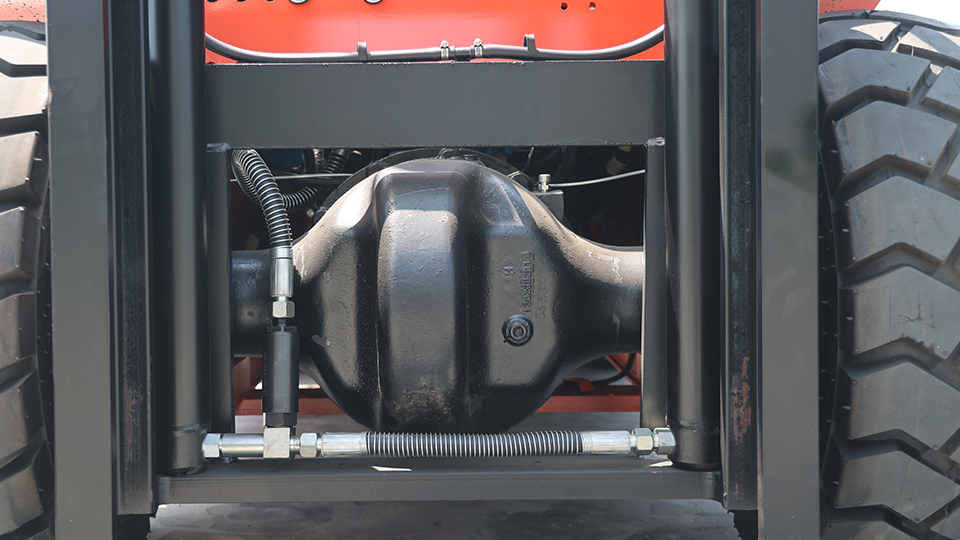
To avoid scams or disputes during the sale, take the following precautions: • Verify the buyer’s identity: Ask for a valid ID or business license (for commercial buyers) to ensure that they are legitimate. • Meet in a safe location: If you’re meeting the buyer in person, choose a public, well-lit location (e.g., your business parking lot during business hours) or have a witness present. • Document the condition of the forklift: Take photos or videos of the forklift before the sale to document its condition. This can help prevent disputes if the buyer claims that the forklift has issues after the sale. • Avoid “too good to be true” offers: Be wary of buyers who offer significantly more than your asking price or request unusual payment methods (e.g., gift cards, cryptocurrency).
3. How to Market Your Used Forklift to Local Buyers
To attract local buyers, you need to effectively market your used forklift. Here are some strategies to consider:
3.1 Create a Detailed Listing
When creating a listing for your used forklift, include the following information: • Make, model, and serial number. • Year of manufacture and operating hours. • Lift capacity and lift height. • Fuel type (gasoline, diesel, electric, LPG). • Condition of the forklift (e.g., excellent, good, fair) and any recent repairs or maintenance. • Photos or videos of the forklift (front, back, side, interior, engine/battery, and any key components). • Asking price and contact information.
3.2 Use Local Advertising Channels
Promote your listing through local advertising channels such as: • Online classifieds: Craigslist, Facebook Marketplace, and local business directories. • Industry-specific platforms: ForkliftTrader, MachineryTrader, and ConstructionEquipmentGuide.com. • Local newspapers and trade publications: Many local newspapers have a classified section for heavy equipment, and industry trade publications (e.g., Material Handling & Logistics) have local editions. • Bulletin boards: Post flyers on bulletin boards at local business associations, construction supply stores, and industrial parks.
3.3 Network with Local Businesses and Industry Professionals
Networking is a powerful way to find local buyers. Attend local industry events (e.g., trade shows, workshops, networking meetings) to connect with business owners, contractors, and equipment dealers. Join local business associations (e.g., chamber of commerce, industry trade groups) and participate in their online forums or networking events. You can also ask for referrals from your existing business contacts, suppliers, or customers.
3.4 Offer Incentives
To make your used forklift more attractive to local buyers, consider offering incentives such as: • A warranty or guarantee (e.g., a 30-day warranty on parts and labor). • Free delivery within a certain radius. • Included accessories (e.g., forks, attachments, spare parts). • A discounted price for cash payment.
4. Common Myths and Misconceptions About Selling Used Forklifts Locally
When selling a used forklift locally, it’s important to dispel common myths that may lead to poor decisions:
Myth 1: “Selling to a dealer means getting a bad price.” Reality: While dealers may offer slightly less than direct sales to end-users, they provide convenience, speed, and reduced risk. For many sellers, the trade-off is worth it, especially if they need to sell quickly. Myth 2: “Only new forklifts are in demand.” Reality: Used forklifts are in high demand among budget-conscious businesses and individuals. A well-maintained used forklift can be just as reliable as a new one and offer significant cost savings. Myth 3: “Marketing a used forklift is too time-consuming.” Reality: With local advertising channels and networking, you can effectively market your forklift without spending a lot of time. Many local buyers are actively searching for used forklifts, so a detailed listing can attract interest quickly. Myth 4: “All local buyers are the same.” Reality: Different local buyers have different needs and purchasing criteria. Understanding the differences between dealers, SMBs, construction companies, and rental companies will help you target your marketing efforts and get the best price.
5. Conclusion
When asking “Who buys used forklifts near me?”, the answer includes a diverse range of local buyers, each with unique motivations and requirements. Local forklift dealers offer speed and convenience, while SMBs and construction companies may provide a higher price for well-maintained units. Equipment rental companies are ideal for sellers with reliable used forklifts, and scrap yards are a viable option for non-functional equipment.
To successfully sell your used forklift locally, take the time to prepare your equipment, determine its fair market value, and market it effectively to the right buyers. Navigate the legal and logistical aspects of the transaction carefully to mitigate risks, and always verify the legitimacy of potential buyers.
By understanding the local used forklift market and following the strategies outlined in this guide, you can find the right buyer, get a fair price, and complete a smooth, successful transaction. Whether you’re selling a single forklift or an entire fleet, local buyers offer a convenient and cost-effective solution for liquidating your used material handling equipment.
Name: selena
Mobile:+86-13176910558
Tel:+86-0535-2090977
Whatsapp:8613181602336
Email:vip@mingyuforklift.com
Add:Xiaqiu Town, Laizhou, Yantai City, Shandong Province, China
