vip@mingyuforklift.com
+86-0535-2090977

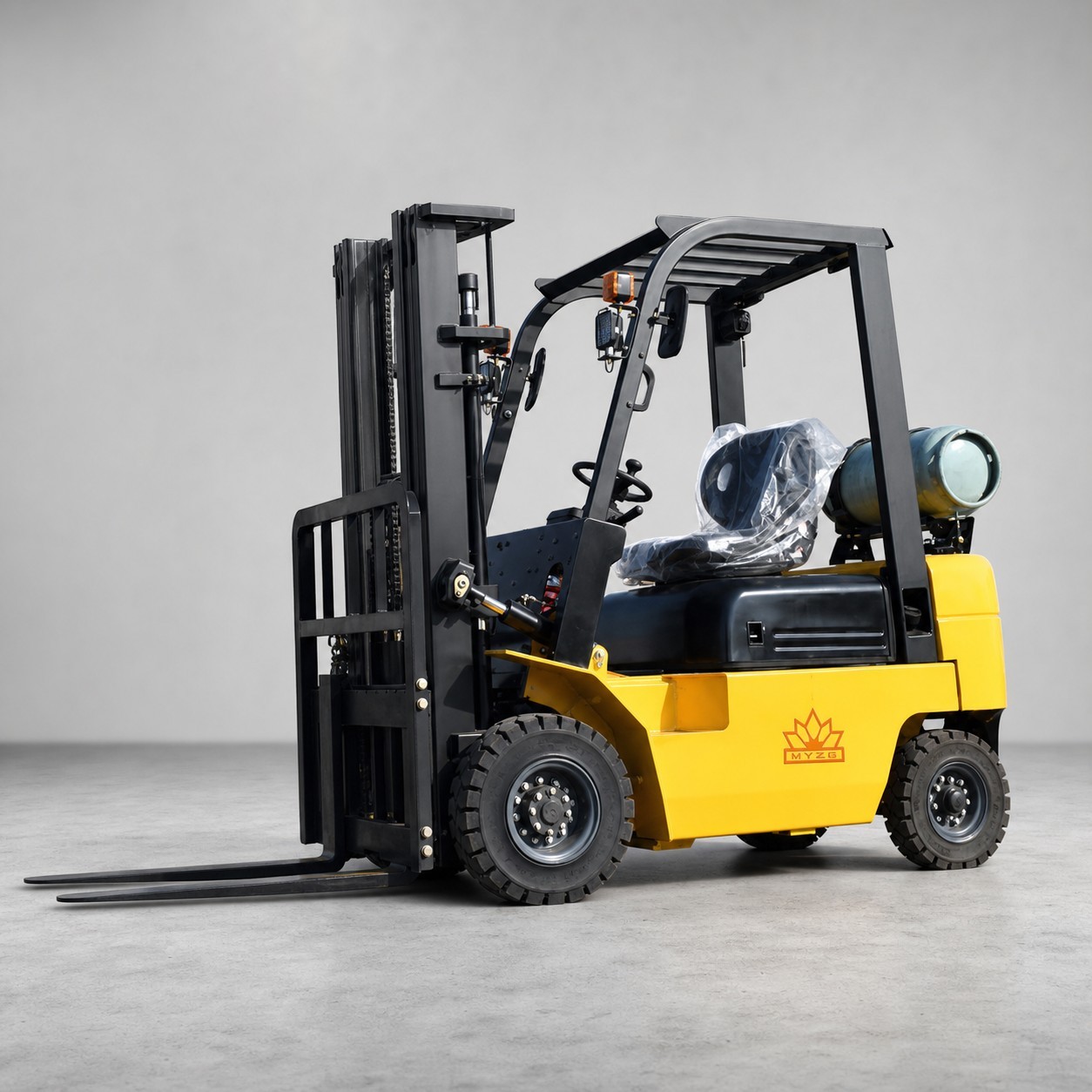
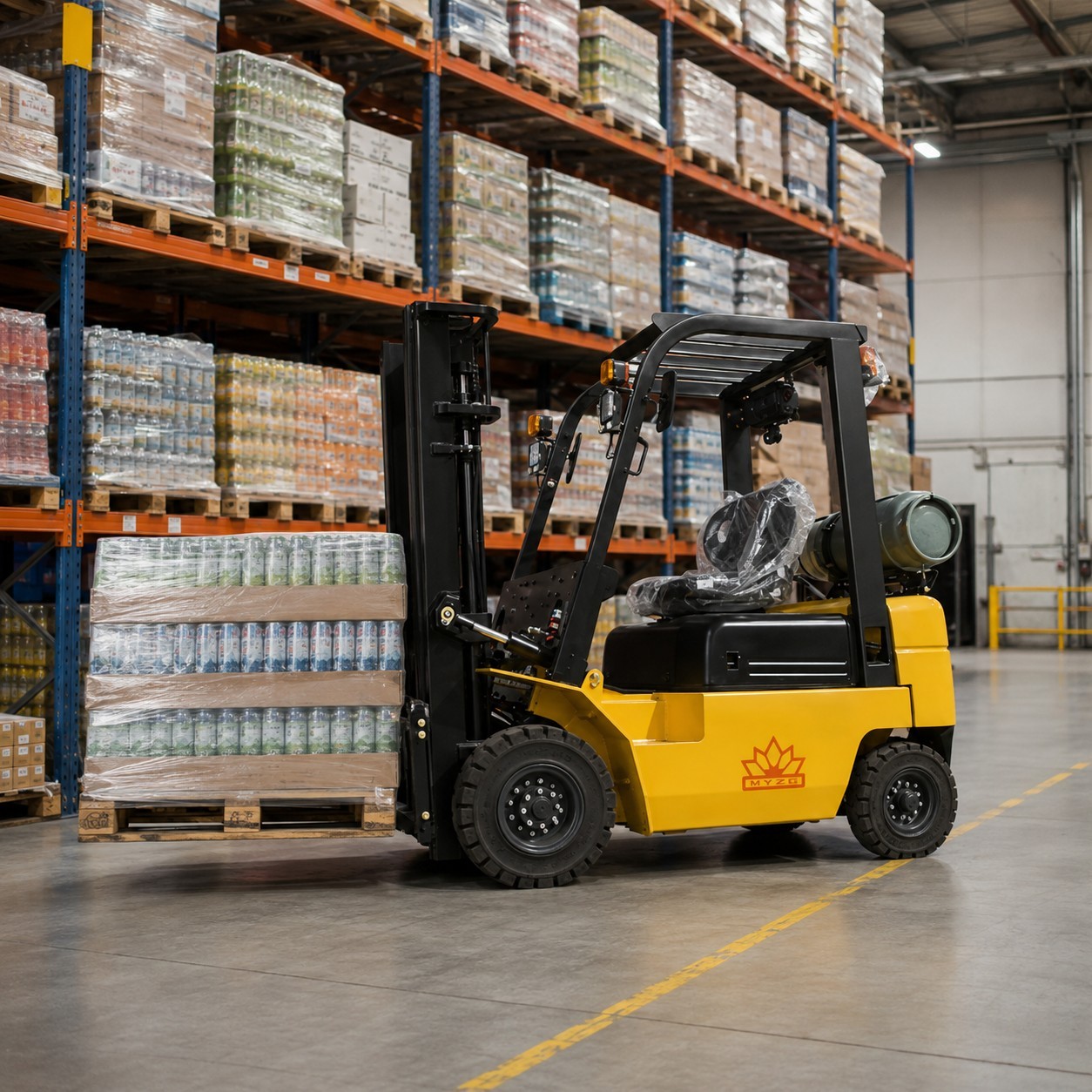
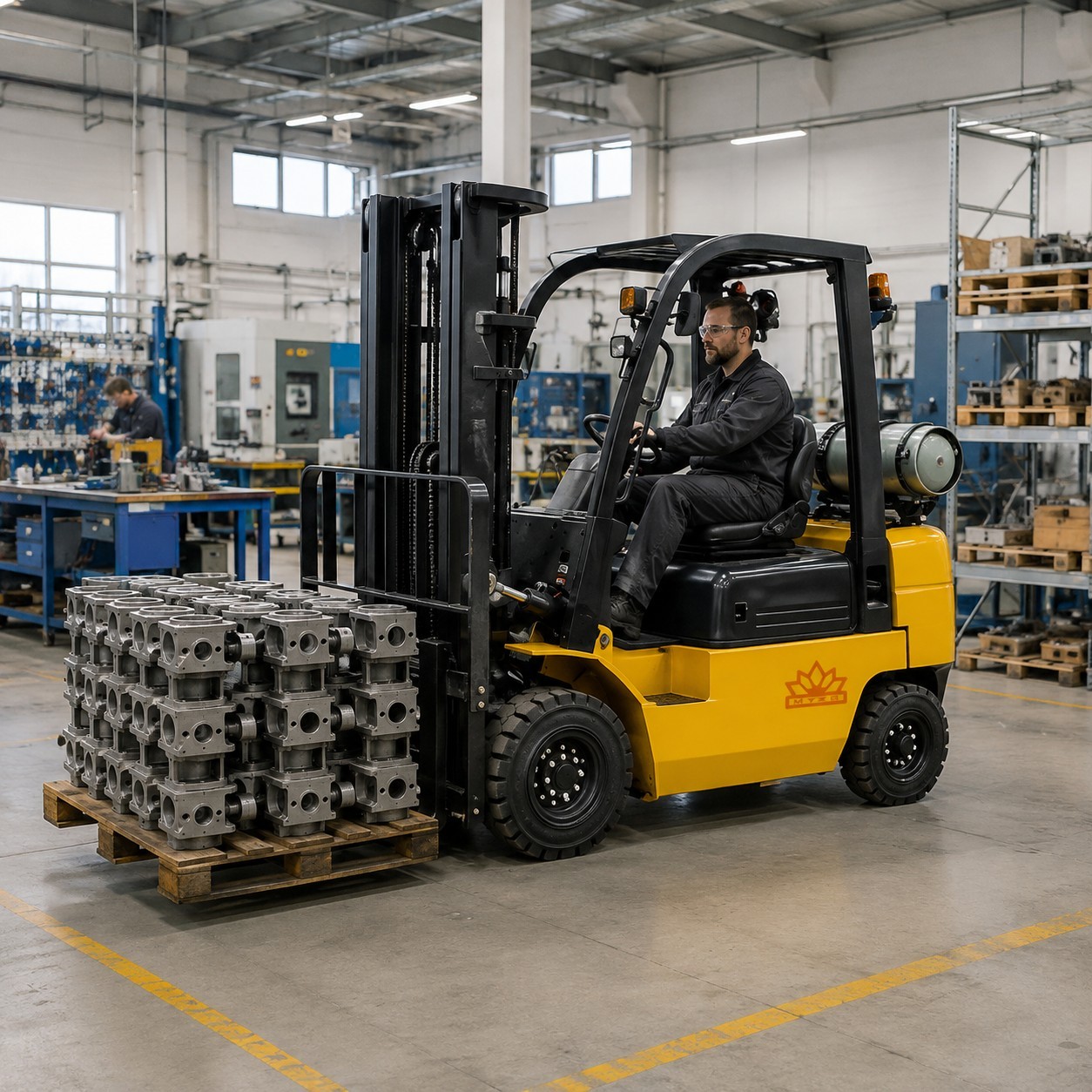
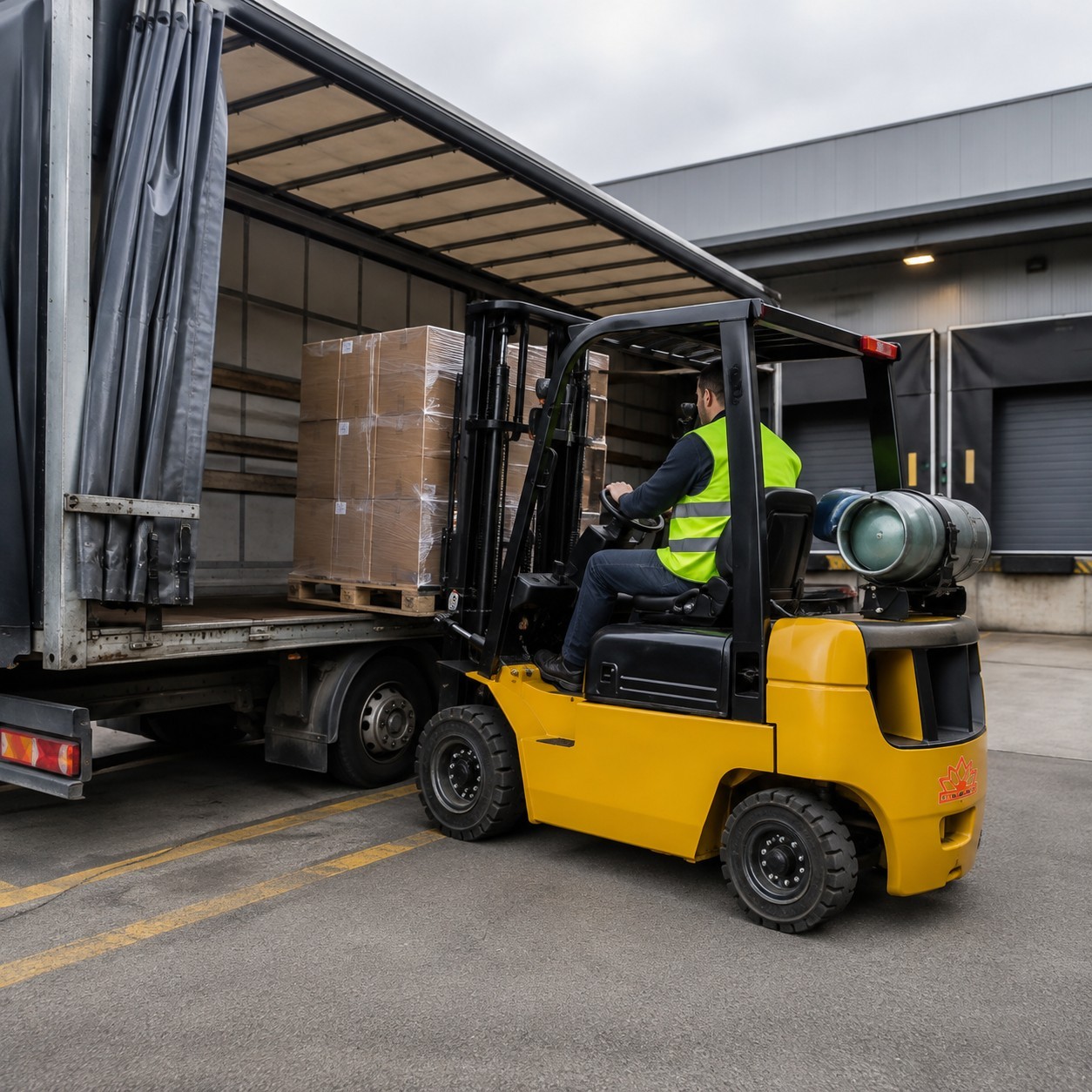
The CPY15-XR is a compact 1.5 ton LPG forklift developed for buyers who need one practical truck to move between ventilated warehouses, loading docks, production areas and paved yards. Rather than treating a forklift purchase as a list of isolated specifications, ZGFORKLIFT / MYZG starts with the actual job: load weight and dimensions, pallet type, lift height, aisle width, floor condition, door clearance, shift pattern, local fuel availability and destination-market requirements. This application-led approach helps customers choose a configuration that supports daily productivity without paying for options that do not solve a real operating problem.
A 1.5 ton LPG counterbalance forklift is often selected by distributors, food and beverage warehouses, light manufacturers, wholesale centers and logistics contractors that value quick refueling and flexible deployment. The rear-mounted LPG cylinder supports fast changeover when operating hours are difficult to schedule around charging. LPG operation does not remove the need for ventilation, emissions management or site-specific risk assessment; it simply provides a useful alternative where the customer has an appropriate fuel supply and operating environment. Buyers comparing fuel types can review our gasoline and LPG forklift range and discuss the duty cycle with our export team.
The first selection question is not only “How many tons?” A purchasing team should identify the heaviest routine load, occasional peak load, load-center distance, pallet overhang and any attachment that moves the load center forward. A nominal 1.5 ton capacity must always be checked against the final mast, lift height, attachment and load geometry. Long loads, unusually deep pallets and elevated handling can reduce usable residual capacity. Share drawings or photographs when the cargo is nonstandard so that the quotation can be reviewed against the real application.
Next, map the full travel route. Measure the narrowest aisle, smallest turning area, lowest doorway, steepest ramp, dock-plate transition and any rough joint in the floor. Note whether operators travel with pedestrian traffic, work near cold rooms or enter containers. These details guide tire choice, mast selection, lighting, mirrors, warning devices and other options. For mixed fleets or projects with different energy policies, compare the CPY15-XR with our electric forklift solutions before finalizing the purchase.
Warehouse replenishment: A regional distributor may need to unload inbound pallets, replenish ground-level picking locations and stage outbound orders. The purchasing priority is predictable maneuverability, good all-round visibility and an appropriate lowered mast height. The solution is to match mast and fork dimensions to the racking and doorways, then validate the turning route with the actual pallet footprint.
Truck and dock loading: A logistics operator may face short, intense loading windows and repeated direction changes. The customer needs responsive travel, controllable hydraulic movements and a maintenance plan that keeps the truck available. The solution includes checking dock capacity, trailer floor condition, overhead clearance, tire suitability and operator procedures before deployment.
Light manufacturing: Metal components, packaging materials and work-in-process pallets must often move between receiving, storage and production cells. Here the buyer should focus on load stability, attachment compatibility, visibility and traffic separation. Suitable forks, load backrest choices and approved accessories can be discussed through our forklift parts and attachment page.
Food and beverage distribution: Fast-moving consumer goods create repeated pallet cycles and busy aisles. The CPY15-XR can support these routes in properly ventilated facilities where LPG equipment is allowed. Site managers should define hygiene rules, cylinder storage, pedestrian zones and shift inspections as part of the operating plan.
A useful request for quotation should include rated load, maximum lift height, typical load center, pallet size, fork length, mast lowered-height limit, aisle width, ramp gradient, working surface, daily operating hours and destination country. Also state whether the forklift will work mainly indoors, outdoors or across both environments. Photos of doors, racks, docks and floor transitions help the supplier identify conflicts before production.
Ask for a written configuration summary rather than relying on a general product name. The quotation should identify the engine or fuel-system configuration, transmission arrangement, mast, forks, tires, operator-protection options, lights, alarms, documentation and spare-parts package applicable to the ordered machine. For frequently asked questions about project planning, visit our application solutions and forklift FAQ.
Total cost of ownership includes fuel consumption, scheduled service, tire wear, filters, ignition and fuel-system components, operator training, downtime exposure and local parts availability. A lower purchase price can become expensive if the truck is mismatched to ramps, loads or shift intensity. Buyers should compare proposals using the same duty profile and clarify what is included in packing, freight support, commissioning guidance and warranty communication.
Daily checks should cover forks, mast channels, chains, hoses, tires, wheel fasteners, brakes, steering, lights, horn, seat restraint and visible leaks. LPG cylinders, valves, hoses and connections require trained handling and inspection according to the operating manual and local rules. Cylinders must be stored and changed only in approved areas, away from ignition sources. Never operate an internal-combustion forklift in a space that lacks the ventilation and monitoring required by the site risk assessment.
Preventive maintenance should follow operating hours, environment and actual workload rather than a calendar alone. Dusty yards, frequent ramps, attachment use and repeated short-cycle work can change service needs. Record faults, fuel-system observations, impacts, tire damage and recurring hydraulic symptoms. The broader handling equipment service guide can help fleet managers organize inspection and maintenance responsibilities.
For dealers, a compact 1.5 ton LPG forklift can address customers whose work does not fit a single indoor-only or outdoor-only category. A strong sales process begins with an application survey, demonstrates safe maneuvering with a representative load and explains fuel storage and service expectations. Dealers can build recurring revenue around planned maintenance, fast-moving parts, operator familiarization and fleet replacement reviews rather than relying only on the initial equipment sale.
Shandong Zhuogong Machinery Equipment Co., Ltd. supports overseas cooperation through configuration review, production communication, inspection coordination, packing and loading information, documentation support and remote after-sales communication. For repeat-order programs, we can discuss parts planning, technician priorities, demonstration-machine configuration and market feedback. Learn more on our company profile.
Compliance must be matched to the destination, engine or fuel-system configuration and final ordered specification. CE, EPA and other requested documents are therefore reviewed during quotation instead of being assumed from a generic model description. Buyers should tell us the destination country and intended use early so that applicable documentation, labeling, manuals and packing requirements can be confirmed. This avoids unsupported claims and helps the importer prepare for local clearance and workplace obligations.
Export experience also matters after the specification is approved. Clear photo or video checkpoints, packing confirmation, loading coordination and an agreed service contact reduce communication gaps. Cooperation cases vary by market and application, so references and project examples should be discussed for relevance rather than presented as universal proof. Browse all material-handling products to build a coordinated fleet, or contact us for a project-specific recommendation.
Send the load weight and dimensions, lift height, aisle width, mast-height limit, working surface, shift hours, attachment needs and destination country. The ZGFORKLIFT / MYZG team will help evaluate whether this CPY15-XR 1.5 ton LPG forklift is suitable and identify the configuration questions that affect safety, productivity and ownership cost. Use our contact page for an export-project review.
Shandong Zhuogong Machinery Equipment Co., Ltd.
Address: Xiaqiu Town, Laizhou, Yantai City, Shandong Province, China
Telephone: +86-0535-2090977
Mobile: +86-13176910558
WhatsApp: +86-13181602336
Email: vip@mingyuforklift.com
Name: selena
Mobile:+86-13176910558
Tel:+86-0535-2090977
Whatsapp:8613181602336
Email:vip@mingyuforklift.com
Add:Xiaqiu Town, Laizhou, Yantai City, Shandong Province, China