vip@mingyuforklift.com
+86-0535-2090977

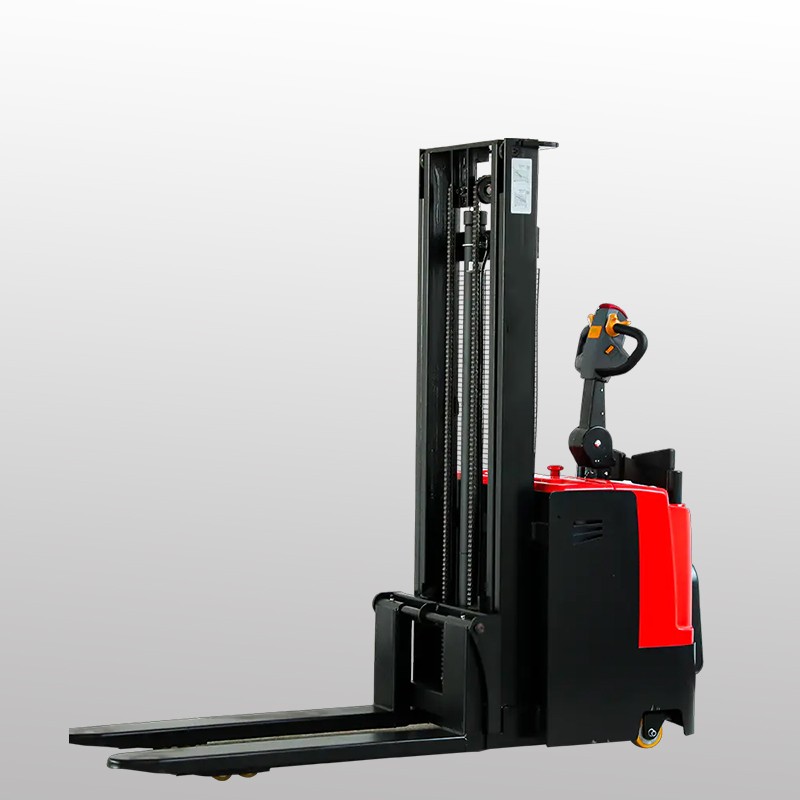
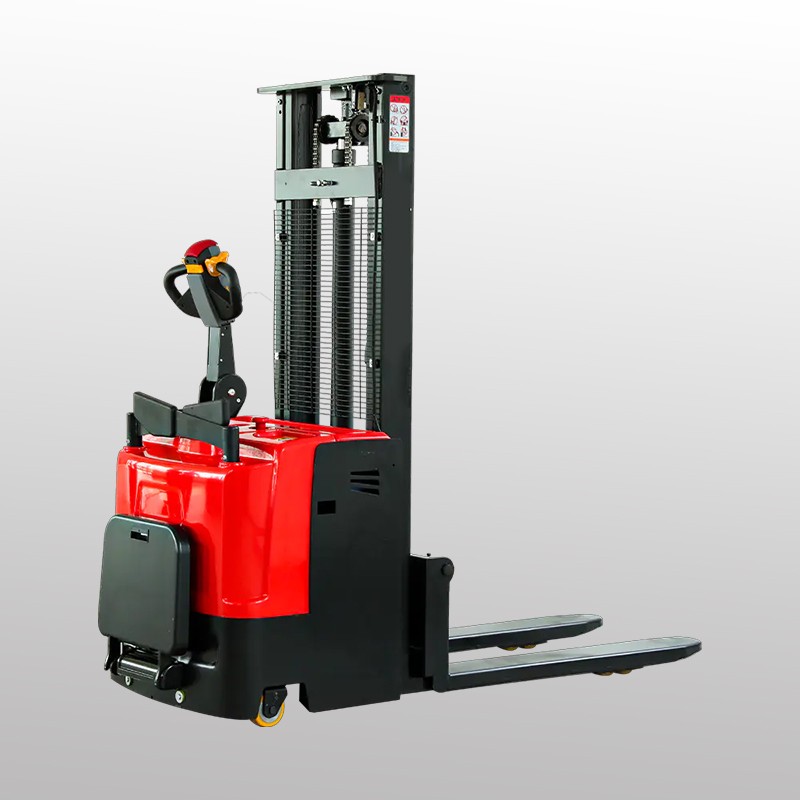
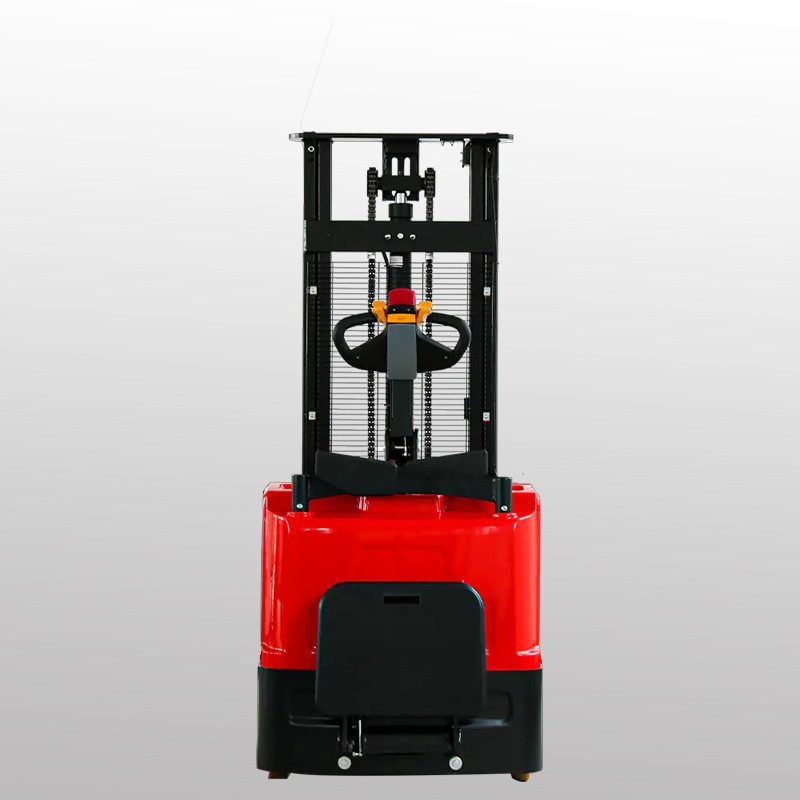
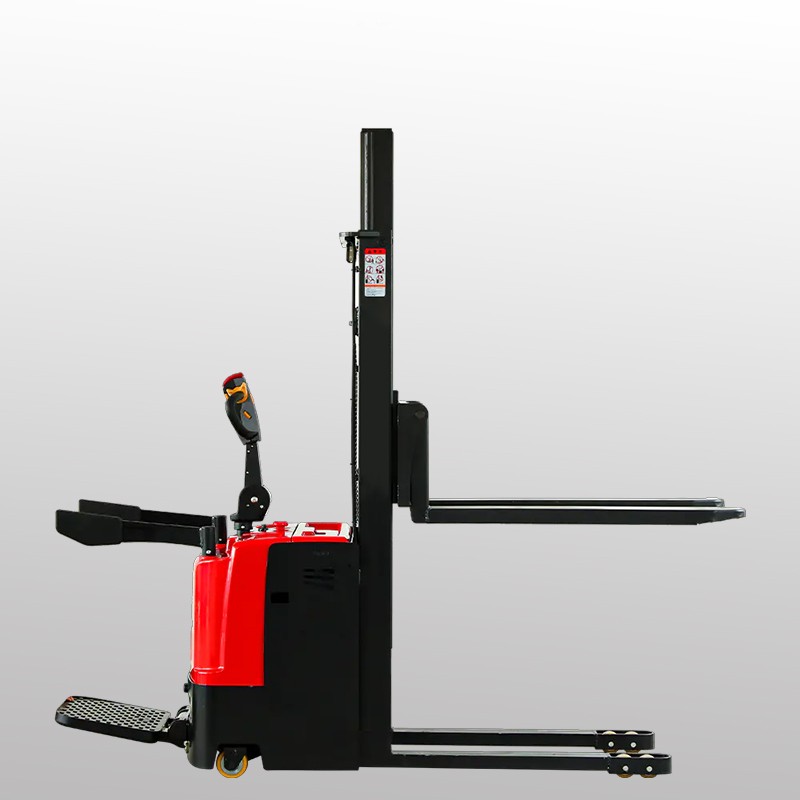
The CDD-D standing electric pallet stacker application for beverage and packaging logistics is based on the confirmed CDD15/20D family, covering 1,500 kg and 2,000 kg nominal classes depending on configuration. It is intended for moving palletized bottles, cans, cartons, containers and packaging materials between storage, production buffers and dispatch. ZGFORKLIFT / MYZG treats load density, pallet condition, liquid movement, floor contamination, route length, battery duty and service response as connected selection factors.
Beverage pallets can be dense, tall and sensitive to wrap condition. Record gross weight, dimensions, load center, stacking pattern, pallet openings and center of gravity. Include partial pallets, returned goods and empty packaging. Liquid movement and damaged wrap can affect stability. The final configuration must be approved against the actual load chart at the required lift height.
Map receiving, packaging supply, finished-goods storage and dispatch routes. Identify wet floors, drains, thresholds, dock approaches, blind corners and areas where broken glass, straps or wrap may appear. Correct housekeeping is part of the equipment solution because debris and moisture affect traction, braking and wheel life.
Review the stacker product category and the source MYCDD-D standing electric pallet stacker. A standing model may support longer internal runs; a walking stacker may suit short replenishment tasks. Counterbalanced equipment should be considered where support-leg clearance, ramps, dock operations or pallet design make a stacker unsuitable.
Capacity: weigh representative full pallets and confirm actual load centers. Do not estimate from carton count alone.
Pallet quality: inspect wet, broken and reusable pallets. Confirm fork entry and support-leg compatibility before purchase.
Surface: document wet areas, floor coatings, drains, joints and gradients. Match wheels, cleaning and speed rules to actual traction conditions.
Duty: calculate trips and lifts during production changeovers and dispatch peaks. Size the battery and charger using the worst planned shift.
Define maximum approved loads, travel height, speed zones, rack approaches, pedestrian crossings and spill response. Operators should travel smoothly, avoid abrupt turns and braking, and stop when wrapping or pallet condition is unsafe. Protect racks, columns and production equipment with layout controls; do not rely solely on driver skill.
The electric stacker operating guide offers general precautions. Buyers can also consult the pallet stacker overview. Always follow the delivered manual, workplace traffic plan and local training requirements.
Daily checks should cover forks, chains, mast, hoses, wheels, brakes, steering, horn, emergency controls, platform, battery restraint and connectors. Inspect for sticky product residue, moisture, corrosion, wrap and strapping. Remove affected equipment from service when a defect compromises control, lifting, stability or electrical safety.
Coordinate equipment cleaning with food or beverage sanitation procedures while protecting electrical components. Record inspection, lubrication, fork and chain condition, wheel wear and battery care. The parts and dealer support resource can help plan wear items. Use exact machine identification and photographs for parts requests.
Dealers should inspect representative loads, surfaces and rack locations before quoting. A trial should include full pallets, partial pallets and realistic wet-area controls. Handover should cover load stability, spill response, charging, parking, daily inspection and defect reporting. Fleet performance should be measured by productive moves, damage, energy use, service events and downtime.
For export configurations, confirm electrical supply, labeling, language and applicable documents. Request CE documentation for the exact supplied machine where required. EPA engine-emissions certification is generally not the applicable route for an electric stacker. No unsupported certificate, customer case or performance guarantee is claimed.
Compare formats through All Products. Send pallet weights and dimensions, lift heights, route measurements, wet-floor conditions, peak cycles, charging plan and destination. Contact Shandong Zhuogong Machinery Equipment Co., Ltd. at vip@mingyuforklift.com or +86-0535-2090977, or use the contact page. Reference “CDD-D beverage and packaging logistics.”
Name: selena
Mobile:+86-13176910558
Tel:+86-0535-2090977
Whatsapp:8613181602336
Email:vip@mingyuforklift.com
Add:Xiaqiu Town, Laizhou, Yantai City, Shandong Province, China
.188.1.jpg)