
vip@mingyuforklift.com
+86-0535-2090977

Introduction
The global cold chain logistics industry has experienced unprecedented growth in recent years, driven by expanding pharmaceutical distribution networks, increasing demand for frozen foods, and the rise of e-commerce grocery delivery. Within these sub-zero environments—where temperatures routinely plunge to -20°C (-4°F) and can reach as low as -40°C (-40°F)—material handling equipment faces challenges that fundamentally alter performance characteristics, safety margins, and operational economics. Selecting the right forklift for cold storage is not merely a procurement decision; it is a strategic investment that directly impacts throughput, inventory integrity, operator safety, and total cost of ownership.
This article examines the specialized requirements that distinguish cold storage forklifts from their ambient-temperature counterparts, exploring the technical adaptations necessary for reliable operation in freezing conditions. From battery chemistry and thermal management to hydraulic systems, operator ergonomics, and maintenance protocols, we provide a comprehensive framework for procurement professionals and facility managers navigating this demanding application.
The Sub-Zero Challenge: Understanding the Operating Environment
Cold storage facilities present a uniquely hostile environment for industrial equipment. Unlike outdoor winter operations, where equipment may experience intermittent cold exposure, cold storage forklifts operate continuously within temperature-controlled zones, never experiencing the thermal relief of ambient conditions. This sustained exposure creates cumulative stresses that affect every major subsystem.
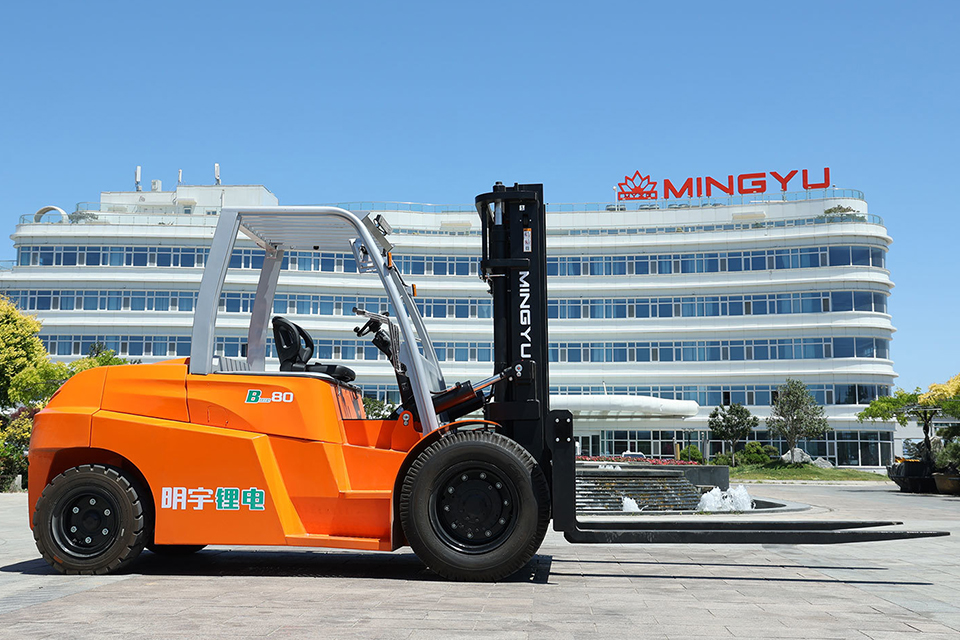
The primary challenges include reduced battery capacity and charging efficiency, thickened hydraulic fluids that impede lifting mechanisms, compromised traction on frost-covered floors, accelerated seal degradation, and condensation-induced corrosion during temperature transitions. Additionally, the physiological demands on operators—cold-induced fatigue, reduced dexterity, and impaired concentration—create safety risks that must be addressed through equipment design.
According to industry data, unplanned forklift downtime in cold storage operations can cost facilities up to $10,000 per hour, making equipment reliability not merely a convenience but a critical business imperative.
Power Systems: The Battery Revolution
The Lead-Acid Limitation
Traditional lead-acid batteries, long the workhorse of material handling, suffer catastrophic performance degradation in sub-zero environments. At 0°C (32°F), a fully charged lead-acid battery delivers only approximately 75% of its room-temperature capacity; at -18°C (0°F), this drops to roughly 40%. The phenomenon stems from increased electrolyte viscosity and resistance, which retard ion diffusion through the active material pores.
Beyond capacity loss, lead-acid batteries present operational complications unique to cold storage. Charging acceptance is severely impaired below 15°C (60°F), necessitating heated charging rooms—a significant infrastructure investment. Furthermore, discharged batteries risk electrolyte freezing if exposed to extreme cold for extended periods, potentially causing irreversible cell damage. The "thaw time" required to warm batteries before charging represents unproductive downtime that directly erodes operational efficiency.
Lithium-Ion: The Cold Storage Standard
Modern lithium-ion batteries, particularly those utilizing Lithium Iron Phosphate (LiFePO₄) chemistry, have emerged as the definitive solution for cold storage applications. These advanced power systems maintain up to 90% of rated capacity at -20°C, a dramatic improvement over lead-acid alternatives.
The advantages extend beyond capacity retention. Lithium-ion batteries support rapid charging—typically achieving full charge in 1 to 3 hours compared to 8 to 12 hours for lead-acid—enabling opportunity charging during operator breaks without removing the forklift from the cold environment. This capability eliminates thaw time entirely and maximizes equipment availability. With cycle lives of 3,000 to 5,000 charges (compared to 1,000 to 1,500 for lead-acid), lithium batteries deliver substantially lower total cost of ownership despite higher initial capital expenditure.
Integrated Thermal Management
Achieving reliable lithium-ion performance in extreme cold requires sophisticated thermal management. Leading cold storage battery systems incorporate integrated heating elements and intelligent Battery Management Systems (BMS) that actively regulate cell temperature. These systems preheat batteries to optimal operating ranges (typically 25°C to 45°C) before charging commences, preventing lithium plating—a dangerous condition where metallic lithium deposits on the anode surface, causing permanent capacity loss and safety hazards.
Advanced preheating technologies can raise battery temperature from -40°C to restore 80% of room-temperature discharge capacity in as little as 15 minutes. The BMS continuously monitors voltage, current, and temperature across individual cells, performing automatic cell balancing to maximize pack capacity and longevity. Cloud-connected systems enable remote diagnostics and predictive maintenance, further enhancing fleet reliability.
Hydraulic and Mechanical Systems: Cold-Adapted Engineering
Hydraulic Fluid Specifications
Standard hydraulic fluids thicken significantly at sub-zero temperatures, increasing system resistance and compromising the precision of lifting and tilting operations. Cold storage forklifts require hydraulic fluids specifically formulated for low-temperature viscosity maintenance—typically synthetic or multi-grade formulations rated for operation down to -40°C.
Beyond fluid selection, cold-adapted hydraulic systems incorporate pre-heating circuits or reservoir heaters that maintain fluid temperature within operational parameters. Seal materials must be specified for low-temperature flexibility; standard nitrile rubber becomes brittle below -20°C, while fluorocarbon (Viton) or specialized hydrogenated nitrile (HNBR) compounds retain elasticity in extreme cold.
Mast and Lifting Mechanisms
High-racking cold storage warehouses demand masts engineered for thermal stress. Cold-rated designs feature reinforced chains and rollers that withstand freezing-related contraction and brittleness. Chain lubricants must be specified for low-temperature performance to prevent seizing and accelerated wear. Mast channel clearances are often adjusted to account for thermal contraction, ensuring smooth operation across the full lift height.
For facilities with ceiling heights exceeding 10 meters, reach trucks with cold-rated masts provide the maneuverability and lift capacity necessary for dense storage configurations. These specialized machines require enhanced stability systems and load moment sensors calibrated for cold-weather operation.
Traction and Mobility
Cold storage floors present unique traction challenges. Condensation from temperature differentials creates frost and ice films that compromise grip. Standard pneumatic tires suffer from reduced crack resistance and traction in freezing conditions; solid tires or specialized siped designs—with additional grooves and cuts that enhance grip on slippery surfaces—are preferred for cold storage applications.
Drive systems must compensate for reduced motor efficiency at low temperatures. Advanced controllers with cold-weather torque compensation algorithms maintain consistent acceleration and lifting performance regardless of thermal conditions.
Operator Environment: Safety and Ergonomics
Cabin Design and Climate Control
Operator comfort in cold storage is not a luxury—it is a safety and productivity imperative. Cold-induced fatigue, stiffness, and reduced manual dexterity increase error rates and accident risk. Modern cold storage forklifts feature fully enclosed, heated operator compartments with insulated cabins that maintain comfortable working temperatures even in -40°C ambient conditions.
Heated windshields and mirrors prevent fogging and frost buildup, which are persistent hazards caused by temperature differentials between freezer zones and transitional areas. LED lighting systems provide bright, energy-efficient illumination that performs reliably in cold environments, improving visibility in dimly lit freezer aisles.
Controls are designed for gloved operation, with large, tactile buttons and displays that remain readable at low temperatures. Ergonomic seating with lumbar support and adjustable positioning reduces physical strain during extended shifts.
Safety Systems
Cold storage forklifts incorporate enhanced safety features including audible alerts, backup alarms, and proximity sensors that compensate for reduced visibility and operator reaction times. Speed-limiting systems automatically reduce travel speeds in corners and congested areas. Hill-holding protection and overload protection prevent incidents on frosted ramps and during high-reach operations.
Electrification and Emissions Considerations
Cold storage facilities impose strict indoor emission limits, effectively eliminating internal combustion forklifts from most applications. Electric forklifts with zero emissions are the standard, with lithium-ion systems offering particular advantages in energy efficiency—typically 30% more efficient than lead-acid and 88% more efficient than diesel alternatives.
The elimination of battery watering, acid spill cleanup, and ventilation requirements associated with lead-acid technology further enhances the suitability of lithium-ion systems for food and pharmaceutical cold chains, where contamination risks must be minimized.
Maintenance Protocols for Sub-Zero Operation
Cold environments accelerate component wear while potentially masking early failure indicators. Maintenance protocols for cold storage equipment require specific adaptations:
Fluid Management: Cold-rated hydraulic fluids and lubricants must be used exclusively, with more frequent analysis for contamination and viscosity degradation.
Seal and Hose Inspection: Rubber components require accelerated replacement schedules due to low-temperature embrittlement. Visual inspections should focus on cracking, hardening, and leakage at connection points.
Battery System Care: While lithium-ion batteries are largely maintenance-free, BMS diagnostics should be reviewed regularly to identify cell imbalances or thermal management anomalies.
Condensation Management: Equipment transitioning between cold zones and ambient areas experiences condensation that accelerates corrosion. Scheduling maintenance during warmer periods or within heated service bays extends equipment lifespan.
Configuration Selection: Matching Equipment to Application
Cold storage operations possess individual characteristics requiring tailored solutions. Key selection criteria include:
Temperature Range: Equipment specifications must match the facility's operating envelope. Standard cold storage modifications suit -20°C environments, while deep-freeze applications at -40°C require specialized battery heating systems and component specifications.
Aisle Configuration: Narrow-aisle high-racking warehouses demand reach trucks with cold-rated masts, while wider aisles may accommodate counterbalance forklifts with enhanced stability systems.
Throughput Requirements: Multi-shift operations benefit most from lithium-ion opportunity charging, while single-shift applications may justify different economic models.
Load Characteristics: Frozen product weights, pallet dimensions, and stacking heights influence mast selection, attachment requirements, and stability system calibration.
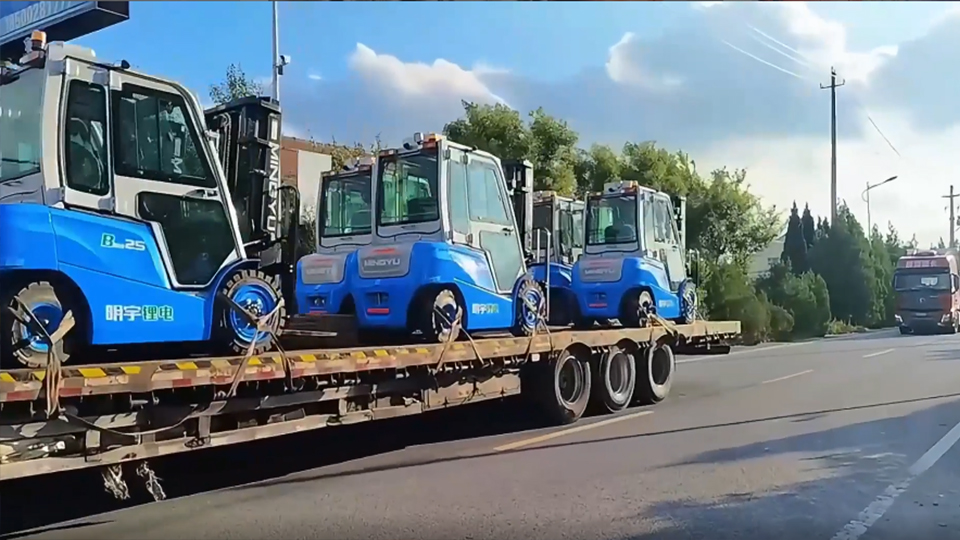
Economic Analysis: Total Cost of Ownership
While specialized cold storage forklifts command premium pricing, the total cost of ownership analysis strongly favors modern lithium-ion equipped machines. Key economic drivers include:
Elimination of Thaw Time: Direct productivity gains from continuous operation without battery warming delays
Reduced Maintenance Labor: Virtually maintenance-free lithium batteries eliminate watering, cleaning, and rotation labor
Extended Battery Lifespan: 3,000–5,000 cycle life versus 1,000–1,500 for lead-acid
Energy Efficiency: 30–40% reduction in electricity consumption
Infrastructure Savings: Elimination of heated charging rooms and ventilation systems
Space Reclamation: Battery rooms converted to revenue-generating storage space
For multi-shift operations, lithium-ion batteries typically achieve ROI within 36 months; for single-shift applications, the payback period extends to approximately 5 years.
Emerging Technologies and Future Directions
The cold storage forklift market continues to evolve rapidly. Hydrogen fuel cell technology offers potential advantages for very large fleets with centralized fueling infrastructure, though current adoption remains limited by infrastructure costs. Automated Guided Vehicles (AGVs) and Autonomous Mobile Robots (AMRs) are increasingly deployed in cold storage, eliminating operator exposure to harsh conditions while enabling 24/7 operation.
Advanced telematics and AI-driven fleet management systems optimize battery charging schedules, predict maintenance requirements, and coordinate equipment deployment to maximize throughput. These digital tools are particularly valuable in cold storage, where equipment availability directly impacts temperature-sensitive inventory integrity.
Conclusion
Selecting forklifts for sub-zero environments demands a holistic approach that transcends standard procurement criteria. The transition from lead-acid to lithium-ion battery technology represents the most significant advancement in cold storage material handling, delivering reliable power, rapid charging, and extended service life in freezing conditions. However, battery technology is only one component of a comprehensive cold storage solution.
Successful procurement requires careful evaluation of hydraulic system specifications, traction and mobility adaptations, operator comfort and safety features, and maintenance protocols tailored to sub-zero operation. The economic case for premium cold storage equipment is compelling when analyzed through total cost of ownership, particularly for multi-shift operations where uptime and productivity are paramount.
As cold chain logistics continues to expand globally, facilities that invest in appropriately specified material handling equipment will achieve competitive advantages through higher throughput, lower operational costs, and superior inventory protection. The forklift selected for a cold storage application is not merely a piece of equipment—it is a critical enabler of the entire cold chain's reliability and efficiency.
Name: selena
Mobile:+86-13176910558
Tel:+86-0535-2090977
Whatsapp:8613181602336
Email:vip@mingyuforklift.com
Add:Xiaqiu Town, Laizhou, Yantai City, Shandong Province, China
