
vip@mingyuforklift.com
+86-0535-2090977

Introduction
The chemical industry operates within some of the most hazardous environments in modern manufacturing. Facilities routinely handle flammable gases, volatile vapors, combustible dusts, and corrosive substances that create potentially explosive atmospheres. In these settings, material handling equipment represents a critical ignition risk. According to the National Fire Protection Association, approximately 3,700 industrial fires occur annually in the United States, with a significant portion originating in chemical processing and storage facilities. Within this context, explosion-proof forklifts serve as essential tools for safe logistics operations, but their effectiveness depends entirely on rigorous maintenance protocols and strict adherence to international safety standards.
This article provides a comprehensive examination of explosion-proof forklift maintenance practices, relevant safety standards, and operating procedures specifically tailored for chemical industry applications. Understanding these requirements is not merely a matter of regulatory compliance—it is fundamental to protecting human lives, preserving critical infrastructure, and ensuring operational continuity in environments where a single spark can trigger catastrophic consequences.
Understanding Explosion-Proof Forklift Technology
Design Principles and Ignition Source Control
Explosion-proof forklifts are engineered to eliminate or contain potential ignition sources that could trigger fires or explosions in hazardous atmospheres. Unlike standard industrial trucks, these specialized machines incorporate multiple layers of protection designed to address the unique challenges posed by flammable materials.
The primary design modifications include explosion-proof motors and controllers, sealed electrical enclosures, anti-spark mechanical components, and specialized exhaust systems. Electric models utilize sealed motors and explosion-proof battery systems, while internal combustion variants incorporate exhaust gas cooling, flame arrestors, and spark arrestors with automatic engine shutdown capabilities. All electrical components are housed within flameproof enclosures that can withstand internal explosions without transmitting flames to the external atmosphere.
Surface temperature control represents another critical design consideration. Components that could reach elevated temperatures—including engines, motors, brakes, and electrical systems—are monitored and limited to remain below the auto-ignition temperatures of the specific flammable materials present in the operating environment. This temperature classification system, known as T-class ratings, ensures compatibility between equipment and hazardous materials.
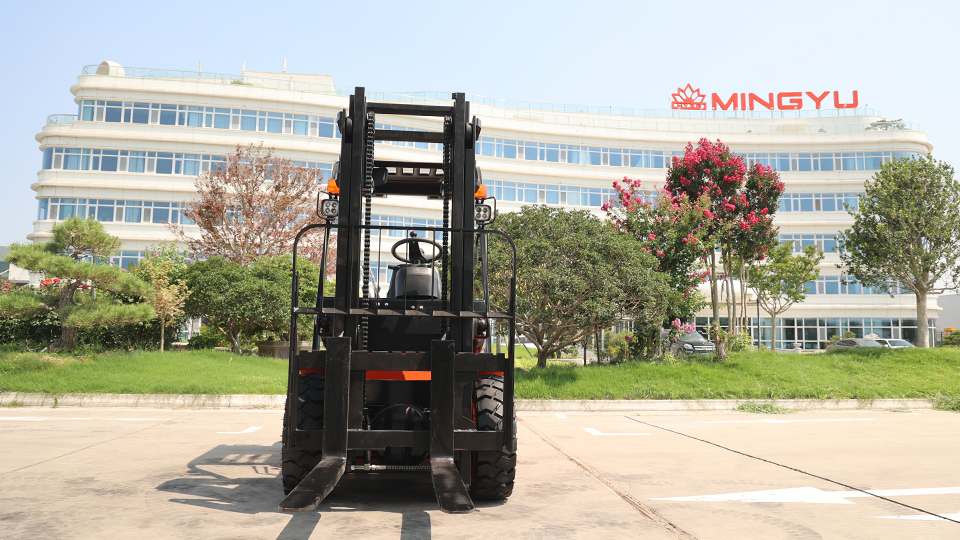
Static electricity management has gained increased attention following updates to European standards. Current requirements mandate anti-static properties for seats, armrests, cabin sides, and other externally accessible plastic components. Tire conductivity to earth must be maintained through either conductive tires or grounding straps, with the configuration clearly marked on the chassis. These measures address the recognition that static discharge during normal operation constitutes a significant ignition risk in Zone 2 classified areas.
International Standards and Certification Frameworks
The regulatory landscape governing explosion-proof equipment encompasses several overlapping international standards, each addressing specific regional requirements while sharing common technical foundations. Understanding these frameworks is essential for chemical industry professionals responsible for equipment selection, maintenance, and compliance.
The ATEX Directive (2014/34/EU) establishes the European regulatory framework for equipment intended for use in potentially explosive atmospheres. ATEX certification requires comprehensive testing and documentation, with equipment classified according to the zone in which it may operate. Zone 1 (gas) and Zone 21 (dust) classifications indicate areas where explosive atmospheres are likely to occur during normal operation, requiring Category 2G or 2D equipment. Zone 2 (gas) and Zone 22 (dust) classifications apply to areas where explosive atmospheres are not likely to occur but may persist for short periods, utilizing Category 3G or 3D equipment.
The IECEx system provides an international certification scheme based on IEC 60079 standards, facilitating global trade while maintaining rigorous safety requirements. IECEx certification is recognized across numerous jurisdictions and is increasingly specified for multinational chemical operations seeking standardized equipment specifications.
In North America, the NEC (National Electrical Code) and CSA standards govern hazardous area equipment, utilizing a classification system based on Class, Division, and Group designations. While conceptually different from the ATEX/IECEx zone system, these standards address equivalent safety considerations through different regulatory mechanisms.
For forklift-specific applications, EN 1755:2015 governs the safety requirements and verification of industrial trucks operating in potentially explosive atmospheres. This standard establishes detailed technical requirements for explosion-protected forklifts, including performance requirements for safety control systems that must achieve Performance Level PLc (per EN 13849) or SIL 1. The standard also mandates strengthened sealing performance for restricted breathing enclosures and more detailed assessment of non-electrical components such as pumps and transmissions.
Maintenance Protocols for Explosion-Proof Forklifts
Pre-Operational Inspection Procedures
Every shift must begin with a comprehensive pre-operational inspection that extends beyond standard forklift checks to address explosion-specific safety features. This inspection protocol serves as the first line of defense against equipment failures that could compromise explosion protection.
The inspection should systematically evaluate the integrity of explosion-proof enclosures, verifying that all covers, seals, and fasteners are properly installed and undamaged. Any missing or damaged enclosure components must result in immediate equipment removal from service, as the enclosure's ability to contain internal explosions depends on complete structural integrity. Special attention should be given to explosion-proof junction boxes, ensuring seals remain intact and preventing flammable gas ingress.
Electrical system inspection encompasses verification of wiring harness condition, connector integrity, and the functionality of all safety devices. Battery systems require particular scrutiny, with checks for proper electrolyte levels, terminal condition, and enclosure sealing. Explosion-proof batteries must maintain their certified configuration; any modifications or substitutions with non-certified components invalidate the entire protection system.
Mechanical components require inspection for wear, damage, or corrosion that could compromise explosion protection. Forks and load handling attachments should be examined for cladding integrity, as stainless steel cladding provides spark protection during material contact. Brake systems must be evaluated for proper function and temperature performance, as overheating brakes represent a potential ignition source.
The inspection must also verify the functionality of gas detection systems on Zone 2 equipment. These systems continuously monitor the operating environment and automatically shut down equipment when flammable gas concentrations exceed safe thresholds. Testing should confirm proper sensor operation, alarm functionality, and automatic shutdown response.
Documentation of all pre-operational inspections must be maintained as part of the equipment's safety record, providing traceability and supporting regulatory compliance audits.
Scheduled Maintenance Intervals
Beyond daily inspections, explosion-proof forklifts require structured maintenance programs with intervals determined by operating hours, calendar time, and manufacturer specifications. These scheduled maintenance activities address component wear, environmental degradation, and the specialized requirements of explosion protection systems.
Monthly maintenance should include comprehensive explosion protection performance verification by qualified personnel. This encompasses calibration of gas detection systems, testing of automatic shutdown sequences, and verification of surface temperature limitations. Electrical insulation resistance testing confirms that wiring and components maintain adequate isolation to prevent short circuits that could generate sparks.
Quarterly maintenance activities typically include more extensive component inspection and replacement of wear items. Hydraulic system seals, gaskets, and hoses require examination for chemical degradation, as corrosive vapors accelerate material aging. The hydraulic oil should be analyzed for contamination and chemical compatibility, with replacement intervals potentially shortened in aggressive chemical environments.
Annual maintenance represents the most comprehensive service interval, incorporating complete explosion protection system recertification where required by regulation. This includes detailed inspection of all explosion-proof enclosures for cracks, corrosion, or mechanical damage that could compromise protection integrity. Electrical components undergo thorough testing, and mechanical systems receive complete overhaul as indicated by condition assessment.
The maintenance program must utilize only certified replacement parts that maintain the equipment's original explosion protection rating. Substitution with non-certified components, even if functionally equivalent, invalidates the safety certification and potentially creates liability exposure. Maintenance providers must maintain detailed records of all parts used, services performed, and personnel qualifications.
Specialized Maintenance Considerations
Chemical industry environments impose additional maintenance challenges beyond standard explosion protection requirements. Corrosive atmospheres accelerate degradation of protective coatings, electrical insulation, and structural components. Maintenance programs must incorporate enhanced corrosion protection measures, including more frequent application of protective coatings and accelerated replacement schedules for vulnerable components.
Hydraulic systems in chemical environments require particular attention, as hydraulic oil leaks create both slip hazards and potential fire risks when flammable fluids contact hot surfaces. Daily leak checks should be supplemented by regular system pressure testing and seal replacement. The use of fire-resistant hydraulic fluids should be evaluated for applications where leak consequences are particularly severe.
Battery maintenance in explosion-proof configurations requires specialized procedures that maintain enclosure integrity while ensuring proper charging and electrolyte management. Charging operations must occur in designated areas with appropriate ventilation and explosion protection, following manufacturer specifications precisely. The introduction of lithium iron phosphate (LiFePO4) battery technology has simplified some maintenance requirements through elimination of electrolyte management, but these systems still require monitoring of battery management system functionality and thermal management performance.
Tire maintenance extends beyond standard wear evaluation to include verification of anti-static properties and conductivity. Conductive tires must maintain their electrical properties throughout their service life, with replacement required if conductivity degrades below specified thresholds. Tire cleaning protocols must remove chemical residues that could affect electrical properties while avoiding cleaning agents that degrade rubber compounds.
Operating Procedures in Hazardous Environments
Zone Classification and Equipment Selection
Safe operation begins with proper matching of equipment capabilities to environmental hazards. Chemical facilities must maintain accurate classification of all areas where explosion-proof forklifts operate, with clear demarcation of zone boundaries and associated equipment requirements.
Zone 1 areas, where explosive atmospheres are likely during normal operation, require Category 2G equipment with the highest level of protection. These areas typically include process vessels, reactor rooms, and active transfer points where flammable materials are routinely present. Equipment operating in Zone 1 must incorporate comprehensive explosion protection, including flameproof enclosures for all potential ignition sources and surface temperature limitations verified under worst-case operating conditions.
Zone 2 areas, where explosive atmospheres are not likely but may occur briefly, permit Category 3G equipment with gas detection and automatic shutdown capabilities. These areas include storage zones, loading docks, and peripheral process areas where flammable materials may be present but are not routinely released. The gas detection system provides an additional safety layer by monitoring atmospheric conditions and initiating protective shutdowns when necessary.
Zone 21 and 22 classifications apply to combustible dust environments, requiring Category 2D or 3D equipment with dust ignition protection. Chemical facilities handling powdered materials, including pharmaceuticals, pigments, and catalysts, must ensure equipment compatibility with dust explosion hazards through appropriate enclosure ratings and surface temperature limitations.
Safe Operating Practices
Operators of explosion-proof forklifts must adhere to procedures that extend beyond standard forklift safety protocols to address the specific hazards of explosive atmospheres. These procedures begin with mandatory personal protective equipment, including anti-static clothing, gloves, and footwear that prevent static charge accumulation on the operator's body.
Speed limitations are critical in hazardous areas, with maximum speeds established to minimize friction, collision risks, and static generation. Emergency braking, sharp turns, and violent lifting operations are prohibited, as these maneuvers can generate sparks through mechanical contact, spill hazardous materials, or create static discharges. Load handling must utilize specialized pallets and anti-leakage trays that prevent direct contact and splashing of hazardous materials.
Operational awareness includes continuous monitoring of environmental conditions and gas detection system alerts. Operators must understand automatic shutdown procedures and evacuation protocols when gas detection systems activate. Communication systems used in hazardous areas must themselves be explosion-protected, with radio equipment meeting appropriate certification requirements.
Refueling and battery charging operations require particular attention, as these activities introduce additional ignition risks. Fuel filling must occur outdoors or in designated areas with appropriate ventilation and explosion protection. Battery charging requires dedicated charging rooms with explosion-rated ventilation systems, or the use of certified pressurized chargers that permit charging within hazardous zones. The introduction of lithium battery systems with integrated energy management has enabled charging capabilities within Zone 1 and Zone 2 areas when utilizing certified charging equipment, eliminating the need for separate charging rooms in some applications.
Emergency Response Procedures
Despite comprehensive prevention measures, emergency response capabilities must be maintained for potential incidents involving explosion-proof forklifts. These procedures address equipment failures, atmospheric releases, and accident scenarios that could compromise safety.
Equipment malfunction in hazardous areas requires immediate shutdown and isolation. Operators must be trained to recognize abnormal conditions—including unusual noises, temperature elevations, or gas detection alerts—that indicate potential protection system compromise. Equipment must not be restarted following automatic shutdown until qualified personnel have investigated and cleared the cause.
Spill response procedures must address both the hazardous material release and potential equipment contamination. Forklifts exposed to corrosive chemicals require immediate cleaning with neutral agents to prevent accelerated degradation of protective systems. Electrical components exposed to chemical vapors or liquids must be inspected for damage before return to service.
Fire and explosion emergency protocols must integrate explosion-proof forklift operations with facility-wide response systems. While explosion-proof design prevents equipment from initiating incidents, forklifts may be involved in secondary events or require evacuation from affected areas. Operators must understand their roles in facility emergency response plans and maintain communication with control room personnel during incidents.
Training and Competency Requirements
Operator Certification
Personnel authorized to operate explosion-proof forklifts in chemical industry environments must demonstrate competency beyond standard forklift operator certification. Training programs must address hazardous area awareness, explosion protection principles, and the specific characteristics of certified equipment.
Core competencies include understanding of zone classification systems, recognition of hazardous atmosphere indicators, and proper response to gas detection alarms. Operators must demonstrate proficiency in pre-operational inspection procedures specific to explosion protection features, including verification of enclosure integrity and safety system functionality.
Practical training should include operation under simulated hazardous conditions, with emphasis on speed control, smooth maneuvering, and load handling techniques that minimize ignition risks. Refresher training must occur at regular intervals, with additional training required when equipment types, operating areas, or hazard classifications change.
Maintenance Technician Qualifications
Maintenance personnel servicing explosion-proof forklifts require specialized training in explosion protection principles and certified repair procedures. Technicians must understand the technical basis for protection methods—including flameproof enclosures, intrinsic safety, and surface temperature limitation—to ensure maintenance activities preserve rather than compromise safety systems.
Certification requirements vary by jurisdiction but typically include completion of manufacturer-specific training programs and demonstration of competency through practical examination. Technicians must maintain awareness of evolving standards, including updates to EN 1755, ATEX directives, and IEC standards that may affect maintenance procedures or component requirements.
Documentation and Compliance Management
Record Keeping Requirements
Comprehensive documentation supports both safety management and regulatory compliance for explosion-proof forklift operations. Required records include equipment certification documents, maintenance histories, inspection checklists, and operator training records.
Equipment files must contain original ATEX, IECEx, or applicable certification documentation, including the equipment's protection concept, zone suitability, and temperature classification. These documents establish the baseline configuration against which maintenance activities are evaluated and modifications are assessed.
Maintenance records must detail all service activities, including dates, personnel, parts used, and test results. This documentation supports predictive maintenance programs, demonstrates compliance with scheduled maintenance requirements, and provides evidence of proper repair practices during regulatory inspections.
Incident and near-miss reporting systems must capture events involving explosion-proof forklifts, including gas detection activations, automatic shutdowns, and equipment damage. Analysis of these events informs continuous improvement of maintenance programs and operating procedures.
Regulatory Compliance and Auditing
Chemical industry facilities utilizing explosion-proof forklifts must maintain compliance with multiple regulatory frameworks, including equipment safety directives, workplace safety regulations, and environmental requirements. Regular internal audits should verify that maintenance programs, operating procedures, and documentation systems meet applicable standards.
Third-party inspection and recertification may be required at defined intervals, depending on jurisdiction and equipment classification. These independent assessments provide objective verification of explosion protection system integrity and identify potential compliance gaps before regulatory inspections.
Conclusion
Explosion-proof forklift maintenance in the chemical industry represents a critical safety discipline that integrates international standards, specialized technical knowledge, and rigorous operational discipline. The consequences of maintenance failures in explosive atmospheres extend far beyond equipment damage to encompass potential loss of life, environmental catastrophe, and operational disruption.
Successful programs begin with thorough understanding of applicable standards—including ATEX, IECEx, and EN 1755—and extend through comprehensive maintenance protocols, qualified personnel, and robust documentation systems. Chemical industry professionals must recognize that explosion protection is not a one-time equipment specification but an ongoing commitment to inspection, maintenance, and operational excellence.
As chemical processing continues to evolve with new materials, processes, and automation technologies, explosion-proof forklift technology and maintenance practices must advance in parallel. The integration of intelligent gas detection, advanced battery systems, and predictive maintenance capabilities offers opportunities to enhance safety while improving operational efficiency. However, these technological advances must be implemented within the rigorous framework of certified protection systems and proven maintenance practices that have made explosion-proof material handling an essential capability for safe chemical industry operations.
The investment in proper explosion-proof forklift maintenance is ultimately an investment in organizational resilience—protecting personnel, preserving assets, and ensuring the continued viability of operations in some of industry's most challenging environments. For chemical industry professionals, this responsibility demands unwavering attention to detail, continuous competency development, and an organizational culture that prioritizes safety above all other operational considerations.
Name: selena
Mobile:+86-13176910558
Tel:+86-0535-2090977
Whatsapp:8613181602336
Email:vip@mingyuforklift.com
Add:Xiaqiu Town, Laizhou, Yantai City, Shandong Province, China