
vip@mingyuforklift.com
+86-0535-2090977

1. Introduction: The Real Price Tag
Hook: Why a $25,000 forklift can cost $60,000 over five years
Scope of the article: separating purchase price from lifetime maintenance
Why electric forklifts have different cost structures than IC (internal combustion) models
What readers will learn: realistic price ranges, hidden costs, and maintenance budgets
2. Purchase Price by Capacity and Configuration
Entry-level (3,000–3,500 lb): $20,000–$30,000
Mid-range (4,000–5,500 lb): $25,000–$45,000
Heavy-duty (6,000–10,000 lb): $40,000–$70,000+
Specialized models: Stand-up reach trucks, order pickers, and very narrow aisle (VNA) units
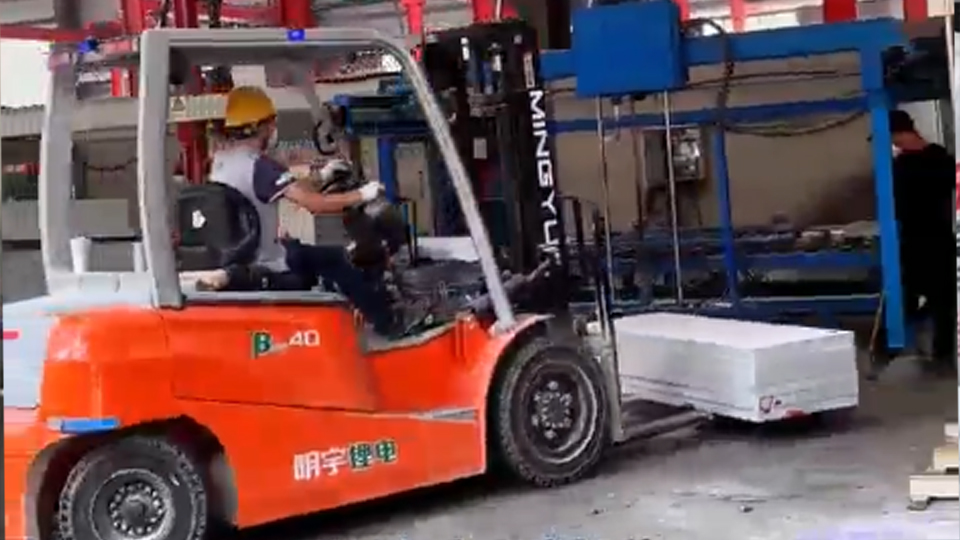
How brand, country of manufacture, and dealer network affect pricing
Standard features vs. optional upgrades: sideshifters, fork positioners, lights, and cabin packages
3. Battery and Charger: The Hidden Upfront Investment
Lead-acid battery: $3,000–$6,000 (included or add-on depending on dealer)
Lithium-ion battery: $8,000–$15,000+ (often sold separately)
Charger costs: $1,500–$5,000 depending on voltage and charging speed
Battery compartment requirements: different battery chemistries may need different trays
The "battery included" trap: why some quotes look cheaper than they are
Financing options: bundling battery and charger into the purchase lease
4. New, Used, Refurbished, or Leased?
New: Full warranty, latest tech, highest upfront cost
Used (1–3 years): 30–50% savings, remaining warranty, inspection checklist
Refurbished/certified pre-owned: What "remanufactured" actually covers
Lease vs. buy: Operating lease ($400–$800/month) vs. finance lease structures
When each model makes sense: utilization rates, fleet size, and capital availability
5. Delivery, Setup, and Facility Costs
Shipping and unloading fees: $500–$2,000 depending on distance
Charger installation: electrician costs, conduit, and dedicated circuits ($1,000–$5,000)
Ventilation and spill containment for lead-acid battery rooms
Floor rating and warehouse prep for heavier electric units
Dealer training sessions: often included, sometimes billed separately
6. Annual Maintenance: What Electric Forklifts Actually Need
Eliminated costs: No engine oil, filters, belts, spark plugs, or exhaust after-treatment
Required maintenance: Hydraulic oil changes, mast chain inspection, brake servicing, and steer axle lubrication
Typical annual maintenance contract: $1,200–$2,500 per unit
Hourly service rates: $100–$150/hour for dealer technicians
Scheduled intervals: 250-hour, 500-hour, 1,000-hour, and 2,000-hour services
Software and controller diagnostics: modern electric units require digital troubleshooting tools
7. Battery Maintenance and Replacement Costs
Lead-acid ongoing costs: Watering systems, distilled water, acid spill kits, and equalization charges
Lead-acid replacement cycle: Every 1,500–2,000 cycles or 4–5 years ($3,000–$6,000)
Lithium-ion maintenance: Virtually zero; battery management system (BMS) monitoring
Lithium-ion lifespan: 2,500–5,000+ cycles or 7–10+ years
Opportunity cost: downtime during battery swaps vs. opportunity charging
When to budget for a second battery: multi-shift operations
8. Unexpected Repairs and Component Pricing
Common electric-specific failures: drive motors, controllers, contactors, and sensors
Hydraulic system repairs: lift cylinders, valves, and hose replacements
Mast and carriage wear: rollers, bushings, and chain stretch
Tire replacement costs: cushion ($200–$400/set) vs. pneumatic ($800–$1,500/set)
Controller and motor rebuild vs. replace decisions
Availability of OEM vs. aftermarket parts and their price differential
9. Operator Training, Compliance, and Insurance
Initial OSHA/ANSI operator certification: $100–$200 per operator
Refresher training and evaluation requirements
Battery safety training: especially for lead-acid handling and charging
Insurance premiums: how electric vs. IC classification affects rates
Workers' compensation considerations: ergonomic advantages may lower claims
10. Cost-Saving Strategies for Buyers and Fleet Managers
Negotiating package deals: multiple units, battery bundles, and service contracts
Preventive maintenance programs vs. pay-as-you-go repair
Telematics and fleet management systems: reducing abuse and unnecessary wear
Right-sizing your fleet: avoiding over-capacity purchases
Energy management: off-peak charging and rate optimization
11. Conclusion: Budgeting for the Full Lifecycle
Recap: purchase price is just the beginning; maintenance and energy define true cost
Key takeaway: budget 10–15% of purchase price annually for maintenance
Final recommendation: get itemized quotes, plan for battery replacement, and invest in operator training
Call to action: request a 5-year cost projection from your dealer before signing
Name: selena
Mobile:+86-13176910558
Tel:+86-0535-2090977
Whatsapp:8613181602336
Email:vip@mingyuforklift.com
Add:Xiaqiu Town, Laizhou, Yantai City, Shandong Province, China
