
vip@mingyuforklift.com
+86-0535-2090977

Abstract
Furniture manufacturing presents unique material handling challenges characterized by irregular load geometries, high product value sensitivity, diverse raw material inputs, and complex production floor layouts. The selection and deployment of forklift fleets in these environments cannot follow generic warehousing logic. Instead, it requires a systematic matching approach that aligns truck specifications with material flows, product characteristics, and operational constraints. This article examines the technical dimensions of forklift selection for furniture factories, proposing a structured matching framework that optimizes throughput, minimizes product damage, and enhances workplace safety.
1. Introduction: The Material Handling Landscape in Furniture Manufacturing
Unlike standardized palletized goods in conventional logistics, furniture manufacturing involves handling raw timber, engineered wood panels, upholstery materials, hardware components, work-in-progress assemblies, and finished products of vastly different dimensions, weights, and fragility levels. A single factory may simultaneously manage incoming lumber shipments on flatbeds, just-in-time panel deliveries, fragile glass and mirror components, and finished sofa sets requiring careful transport to finished goods warehouses.
The material flow in a typical furniture factory follows a convergent pattern: raw materials enter from receiving docks, move through rough cutting, precision machining, assembly, finishing, and finally to packaging and shipping. Each stage imposes different handling requirements. Rough lumber may tolerate robust clamp handling, while finished dining tables with high-gloss lacquer finishes demand vibration-free transport with padded contact surfaces. This heterogeneity makes forklift fleet composition one of the most critical capital decisions in factory operations management.
2. Load Characteristics and Forklift Specification Mapping
The foundation of effective forklift matching lies in detailed load analysis. Furniture manufacturing loads fall into several distinct categories requiring different technical approaches.
Raw Materials Handling: Incoming timber and sheet goods represent the highest volume inputs. Standard 4×8 foot plywood or MDF panels require forklifts with extended forks or specialized attachments like panel clamps. Counterbalance forklifts with fork lengths of at least 1.8 meters are typically necessary, with load capacities ranging from 2.5 to 3.5 tons depending on material density. For timber yards, rough terrain capability may be required if outdoor storage is utilized.
Work-in-Progress Components: Partial assemblies such as chair frames, cabinet carcasses, and upholstered sections often lack standard pallet footprints. Here, versatility becomes paramount. Three-wheel electric counterbalance forklifts offer superior maneuverability in tight production aisles while maintaining adequate lift capacity. The turning radius specification becomes critical when navigating between machining centers and assembly lines.
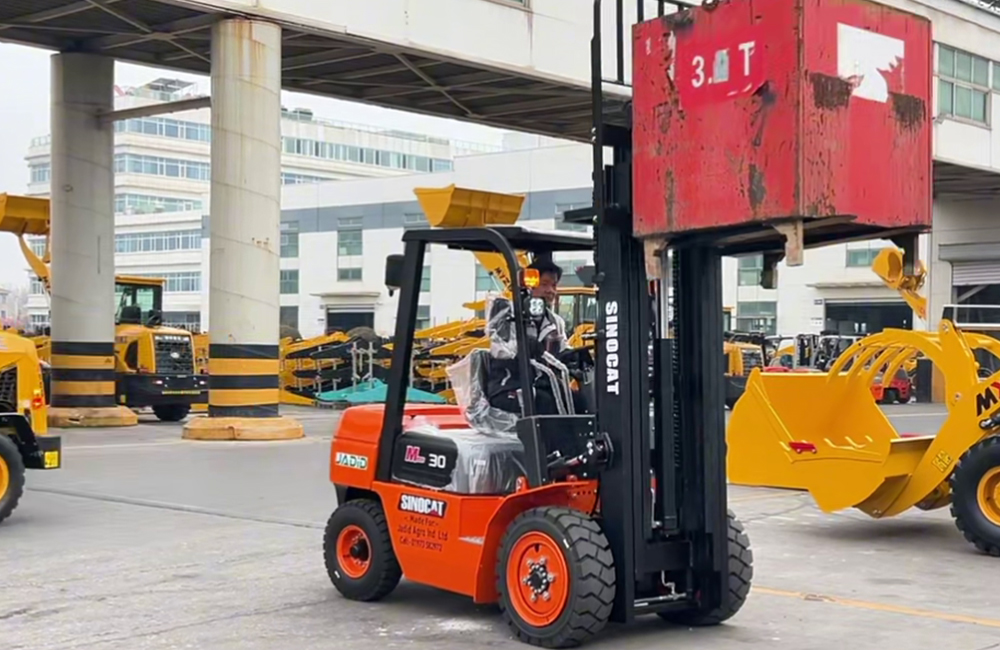
Finished Goods: Completed furniture represents the highest value and most damage-sensitive loads. Cushioned fork covers, carpeted backrests, and low-vibration mast systems become essential specifications. Reach trucks and order pickers may be employed in finished goods warehouses where high-density storage is required, though narrow aisle configurations must account for the non-uniform dimensions of wrapped furniture.
3. Power Source Selection: Electrification and Environmental Considerations
The choice between internal combustion (IC) and electric power sources carries significant implications for furniture manufacturing environments.
Electric Forklifts: Modern lithium-ion and lead-acid electric forklifts have become the preferred choice for indoor furniture manufacturing operations. Zero emissions eliminate concerns about air quality in finishing areas where dust and chemical sensitivities exist. The absence of exhaust also prevents contamination of upholstery fabrics and wood surfaces. Electric units operate at lower noise levels, contributing to better working conditions in assembly areas where communication is essential. However, charging infrastructure requirements and battery change-out protocols must be integrated into shift planning.
Internal Combustion Options: Propane and diesel forklifts retain relevance in specific furniture manufacturing contexts. Outdoor lumber yards, rough material receiving areas, and facilities without adequate electrical infrastructure may still benefit from IC trucks. Dual-fuel configurations offer transitional flexibility. In cold climates where battery performance degrades, propane units may provide more reliable operation for outdoor material movements.
The trend toward electrification is accelerating, driven by total cost of ownership reductions in lithium-ion technology and increasingly stringent indoor air quality regulations. For furniture manufacturers, the transition to electric fleets aligns with broader sustainability narratives increasingly valued by downstream retail partners and consumers.
4. Attachment and Accessory Engineering
Standard forks are insufficient for a significant portion of furniture handling tasks. The matching solution must encompass attachment strategy.
Carton and Appliance Clamps: These hydraulic clamps enable handling of boxed furniture without pallets, reducing packaging costs and enabling direct floor loading. Clamp pressure modulation is essential to prevent crushing of particleboard or cardboard packaging.
Bale and Soft Goods Clamps: For upholstered furniture components, soft-contact clamps with rubberized pads prevent fabric damage while providing secure handling of irregular shapes.
Multiple Load Handlers: Side-shifting fork positioners and multiple pallet handlers improve efficiency in finished goods warehouses where identical items are batch-stored.
Rotators and Push-Pull Systems: Specialized attachments facilitate handling of sheet materials and enable push-pull operations for slip-sheeted loads, though these are less common in furniture than in other manufacturing sectors.
The capital cost of attachments must be weighed against labor savings, damage reduction, and throughput improvements. A comprehensive attachment strategy often justifies itself through reduced product damage alone, as furniture margins are highly sensitive to cosmetic defects.
5. Aisle Width and Facility Layout Optimization
Furniture manufacturing facilities often evolve organically rather than following greenfield optimized design. Existing column spacing, overhead cranes, and production equipment create constraints that dictate forklift dimensional requirements.
Very Narrow Aisle (VNA) Considerations: While VNA trucks maximize storage density, furniture loads often exceed the dimensional assumptions embedded in VNA rack designs. The non-standard sizing of furniture cartons and the need for protective spacing between stored items frequently make standard VNA configurations impractical. Reach trucks operating in 2.8 to 3.0 meter aisles often represent the optimal compromise between density and accessibility.
Mast Height and Overhead Obstructions: Furniture factories frequently feature overhead dust collection ducting, electrical busways, and crane systems that limit maximum mast extension. Collapsible masts and low-profile overhead guards become necessary specifications. The lowered height of the forklift must be verified against all overhead infrastructure, not just racking.
Floor Loading and Surface Conditions: Engineered wood and stone flooring common in showroom-adjacent factories impose strict wheel loading limits. Electric forklifts distribute weight more favorably than IC counterparts, and polyurethane wheels reduce floor marking compared to rubber or steel alternatives.
6. Fleet Composition and Sizing Methodology
Determining the optimal number and mix of forklifts requires analytical rigor rather than rules of thumb.
Activity-Based Sizing: The fleet should be sized based on measured or projected material handling activity, typically expressed in pallet moves or ton-kilometers per hour. Peak demand periods, such as post-production transfer to shipping or raw material unloading from incoming shipments, often determine the minimum fleet size. Seasonal demand fluctuations in furniture manufacturing necessitate flexible arrangements such as short-term rentals or peak-season leasing.
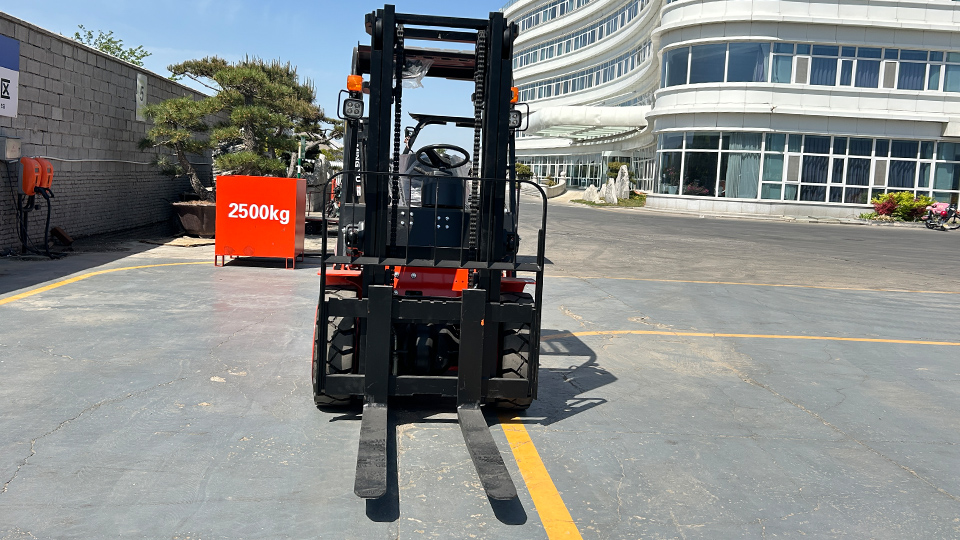
Redundancy Planning: Given the high cost of production stoppages, fleet sizing must incorporate redundancy. A common benchmark is maintaining 15-20% spare capacity to accommodate maintenance cycles and unexpected breakdowns. For critical paths—such as feeding CNC machining centers—dedicated backup units may be justified.
Specialization vs. Generalization: The trade-off between specialized trucks optimized for specific tasks and general-purpose units that can flex across operations must be evaluated. High-volume furniture factories often benefit from specialization: dedicated receiving trucks, production feed trucks, and finished goods warehouse trucks. Smaller operations may require versatile generalists.
7. Safety Systems and Damage Prevention
Furniture manufacturing environments present distinct safety challenges that influence forklift specification.
Visibility Enhanceations: High loads of furniture components frequently obstruct operator forward visibility. Cameras, proximity sensors, and blue-spot warning systems improve situational awareness. For rear-stacking operations in finished goods areas, camera systems are increasingly standard.
Load Stability: The high center of gravity inherent in stacked furniture loads, combined with the vibration sensitivity of assembled pieces, demands smooth hydraulic control and graduated speed limiting. Programmable performance settings allow restriction of travel and lift speeds in finished goods areas while permitting higher speeds in raw material yards.
Pedestrian Separation: Furniture assembly areas often involve high pedestrian density. Automated speed zoning, pedestrian detection systems, and physical separation barriers should be integrated with forklift operations. The layout should designate forklift-only thoroughfares where possible.
8. Maintenance and Total Cost of Ownership
The technical matching solution extends beyond acquisition to lifecycle management.
Preventive Maintenance Alignment: Forklift maintenance schedules should align with production calendars to minimize disruption. Electric trucks generally offer lower maintenance requirements than IC engines, with fewer fluids, filters, and exhaust components. However, battery maintenance—watering for lead-acid, thermal management for lithium-ion—introduces distinct requirements.
Parts Commonality: Fleet standardization around common platforms reduces spare parts inventory and technician training requirements. Where multiple brands are present, parts availability and service network coverage become critical selection criteria, particularly for factories in remote manufacturing regions.
Telemetry and Fleet Management: Modern forklifts offer CAN-bus connectivity enabling operational data capture. Utilization tracking, impact detection, and maintenance alerting through telematics systems enable data-driven fleet optimization. For furniture manufacturers operating thin margins, these systems provide accountability for damage incidents and enable precise cost allocation to product lines or shifts.
9. Ergomic and Operator Productivity Factors
Operator fatigue directly impacts damage rates and throughput in furniture handling.
Vibration and Shock: Furniture components, particularly assembled case goods and items with glass inserts, are sensitive to handling shock. Forklifts with suspended cabins, pneumatic tires, and dampened mast systems reduce transmitted vibration. Operator comfort correlates directly with careful load handling.
Control Ergonomics: Joystick controls, adjustable seating, and low-effort hydraulic controls reduce operator strain during repetitive handling cycles common in furniture warehouses. The ability to operate controls without removing hands from the steering mechanism improves safety during tight maneuvering around valuable finished goods.
10. Future Trends and Technological Integration
The furniture manufacturing sector is beginning to adopt emerging material handling technologies.
Automation and AGVs: Automated Guided Vehicles and Autonomous Mobile Robots are finding applications in high-volume furniture manufacturing, particularly for repetitive point-to-point movements such as feeding assembly lines or moving finished goods to shipping docks. However, the irregular load shapes and low-volume, high-mix nature of much furniture production currently limit widespread AGV deployment.
Hydrogen Fuel Cells: As an alternative to battery electrics, hydrogen fuel cell forklifts offer rapid refueling and eliminate battery change-out infrastructure. For multi-shift furniture operations with limited charging space, hydrogen may emerge as a viable power source, though infrastructure costs remain prohibitive for most mid-size manufacturers.
Digital Twins: Advanced manufacturers are modeling material flows using digital twin technology, enabling simulation of forklift fleet performance before capital deployment. These tools allow optimization of fleet composition, routing, and charging strategies in virtual environments.
11. Conclusion
Material handling in furniture manufacturing defies one-size-fits-all forklift solutions. The optimal fleet configuration emerges from systematic analysis of load characteristics, facility constraints, operational tempo, and product sensitivity. Successful furniture manufacturers approach forklift selection as an engineering exercise rather than a procurement transaction, recognizing that proper matching of handling equipment to material flows directly impacts product quality, operational efficiency, and workplace safety.
The convergence of electrification, telematics, and automation is reshaping the technical landscape of factory material handling. Furniture manufacturers who invest in analytically grounded forklift matching solutions—considering not just lift capacity but attachment strategy, power source, dimensional constraints, and lifecycle costs—will achieve sustainable competitive advantages in an industry where material handling efficiency and product protection are inextricably linked.
Name: selena
Mobile:+86-13176910558
Tel:+86-0535-2090977
Whatsapp:8613181602336
Email:vip@mingyuforklift.com
Add:Xiaqiu Town, Laizhou, Yantai City, Shandong Province, China
