
vip@mingyuforklift.com
+86-0535-2090977

Introduction: The Hydraulic System as the Muscle of Material Handling
The hydraulic system is the unsung hero of every stacker operation. While operators focus on steering, lifting, and placing loads, it is the hydraulic system—comprising pumps, cylinders, valves, hoses, and fluid—that translates electrical or manual energy into the precise mechanical force that elevates tons of material with fingertip control. A well-maintained hydraulic system delivers smooth, predictable performance across thousands of cycles. A neglected system becomes a liability: sluggish response, uncontrolled movements, catastrophic leaks, and potential safety hazards that can halt operations and endanger personnel.
Understanding hydraulic maintenance is not optional for stacker operators and fleet managers. It is a fundamental competency that directly impacts equipment availability, operational cost, and workplace safety. This guide provides a comprehensive technical framework for hydraulic system maintenance, covering oil change intervals, leak detection methodologies, seal failure diagnostics, and preventive strategies that extend system life and prevent unplanned downtime.
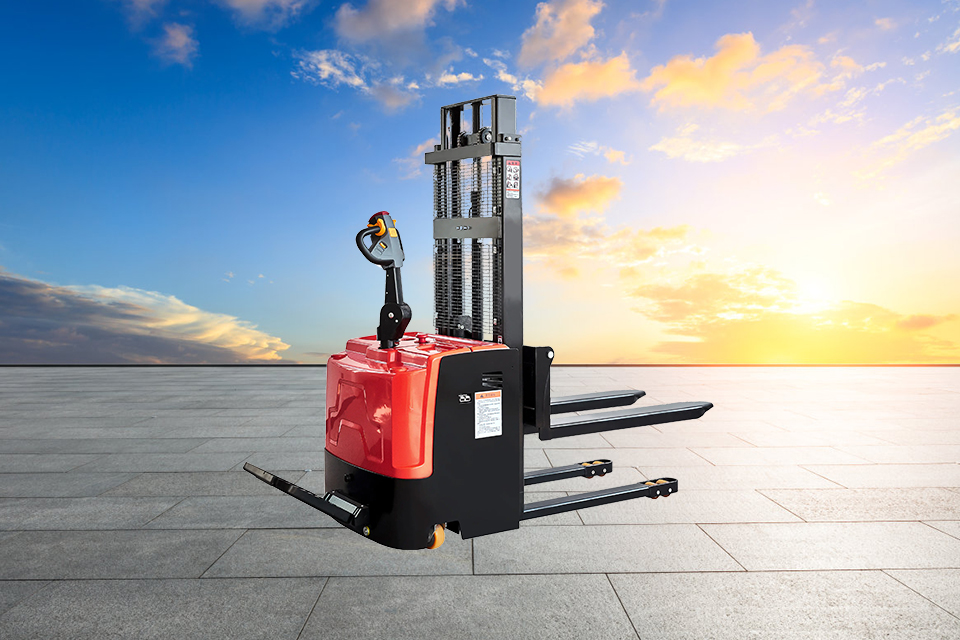
Understanding Stacker Hydraulic System Architecture
Before addressing maintenance procedures, operators must understand the components they are protecting. A typical electric stacker hydraulic system includes:
Hydraulic Pump: Converts electrical energy into fluid pressure. In electric stackers, this is typically a gear or vane pump driven by the traction motor or a dedicated hydraulic motor.
Reservoir (Sump Tank): Stores hydraulic fluid, allows air separation, and dissipates heat. Capacity ranges from 5 to 20 liters depending on stacker size.
Control Valves: Direct pressurized fluid to lift, lower, or tilt functions. These precision components are highly sensitive to contamination.
Lift Cylinders: Single-acting or double-acting hydraulic cylinders that raise and lower the mast assembly. These operate under pressures typically ranging from 150 to 250 bar (2,175 to 3,625 psi).
Hoses and Fittings: Flexible connections that route fluid between components. Subject to flex fatigue, abrasion, and pressure spikes.
Filter Assembly: Removes particulate contamination from the fluid stream. Critical for protecting valves and pump components.
Each component has specific failure modes, but they share a common dependency: clean, properly specified hydraulic fluid maintained at correct levels and temperatures.
Hydraulic Fluid: The Lifeblood of the System
Fluid Selection and Specifications
Hydraulic fluid selection is not a matter of convenience—it is a precision engineering decision. Most standard warehouse stackers operate efficiently with ISO Viscosity Grade (VG) 32 or 46 anti-wear (AW) hydraulic oil. These fluids provide the lubrication film thickness, viscosity stability, and wear protection necessary for pump and valve longevity.
Using incorrect fluid—whether automotive motor oil, transmission fluid, or an incompatible hydraulic grade—causes immediate and lasting damage. Motor oil lacks the anti-foam and anti-wear additives formulated for hydraulic systems. Incorrect viscosity causes sluggish operation in cold conditions or excessive internal leakage and heat generation when too thin.
Always consult the manufacturer's service manual for the exact fluid specification. Common stacker manufacturers specify:
表格
Manufacturer Typical Hydraulic Oil Specification
Toyota ISO VG 32 or 46 AW
Hyster ISO VG 32 or 46 AW
Yale ISO VG 32 or 46 AW
Crown Manufacturer-specific fluid
Clark ISO VG 32 or 46 AW
The Four Essential Properties of Hydraulic Oil
Hydraulic fluid must simultaneously satisfy four critical requirements:
Appropriate Viscosity: Provides sufficient film thickness for lubrication while maintaining flow characteristics across the operating temperature range. Too viscous, and the system responds sluggishly; too thin, and internal leakage increases while lubrication fails.
High Viscosity Index: Ensures minimal viscosity change as temperature fluctuates. Stackers operating in cold storage environments and ambient warehouses experience wide temperature swings that challenge fluid stability.
Demulsibility: The ability to separate from water contamination. Water ingress—common in humid environments or through condensation in the reservoir—must be shed quickly to prevent corrosion and reduce lubrication effectiveness.
Anti-Wear Properties: Additive packages that form protective films on metal surfaces under boundary lubrication conditions. These additives deplete over time and with contamination, necessitating fluid replacement.
Oil Change Intervals: When to Replace Hydraulic Fluid
Manufacturer Recommendations
Most stacker manufacturers recommend hydraulic oil changes every 1,000 to 2,000 operating hours, with annual replacement as a minimum regardless of hours accumulated. This interval balances fluid degradation against maintenance cost. However, the "whichever comes first" rule applies—annual changes are mandatory even for low-hour equipment because hydraulic fluid oxidizes and additive packages degrade over time regardless of use.
表格
Maintenance Interval Task Purpose
Daily Visual fluid level check Prevent low-level operation and pump damage
250 hours Initial filter change (break-in) Remove manufacturing debris and initial wear particles
500 hours Filter inspection/replacement Maintain contamination control
1,000–2,000 hours Complete hydraulic oil change Restore fluid properties and remove accumulated contaminants
Annually Complete hydraulic oil change (minimum) Address time-based degradation
Adjusting Intervals for Operating Conditions
The standard intervals assume moderate-temperature, clean-environment operation. Real-world conditions often demand more frequent changes:
High-Temperature Environments: Operating temperatures above 60°C (140°F) accelerate fluid oxidation, reducing effective life by 50 percent or more. In hot warehouses, foundries, or outdoor summer operations, consider 500-hour changes.
Dusty or Contaminated Environments: Particulate contamination from cardboard dust, metal particles, or abrasive environments overwhelms filters and accelerates component wear. More frequent filter changes and shortened oil change intervals are essential.
High-Use Applications: Multi-shift operations with continuous lifting cycles generate more heat and shear stress on fluid additives. Fluid analysis every 500 hours can determine actual degradation rates.
Attachment Usage: Stackers equipped with hydraulic attachments (side shifters, push-pulls, carton clamps) place additional demand on the hydraulic system, increasing fluid stress and contamination generation.
Fluid Analysis: The Precision Approach
For operations with significant hydraulic system investment, fluid analysis transforms maintenance from calendar-based to condition-based. Laboratory testing measures:
Viscosity at 40°C and 100°C: Detects oxidation, shear degradation, or incorrect fluid addition
Acid Number (TAN): Indicates oxidation byproduct accumulation
Water Content: Identifies contamination above 0.05 percent that causes corrosion and reduces lubricity
Particle Count: Quantifies contamination by ISO cleanliness code
Elemental Spectroscopy: Detects wear metals (iron, copper, aluminum) indicating specific component degradation
Fluid analysis typically costs $30–$50 per sample but can extend change intervals safely in clean, moderate-use environments while catching developing problems before they cause failure.
The Oil Change Procedure: Step-by-Step
Changing hydraulic oil is straightforward but demands attention to cleanliness and safety. Contamination introduced during the change procedure can cause more damage than the old fluid it replaces.
Pre-Operation Preparation
Secure the Work Area: Park the stacker on level ground, lower forks fully, engage the parking brake, and remove the key or disconnect the battery.
Allow Thermal Stabilization: If the stacker has been operating, allow 30 minutes for fluid temperature to decrease. Hot fluid causes burns and flows unpredictably.
Gather Materials: Correct specification hydraulic oil, new filter element, drain pan with adequate capacity, clean rags, funnel, and appropriate hand tools.
Clean External Surfaces: Remove dirt and debris from around the reservoir cap, filter housing, and drain plug to prevent contamination ingress.
Drain and Replace
Remove the drain plug from the reservoir and allow complete drainage into the pan. Tilt the stacker slightly if necessary to ensure full evacuation.
Remove and replace the filter. The initial filter change at 250 hours is especially critical as it removes break-in debris. Subsequent changes should align with oil changes. Never reuse a filter.
Inspect the drained fluid. Note color, consistency, and presence of metal particles or water emulsion. Dark, burnt-smelling fluid indicates overheating. Milky appearance signals water contamination. Metallic particles suggest internal wear requiring investigation.
Clean the reservoir interior with lint-free cloths if accessible. Remove any sludge or deposits from the bottom.
Reinstall the drain plug with a new crush washer or seal.
Fill with new fluid to the correct level. Check the dipstick or sight glass with the mast in vertical position and forks lowered. Do not overfill—expansion during operation causes overflow and creates a false sense of security.
Cycle the system by raising and lowering the forks several times. This purges air from cylinders and lines. Recheck fluid level and top off as needed.
Dispose of used fluid according to environmental regulations. Never pour hydraulic oil into drains, onto soil, or into general waste.
Leak Detection: From Puddle to Pinpoint
Hydraulic leaks are insidious. A visible puddle represents advanced failure; the damage began weeks earlier as a seep or weep that went unnoticed. Systematic leak detection identifies problems at the incipient stage, when repair is simple and inexpensive.
Daily Visual Inspection
The operator's pre-shift inspection is the first line of defense. Key indicators include:
Fluid Residue: A thin film of oil around fittings, hose connections, or cylinder rods indicates active seepage. Clean the area with a rag and recheck after operation to confirm the source.
Component Staining: Brown or amber discoloration on paint, dust, or nearby surfaces reveals historical leak patterns even when active dripping has stopped.
Wet Spots on Floor: Any oil beneath the stacker demands immediate investigation. Even small spots accumulate over shifts into significant fluid loss.
Dust Accumulation: Oil attracts dust, creating dark, greasy accumulations around leak points that are often more visible than the oil itself.
Operational Performance Indicators
Leaks often manifest as performance degradation before they become visible:
Slow or Jerky Cylinder Movement: Internal leakage across piston seals reduces effective pressure and flow. The mast rises sluggishly or stalls under load.
Loss of Holding Power (Cylinder Drift): The forks slowly descend when raised and held. This indicates internal bypass at the piston seal, allowing fluid to leak from the rod side to the blind side of the cylinder.
Increased Cycle Times: Operations that previously took seconds now require noticeably longer. The system is losing efficiency through internal or external leakage.
Unusual Noises: Hissing indicates high-pressure fluid escaping. Knocking or banging at stroke end suggests air in the system or mechanical damage.
Elevated Operating Temperature: Internal leakage generates heat as fluid bypasses through restricted clearances. A hydraulic system running hotter than normal—typically above 80°C (176°F)—often indicates leakage or contamination.
Advanced Detection Methods
When visual inspection is inconclusive, specialized techniques locate hidden leaks:
Ultrasonic Leak Detection: Handheld devices sense the high-frequency turbulence created by pressurized fluid escaping through small openings. Effective for locating leaks behind guards, inside enclosures, or in noisy environments where hissing is inaudible.
UV Fluorescent Dye: Add fluorescent dye to the hydraulic fluid, operate the system, then inspect with a UV lamp. Leak locations glow bright yellow-green, making even minute seepage visible. This method is particularly effective for intermittent leaks or those in inaccessible locations.
Thermal Imaging: Infrared cameras reveal temperature differentials where leaking fluid evaporates and cools surrounding surfaces. Useful for inspecting complex hose routings and manifold assemblies.
Pressure Decay Testing: Isolate sections of the system, pressurize to operating pressure, and monitor for pressure loss over time. Significant decay indicates leakage requiring disassembly for repair.
Seal Failure: Diagnosis and Prevention
Hydraulic cylinder seals are the most frequent leak source and the component most vulnerable to system-wide conditions. Understanding seal failure modes enables proactive prevention.
Common Seal Failure Symptoms
表格
Symptom Likely Cause Diagnostic Action
External leak at rod Worn rod seal/wiper Inspect rod for scratches; plan reseal
Slow or juddering motion Internal piston seal bypass Perform drift test under load
Cylinder drift downward Worn piston seal Isolate cylinder; confirm load holding failure
Hissing during operation High-pressure external leak Locate source with ultrasonic detection
Knocking at stroke end Air in system or mechanical damage Bleed system; inspect if noise persists
Seal Failure Modes
Hardening: Seals appear glazed, cracked, and brittle. Caused by excessive operating temperature—often from degraded fluid, over-pressurization, or inadequate cooling. Hardened seals lose elasticity and fail to maintain contact pressure.
Swelling: Seal material deforms and enlarges, often extruding from grooves. Results from fluid incompatibility or water contamination. Swollen seals bind, causing jerky operation and accelerated wear.
Scarring: Cuts, dents, or scratches on the dynamic sealing surface. Caused by damaged cylinder rods (nicks from impact or corrosion) or contamination particles embedded in the seal. Scarred seals leak immediately or fail rapidly.
Excessive Wear: Mirror-like polish or uneven wear patterns on the seal face. Indicates insufficient lubrication, misalignment, or lateral loading. One-sided wear suggests cylinder binding or bent rods.
Fracturing: Chunks of seal material broken away, surfaces appearing burned with long cracks. Results from excessive backpressure, pressure spikes, or severely degraded fluid.
Prevention Through System Health
Seal life is primarily determined by fluid condition and system cleanliness:
Maintain fluid within specification through regular changes and filtration
Keep reservoir breather caps clean and functional to prevent contamination ingress
Replace filters on schedule—never bypass or delay
Inspect cylinder rods during daily checks; repair minor damage before it destroys seals
Ensure rods are fully retracted when not in use, protecting them from impact and corrosion
Contamination Control: The Foundation of Hydraulic Longevity
Contamination is the root cause of approximately 80 percent of hydraulic system failures. Particles smaller than those visible to the naked eye—typically 5 to 25 microns—destroy precision valve components, accelerate pump wear, and destroy seals. Effective contamination control is not optional; it is essential.
Contamination Sources
Built-in Contamination: Manufacturing debris, metal chips, and assembly residue present in new equipment. The initial 250-hour filter change is specifically designed to remove these particles.
Ingressed Contamination: Dust, dirt, and moisture entering through breather caps, worn seals, or during fluid addition. Proper cap maintenance and clean filling practices prevent this.
Generated Contination: Wear particles from normal operation, oxidation byproducts from degraded fluid, and water from condensation or seal leakage.
Control Measures
Filtration: Use high-quality filters with appropriate beta ratings (βₓ ≥ 200). Monitor filter differential pressure; high pressure drop indicates filter loading and requires replacement. Never operate with a clogged filter bypass open.
Breather Maintenance: Reservoir breathers allow air exchange while excluding particles. Clean or replace breathers regularly; clogged breathers create vacuum conditions that draw in contaminated air through seals.
Clean Fluid Handling: Store new hydraulic oil in sealed containers. Use clean funnels and transfer equipment. Never add fluid from open or contaminated containers.
Seal Integrity: Maintain rod and wiper seals to prevent environmental contamination from entering the cylinder and migrating into the system.
Safety Considerations in Hydraulic Maintenance
Hydraulic systems operate at pressures sufficient to cause serious injury or death. Maintenance procedures must respect these hazards:
Pressure Release: Before disassembling any hydraulic component, ensure the system is fully depressurized. Lower forks to the ground, cycle controls to relieve trapped pressure, and verify gauges read zero. Trapped pressure in lift cylinders can cause sudden, violent movement.
Fluid Injection Injury: High-pressure hydraulic fluid can penetrate skin with minimal visible wound, causing tissue destruction, infection, and potential amputation. Never use hands to check for leaks. Use cardboard, wood, or leak detection tools. If fluid injection occurs, seek immediate medical attention—this is a surgical emergency.
Thermal Hazard: Hydraulic fluid operating temperatures reach 60–80°C (140–176°F). Allow adequate cooling time before servicing. Hot fluid causes severe burns.
Chemical Exposure: Hydraulic oil is a skin irritant and environmental hazard. Wear nitrile gloves, safety glasses, and protective clothing. Wash exposed skin promptly.
Fire Risk: While hydraulic oil has high flash points, misted or sprayed oil can ignite near hot surfaces or electrical equipment. Keep ignition sources away during maintenance.
Conclusion: Discipline as Competitive Advantage
Hydraulic system maintenance is not a maintenance department responsibility alone—it is an operational discipline that involves operators, supervisors, and technicians. The five-minute daily fluid level check, the attention to unusual noises or movements, the prompt reporting of seepage, and the adherence to change intervals—these simple habits compound into years of reliable service and thousands of dollars in avoided repairs.
A stacker hydraulic system that receives proper fluid, clean filtration, and timely seal replacement will operate for the full design life of the equipment. One that suffers from neglected oil changes, ignored leaks, and contaminated fluid will fail prematurely, often catastrophically, at the most inconvenient moment. The choice between these outcomes is not made in a single decision but in the accumulated discipline of daily maintenance practice.
In material handling, uptime is the ultimate metric. The hydraulic system is the muscle that moves your operation. Keep it healthy, and it will keep your business moving.
Name: selena
Mobile:+86-13176910558
Tel:+86-0535-2090977
Whatsapp:8613181602336
Email:vip@mingyuforklift.com
Add:Xiaqiu Town, Laizhou, Yantai City, Shandong Province, China