
vip@mingyuforklift.com
+86-0535-2090977

Introduction: The Battery as the Heart of Your Operation
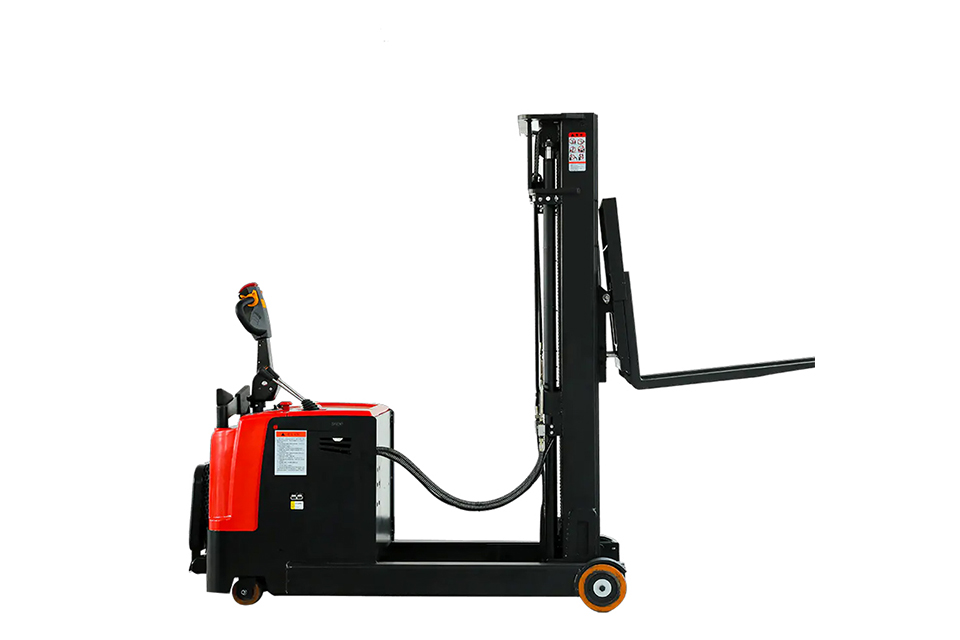
The electric stacker has revolutionized material handling, replacing noisy, emission-producing internal combustion engines with clean, efficient electric power. At the center of this transformation lies the battery—a sophisticated electrochemical system that represents 25 to 30 percent of the total equipment investment and determines virtually every aspect of operational performance. A well-maintained battery delivers consistent power across full shifts, maintains lifting capacity, and operates for five years or more. A neglected battery degrades prematurely, causing unplanned downtime, reduced productivity, and replacement costs that can exceed $5,000 for industrial units.
This comprehensive guide addresses the complete spectrum of electric stacker battery maintenance, from fundamental charging protocols to the precise science of electrolyte watering. Whether your fleet uses traditional lead-acid technology or modern lithium-ion systems, the principles outlined here will extend battery life, optimize performance, and protect your investment.
Understanding Battery Chemistry: Lead-Acid vs. Lithium-Ion
Before diving into maintenance procedures, operators must understand the fundamental differences between the two dominant battery chemistries in electric stackers.
Lead-Acid Batteries: The Traditional Workhorse
Lead-acid batteries have powered industrial equipment for over a century and remain the most common choice for electric stackers due to lower upfront cost and established service infrastructure. These batteries use lead dioxide positive plates, pure lead negative plates, and sulfuric acid electrolyte to store and release electrical energy. During discharge, sulfate ions bond with the plates; during charging, this reaction reverses.
The chemistry demands active maintenance. Water loss occurs through electrolysis during charging, when electrical current splits water molecules into hydrogen and oxygen gases that vent from the battery. A typical 12-volt flooded battery loses approximately 5–10 milliliters of water per cell monthly under normal cycling, with consumption increasing in high-use applications such as warehouse forklifts operating daily shifts. Without regular watering, electrolyte levels drop below the plate tops, exposing active material to air. This exposure causes irreversible sulfation—the formation of lead sulfate crystals that reduce capacity by 20 to 40 percent and can render the battery unusable if left untreated.
With proper maintenance, lead-acid batteries deliver 1,500 to 2,000 charge cycles, typically translating to five years of service in single-shift operations.
Lithium-Ion Batteries: The Modern Alternative
Lithium-ion batteries, particularly lithium iron phosphate (LiFePO4) variants, are increasingly deployed in electric stackers. These batteries eliminate the watering requirement entirely, tolerate partial-state charging without degradation, and deliver 3,000 to 4,500 cycles—often doubling the lifespan of lead-acid equivalents.
However, lithium-ion systems demand precise thermal management and voltage control. Their battery management systems (BMS) monitor cell balancing, temperature, and charge state to prevent thermal runaway—a catastrophic failure mode where uncontrolled chemical reactions generate extreme heat. While maintenance requirements are reduced, they are not eliminated. Operators must still inspect connections, monitor for physical damage, and ensure chargers are compatible with the specific battery chemistry.
Charging Protocols: The Foundation of Battery Longevity
Lead-Acid Charging Best Practices
Charge Timing and Depth of Discharge
The single most important rule for lead-acid battery longevity is to avoid deep discharge. Industry standards recommend initiating charging when the battery reaches 20 to 30 percent state of charge (SOC)—never allowing discharge below 20 percent. Deep discharges accelerate plate sulfation, increase electrolyte stratification, and generate excessive heat that damages internal components.
Conversely, lead-acid batteries should not be charged prematurely. A battery has a finite number of charge cycles—approximately 1,500—and does not distinguish between half-charging and full charging. Charging a battery at 50 to 60 percent SOC wastes a complete cycle, effectively halving the battery's lifespan if practiced routinely. The optimal strategy is to complete one full charge cycle per shift, charging overnight when the battery has been substantially depleted.
The Charging Environment
OSHA mandates that battery charging must occur in well-ventilated areas with a minimum of five air changes per hour. This requirement exists because lead-acid charging generates hydrogen gas, which is explosive at concentrations above 4 percent by volume. The charging area must be equipped with:
Eye wash stations and emergency shower facilities
Acid spill containment kits and neutralizing agents
"No Smoking" and "No Open Flame" signage
Adequate lighting and non-slip flooring
Temperature monitoring to ensure ambient conditions remain between 15°C and 27°C (59°F to 81°F)
Temperature extremes severely impact charging efficiency and battery life. At 30°C (86°F), battery performance drops by approximately 30 percent; at 35°C (95°F), lifespan can be reduced by 50 percent. Conversely, charging below 0°C (32°F) causes electrolyte stratification and reduces charge acceptance.
Charger Selection and Operation
Always use the charger specifically designed for the battery's voltage and capacity. Mismatched chargers—whether third-party units or incorrectly configured models—can overcharge or undercharge, both of which cause permanent damage. High-quality chargers incorporate temperature compensation, automatic shut-off at full charge, and equalization modes that prevent sulfation buildup.
Standard charging for lead-acid batteries requires 8 to 10 hours for a complete cycle, followed by an equalization charge and a cooling period. Active charging methods typically require 10 to 12 hours, while equivalent charging may extend to 12 to 15 hours. Attempting to rush this process with excessive current generates heat, accelerates water loss, and warps plates.
Opportunity Charging: A Cautionary Note
Opportunity charging—topping up batteries during short breaks—has gained popularity but carries significant risks for lead-acid chemistry. Unlike lithium-ion systems, lead-acid batteries do not tolerate partial charging well. Frequent opportunity charges increase total cycle consumption, cause electrolyte stratification, and prevent the complete chemical recombination necessary for full capacity restoration. If your operation requires continuous availability, consider investing in lithium-ion technology rather than forcing lead-acid batteries into an unsuitable charging pattern.
Lithium-Ion Charging Considerations
Lithium-ion batteries fundamentally change the charging paradigm. These systems thrive on partial-state-of-charge cycling, tolerating multiple micro-charges throughout the day without capacity degradation. Fast charging at 0.5C to 1C rates can restore 30 to 80 percent SOC in 1 to 2 hours, with active cooling systems preventing thermal stress.
However, lithium-ion charging demands precise voltage control and cell balancing through the BMS. Using uncertified chargers or ignoring manufacturer specifications risks overvoltage conditions that trigger thermal runaway. The charging infrastructure for lithium-ion is simpler—no ventilation requirements, no acid spill containment—but the electronic complexity is higher.
Watering: The Critical Maintenance Procedure
For lead-acid batteries, watering is the maintenance task that most directly determines lifespan and performance. Yet it is also the procedure most frequently executed incorrectly, causing more battery damage than outright neglect.
Why Watering Matters
During charging, electrolysis splits water into hydrogen and oxygen, which vent from the battery. This water loss is normal and necessary—the gassing action helps mix the electrolyte and complete the chemical reaction. However, the water must be replenished to maintain electrolyte levels above the plate surfaces. When plates are exposed to air, they oxidize and sulfate, creating permanent capacity loss that cannot be reversed through normal charging.
Under-watering exposes plates and causes sulfation. Over-watering dilutes the sulfuric acid concentration, reducing capacity by 15 to 20 percent and causing electrolyte overflow during charging that corrodes terminals, damages the stacker's electrical components, and creates hazardous working conditions.
Water Quality: The Non-Negotiable Requirement
The type of water used for battery watering is not a minor detail—it is a critical determinant of battery health. Only distilled water or deionized water with conductivity below 50 microsiemens per centimeter (μS/cm) is acceptable.
Never use tap water, purified drinking water, mineral water, or well water. These sources contain dissolved minerals—calcium, magnesium, iron, and other ions—that form conductive sludge inside the battery. This sludge creates micro-short circuits between plates, accelerates self-discharge, and causes uneven cell performance. The minerals also react with sulfuric acid to form insoluble compounds that settle on plates, further reducing capacity.
Distilled water is available from pharmacies, automotive suppliers, and chemical distributors. For large operations, installing an on-site deionization system may be cost-effective. The investment in proper water quality pays dividends through extended battery life and reduced failure rates.
When to Water
The optimal timing for watering is immediately after a full charge cycle, not before. During charging, electrolyte volume expands as chemical reactions generate heat and gas. If water is added before charging, the expanded electrolyte will overflow during the charge cycle, causing acid spills and dilution issues.
The exception: if plates are visibly exposed during a pre-charge inspection, add just enough water to cover them before initiating charging. After the charge completes, recheck levels and top off to the proper height.
How to Water: Step-by-Step Procedure
Safety Preparation: Wear acid-resistant gloves, safety goggles, and an apron. Ensure the charging area is ventilated and that neutralizing agents (baking soda solution) are available.
Post-Charge Verification: Confirm the battery has completed a full charge cycle and has cooled for at least 30 minutes. Electrolyte temperature should be below 45°C (113°F) before opening cells.
Cell Inspection: Remove vent caps and inspect each cell's fill well. The electrolyte should cover the plates by at least 1/4 inch. Look for discoloration, sediment, or uneven levels that indicate cell imbalance.
Water Addition: Using a battery watering gun, turkey baster with volume markings, or precise funnel, add distilled water slowly to each cell. The target level is 1/8 inch below the bottom of the vent well (approximately 1/4 to 1/2 inch above the plates). Never fill to the top of the well—overfilling guarantees overflow during the next charge cycle.
Uniformity Check: All cells should have approximately equal electrolyte levels. Significant variation indicates cell imbalance requiring equalization charging or professional service.
Cap Replacement: Clean vent caps with a damp cloth, inspect for damage, and reinstall securely. Loose caps allow electrolyte splashing and accelerate water loss.
Cleanup: Wipe any spilled electrolyte with a baking soda solution (one pound baking soda per gallon of water). Never use water alone on acid spills.
Watering Frequency
New batteries should be checked monthly to establish a baseline consumption rate. In high-use applications—daily shifts in warm environments—watering may be required every one to two weeks. Seasonal variations matter: summer heat increases evaporation rates, while winter dry air can also accelerate water loss through increased gassing during charging.
Automated watering systems, which connect all cells to a central filling manifold, can reduce labor and improve consistency. These systems fill each cell to the correct level simultaneously, eliminating the risk of missed cells or overfilling. Studies indicate automated systems can extend battery lifespan by 15 percent through precise hydration control.
Equalization Charging: Restoring Cell Balance
Even with perfect watering discipline, lead-acid batteries develop cell imbalance over time. Individual cells may have slightly different capacities due to manufacturing variations, temperature gradients within the battery pack, or inconsistent usage patterns. This imbalance causes some cells to reach full charge while others remain undercharged, leading to sulfation in the weaker cells and overcharging damage in the stronger ones.
Equalization charging is a controlled overcharge that brings all cells to a uniform state of full charge. The process applies a higher voltage (typically 2.5 to 2.6 volts per cell) for a limited duration, causing vigorous gassing that mixes the electrolyte and breaks down early-stage sulfate crystals.
When to Equalize: Perform equalization charges monthly for batteries in daily service, or whenever specific gravity measurements vary by more than 0.030 between cells.
Procedure: Complete a normal full charge first. Then initiate the equalization cycle, monitoring electrolyte temperature throughout. If temperature exceeds 46°C (115°F), stop the process and allow cooling. After equalization, check and adjust water levels as the vigorous gassing will have consumed additional water.
Caution: Equalization generates substantial hydrogen gas and heat. Perform only in well-ventilated areas with adequate safety equipment. Never leave an equalizing battery unattended.
Terminal Maintenance and Corrosion Prevention
Battery terminals and cable connections are frequent failure points that cause voltage drops, starting difficulties, and intermittent power loss. During daily operation, terminals accumulate corrosive deposits from acid mist and electrolyte vapor.
Cleaning Procedure: Mix a paste of baking soda and water (approximately three parts soda to one part water). Disconnect the battery cables—negative terminal first, then positive. Apply the paste to terminals and cable ends, allowing it to neutralize acid for five minutes. Scrub with a wire brush until metal is bright. Rinse with clean water and dry thoroughly. Apply a thin coating of petroleum jelly or commercial terminal protectant to prevent future corrosion. Reconnect cables—positive first, then negative—and tighten securely.
Inspection Points: Check cables for fraying, cracking, or heat damage. Verify terminal hardware is tight; loose connections generate resistance heat that accelerates corrosion and can melt cable insulation. Replace damaged cables immediately—temporary repairs with electrical tape are unacceptable in industrial applications.
Sulfation: Recognition, Prevention, and Remediation
Sulfation is the primary failure mode of lead-acid batteries and the reason most are retired prematurely. Understanding this phenomenon is essential for effective maintenance.
What Is Sulfation?
During normal discharge, lead sulfate forms on both positive and negative plates as a soft, porous crystalline structure that readily reverts to active material during charging. When a battery remains in a discharged state for extended periods—typically more than 72 hours—these soft crystals harden into dense, non-conductive layers that resist chemical recombination. This hard sulfation reduces active surface area, increases internal resistance, and progressively diminishes capacity.
Early Warning Signs
Reduced runtime: The battery cannot complete a full shift despite being fully charged
Slow charging: The battery takes longer than normal to reach full charge
Excessive heat during charging: Elevated temperature indicates high internal resistance
Specific gravity readings below 1.265 in fully charged cells (measured at 25°C/77°F)
Voltage differentials between cells exceeding 0.1 volts
Prevention Strategies
Never store discharged: Batteries left below 50 percent SOC for more than 24 hours begin accumulating hard sulfate. If a battery must be stored, charge it to 70 to 80 percent SOC and disconnect from the stacker.
Complete full charges: Partial charges that stop before the absorption phase leave sulfate crystals incompletely dissolved. Ensure every charge cycle reaches full completion.
Monthly equalization: Regular equalization prevents the accumulation of mild sulfation before it hardens.
Temperature management: High temperatures accelerate sulfation rates. Even 10°C above the standard 20 to 25°C operating range can halve battery lifespan.
Remediation
Mild sulfation can sometimes be reversed through extended equalization charging or specialized desulfation chargers that apply high-frequency pulse currents to break down crystal structures. However, once sulfation exceeds approximately 25 percent of plate area, remediation becomes uneconomical and battery replacement is the prudent choice. Professional battery service companies offer diagnostic testing—including impedance spectroscopy and internal resistance measurement—to determine whether regeneration is viable.
Long-Term Storage and Seasonal Considerations
Electric stackers frequently experience periods of reduced use—holiday shutdowns, seasonal demand fluctuations, or equipment rotation. Proper storage procedures prevent the gradual degradation that affects idle batteries.
Lead-Acid Storage:
Charge to 70 to 80 percent SOC before storage
Disconnect negative terminal to prevent parasitic drain
Store in a cool, dry location between 10°C and 25°C (50°F to 77°F)
Check voltage monthly; recharge if voltage drops below 12.4 volts (for 12V units) or the manufacturer's specified minimum
For storage exceeding three months, consider a maintenance charger that applies a low-rate float charge
Lithium-Ion Storage:
Store at 40 to 60 percent SOC—never fully charged or fully discharged
Disconnect from equipment
Store between -20°C and 25°C (-4°F to 77°F)
Recharge every six months if not in use
Documentation and Professional Service
Effective battery maintenance requires systematic record-keeping. Maintain logs for each battery documenting:
Charging dates, duration, and starting/ending SOC
Watering dates and volumes added
Equalization dates and duration
Terminal cleaning and maintenance
Specific gravity readings (for lead-acid)
Any anomalies or performance issues
These records enable trend analysis, predict maintenance needs, and support warranty claims. When internal issues persist despite routine maintenance—such as repeated sulfation, cell imbalance, or capacity loss—engage certified battery technicians for professional diagnostics and service.
Conclusion: Maintenance as Investment
The electric stacker battery is not a consumable item to be replaced when it fails. It is a capital asset that responds directly to the quality of care it receives. The maintenance procedures described in this guide—proper charging discipline, precise watering with distilled water, regular equalization, terminal care, and sulfation prevention—require time and attention, but they deliver returns that far exceed their cost.
A lead-acid battery maintained according to these guidelines will deliver its full design life of 1,500 to 2,000 cycles, providing five years of reliable service. A neglected battery may fail in half that time, forcing premature replacement at significant expense. The difference between these outcomes is not complex technology or expensive equipment—it is the consistent application of fundamental maintenance practices by informed, trained operators.
In the competitive landscape of modern logistics, operational efficiency depends on equipment reliability. The battery that powers your electric stacker is the foundation of that reliability. Treat it with the care it deserves, and it will reward you with years of uninterrupted service.
Name: selena
Mobile:+86-13176910558
Tel:+86-0535-2090977
Whatsapp:8613181602336
Email:vip@mingyuforklift.com
Add:Xiaqiu Town, Laizhou, Yantai City, Shandong Province, China
