vip@mingyuforklift.com
+86-0535-2090977

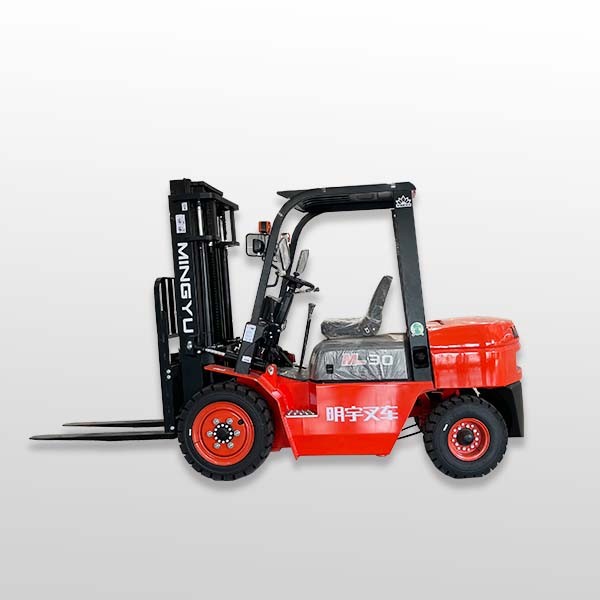
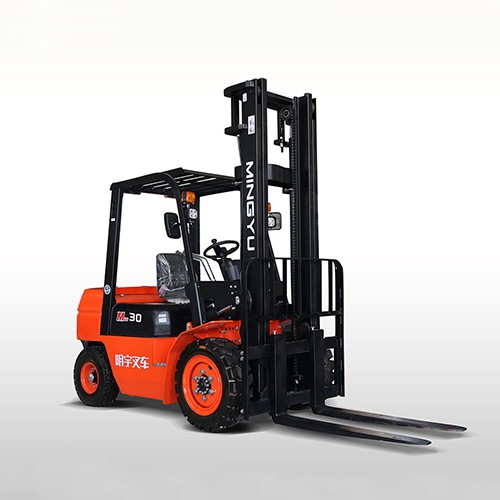
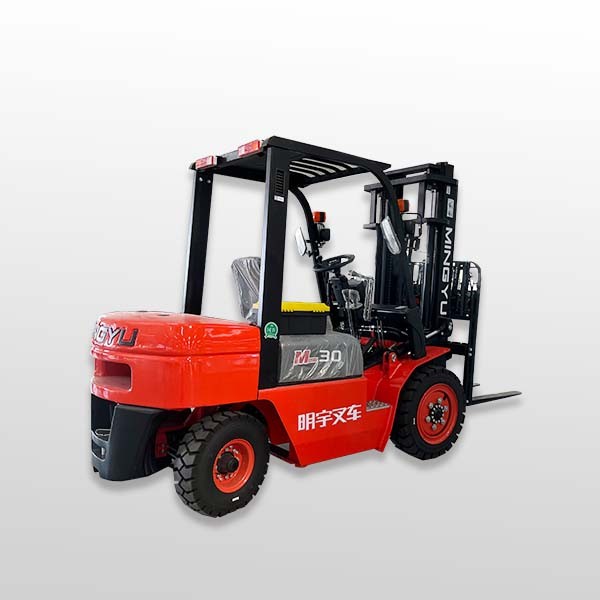
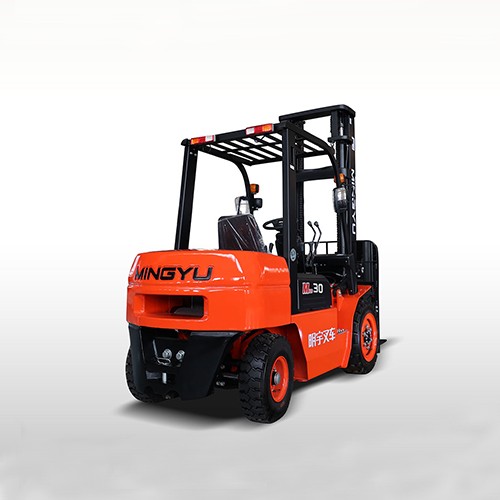
The CPC30 is an existing MINGYU-branded diesel counterbalance forklift in the ZGFORKLIFT / MYZG product catalog. This buying and operating guide considers recycling yards that receive palletized recovered paper, sorted plastics, reusable packaging and baled materials. The source page gives a 3,000 kg rated-load reference at a 500 mm load center. A recycling load may be irregular, wet or poorly supported, so the actual rated capacity, mast, forks, tires, engine and attachments must be checked against the delivered truck and the intended task. A site review should establish whether a forklift, clamp-equipped machine or another handling method is appropriate for each load.
Inbound loads arrive in different pallet and bale conditions, while outbound material must be sorted and staged for transport. A dense bale may be compact; a large plastic pack may be light but obscure the driver. Broken pallets, loose straps and scattered film can create tire and pedestrian hazards. Document gross weights, dimensions, wrapping and center of gravity for every regular material stream. Segregate damaged or unstable units for repacking before a lift. Do not use the forklift mast to compress or straighten a loose stack.
Walk the proposed route from vehicle unloading through inspection, sorting, temporary storage and dispatch. Record surface condition, drainage channels, potholes, gradients, turning space, overhead obstructions and the interaction with trucks and pedestrians. Set separate routes for public drop-off and forklift travel where the site layout permits. A conventional diesel counterbalance truck should not be assumed suitable for deep mud, steep slopes or an enclosed area without a specific engineering and ventilation review. Confirm operating limits with the supplied manual and a local risk assessment.
The site's CPC30 source product shows four distinct views of the red MINGYU forklift and identifies diesel power, a 3,000 kg rated load at 500 mm, and a standard 3 m lift-height reference. It also discusses operator access and service features. Those details describe the product family, while the quotation must specify the actual engine, emissions documents, mast, tires, forks, attachments and capacity plate. Do not infer a certified engine or permitted operating environment from a general marketing statement.
Compare size and power choices through the diesel forklift category. The All Products directory helps buyers consider an electric truck for suitable enclosed routes or a different class for heavy bales and loading heights. A three-ton nominal rating is a starting point, not approval for every pallet, lift height or attachment. Request residual-capacity information for the exact configuration and compare it with the heaviest realistic unit load.
Load profile: list the heaviest recovered-paper bale, plastic pallet, returnable-container stack and outbound pack. Note each load center, fork entry, pallet underside, strap condition, height and moisture. If a clamp or extended fork is proposed, request the attachment approval and the revised capacity plate. Check how the load behaves during turning and braking, not only while standing still.
Route and storage: measure door and canopy clearance, storage height, trailer approach, turning radius available, floor or slab rating and the weakest ground section. Check bridge plates, truck beds and containers for combined forklift-and-load capacity before entry. Allow room for a safe stop when a pedestrian or loader crosses the route. Where materials are kept outside, define what happens when rain changes traction or damages the pallet.
Duty and ownership: estimate hours per shift, peak inbound vehicles, travel distance, fuel access, service intervals, parts lead time and downtime cost. A controlled demonstration should use representative loads on an approved route. Ask the supplier for the exact specification, pre-delivery inspection, manuals, operator training, warranty conditions and a named service contact. A dealership should have a plan for filters, tires, brakes and hydraulic components that match the delivered serial number.
At unloading, inspect restraints and obtain clear communication with the vehicle driver before moving a pallet. Keep damaged bales out of normal forklift circulation. Use stable, approved fork engagement and maintain the travel height and speed required by the manual and site rules. A separate transfer point between forklifts and sorting workers reduces confusion. The wider product range supports a site plan in which pallet trucks, stackers and a counterbalance forklift have defined duties rather than crossing the same crowded route.
For temporary storage, set stack limits using the pallet, rack and floor ratings. Heavy bales can create concentrated loads; tall light packs can hide people or rack uprights. Do not place material under an elevated load or use a truck as a storage support. At dispatch, confirm carrier restraint, bridge-plate capacity and a clear route into the vehicle. Make a separate procedure for oversized or poorly supported recovered material. Record any unusual load shape for technical approval before it becomes routine work.
Pre-use inspection should cover forks and locks, mast, chains, hydraulics, tires, steering, brakes, horn, lights, seat belt, overhead guard, mirrors and the readable capacity plate. Remove a defective truck from service until qualified inspection and repair. Plastic wrap, straps, cardboard dust and pallet fragments can collect around wheels, radiators and mast rollers. Establish cleaning and inspection intervals suited to the actual environment and the delivered manual. Keep fuel storage and refueling away from ignition sources and follow local site rules.
Track engine hours, filter service, tire cuts, hydraulic leaks, brake condition, chain work and downtime by serial number. The FAQ can frame common buyer questions, and the parts and dealer page can start a service discussion. Provide the actual engine code and component photos when ordering parts. Do not assume two visually similar CPC30 trucks have identical service components.
A dealer can use a consistent inquiry sheet covering material stream, load weights, pallet condition, route, ground, shift schedule, destination and local service. Test the proposed process with a real, stable representative load. Document limitations and arrange operator handover. A case study should be published only with customer permission and verifiable information; this page does not invent a recycling project, throughput result or export count.
For export, confirm engine identity, destination emissions rules, labels, manuals, shipping dimensions, packing and spare-parts support. If EPA compliance is required, request the applicable engine and machine records for the exact supplied unit. If CE documentation is required, request the declaration and supporting documents for the ordered configuration. Shandong Zhuogong Machinery Equipment Co., Ltd. has a company overview for background; specific compliance and after-sales commitments should be written into the contract.
Send pallet and bale photographs, gross weights, load centers, fork entry, stack height, surface and route photos, daily movements, destination country and service needs. Shandong Zhuogong Machinery Equipment Co., Ltd. can review those details for a CPC30 proposal. Contact vip@mingyuforklift.com or +86-0535-2090977, or use the contact page. Request the actual capacity, engine and emissions documents before buying for a recycling-yard duty cycle.
Name: selena
Mobile:+86-13176910558
Tel:+86-0535-2090977
Whatsapp:8613181602336
Email:vip@mingyuforklift.com
Add:Xiaqiu Town, Laizhou, Yantai City, Shandong Province, China